Neck, back & muscle
- Chronic mechanical neck discomfort*
- Shoulder and upper-back tightness
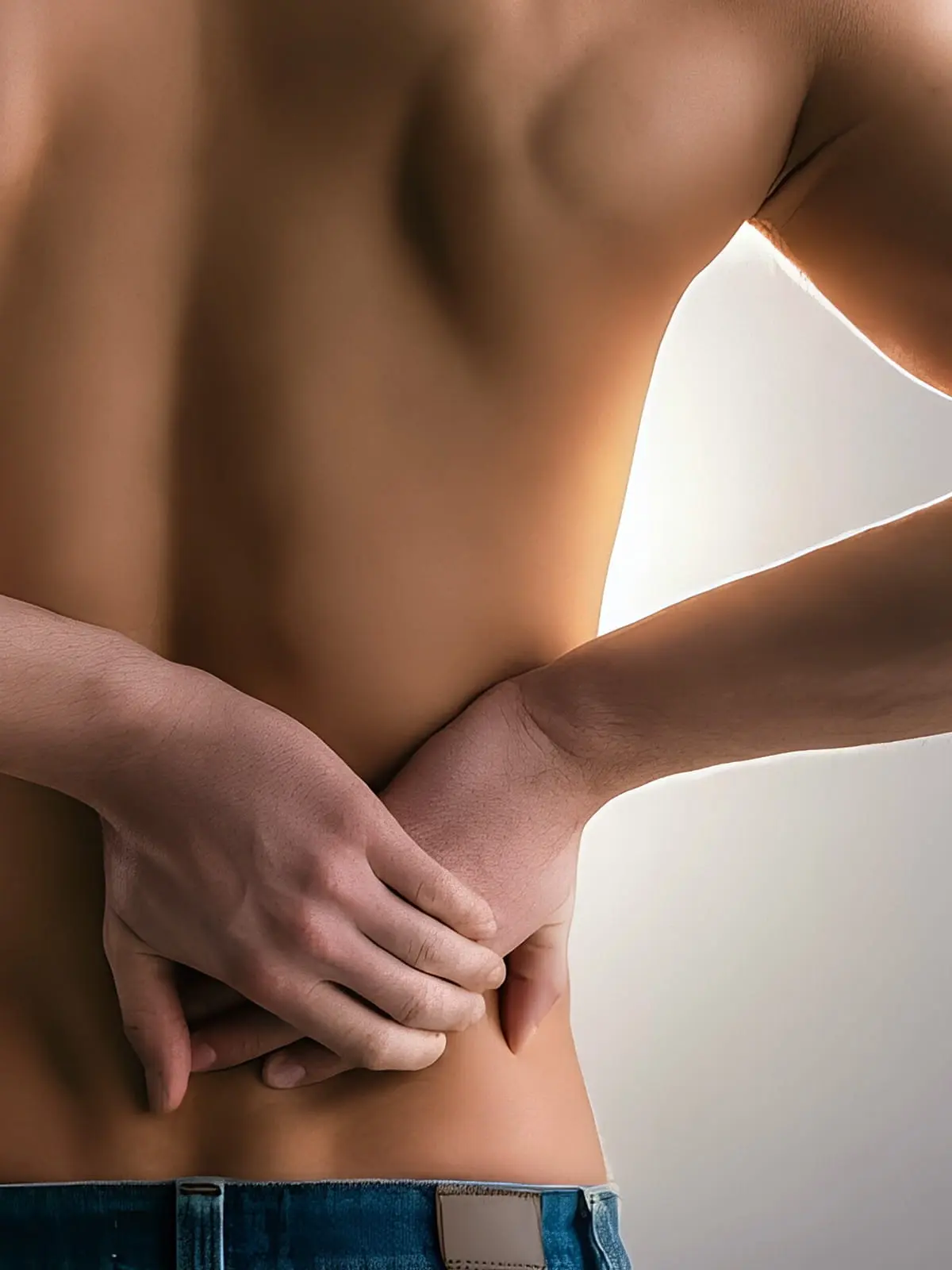
- Nonspecific low back discomfort*
- Sore or guarded muscle bands

From $40 · MOH-registered
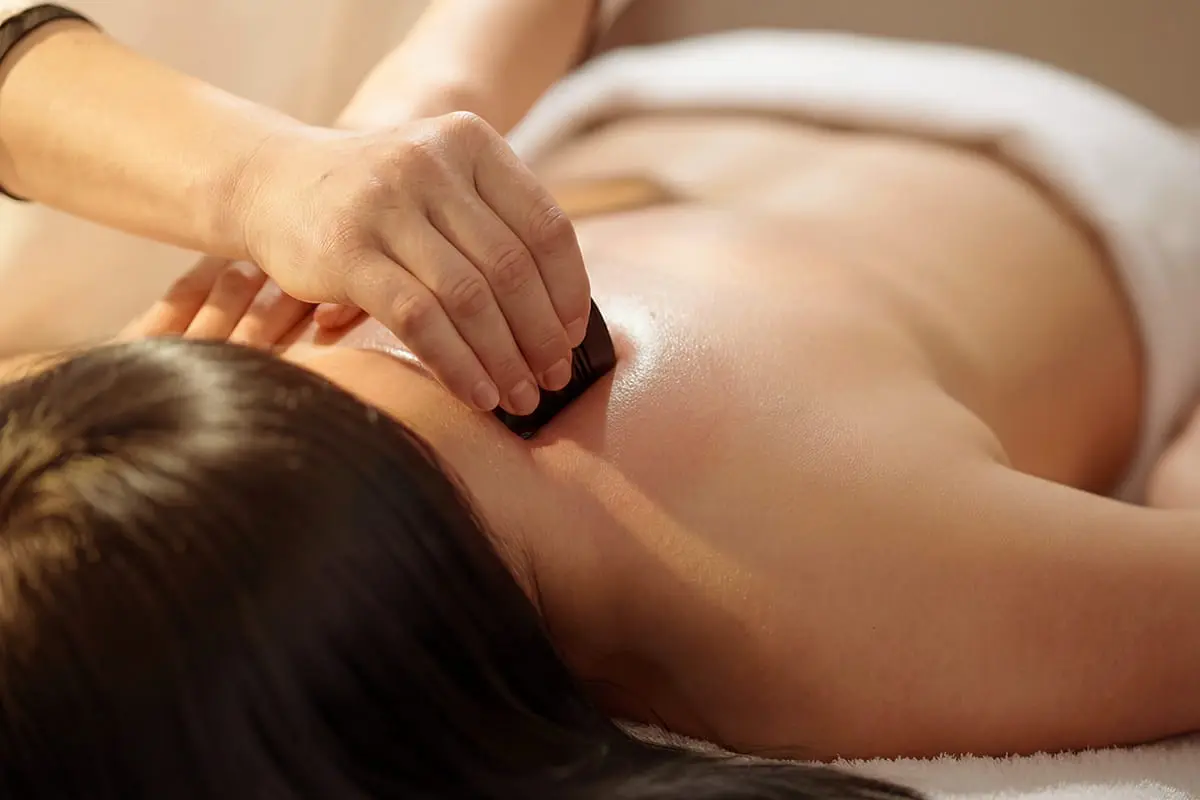
Physician-led scraping therapy (刮痧) after a full TCM consultation, explained in both TCM and clinical terms.
In brief
Gua sha (刮痧), or scraping therapy, uses a smooth-edged tool to press-stroke the skin after physician consultation, raising intentional petechiae called sha. In TCM this helps move stagnant qi and blood that show up as tight muscle and stuck ache. From $40 per area across our Singapore clinics.
What it is
A smooth-edged instrument is drawn over lubricated skin along channels (meridians) and tension areas to support comfort, circulation, and ease, always after a physician consultation and TCM pattern diagnosis.
In Chinese medicine, blockages in qi and blood can feel like desk-stuck shoulders, a heavy back, or ache that does not shift with rest. Gua sha press-strokes the surface so stagnant areas can move again. The temporary redness is intentional sha, not an accidental bruise. At PULSE, MOH-registered physicians choose where and how firmly to scrape for your pattern, and can coordinate with physiotherapy and Allied Health when your plan needs both.
How gua sha works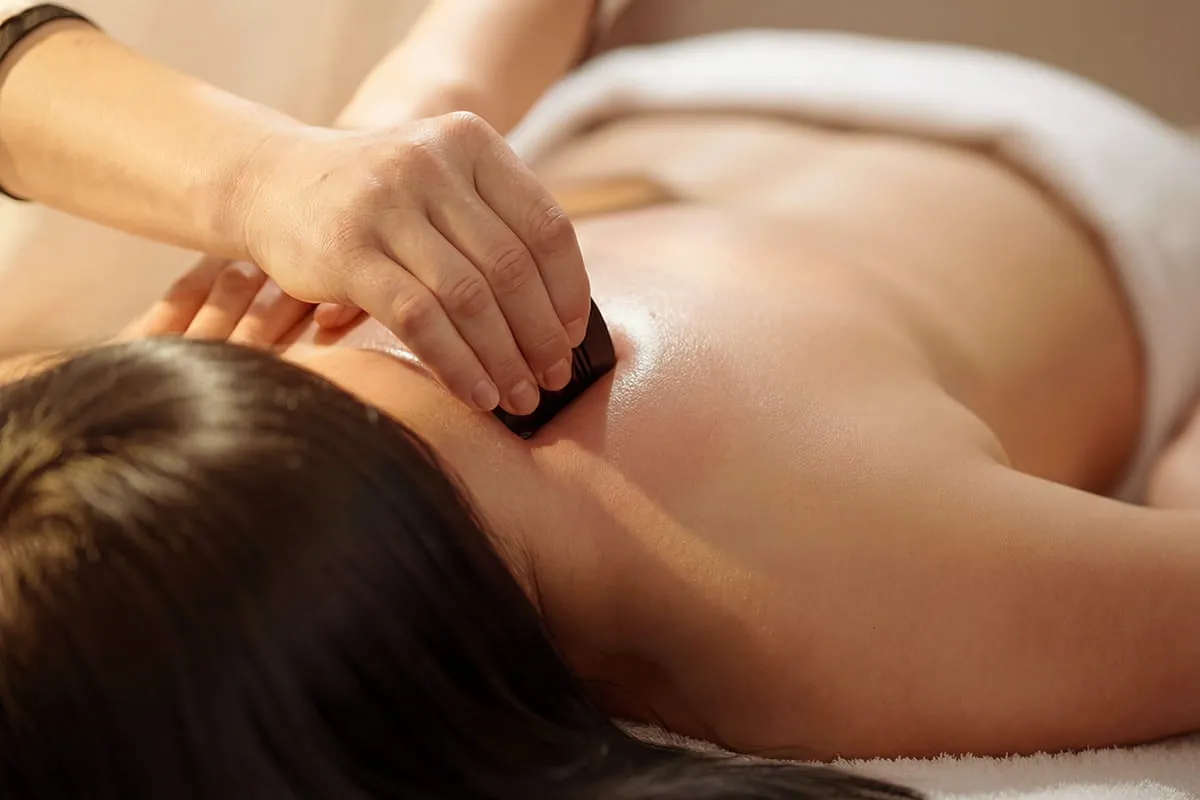
Common concerns
Gua sha often sits with acupuncture, cupping, or tuina. Physicians treat patterns, not only disease names. The concerns below are common in clinic and not exhaustive.
In TCM we often scrape for qi stagnation, blood stasis, and surface heat or cold holding in the channels: patterns that feel tight, stuck, or heavy. Your physician will name the pattern in plain language so care stays specific to you.
* Headache and respiratory support are adjunctive under physician guidance. Red-flag emergencies need Western medical care first.
Pathways
Pain and injury are the usual entry points. Use a programme pathway when you want care framed around a goal, not only a single technique.
Common start






How we use it
Physician-led body scraping after consultation. It can be the focus of a visit, or sit beside other techniques when your pattern needs more.
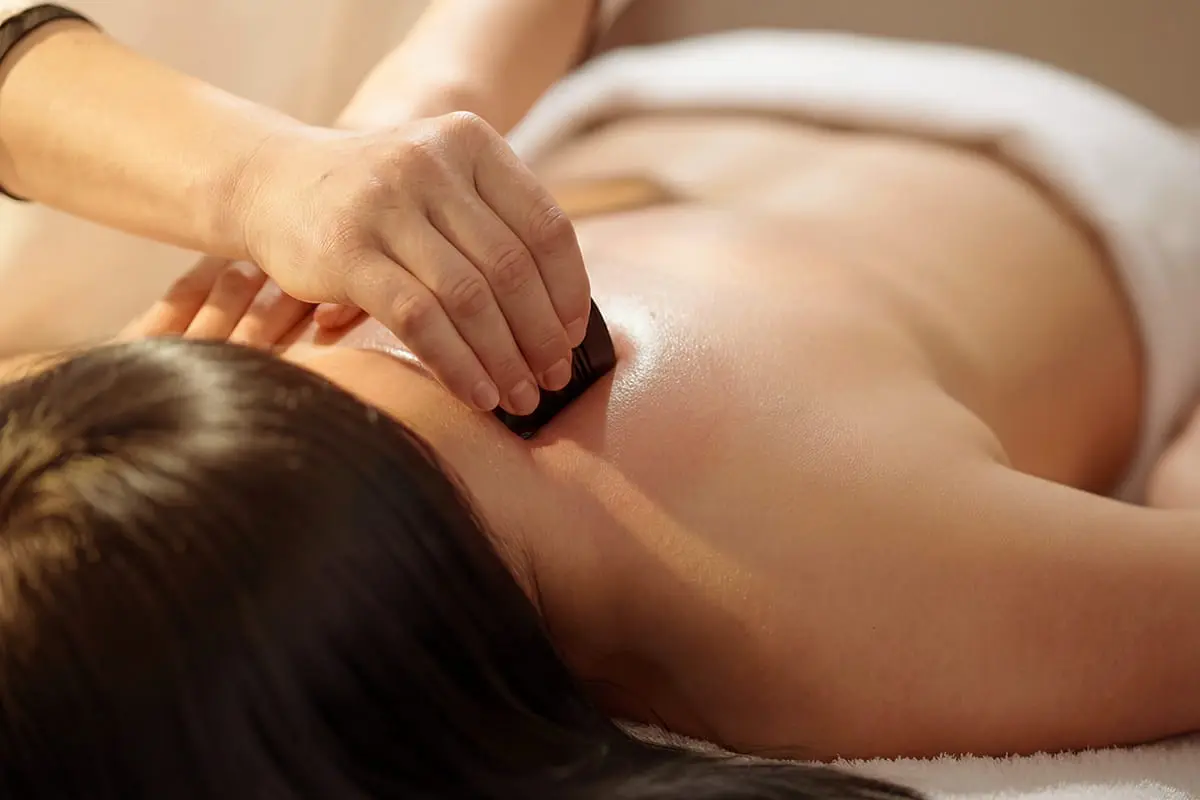
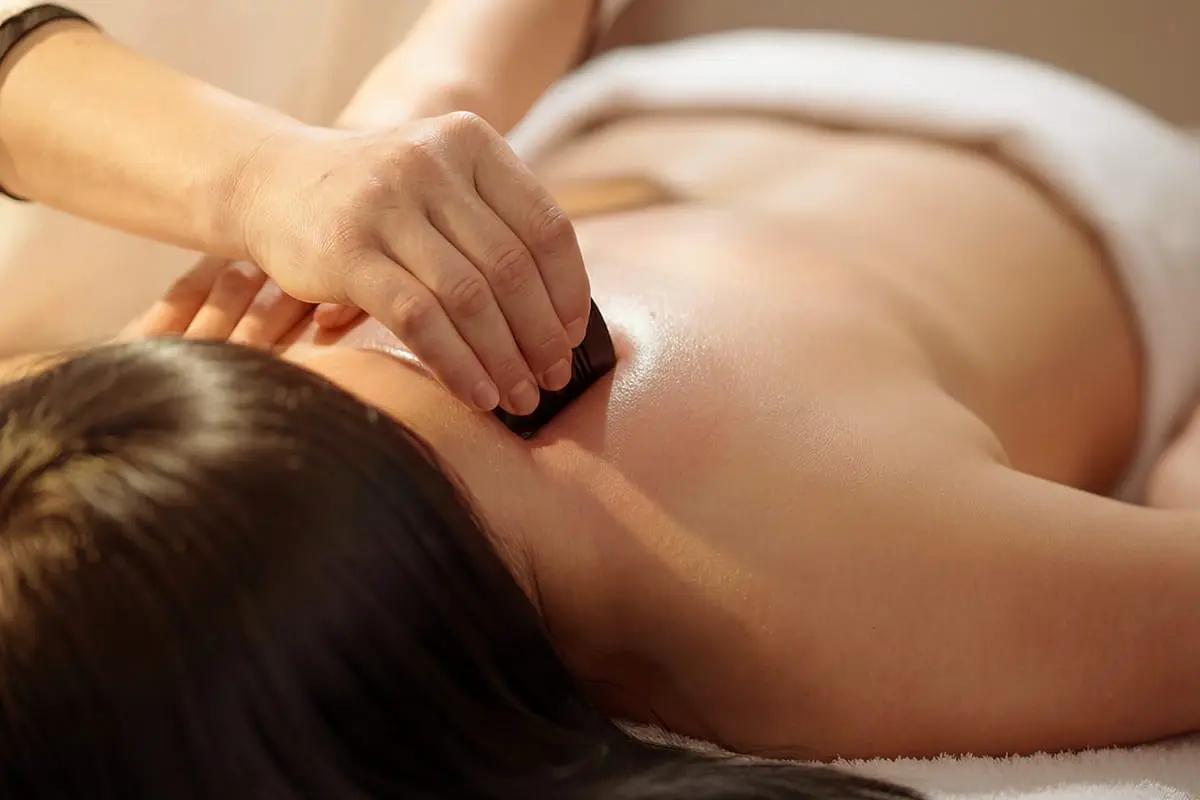
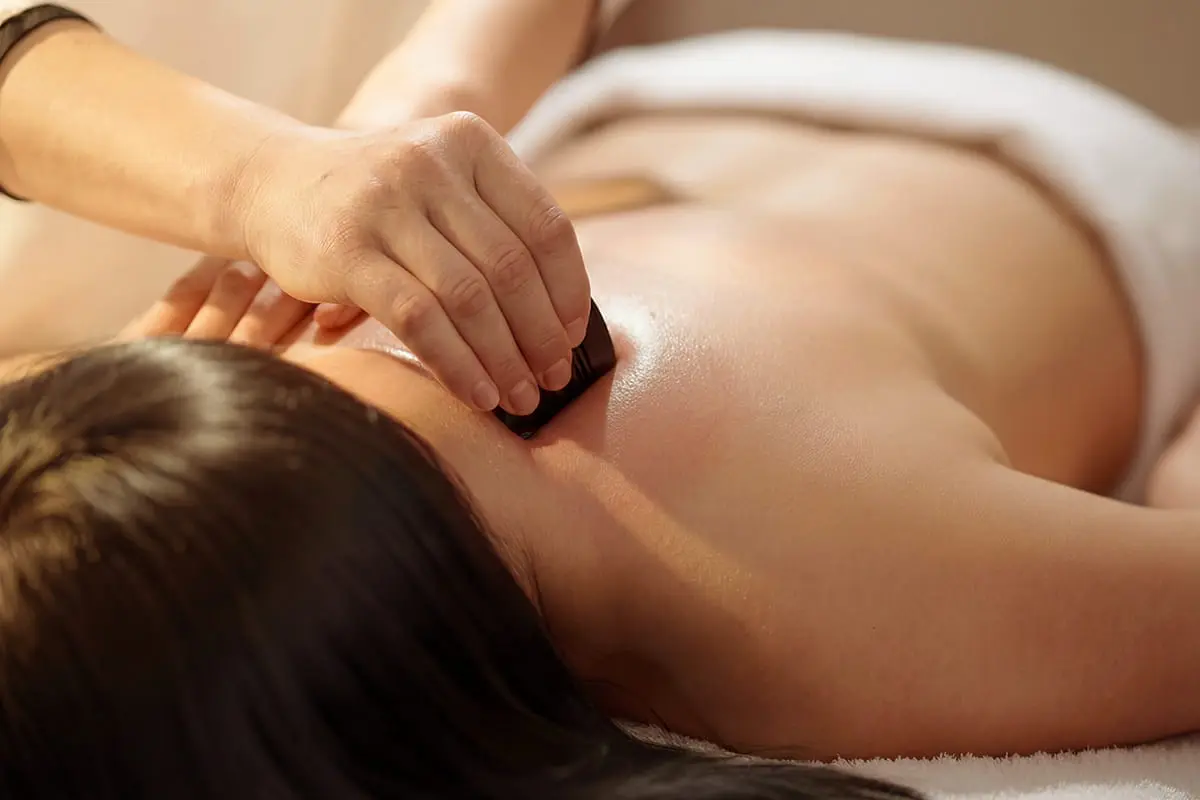
A smooth-edged tool press-strokes lubricated skin on the back, neck, shoulders, or limbs. The goal is intentional sha: temporary petechiae that show stagnation is being addressed, with pressure matched to your comfort.
Scraping often sits with cupping or acupuncture in the same plan when suction or needles fit the reading better than scraping alone.
Cupping therapyScraping is firm, not sharp. Say if pressure feels too strong so we can ease off. Facial gua sha is not our main clinic offering. Ask in consultation if you have a specific facial question.
After scraping
Most people feel a deep warmth or release in the scraped area. Mild tenderness is common; sharp pain or broken skin is not.
Comfort & safety
Temporary red or purple petechiae (sha) are intentional clinical marks, not bruises from injury. Shade and density can offer the physician extra clues alongside pulse, tongue, and history. Gua sha should feel firm, not sharp or harmful.
TCMPB-registered under MOH. English and Mandarin care across the network.
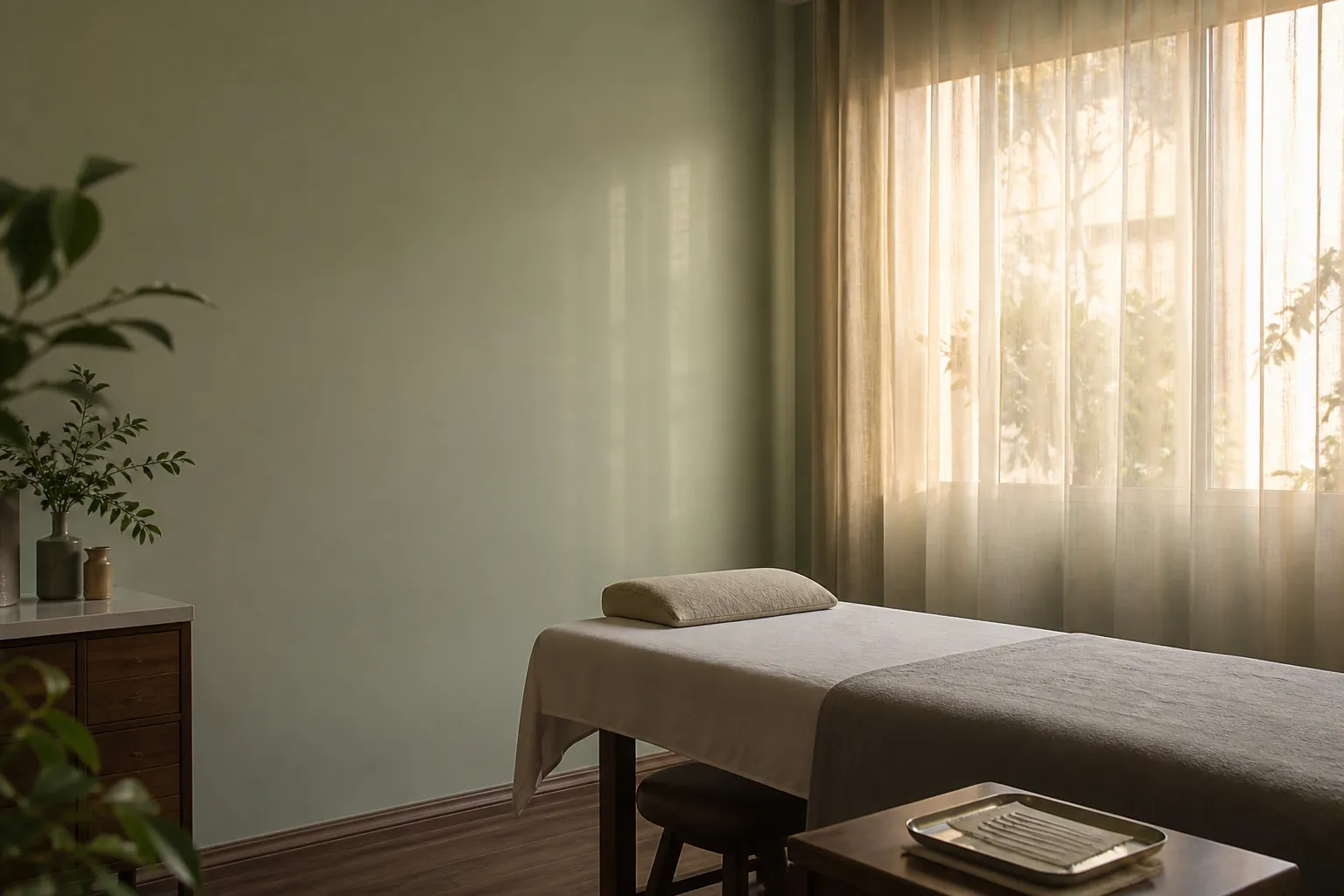
Calm private rooms with hygiene protocols you can ask about on the day.
Pulse and tongue reading shape where to scrape, how firm, and whether cupping or needles belong too.
Clear starting price per area; coordination with Heartland Rehab and PULSE Allied Health when recovery needs both.
How it works
Classical TCM framing and what clinic practice describes physiologically, side by side, with a short evidence sketch below.
A TCM perspective
Chinese medicine describes qi and blood moving through channels (meridians). When an area is blocked, stagnation can show up as pain, stiffness, or heat holding at the surface. Gua sha press-strokes those pathways to move stagnation. The coloured marks (sha) are a clinical sign that congested areas are being addressed, not a cosmetic goal.
A clinical perspective
Controlled scraping increases local blood flow and raises small petechiae under the skin. Many people feel a deep release in tight fascia and muscle. Mark colour and density can reflect how congested an area felt, which physicians may note alongside pulse, tongue, and history.
A plain summary of selected trials, not a promise of outcome for every person.
Related modalities
Both can address surface stagnation. Your physician chooses after reading the pattern. This is orientation, not a contest.
Broad muscle sheets need press-strokes and intentional sha marks, often on the back, neck, or shoulders, with oil and a smooth-edged tool.
Suction cups suit the region better for lifting and local circulation, or when wet cupping is indicated after assessment.
Your visit
Consultation first. Scraping only when it fits your plan.
Share history, goals, medications, bleeding concerns, and skin conditions. First visits usually take 45–60 minutes.
Pulse and tongue diagnosis guide where to scrape, how firm, and whether cupping or acupuncture belongs in the same visit.
Oil is applied, then controlled strokes with a smooth-edged tool until therapeutic sha appears. Strength is adjusted for comfort.
Hydrate well. Prefer warm drinks. Avoid cold wind and cold showers for a few hours while pores feel open. Let marks fade before another intensive scraping session unless advised otherwise.
Physicians
TCMPB-registered under MOH. Bilingual teams across the network.
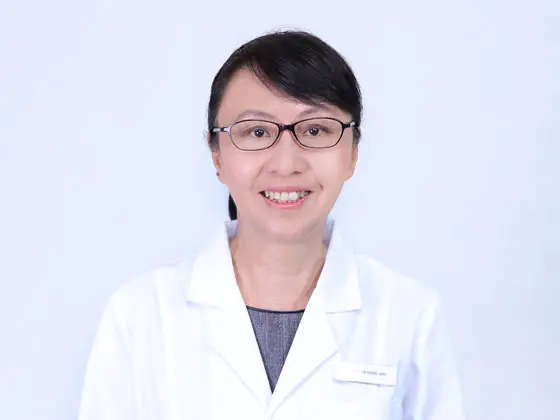
Advisor / Consultant Physician
Gastrointestinal Syndromes · Pain Management · Sleep / Fatigue
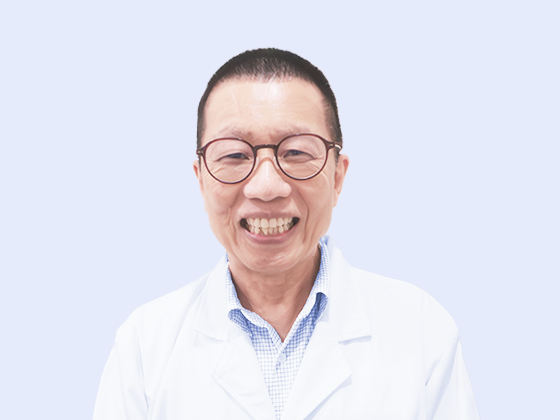
Consultant Physician
TCM Oncology · Pain Management · Gynecology
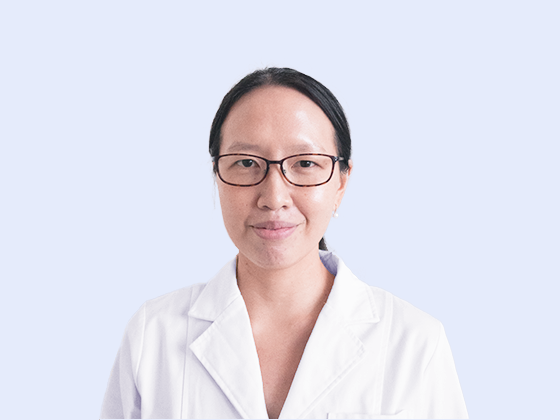
TCM Physician
Pain Management · Sports Injuries · Gynaecology
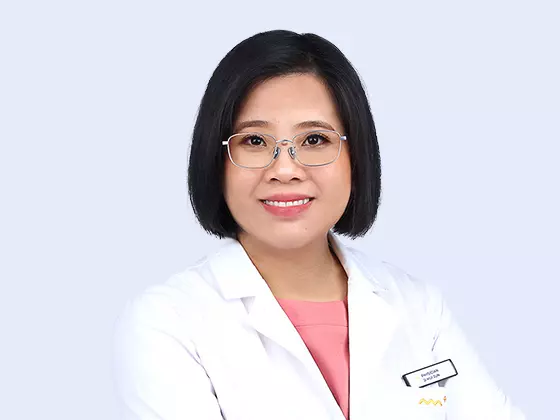
TCM Physician
Gynaecological Issues · Women’s Health · Digestive Issues
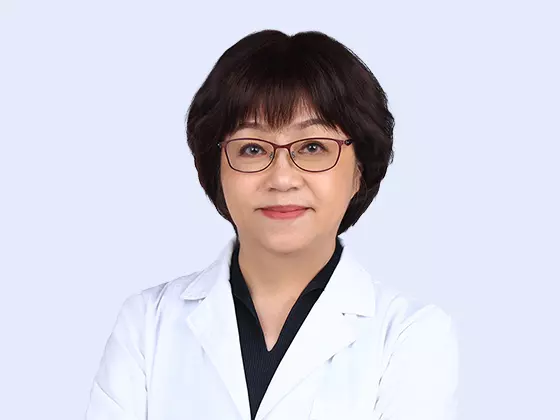
TCM Physician
Pain & Injury · Dry eye · Internal Medicine
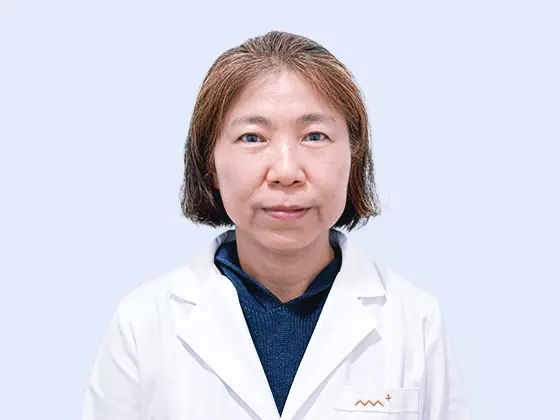
TCM Physician
Eye Conditions · Internal Medicine · Pain Management

TCM Physician
Gastrointestinal · Internal Medicine · Pain Management

TCM Physician
Internal Medicine · Pain & Injury · Aesthetic Care
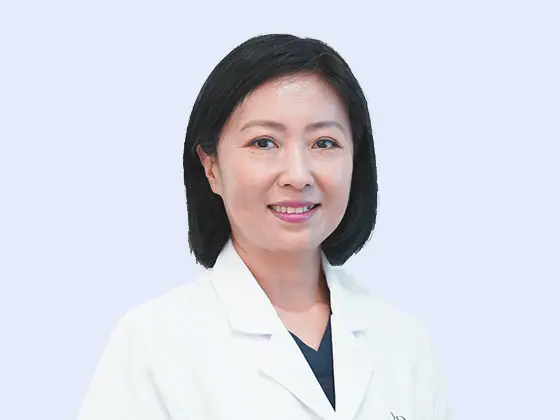
TCM Physician
Facial Beauty Acupuncture · Facial Nerve · Cosmetology
Surface holding often needs scraping as much as needles. I raise sha where the pattern sits, then pace the plan so tightness eases without forcing the tissue faster than it can settle.
As a biomedical scientist and TCM practitioner, I look at sha through both lenses: stagnation clearing in clinic language, and intentional petechiae with local microcirculation in physiological terms.
Charges
Indicated price is for gua sha (scraping) per area. Not inclusive of GST or a TCM consultation (from $40). Your physician confirms the recommended plan after assessing your condition.
Full charges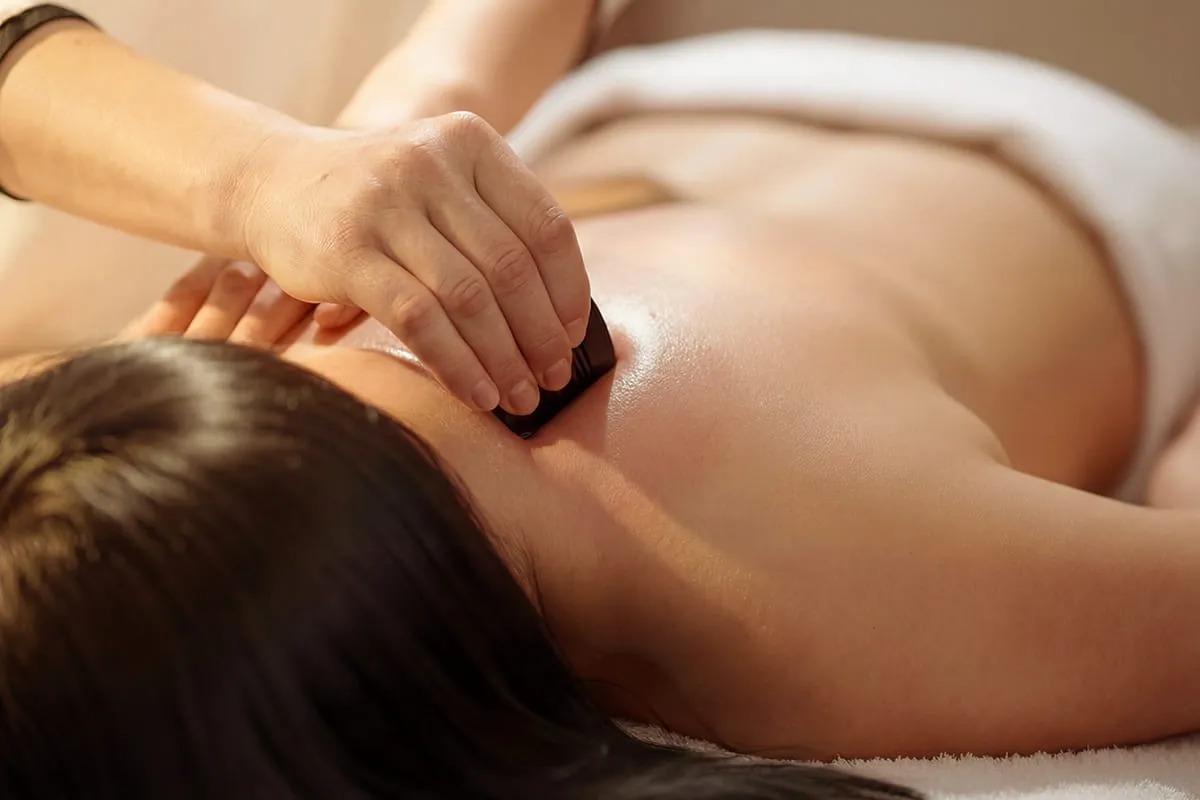
Locations
Private treatment rooms islandwide, near MRT, with bilingual teams and consistent hygiene standards.
FAQs
Sensation, marks, aftercare, suitability, and how pricing works.
Gua sha (刮痧) is a TCM technique that uses a smooth-edged tool to press-stroke lubricated skin after diagnosis. The goal is to move stagnant qi and blood and raise intentional petechiae called sha. At PULSE it is physician-led therapeutic body work, not a spa facial menu.
Sha marks are intentional petechiae from small vessels under the skin. In TCM they often relate to stagnation being addressed. Colour can range from light red to deeper purple depending on the area and pattern. Marks are usually not painful and typically fade within a few days to a week.
Most people feel a firm scraping sensation and mild next-day soreness, not sharp pain. Intensity is adjusted to your comfort. Tell your physician if anything feels too strong.
Often 3 to 7 days, though this varies with circulation, skin type, and how congested the area was. Marks that worsen with severe pain, swelling, or signs of infection need prompt medical review.
Drink warm fluids. Avoid cold showers and cold drafts for a few hours. Give the skin time to settle before another intensive scraping session unless your physician advises otherwise.
Cupping uses suction cups; gua sha uses press-stroke scraping. Both may address stagnation and leave temporary marks, but the feel and mark pattern differ. Your physician may use one or both in the same plan. See our <a href="/treatments/cupping-therapy-ba-guan/">cupping therapy</a> page for ba guan detail.
Frequency depends on your pattern and how marks settle. Some people start more often for stubborn tension, then space sessions as the tissue eases. Your physician sets a plan rather than a fixed package promise.
People with bleeding disorders, open wounds or active skin infection in the area, or those on anticoagulants need physician review first. Pregnancy and certain skin conditions also require individual advice.
Our clinic focus is therapeutic body gua sha after consultation. Facial or cosmetic scraping is a gentler technique used elsewhere for skin goals; ask your physician if you have a specific facial question rather than expecting a spa facial package here.
Gua sha starts from $40 per area. This does not include GST or a TCM consultation (from $40). Your physician will confirm the recommended plan during consultation.
Yes. Scraping often sits with acupuncture, cupping, or tuina, and can complement physiotherapy and Allied Health. Share current medications and treatments with your physician. At PULSE, care can be coordinated with Heartland Rehab and PULSE Allied Health when helpful.
Sources & page citations
Clinically reviewed
Advisor (Science & Strategy) / Consultant Physician · TCMPB T1303003A
MOH-licensed TCM physician and biomedical scientist, with clinical work in digestion, pain, and sleep or fatigue.
View full profileEducational information based on clinical experience, TCM principles, and published trials. Not a substitute for personalised consultation. Speak with your healthcare provider before starting new treatments. Gua sha complements (and does not replace) urgent or specialist Western medical care.
Book
Tell us what you need help with. We will match you with the right physician and clinic. Gua sha from $40 per area.