Pain, mobility & sport
- Neck & back pain
- Frozen shoulder
- Sciatica-related discomfort
- Joint stiffness
- Sports & desk tension

From $80 · MOH-registered
Physician-led TCM bodywork after a full consultation, explained in both TCM and clinical terms.
In brief
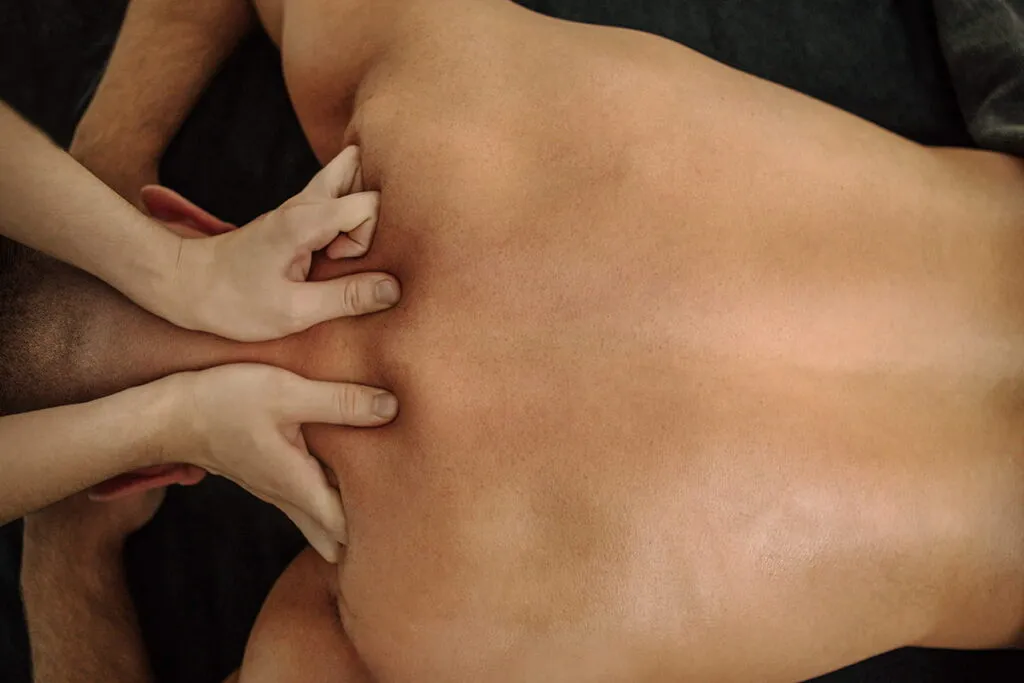
Tuina (tui na) at PULSE TCM is hands-on TCM bodywork on soft tissue, joints, and acupoints after a physician consultation. It is a medical treatment aimed at moving stagnant qi and easing pain, not a spa massage. Therapeutic adult Tuina is available across 15 Singapore clinics; for children see our Paediatric TCM page. From $80.
What it is
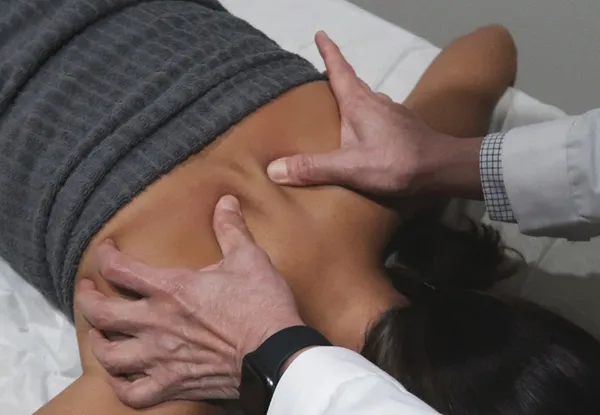
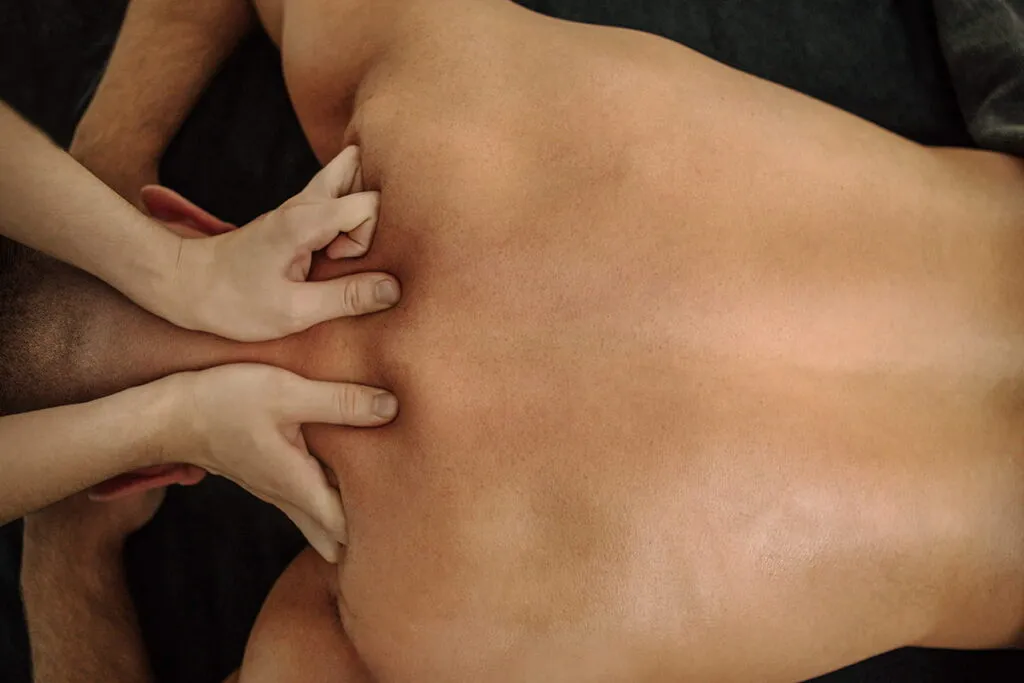
Tuina combines pushing, grasping, kneading, rolling, and pressing along the channels (meridians) and soft tissues to support comfort, mobility, and balance, always after physician consultation and TCM pattern diagnosis.
The name joins “tui” (to push) and “na” (to grasp). Unlike a spa massage that mainly soothes surface tension for relaxation, Tuina is a clinical treatment: practitioners work specific acupoints and tissues to ease blockages in qi (vital energy) and blood. At PULSE, MOH-registered physicians choose pressure and technique for your pattern, and can coordinate with physiotherapy and Allied Health when your plan needs both.
How Tuina works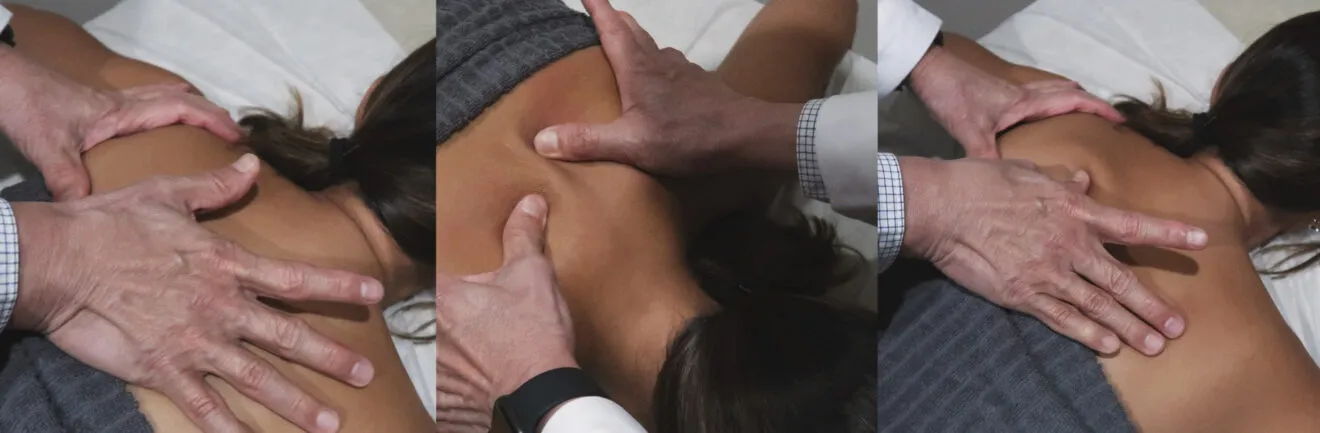


Coordinated with Heartland Rehab when Tuina and physiotherapy belong in the same recovery plan. Explore integrative care
Common concerns
Tuina often sits with acupuncture, cupping, or herbs. Physicians treat patterns, not only disease names. The concerns below are common in clinic and not exhaustive.
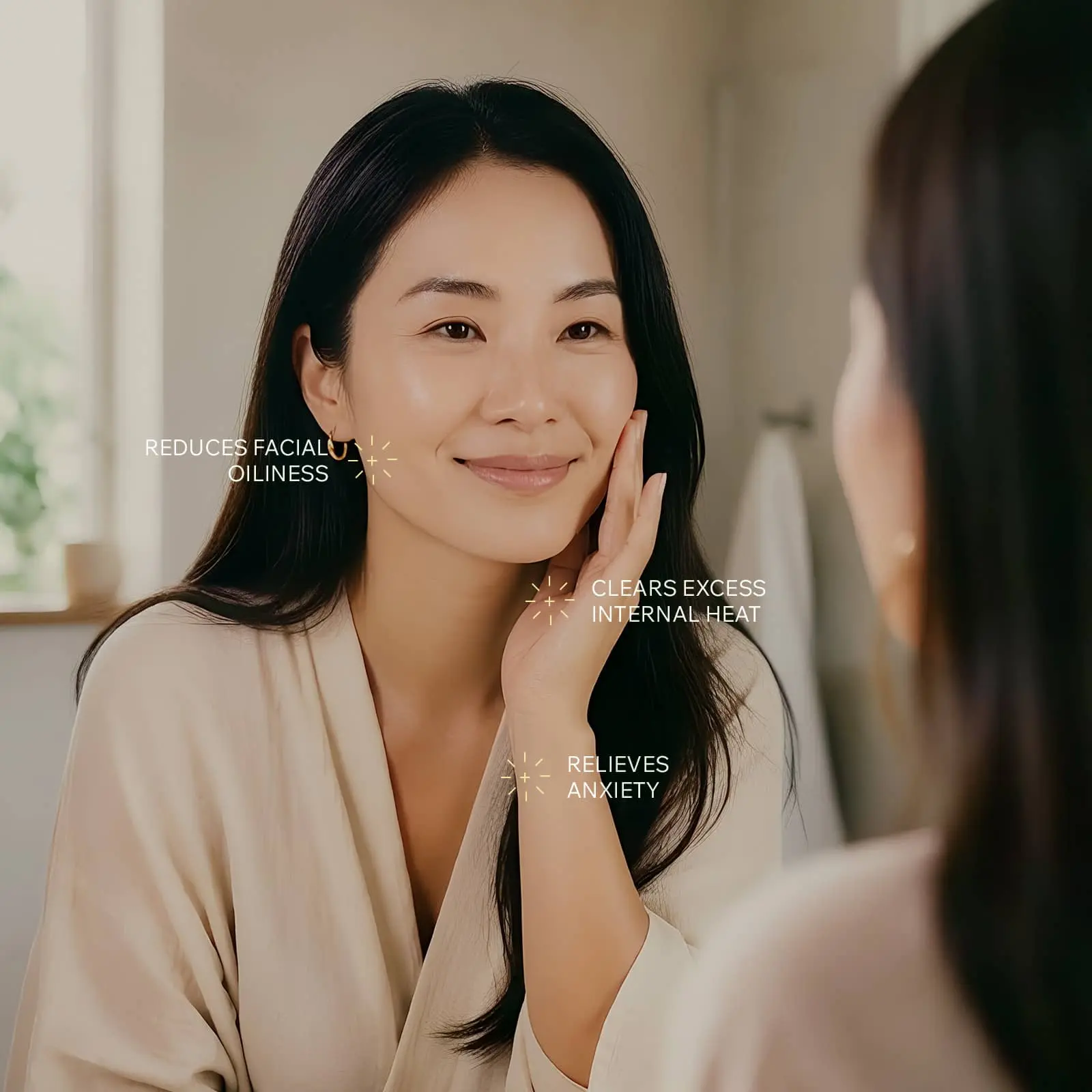
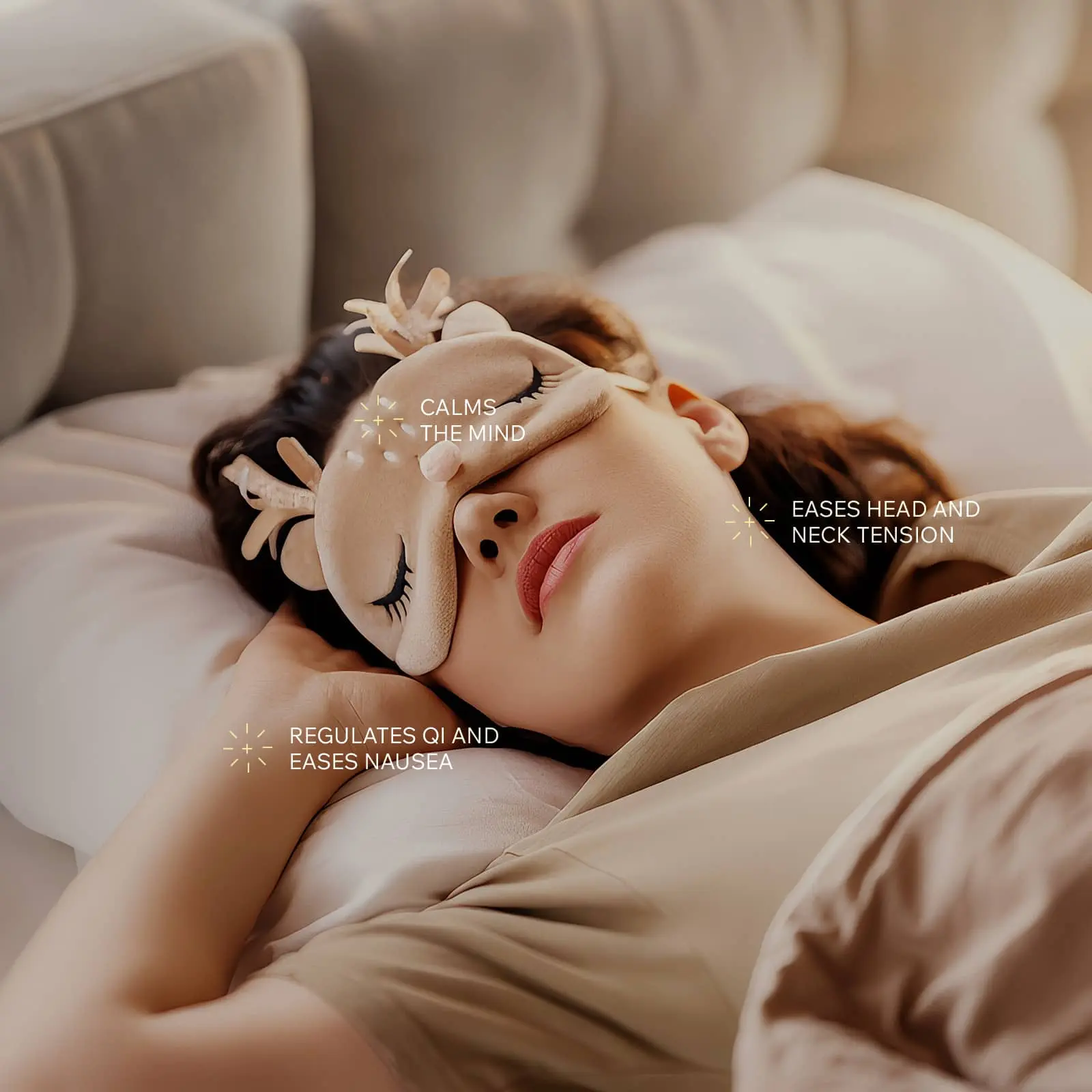
In TCM we often use Tuina for qi stagnation and blood stasis in the channels and soft tissue: patterns that feel tight, sore, or restricted. Your physician will name the pattern in plain language (and in TCM terms when useful) so care stays specific to you.
* Digestive and immunity support is pattern-based and adjunctive under physician guidance. Seek Western care first for acute medical emergencies.
Pathways
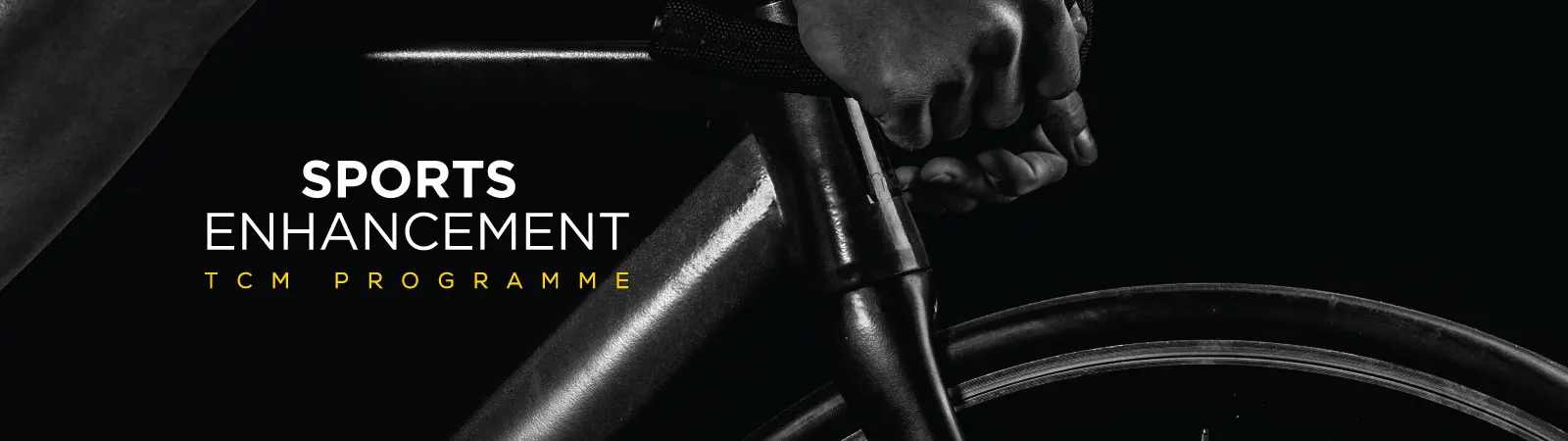
Pain is a common entry point. Use a programme pathway when you want care framed around a goal, not only a modality.
Common start



Modalities
Both share the same diagnostic groundwork. Your physician chooses adult therapeutic techniques or gentler paediatric strokes when they fit the person in front of them.
Structured TCM bodywork on soft tissue, joints, and acupoints for neck and back tension, frozen shoulder, sports recovery, and stress-related stiffness after consultation.
Gentler strokes for children (typically around 6 months to 7 years) as supportive care for appetite, mild cough, or digestive discomfort when clinically appropriate. See Paediatric TCM for conditions, age bands, herbs, and FAQs.
Therapeutic Tuina for adults uses firmer rolling, pressing, and joint work for musculoskeletal and stress-related patterns. For children, paediatric Tuina and related kids’ TCM care are covered in full on our Paediatric TCM page.
After Tuina
Mild soreness or a worked-muscle feel is common for a day or two, similar to after focused exercise. It should ease, not intensify into sharp pain.
Comfort & safety
You may feel a dull ache, soreness, or tingling in areas with deep tension. That “good pain” is common and pressure is adjusted to your comfort. Mild post-session soreness usually fades within 24–48 hours, similar to after a focused workout.
TCMPB-registered under MOH. English and Mandarin care across the network.
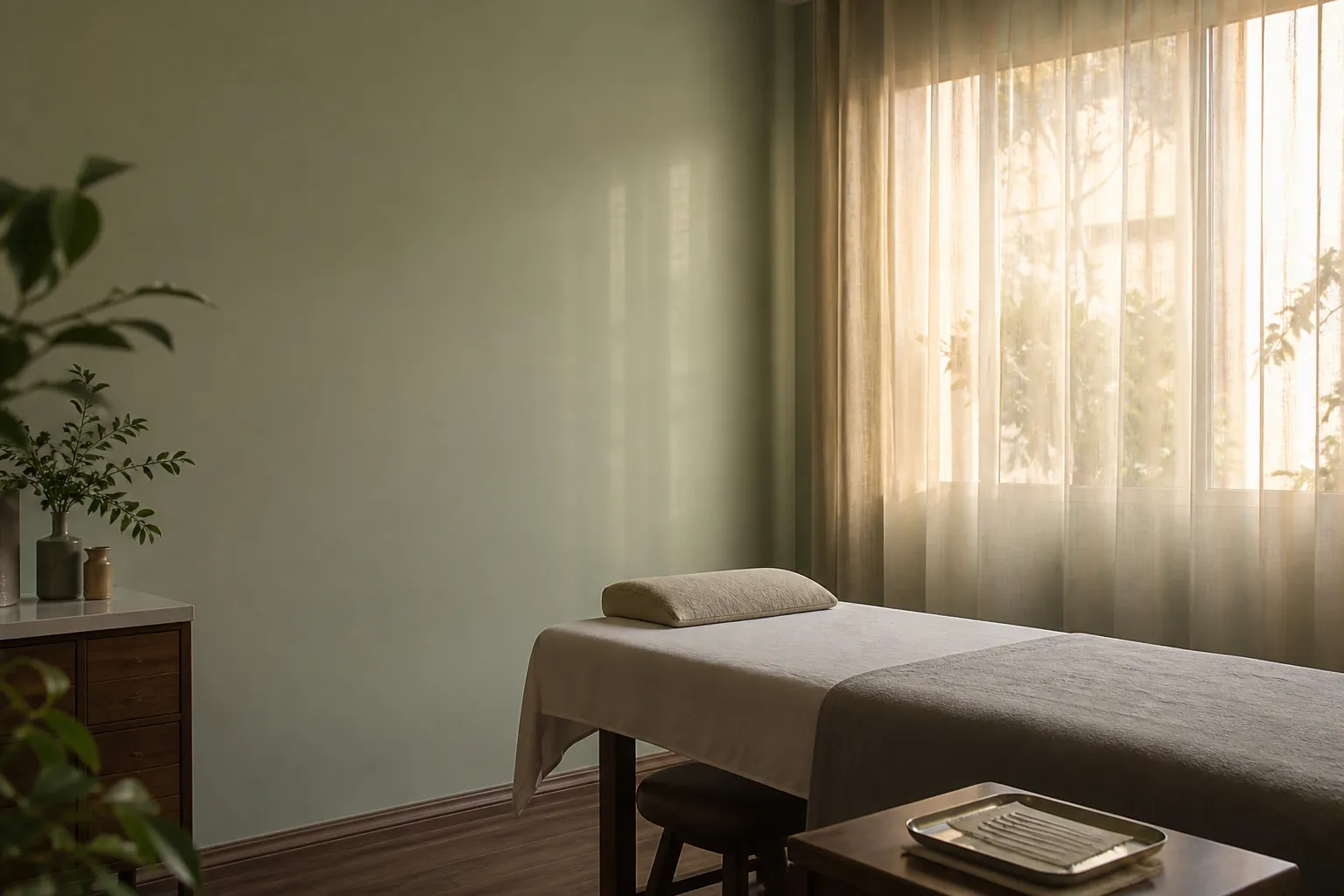
Calm private rooms with hygiene protocols you can ask about on the day.
Pulse and tongue reading shape where to work, how firm, and whether paediatric technique belongs.
Clear starting price; coordination with Heartland Rehab and PULSE Allied Health when recovery needs both.
How it works
Classical TCM framing and what clinic practice describes physiologically, side by side, with a short evidence sketch below.
A TCM perspective
Chinese medicine describes qi and blood moving through a network of channels (meridians). When an area is blocked, tightness, ache, or restricted movement can follow. Tuina uses push, grasp, roll, and press techniques on those pathways and tissues to move stagnation and support local balance.
A clinical perspective
Hands-on pressure and mobilisation increase local blood flow, ease guarded muscle, and can widen comfortable range of motion. Many people describe a dull “good pain” in held areas that settles as tissue softens, with pressure adjusted to comfort.
A plain summary, not a promise of outcome for every person.
Related modalities
Soft tissue and joint work often sit together. Your physician chooses after reading the pattern.
Muscle, fascia, and channel tension are the main holding pattern, and firm rolling or press techniques fit better than a primary joint adjust.
Joint alignment and Zheng Gu manipulation are the focus, with Tuina as an adjunct around the joint when useful.
Your visit
Consultation first. Tuina only when it fits your plan.
Share history, goals, medications, pregnancy status, and any injuries. First visits usually take 45–60 minutes.
Pulse and tongue diagnosis guide where to work, how firm, and whether paediatric technique belongs.
Hands-on work in a private room. Pressure can be adjusted; you may feel a dull ache in held areas that eases afterward.
Leave with clear next steps. Prefer warm drinks, ease off heavy exercise immediately after, and note any residual soreness that usually settles within 24–48 hours.
Physicians
TCMPB-registered under MOH. Bilingual teams across the network.
Tuina is not a spa add-on. I work the channels and soft tissue where the pattern sits, then pace pressure so mobility returns without forcing the body faster than it can settle.
As a biomedical scientist and TCM practitioner, I look at bodywork through both lenses: channel blockage in clinic language, and local tissue ease and nervous-system settling in physiological terms.
Patient stories
Charges
Indicated price is for Tuina therapy. Not inclusive of GST or a TCM consultation (from $40). Your physician confirms the recommended plan after assessing your condition.
Full charges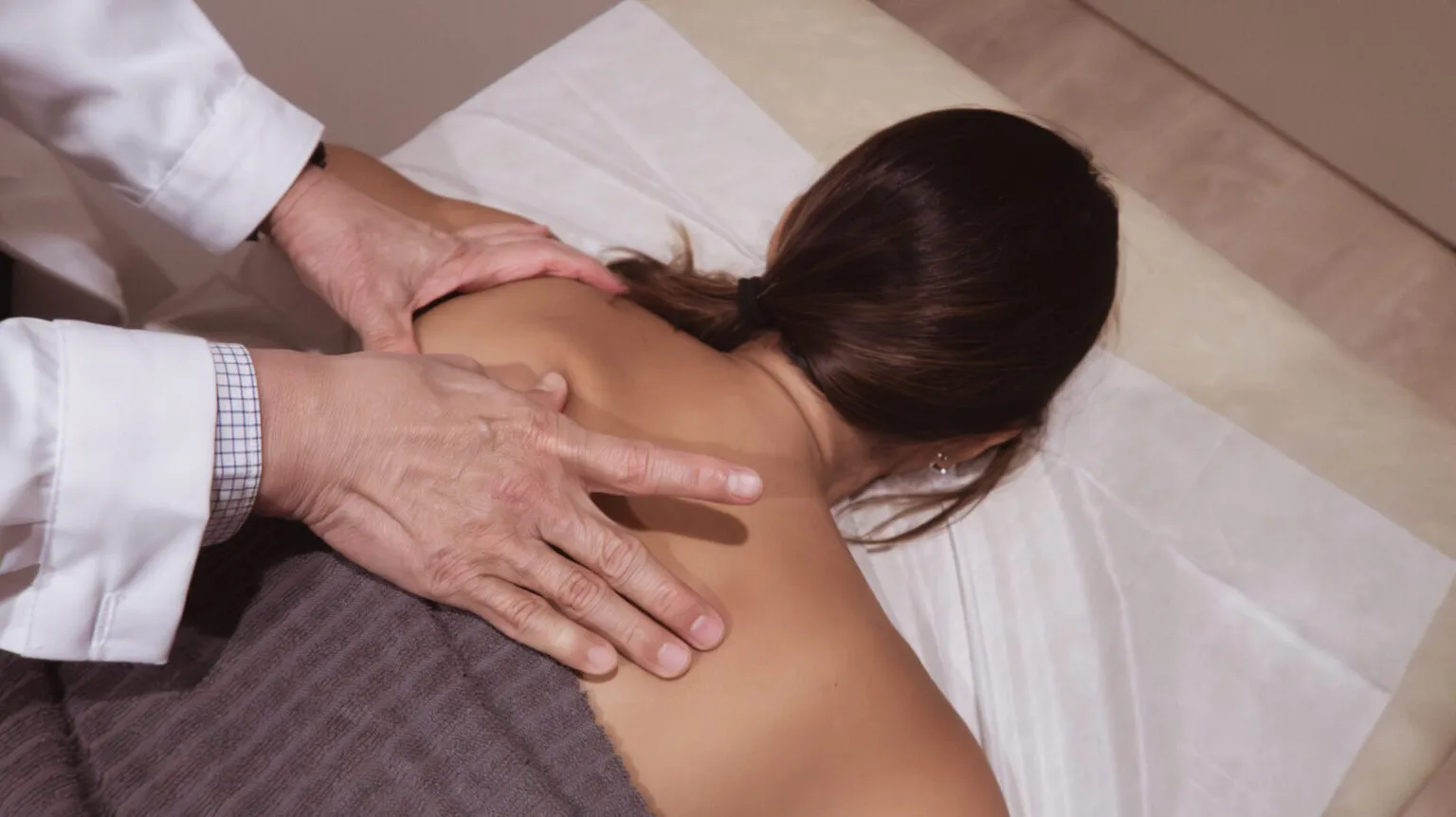
Locations
Private treatment rooms islandwide, near MRT, with bilingual teams and consistent hygiene standards.
FAQs
Sensation, paediatric care, sessions, suitability, and how pricing works.
Tuina (pronounced “twee-nah”) is therapeutic TCM bodywork. Unlike a spa massage that mainly relaxes surface tissue, Tuina targets soft tissue, acupoints, and channels (meridians) to support the flow of qi and blood and address the pattern behind pain or tension, not only temporary comfort.
You may feel a dull ache, soreness, or tingling in areas with deep muscular tension. It is often more vigorous than a relaxation massage, and our physicians adjust pressure to your comfort. Mild post-session soreness typically fades within 24 to 48 hours.
Yes. Paediatric Tuina uses gentler strokes suited to children (typically around 6 months to 7 years). For a full overview of kids’ TCM, including herbs, age bands, and common childhood patterns, see <a href="/treatments/paediatric-tcm/">Paediatric TCM</a>.
It depends on your condition. Recent or acute discomfort may settle over a few sessions. Longer-standing patterns often need a paced plan (for example once or twice a week over several visits). Your physician will outline a realistic course after consultation.
Temporary soreness, mild bruising, or fatigue can occur as tissue settles. Prefer warm drinks afterward and ease off heavy exercise immediately after the session unless your physician advises otherwise.
Tuina is not recommended with bone fractures or severe osteoporosis, open wounds or contagious skin infections, malignant tumours, or acute spinal cord compression. Pregnant patients should consult our physicians first, as certain acupoints are avoided during pregnancy.
No. Tuina is used for sports injuries and chronic pain, and also as preventive care for desk-related stiffness, stress-related tension, and sleep that suffers when the body stays braced.
Tuina starts from $80. This does not include GST or a TCM consultation (from $40). Your physician will confirm the recommended plan during consultation.
Sources & page citations
Clinically reviewed
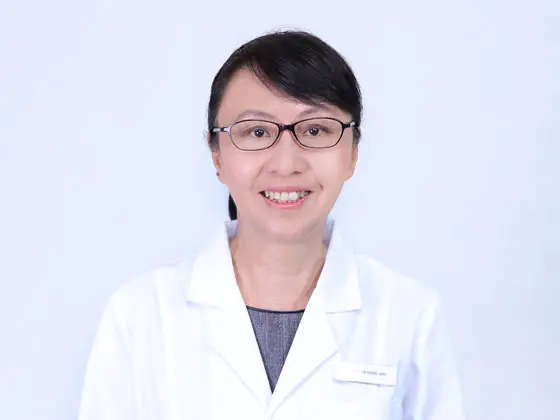
Advisor (Science & Strategy) / Consultant Physician · TCMPB T1303003A
MOH-licensed TCM physician and biomedical scientist, with clinical work in digestion, pain, and sleep or fatigue.
View full profileEducational information based on clinical experience and TCM principles. Not a substitute for personalised consultation. Speak with your healthcare provider before starting new treatments. Tuina complements (and does not replace) urgent or specialist Western medical care.
Book
Tell us what you need help with. We will match you with the right physician and clinic. Tuina from $80.