
Protein meal with fish, egg, tofu, and rice for cancer nutrition support

Insights · Cancer

Hidden truths about cancer nutrition

Prevention advice is not treatment nutrition. During cancer care, adequate calories and protein usually matter more than chasing “anti-cancer” supplements.

In brief

Nutrition for cancer prevention and nutrition during cancer treatment are different jobs. Fruit and vegetables help lower risk for some cancers; they do not cure disease once it is present. Complementary supplements often over-promise. Oral nutrition supplements are a separate, dietitian-guided option. During treatment, ESPEN-aligned care prioritises adequate calories and protein so the body can withstand therapy and rebuild tissue.

01 · Framing

Fear sells “anti-cancer” food claims

Cancer is frightening to think about. “Anti-cancer” has become a marketing byword, and people living with the disease will often try almost anything in the hope of improving recovery odds. That fear has fuelled false and exaggerated claims from companies that profit on anxiety about the disease.

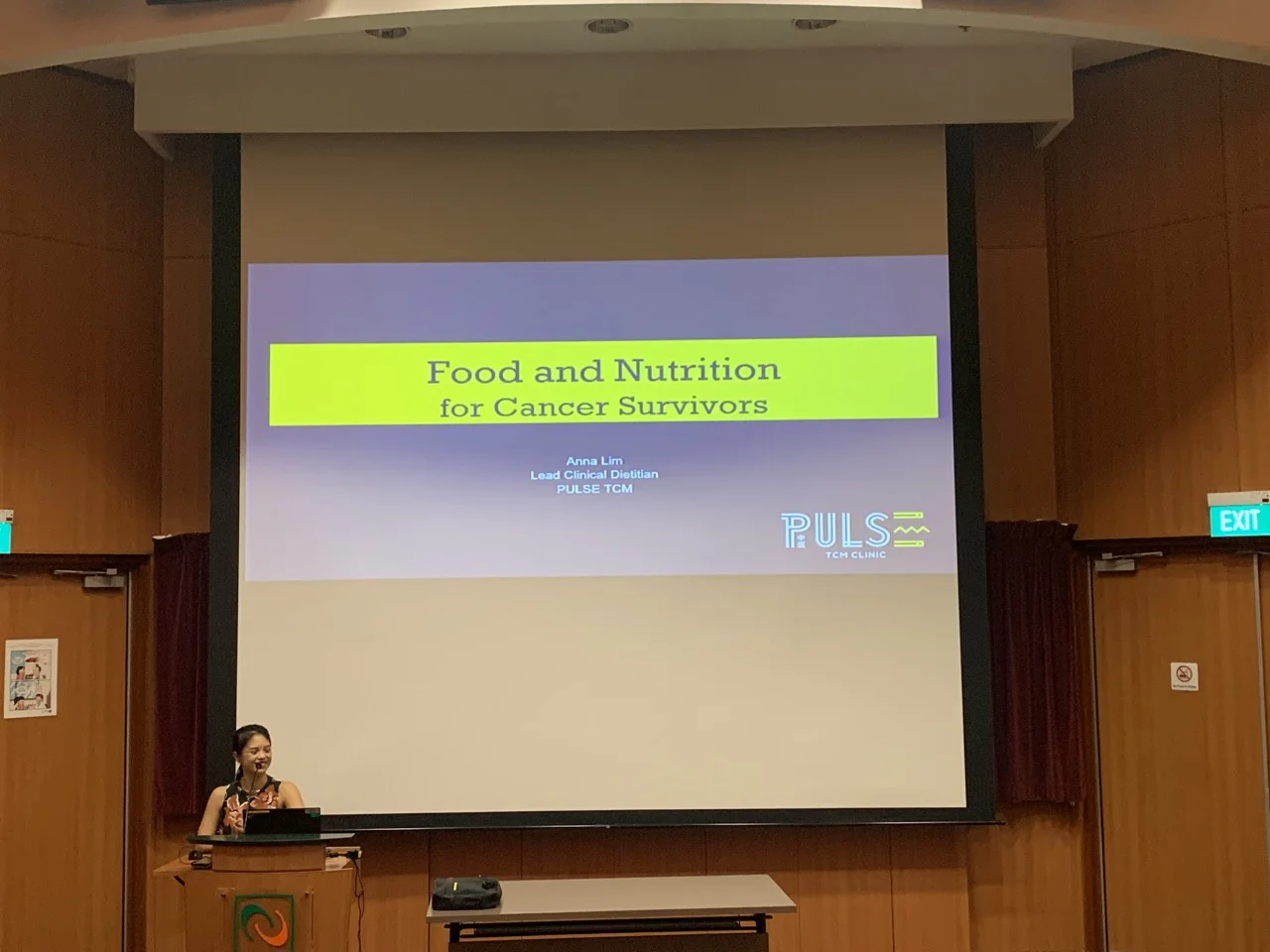
In the search for a single magical nutrient, few people get a clear view of nutrition priorities. Many over-restrict their diet. An estimated 20% of cancer deaths relate to malnutrition rather than the tumour alone.1 Lead Clinical Dietitian Anna Lim wrote this guide so cancer nutrition priorities stay grounded, and so marketing noise is easier to filter.

02 · Foundation

Prevention nutrition is not treatment nutrition

Nutrition for cancer prevention and nutrition for cancer treatment are different jobs. A common mistake is assuming the body needs the same things when it is well and when it is ill. The healthy or pre-cancer stage has different goals from the disease stage, when overall condition has changed sharply.

Cancer prevention nutrition versus disease-state nutrition
Prevention (healthy state) Disease state
State of health Good health, no major stress on the body
Nutrition goals Maintain good health and prevent disease
Timeframe Health goal spans the entire lifetime (years)
Most important point Balanced diet, moderate portions

The differences are stark. It is not fair to read “cancer-busting”, “fighting”, or “anti-cancer” advice and assume it will treat or cure cancer once disease has appeared. Most common online advice sits nearer the prevention stage. With disease and treatment, priorities change.

03 · Myth 1

Fruit and vegetables will not “fight” cancer

Most “anti-cancer” articles, tips, and supplements lean on antioxidants in fruit and vegetables. The popular claim is that they fight tumour formation and support immunity. Almost any food component can be sold the same way, often to push a product.

More fruit and vegetables in the diet has been shown to reduce cancer risk, especially for types such as colorectal cancer. That evidence is about prevention, not curing cancer. For people already in treatment, focus on macronutrients such as protein and overall adequate calories rather than chasing hundreds of lesser-impact micronutrients.

04 · Myth 2

Most complementary supplements are poor value

Here “supplements” means complementary vitamin, mineral, or herbal products. Oral nutrition supplements (ONS) are a different medical category: complete nutrition products that may belong in a plan when a dietitian guides their use. ONS is not a shop product to add on a whim.

  • Oncology nutrition is a large market (about USD 2.2 billion in 2023 estimates), and the wider US supplements market is far larger still.23 Those figures are market context, not clinical proof of benefit; they are a reason to read claims critically.
  • Absorption: products may not absorb as assumed, or may break down in digestion. Enzyme supplements are a common example; enzymes are proteins and are broken into pieces during digestion, so dramatic systemic effects are unreliable.
  • Neglected macros: focusing on one micronutrient can crowd out protein and calories, which are the better-researched nutrition factors for outcomes in cancer care.
  • Lab versus body: effects shown in the lab may never reach a useful concentration amid normal human metabolism.
  • Dose: the amount needed for a claimed effect is often more than a person can take, and concentrated doses can disturb other metabolic functions.
  • Supplements may sit on top of an already adequate diet. During cancer care, if attention goes to one nutrient class, make it the most impactful ones: calories and protein.

Hand holding assorted supplement capsules during cancer nutrition decisions
Salmon, eggs, dairy, and other protein foods for cancer nutrition support

05 · Priority

The most impactful nutrition: calories and protein

Popular “anti-cancer” routes are often weak levers. The highest-impact nutrition usually already sits in ordinary food, without special products. ESPEN clinical nutrition guidance in cancer centres adequate protein and energy.4

Protein

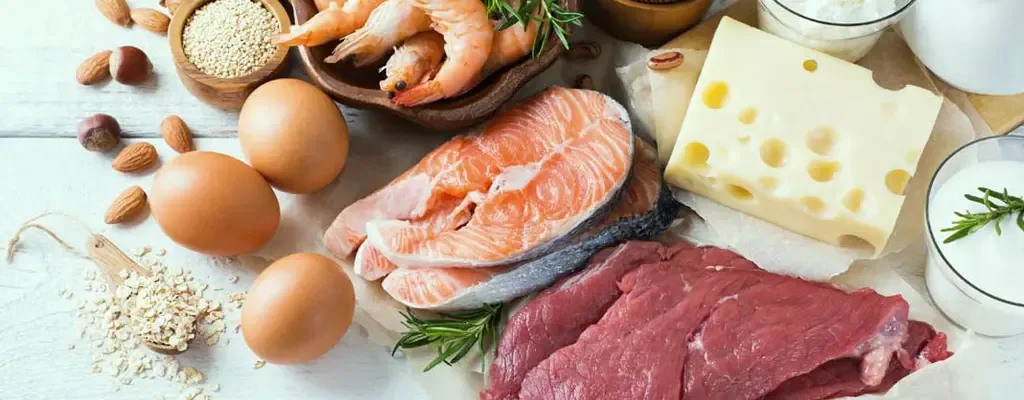
All body tissues contain protein and need it for maintenance. That becomes even more important during cancer care. Adequate protein helps maintain the immune system and reduce other infections, support recovery and shorter hospital stays, and preserve muscle so walking, dressing, and eating independently stay possible.

Protein is among the most researched nutrition recommendations for people with cancer, yet many people do not know how much they need. Requirements differ person to person. The table below is a worked example of how needs rise once disease sets in. It is illustration, not a personal prescription.

Example protein needs for a 50 kg person (illustration only)
Requirement Daily example
Healthy, disease-free (50 kg)Maintain healthy tissue About 1 g per kg per day
Cancer care (50 kg)Rebuild tissue lost to surgery, chemo or radiotherapy, and higher disease metabolism About 1.2–1.5 g per kg per day

This is why many people need to eat more, not less, when they are ill. There is no good evidence for restriction diets in cancer, especially not for cutting high-protein foods.4

In a Singapore day, protein often shows up as eggs or soft tofu at breakfast, fish, chicken, lean pork, or beans at meals, Greek-style yogurt or fortified milk between meals, and nuts when chewing is easy. When food alone cannot cover needs, a dietitian may guide oral nutrition supplements. Amounts still depend on your plan.

Calories

Calories come from carbohydrate, protein, and fat (the macronutrients). Adequate calories also support muscle, tissue, and overall strength. Carbohydrates are often blamed for “feeding cancer” or causing weight gain. Restriction for those reasons is not supported; standard carbohydrate portions usually remain appropriate.

Cancer cells use sugar from digested carbohydrate, and so do healthy cells. Cutting carbohydrate portions can deprive the body of up to about half of its required energy. Fat (solid) and oil (liquid) are often the simplest way to raise calorie intake: they are energy-dense and can be added to many dishes. People who need to watch cholesterol can prefer unsaturated oils such as canola, peanut, olive, or sunflower oil; calorie yield is similar across oil types.

06 · Next step

Top tips

Cancer nutrition is individual. Different cancers take different paths, and each person brings a different background, food preferences, and requirements. Potential interactions with medicines and other conditions matter more than generic online lists.

The most common self-directed nutrition efforts often work against the patient. To optimise nutrition, see a dietitian experienced in cancer management. At PULSE, that path is Medical Nutrition Therapy.

Ready for a dietitian plan?

Share your treatment stage and what you can currently eat. We will set calorie and protein priorities and decide whether oral nutrition supplements belong under guidance.

Dr Sim Beng Joo

Clinically reviewed

Reviewed by Sim Beng Joo

Advisor (Science & Strategy) / Consultant Physician · TCMPB T1303003A

MOH-licensed TCM physician and biomedical scientist. Reviews clinical content across digestion, metabolic health, and allied nutrition topics that sit beside physician care.

View full profile

Educational information based on clinical dietetics experience and published oncology nutrition guidance. Not a substitute for personalised consultation with your oncology team, a registered dietitian, or other specialist care. Food and supplements do not cure cancer and do not replace surgery, chemotherapy, radiotherapy, immunotherapy, or other conventional treatments. Speak with your care team before changing diet or starting supplements, especially with other medicines or chronic conditions. Seek urgent care for acute symptoms, fever, bleeding, or emergencies.

FAQs

Questions, answered

Prevention versus treatment nutrition, supplements, protein targets, and when a dietitian belongs in the plan.

Is cancer prevention nutrition the same as nutrition during cancer?

No. Prevention aims at lifelong balance and moderate portions while you are otherwise well. During disease and treatment, goals shift toward withstanding therapy and rebuilding tissue over months, with extra calories and protein as the foundation before other nutrients.

Do fruit and vegetables fight or cure cancer?

Extra fruit and vegetables help lower risk for some cancers, including colorectal cancer, in the prevention setting. They do not cure cancer once it is present. During treatment, focus on protein and overall calories rather than chasing single “anti-cancer” micronutrients.

Are supplements useful during cancer treatment?

Complementary vitamin, mineral, and herbal products often deliver far less than marketing claims because of poor absorption, neglected macros, lab-only evidence, or unrealistic doses. They may sit on top of an already adequate diet; they rarely replace calories and protein.

What is an oral nutrition supplement (ONS)?

Oral nutrition supplements are medical nutrition products designed as complete nutrition, not the same as over-the-counter “anti-cancer” capsules. A dietitian should guide whether and how to use them so they fit the rest of the eating plan.

How much protein do people with cancer often need?

Needs are individual. As a worked example for a 50 kg person, healthy maintenance is about 1 g per kg per day (about 50 g), while disease-state rebuild often sits nearer 1.2–1.5 g per kg (about 60–75 g). Use this as illustration only; an oncology-experienced dietitian sets your target.

Should carbs be restricted because they feed cancer?

ESPEN guidance does not support restriction diets in cancer for that reason. Cancer cells use glucose, and so do healthy cells. Cutting carbohydrate portions can remove a large share of required energy and usually does more harm than good unless your care team has a specific medical reason.

When should I see a dietitian for cancer nutrition?

When treatment has started or is planned, appetite or weight is falling, food feels confusing amid online advice, or other medicines and conditions complicate eating. Generic tips miss drug interactions and personal preferences. Medical Nutrition Therapy at PULSE is the dietitian path for that work.

How does this relate to TCM cancer care at PULSE?

This page is clinical dietetics: calories, protein, and supplement myths during cancer care. TCM oncology support (herbs, acupuncture, host resilience) is a separate complementary path led by physicians. Many people use both under their oncology team’s awareness; neither replaces specialist cancer treatment.

References

Selected sources

  1. Frontiers in Oncology. Malnutrition and cancer outcomes (cited estimate that about 20% of cancer deaths relate to malnutrition rather than the tumour alone). https://www.frontiersin.org/articles/10.3389/fonc.2021.682999/full
  2. Global Market Insights. Onco nutrition and supplements market analysis (oncology nutrition market size context, 2023; not a clinical efficacy claim). https://www.gminsights.com/industry-analysis/onco-nutrition-and-supplements-market
  3. CancerConnect. Dietary supplements and cancer: what you need to know (US supplements market and consumer caution context). https://news.cancerconnect.com/treatment-care/dietary-supplements-and-cancer-what-you-need-to-know
  4. Muscaritoli M, et al. ESPEN practical guideline: Clinical Nutrition in cancer. Clin Nutr. 2021. https://www.espen.org/files/ESPEN-Guidelines/ESPEN-practical-guideline-clinical-nutrition-in-cancer.pdf
  5. Original article author: Dietitian Anna Lim.

Next step

Want nutrition support that fits cancer care?

Bring your diagnosis stage, treatment plan, and what you can currently eat. A dietitian can set calorie and protein targets and decide whether oral nutrition supplements belong in your week.

Hours
Most clinics daily 11:00 AM – 8:00 PM
Care
Physician-led consultation