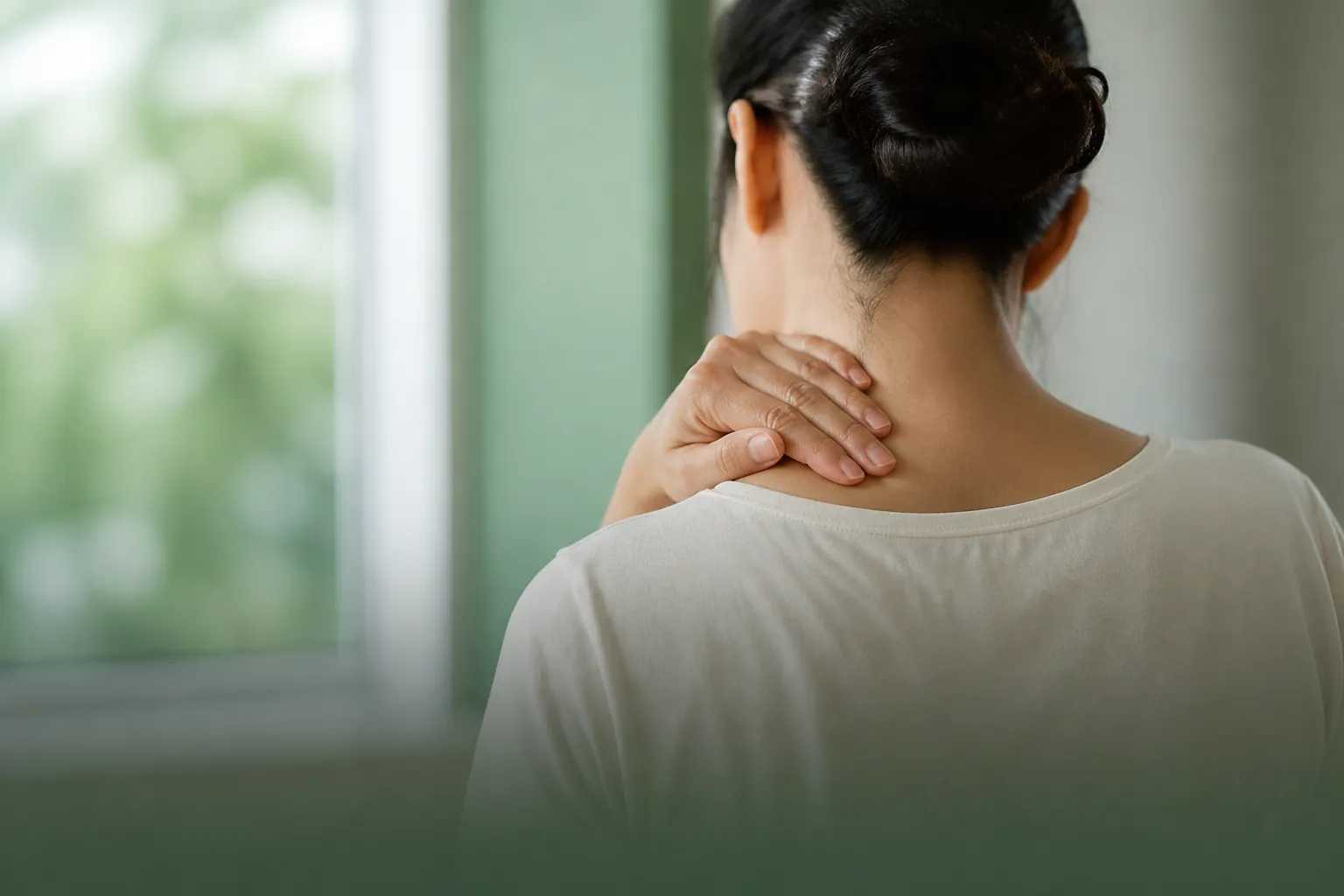
Hand holding the side of the neck where stiff neck pain sits

Insights · Pain & Injuries

TCM tips for a stiff neck (落枕)

Waking with neck pain and a neck that will not turn often means the muscles are locked up. Acupuncture, tuina, home points, and a better pillow height usually help.

In brief

Waking with neck pain and a neck that will not turn often reads as stiff neck (落枕). Phone, desk, and sleep posture often load the neck and shoulder muscles; TCM may also name wind-cold-damp in the local meridians. Clinic care may combine acupuncture, tuina, cupping, gua sha, and herbs. Keep the pillow about a fist high, keep the neck warm, and press Luo Zhen (落枕穴) or Hou Xi (后溪, SI3) on the hand.

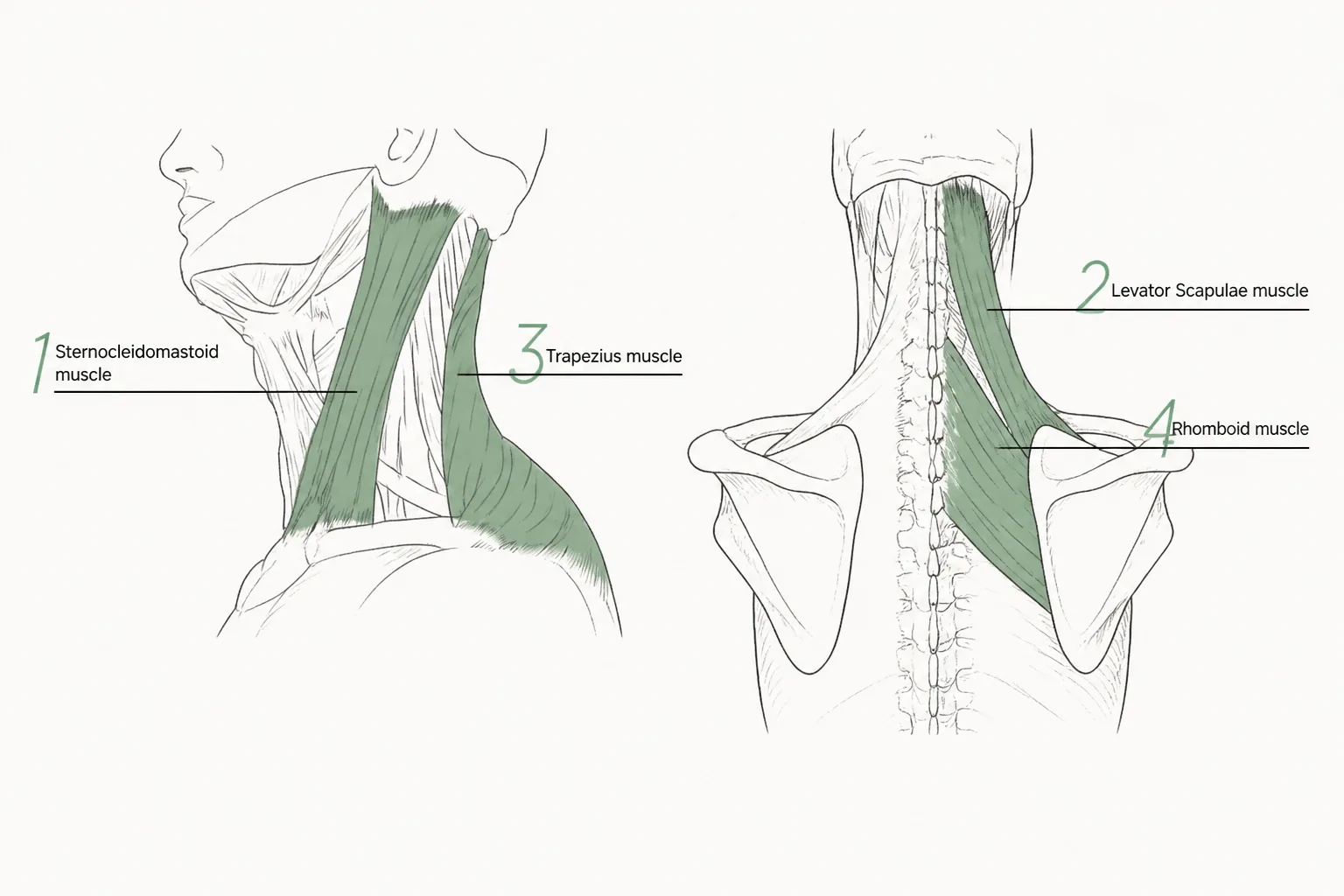
Diagram of sternocleidomastoid, levator scapulae, trapezius, and rhomboid muscles in a stiff neck

01 · Soft tissue

What sits in a stiff neck (落枕)

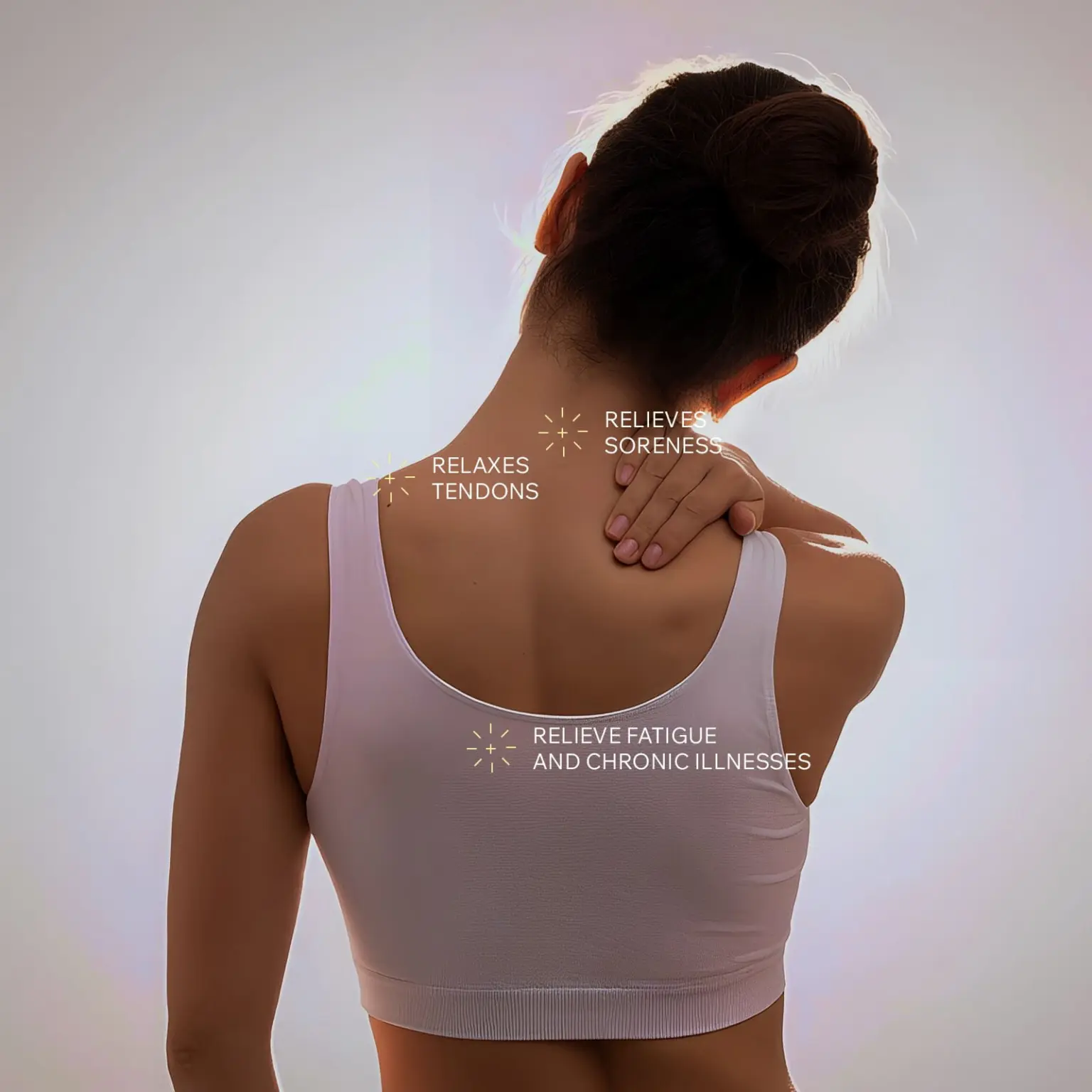
Morning pain and soreness in the neck or shoulder, with difficulty turning toward the stiff side, often sits in the neck and shoulder muscles. Headache or pain into the shoulder or arm can travel with it.

Muscles commonly involved in stiff neck
Muscle Where you feel it Typical tell
SternocleidomastoidSide of the neck, ear toward collarbone. Turning or tilting the head pulls on a tight band. One-sided morning lock after awkward sleep.
Levator scapulaeFrom the upper neck toward the inner shoulder blade. Phone and desk flexion load this strip. Pain when looking down or shrugging.
TrapeziusNape into the top of the shoulder. Carries stress and bag or laptop load. Cable-like shoulder tops with limited turn.
RhomboidBetween the shoulder blades and the spine. Slouch and rounded shoulders shorten the space. Aching between the blades with neck stiffness.
Person looking down at a phone on a commute, a common load for stiff neck

02 · Causes

Common causes of a stiff neck

Soft tissue around the neck and shoulder often weakens with prolonged wrong posture. Many people wake with stiffness that seems to appear out of nowhere.

Everyday loads that tip the neck into 落枕
Trigger What loads the neck Typical picture
Awkward sleepNeck held at an odd angle overnight. Pillow too high or too low, or a twisted turn in sleep. Sharp limit on turning first thing in the morning.
Phone on the commuteLooking down at a phone on the MRT or bus. Sustained flexion loads levator scapulae and trapezius. Nape ache after a long scroll while standing.
Desk or study slouchGazing at a screen in a rounded posture for hours. Forward head posture shortens the nape. Stiffness after a long laptop session.
Slouching on the sofaHunched on the sofa looking at a phone. Unsupported back and flexed neck share the load. Evening stiffness that carries into the next morning.
Sport impactSudden force that pushes the head to the side. Soft tissue takes a sharp stretch or jolt. Immediate catch after a tackle, fall, or whip.
Stress and tensionAnxiety that keeps the shoulders and jaw braced. Trapezius and SCM stay switched on. Cable shoulders that never fully drop.

03 · Pattern scan

How TCM reads a stiff neck

Blocked or deficient meridians in the neck-shoulder region can produce pain. Soft tissue strain from posture or sport is common. Invasion of wind, cold, and dampness is also named when stiffness follows chill, rain, or an uncovered neck.

Two common pattern leans
Pattern lean What sits behind it Clinic lean
Qi and Blood stagnationRepetitive load, awkward sleep, or impact. Local soft tissue stays tight; turn is limited and sore. Acupuncture, tuina, cupping, and gua sha to move qi and blood.
Wind-cold-damp invasionChill, damp weather, or an uncovered nape. Meridians feel blocked; stiffness may come with aversion to cold. Warmth, needling, and herbs that dispel wind and cold.

Signs that need urgent care

These sit outside a typical morning stiff neck (落枕) picture. Get assessed the same day; do not stretch through them.

1. After trauma

Neck pain after a fall, collision, or sudden whip. Imaging and medical review come first.

2. Fever with a stiff neck

Fever, severe headache, light sensitivity, or confusion with neck stiffness needs urgent care.

3. Arm weakness or spreading numbness

Progressive weakness, numbness that spreads, or loss of grip with neck pain.

4. Night pain that will not ease

Unrelenting night pain, unexplained weight loss, or a known cancer history with new neck pain.

04 · Clinic methods

How TCM treats a stiff neck

Plans aim to ease pain, strengthen local tissue, and support healing after pulse and tongue. Distal points such as Luo Zhen and Hou Xi (SI3) may sit alongside local neck and shoulder work.

Clinic methods matched to stiff neck
Method What it does for the neck When it often sits
AcupunctureFine needles on neck, shoulder, upper-back, and distal points. Eases pain and stiffness, relaxes tense muscle, and moves qi. Often first-line for acute 落枕 and recurring desk load.
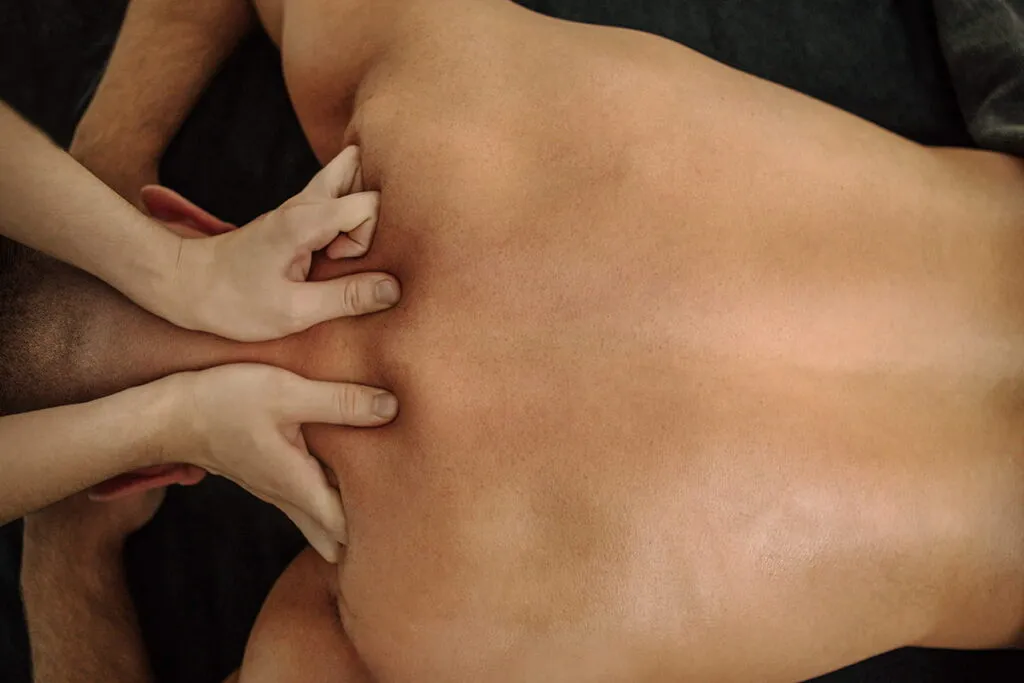
Tuina massageKneading, rolling, and point work. Releases tension in the neck and shoulders and improves circulation. When soft tissue stays tight after needling.
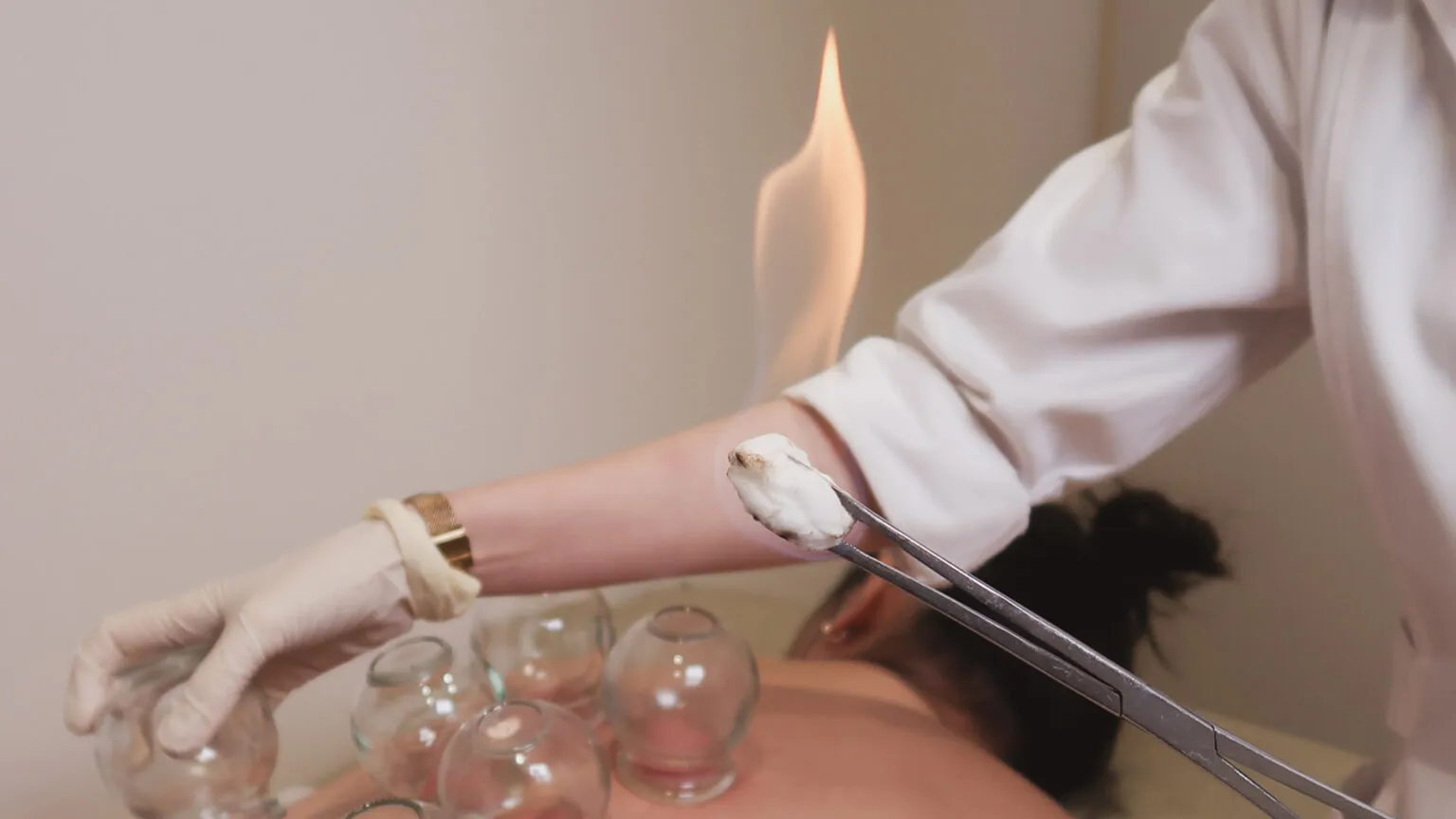
CuppingSuction cups on upper back and neck area. Relaxes tight muscle and promotes local blood flow. When the trapezius and upper back feel stuck.
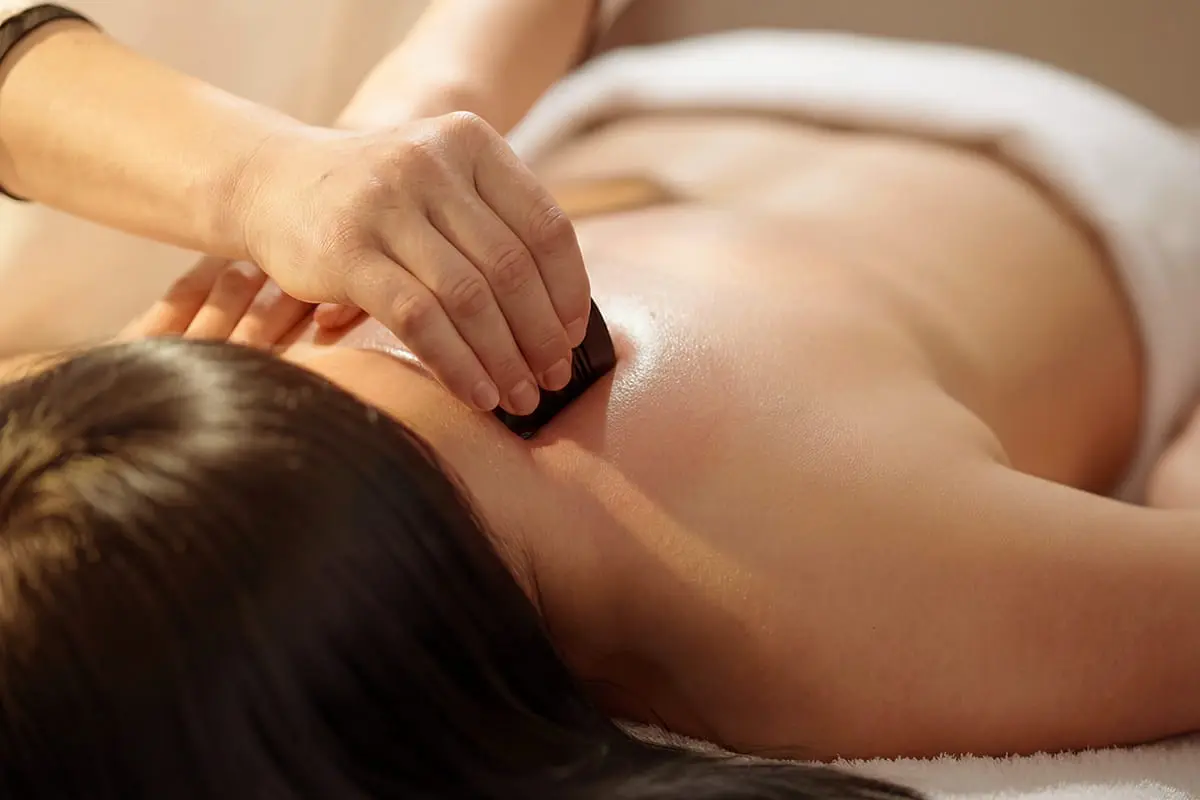
Gua shaScraping with a gua sha tool. Improves circulation where muscle pain and stiffness sit. When surface stagnation shows as tight, tender bands.
Herbal prescription and ointmentInternal herbs or topical ointment after diagnosis. Promotes blood circulation, relaxes muscle, and eases pain. When constitution or cold invasion needs more than local work.
Bone settingManual care when acute torticollis sits. May include gentle manipulation when the physician judges it safe. Acute locked neck after a sudden twist, not every desk strain.

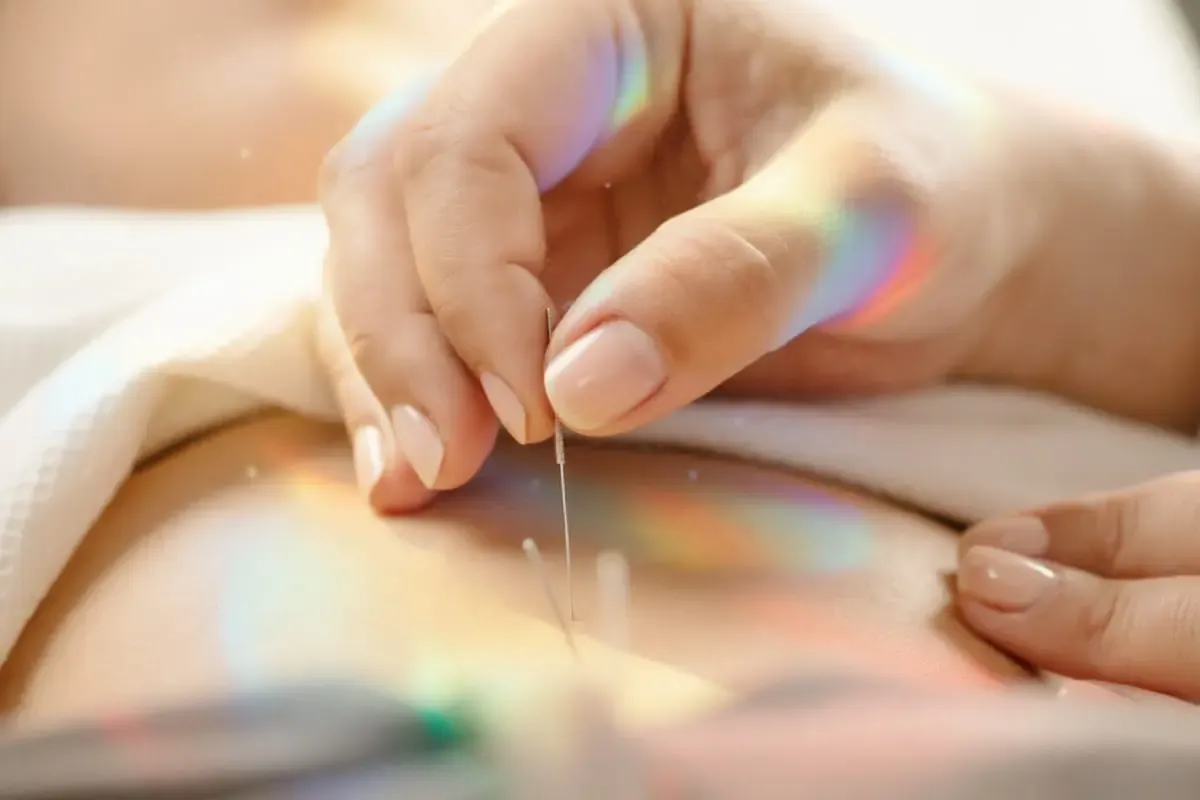
Acupuncture

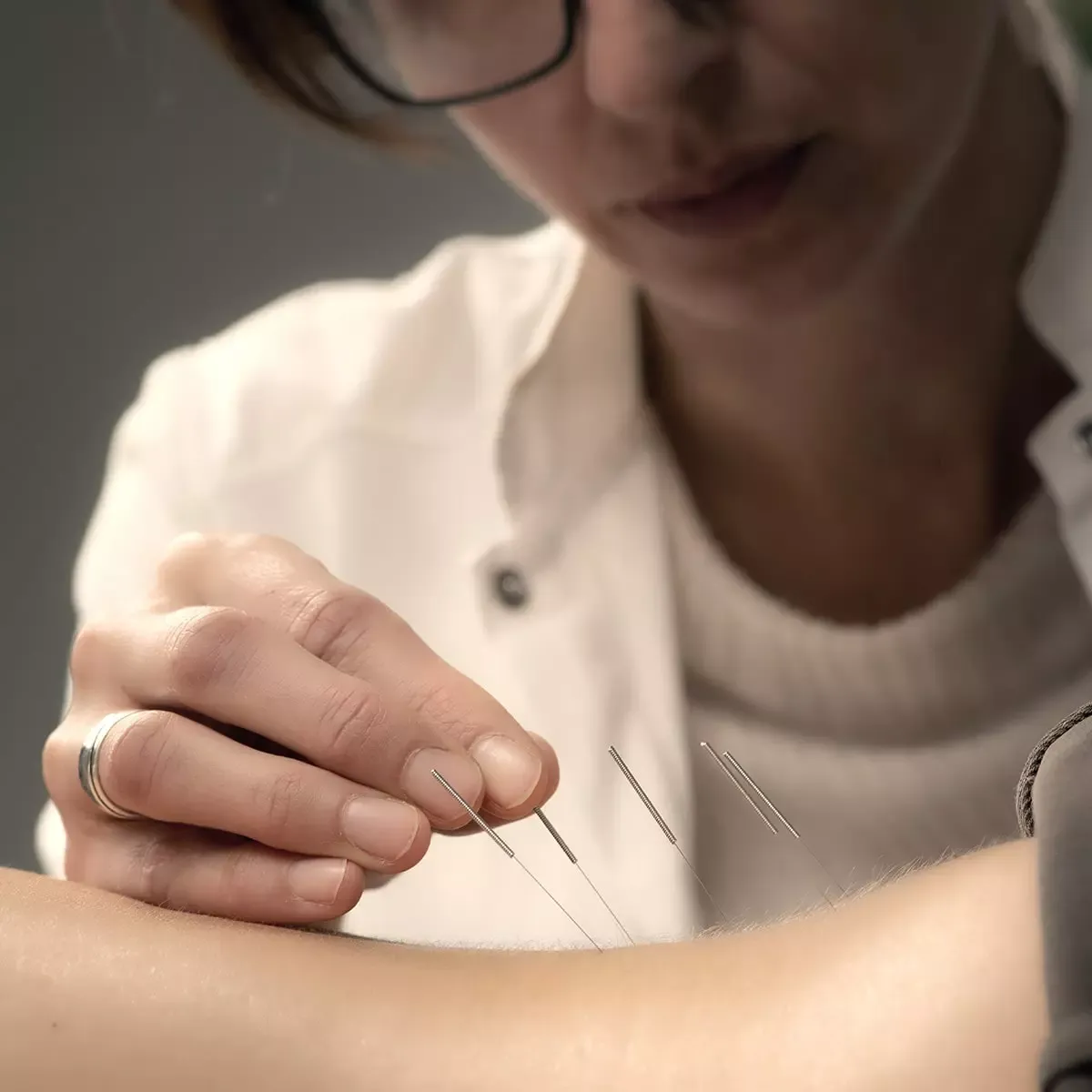
Fine acupuncture needle at a point on the hand

Qi and Blood

Needles at neck, shoulder, and distal points ease pain and stiffness, relax tense muscle, and move qi so turn can return.

Acupuncture at PULSE

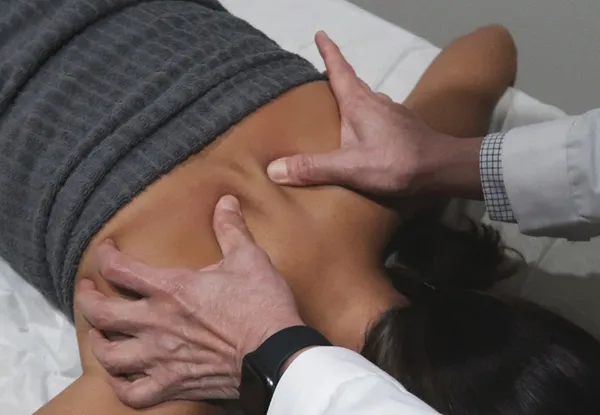
Tuina

Tuina massage applied to release muscle tension

Soft tissue

Kneading, rolling, and point work release braced neck and shoulder tissue when soft tissue stays tight after needling.

Tuina massage

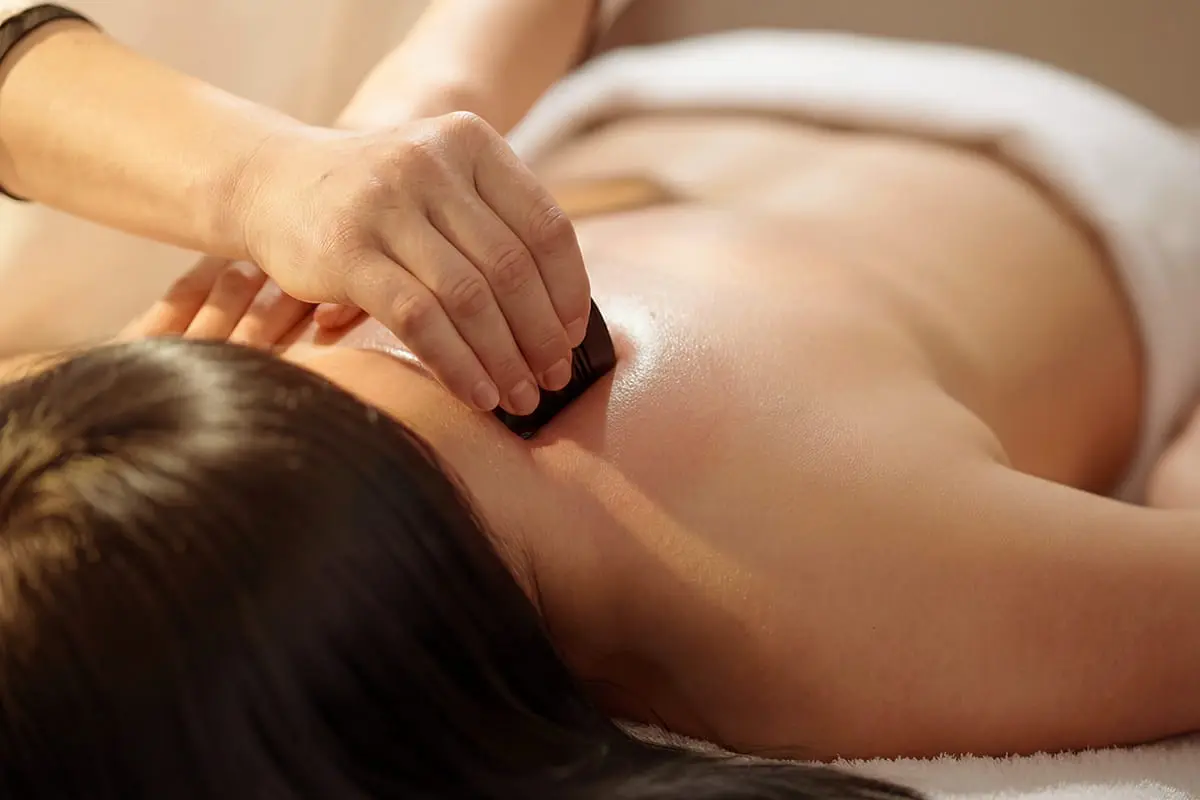
Gua sha

Gua sha scraping along the neck and shoulder

Surface stagnation

Scraping improves local circulation when muscle pain and stiffness sit close to the surface of the nape and shoulder.

Gua sha at PULSE

05 · What may help

Home presses and mobility for 落枕

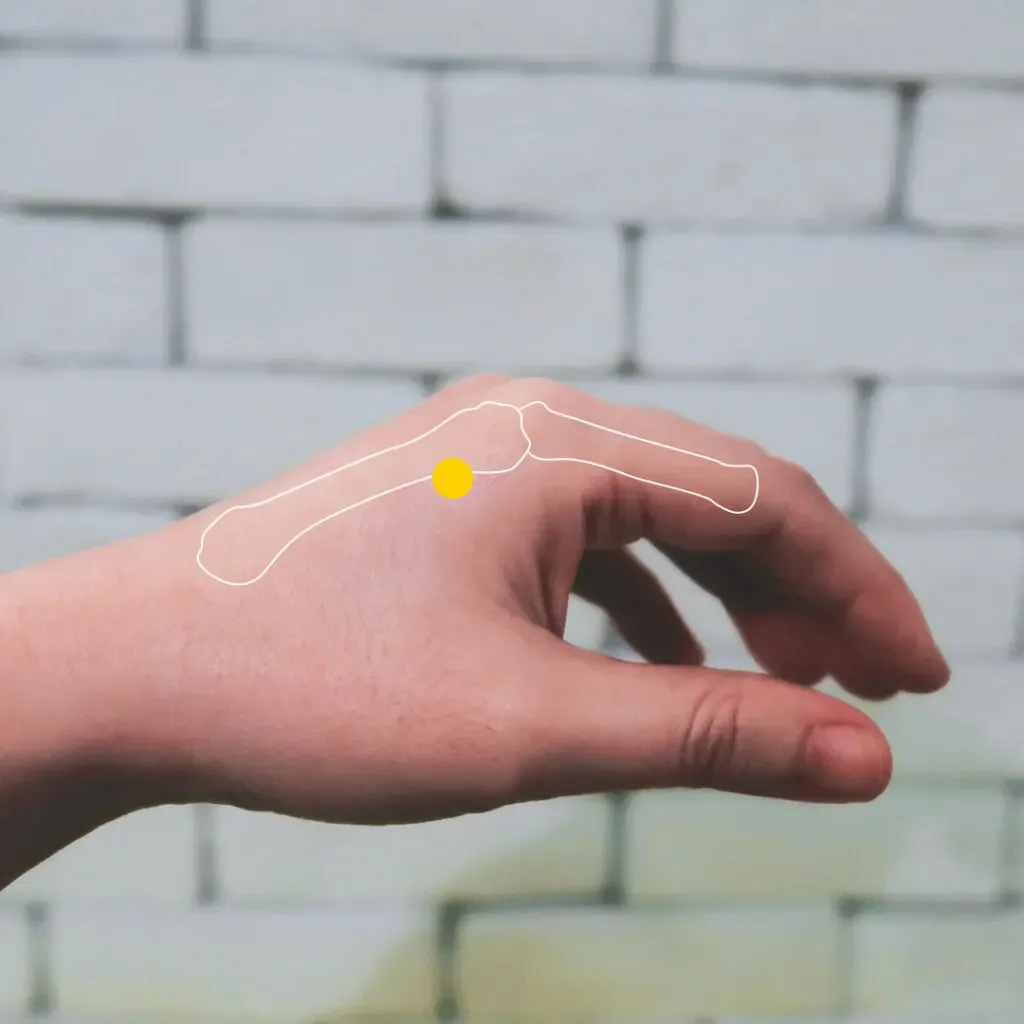
Luo Zhen (落枕穴) on the back of the hand and Hou Xi (后溪, SI3) on the ulnar border are classic distal presses for acute lock. Feng Chi and Jian Jing settle the nape and shoulder tops. Gentle chin tucks unload soft tissue between visits.

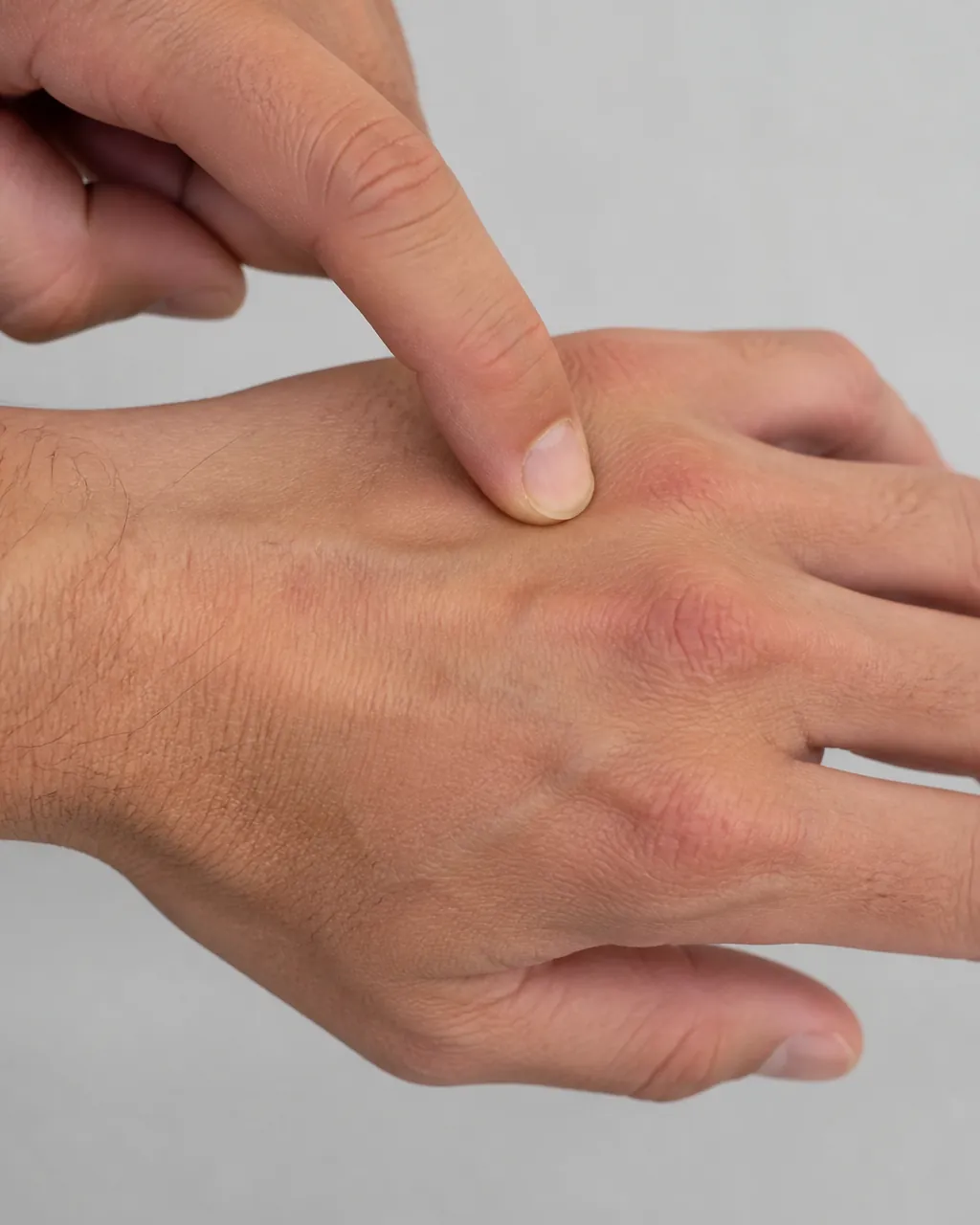
Finger locating Luo Zhen 落枕穴 on the dorsum of the hand

Acupoint · 落枕穴

Luo Zhen (EX-UE8)

On the dorsum of the hand between the second and third metacarpals, about half a finger-width toward the wrist from the knuckle line. Press until you feel a dull ache, circle, and gently turn within comfort.

Skip over cuts or a swollen hand. Ease off if the press turns sharp.

Press Luo Zhen
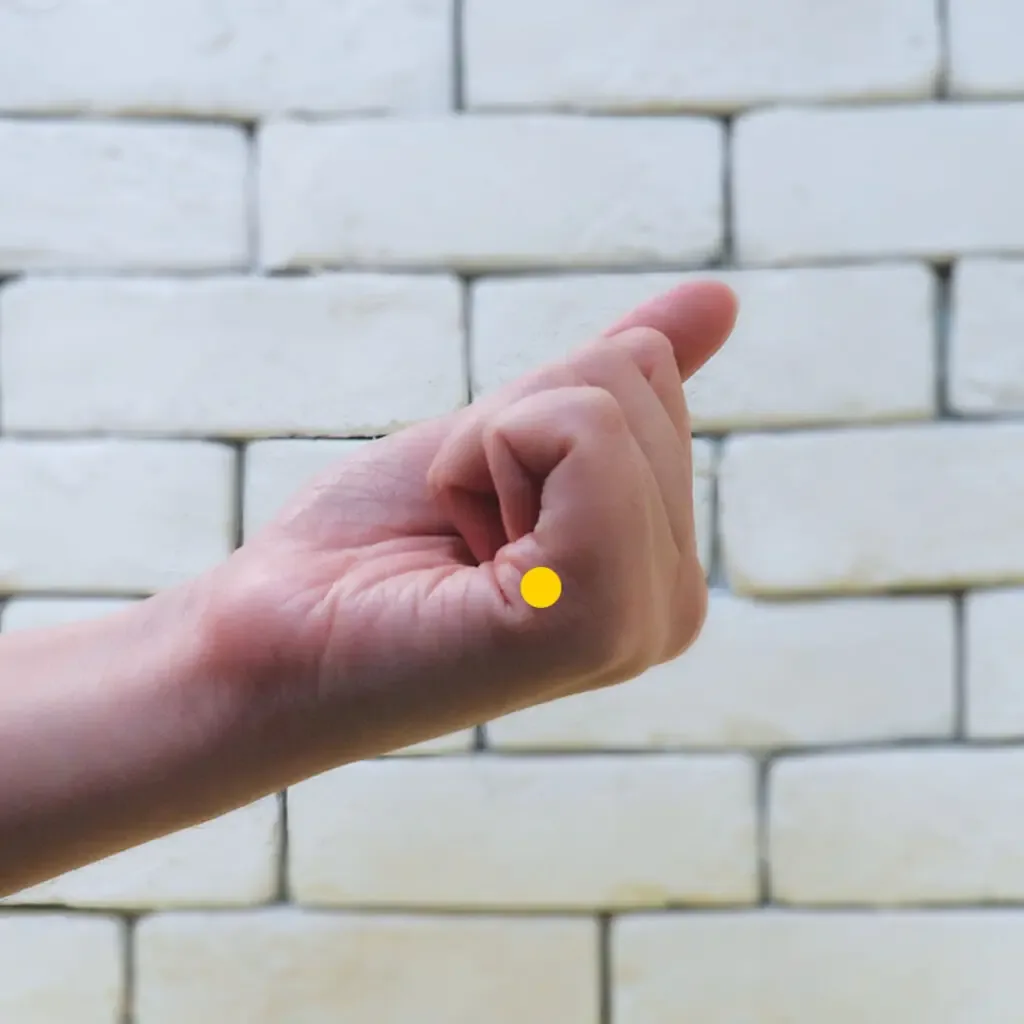
Half-closed fist showing Hou Xi SI3 marked on the ulnar border proximal to the little-finger knuckle

Acupoint · SI3

Hou Xi (后溪)

On the ulnar little-finger border, in the depression proximal to the fifth metacarpal head when the fist is half closed, at the light-dark skin border. Press the opposite hand, circle to a dull ache, and gently turn the neck.

Skip over cuts or a swollen hand. Ease off if the press turns sharp.

Press Hou Xi
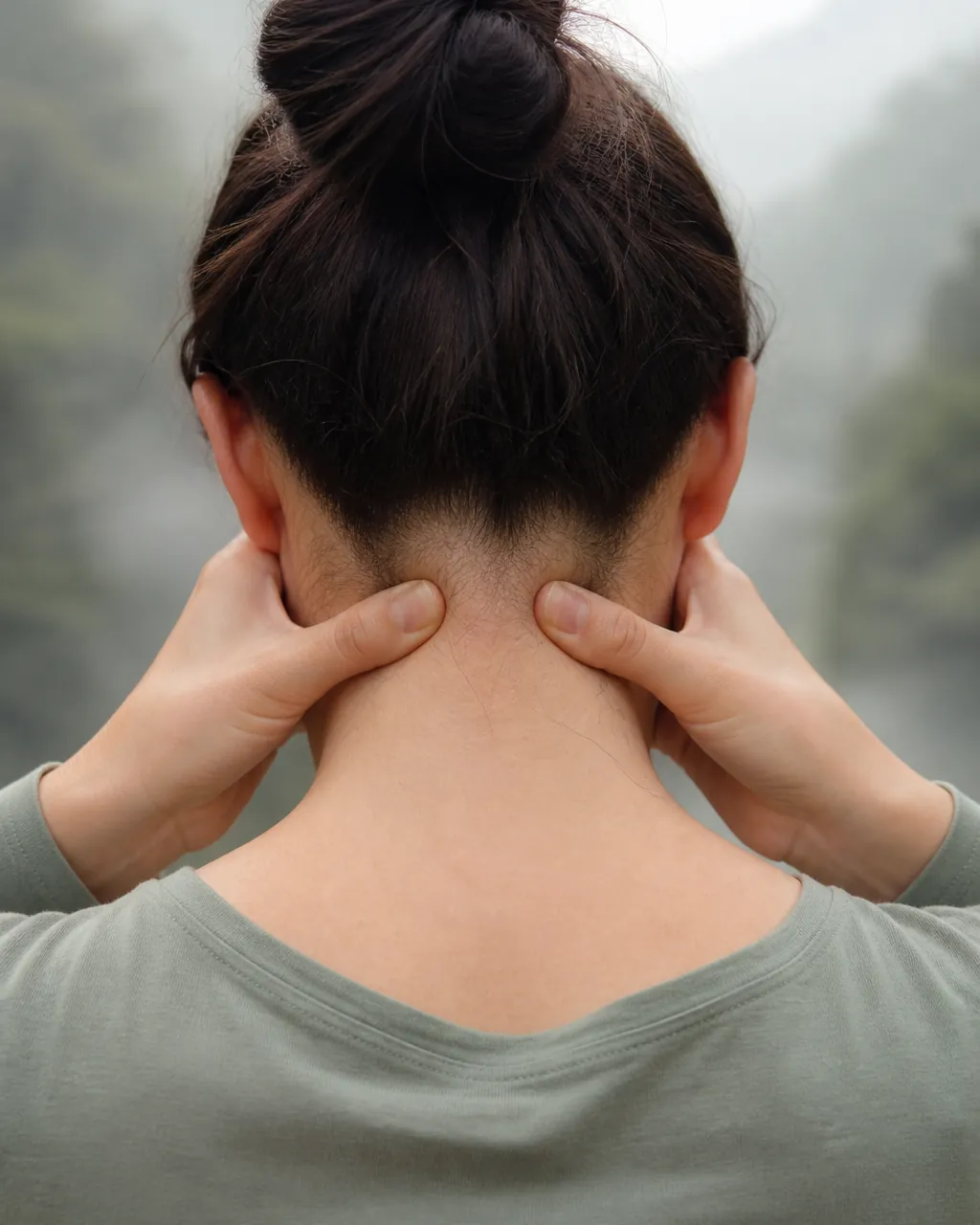
Hands locating Feng Chi GB20 in the hollows at the base of the skull

Acupoint · GB20 / GB21

Feng Chi and Jian Jing

Feng Chi in the hollows at the base of the skull; Jian Jing at the high point of the shoulder. Circle each side about one minute. Soft pressure only on GB21 in pregnancy.

Not for trauma, fever with stiffness, or progressive arm weakness.

Press GB20 and GB21
Person doing a gentle seated neck stretch for stiff neck relief

Move · mobility and pillow

Chin tuck, side stretch, gentle turn

Chin tuck 8–10 times, ear-to-shoulder 15–20 seconds each side, and a small head turn only within comfort. Pair with a fist-height pillow and a warm dry neck.

Do not force full rotation on an acutely locked neck.

Do the three moves

06 · Daily habits

Home habits while the neck settles

Pillow height, warmth, and posture changes give soft tissue a chance to quiet.

Ice or warmth for a stiff neck
Approach TCM lean What it does at the neck
WarmthWarm compress; keep the nape covered. Preferred for most waking 落枕. Moves qi and blood so tight muscle can ease.
IceCold pack after a fresh impact with clear swelling. Brief use only when swelling is clear. For most morning stiff necks, cold can tighten further.

1. Fist-height pillow

About a fist between the neck and the mattress supports the cervical curve. Too high or too low holds the neck at an awkward angle overnight.

2. Keep the neck warm and dry

Cover the nape in air-con and rain. Wind-cold-damp invasion is a named pattern when chill precedes the lock.

3. Raise the phone and screen

Bring devices toward eye level so the head is not flexed for long stretches on the commute or at the desk.

4. Regular gentle mobility

Short daily chin tucks and side stretches keep soft tissue from staying shortened between flare-ups.

When to book for a stiff neck

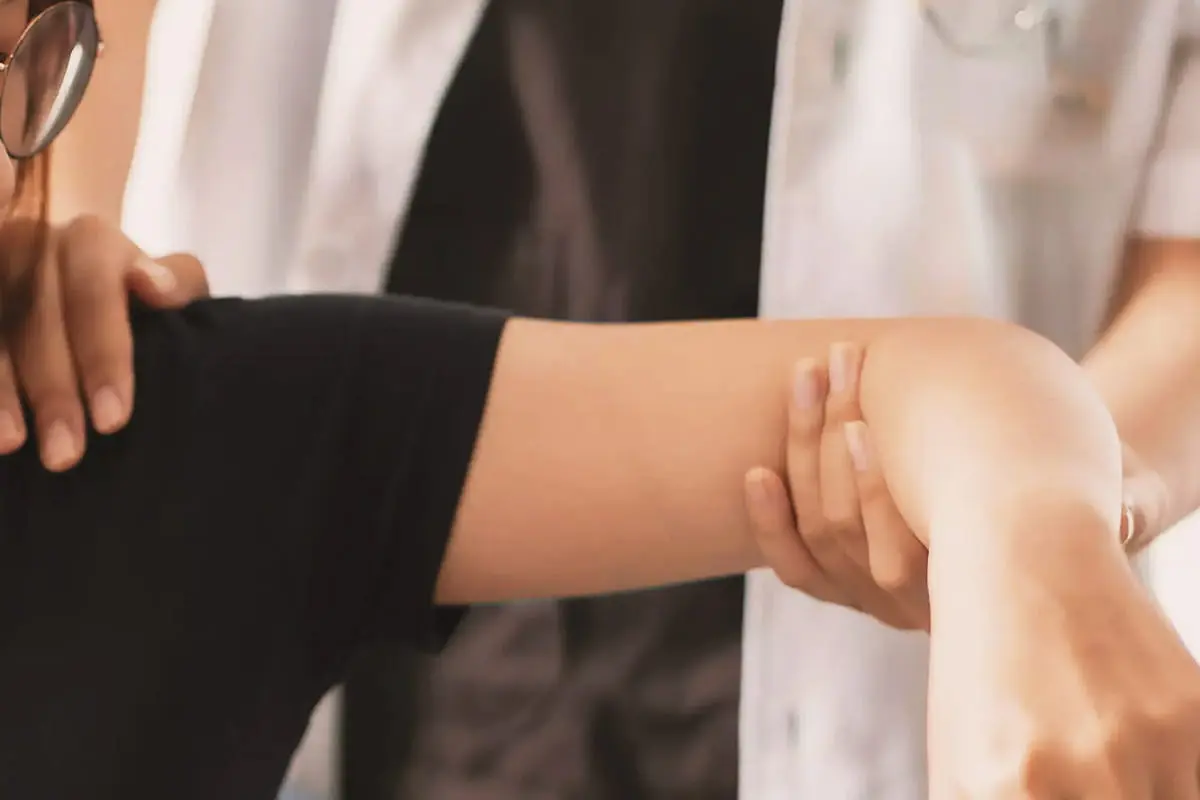
If the neck will not turn after a few days, keeps returning, or travels into the arm, a physician can name whether the picture reads as stagnation or wind-cold and decide which methods belong in your plan.

Dr Sim Beng Joo

Clinically reviewed

Reviewed by Sim Beng Joo

Advisor (Science & Strategy) / Consultant Physician · TCMPB T1303003A

MOH-licensed TCM physician and biomedical scientist, with clinical work in digestion, pain, sleep or fatigue, and constitution patterns that show as tendon and joint load.

View full profile

Educational information based on clinical experience and TCM principles. Not a substitute for personalised consultation, medical care, or urgent attention. Speak with your physician before starting herbs, scraping, cupping, or new self-care in pregnancy or with a chronic condition. Seek urgent care for neck pain after trauma, fever with a stiff neck, progressive arm weakness, or numbness that spreads. TCM complements orthopaedics and physiotherapy for acute injury or suspected fracture.

FAQs

Stiff neck questions

Common questions on pillow height, ice or warmth, acupuncture, phone posture, and when to book for 落枕.

How long does a stiff neck last with TCM care?

Mild morning 落枕 often eases within a few days when posture and warmth improve. Acute stiffness may settle over several acupuncture or tuina sessions. Stiffness that lasts weeks, keeps returning, or travels into the arm needs a physician plan rather than more home stretching alone.

What pillow height helps prevent 落枕?

A common educational guide is about a fist’s height between the neck and the mattress so the cervical curve is supported. Too high or too low holds the neck in an awkward angle overnight. Side sleepers often need a slightly fuller fill than back sleepers.

Should I use ice or heat for a stiff neck?

TCM usually prefers gentle warmth for neck stiffness that sits with Cold or stagnation. A warm compress can help qi and blood move. Ice may be used briefly after a fresh impact injury when swelling is clear; for most waking stiff necks, cold can tighten soft tissue further.

When should I see a physician for neck stiffness?

Book if the neck will not turn after a few days, if pain follows a fall or collision, or if headache, arm numbness, or weakness travels with it. Seek urgent care for fever with a stiff neck, trauma, or progressive neurological signs.

Can acupuncture help a stiff neck and shoulders?

Needling at neck, shoulder, and upper-back points is commonly used to ease pain and stiffness, relax tense muscle, and move qi. A physician may pair acupuncture with tuina, cupping, gua sha, or herbs once the pattern is named.

Does looking down at a phone cause a stiff neck?

Holding the head flexed over a phone or laptop for long stretches loads the levator scapulae, trapezius, and related soft tissue. Over time that load weakens support so an awkward sleep or a cold draft can tip the neck into acute 落枕.

Is a stiff neck wind-cold or muscle strain in TCM?

Both can sit together. Soft tissue strain from posture or sport is common. Invasion of wind, cold, and dampness in the local meridians is also named when stiffness follows chill, rain, or an uncovered neck. Pulse and tongue guide which methods come first.

References

Selected sources

  1. National Center for Complementary and Integrative Health. Traditional Chinese medicine: What you need to know. 2019. https://www.nccih.nih.gov/health/traditional-chinese-medicine-what-you-need-to-know/
  2. World Health Organization. Traditional, complementary and integrative medicine. https://www.who.int/health-topics/traditional-complementary-and-integrative-medicine
  3. Yuan QL, Guo TM, Liu L, Sun F, Zhang YG. Traditional Chinese medicine for neck pain and low back pain: a systematic review and meta-analysis. PLoS One. 2015;10(2):e0117146. https://pubmed.ncbi.nlm.nih.gov/25710765/
  4. Zhang H, Zhao M, Wu Z, et al. Effects of acupuncture, moxibustion, cupping, and massage on sports injuries: a narrative review. Evid Based Complement Alternat Med. 2022;2022:9467002. https://pubmed.ncbi.nlm.nih.gov/35668787/
  5. Ministry of Health Singapore. TCM practitioners (Healthcare Professional Portal). https://hpp.moh.gov.sg/tcm-practitioners/
  6. Original article author: Physician Joyce Chee.

Next step

Ready for a stiff neck pattern read?

Bring how long the stiffness has lasted, sleep posture, desk or phone habits, and any GP notes. We will name the pattern in plain language and decide what belongs in your plan.

Hours
Most clinics daily 11:00 AM – 8:00 PM
Care
Physician-led consultation