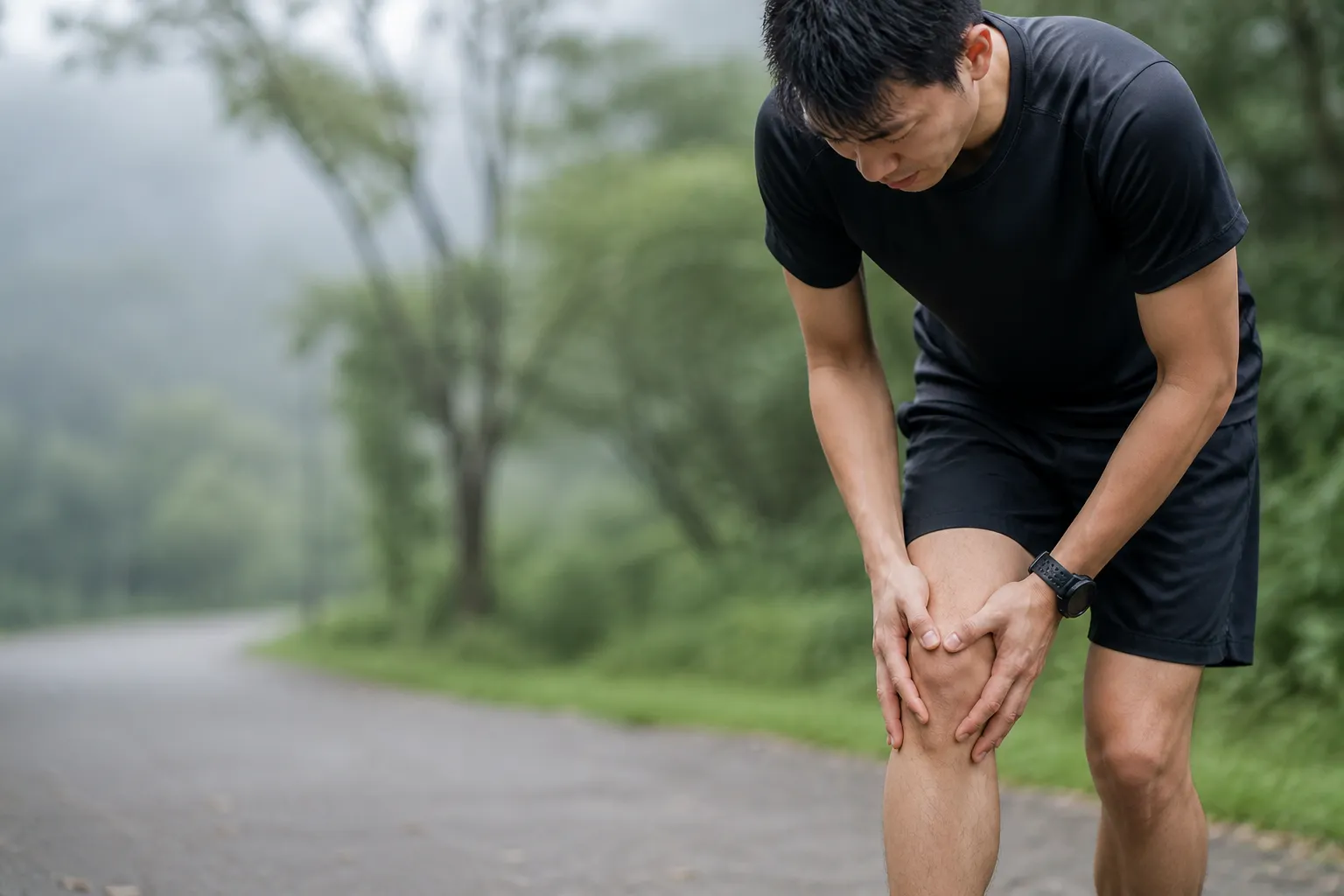
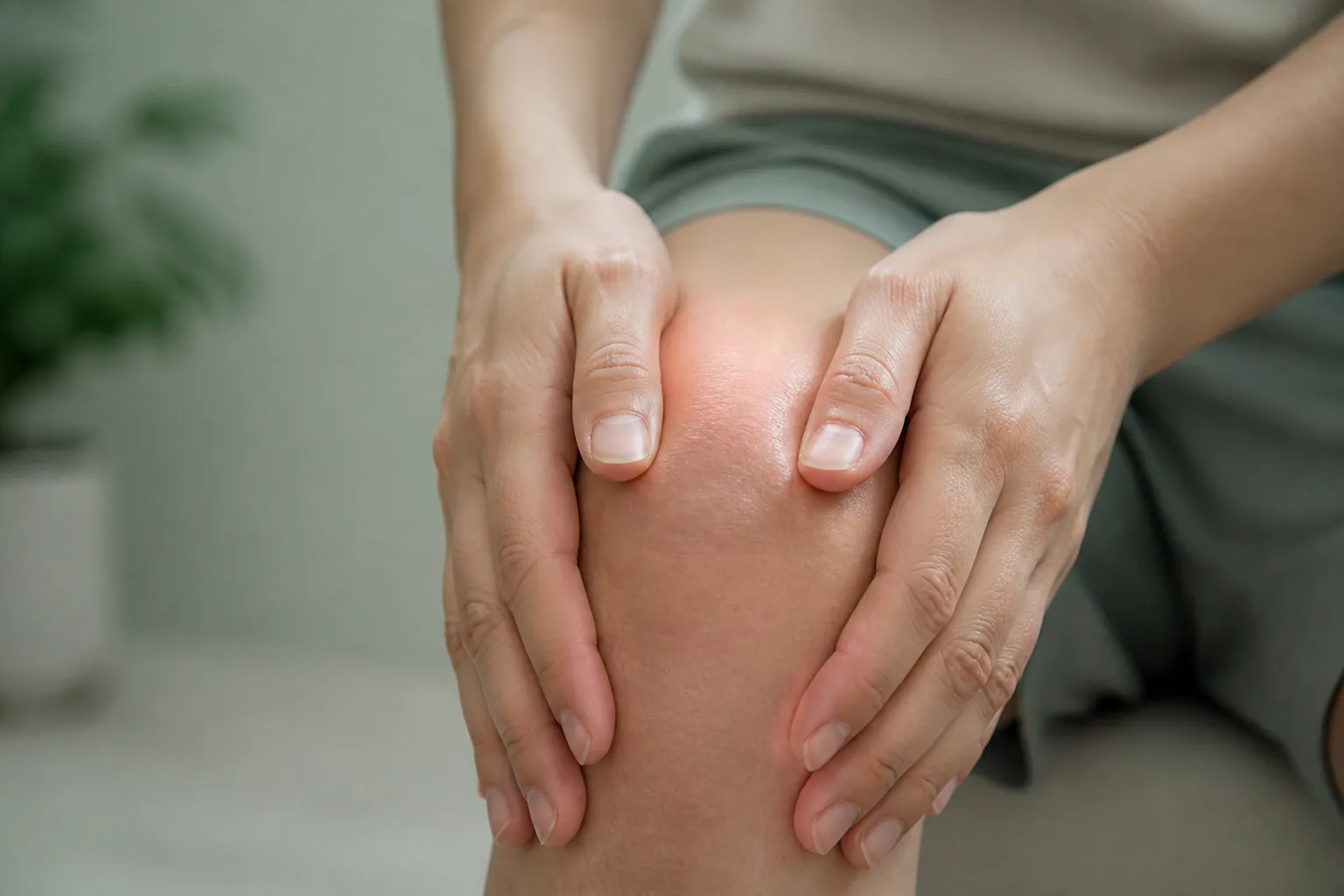
Runner pausing with both hands on the front of a sore kneecap

Insights · Pain & Injuries

Runner's knee: TCM and acupuncture

Front-of-kneecap ache on stairs or downhill often reads as runner's knee (跑步膝). Acupuncture, herbs, and strength work usually fit once the knee is assessed.

In brief

Runner's knee (跑步膝), often called patellofemoral pain, is ache at the front of the kneecap that flares on stairs or downhill and may click on bend or straighten. Overuse, alignment, and soft-tissue imbalance load the joint. TCM often names local qi-blood stagnation or Bi from repetitive load, then may mix acupuncture, tuina, and oral or external herbs. Seek conventional care first for trauma or a joint that will not bear weight.

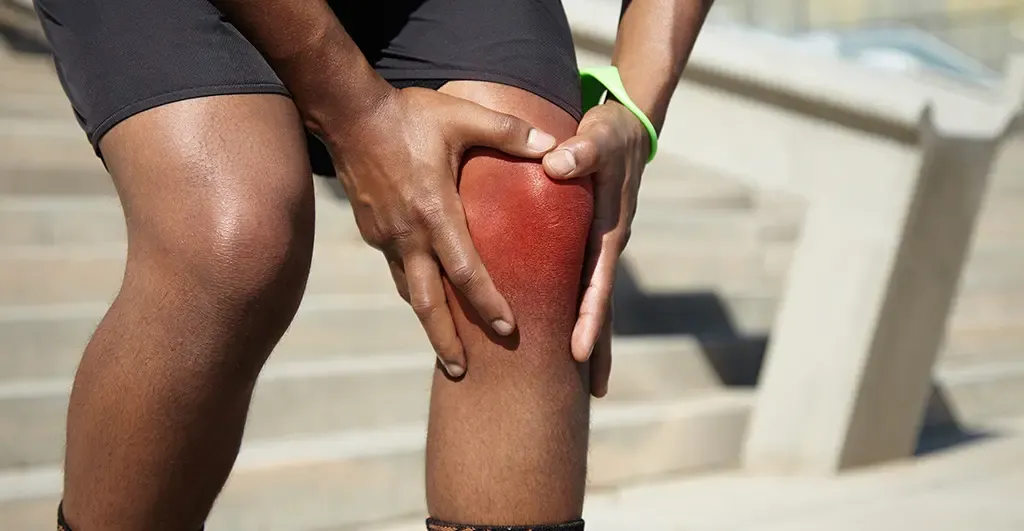
Hands cupping the front of a sore kneecap in runner's knee

01 · Picture

Pain at the front of the kneecap

跑步膝 · PFPS

Runner's knee (跑步膝) is a set of symptoms most often felt at the front of the kneecap. Clinicians often call the same picture patellofemoral pain. The ache can spread to the sides or the back of the knee. Stairs and downhill walking commonly flare it. A sharp click when you bend or straighten the joint can travel with the pain.
Singapore

Local load that lights the kneecap

In Singapore the same anterior ache often sits with HDB stair flights, humid recovery that feels slower after long runs, and a desk week that jumps into a weekend race or park loop. Heat and humidity do not cause runner's knee alone, but they change how hard the joint feels the next day when mileage spikes.

02 · Causes

What loads the kneecap

Some knees start with weaker alignment. Others pick up load from overuse, trauma, uneven thigh strength, or how the feet and hips rotate. Chondromalacia of the kneecap can sit as a cause or as a later stage of the same picture.

Common loads behind runner's knee
Driver What loads the knee Typical picture
Congenital alignmentWeaker or misaligned knees from early on. Uneven force across the kneecap track. Subluxation feel or chronic ache after ordinary exercise.
Repetitive bendingRunning, stairs, and similar cycles. Irritation of soft tissue around the kneecap. Pain that builds with mileage or downhill repeats.
Direct traumaA knock or fall onto the knee. Local impact on the joint surface and soft tissue. Ache with or without visible swelling.
Asymmetrical thigh developmentOne side of the thigh stronger or tighter. The kneecap tracks under uneven pull. One-sided front-knee ache after sport.
Leg length or rotationFlat feet, hip or SI load, glute or back tension. The femur and tibia rotate the kneecap off centre. Knee pain that sits with hip, foot, or low-back tightness.
Chondromalacia patellaSoftening of cartilage under the kneecap. Can start the ache or arrive as a later stage. Clicking, swelling, and pain that lasts after rest.

03 · Who

Athletes and midlife load share the picture

Runner's knee shows across ages. It is more common in people who train hard and in middle-aged women. How it feels often shifts with the decade.

1. Children

Growing pains around the knee can feel similar when bones and soft tissue grow at different rates.

2. Young adults

Kneecap pain often flares with strenuous sport, hills, or a sudden jump in training volume.

3. Midlife women

Calcium loss and wear in the lumbar spine or hips can change how the knee tracks, so squats and stairs hurt more.

4. Later chondromalacia

Rest or night pain, sleep disruption, clicking, and swelling can sit together when cartilage wear is advanced.

04 · Care path

Physio, TCM, or orthopaedics: match the stage

Analgesics may ease the ache for a while without changing how the kneecap is loaded. The useful fork is stage: early strength work, mid-stage pattern care, or late imaging when night pain and locking sit together.

1. Early: physio and load

Front-of-knee ache after mileage or stairs, quiet at rest, often settles with progressive strength, form fixes, and less downhill load.

2. Mid: TCM beside strength

When local stagnation or Bi is named, acupuncture, tuina, and herbs can sit with physiotherapy so peri-knee tissue and circulation move together.

3. Late: orthopaedics first

Night pain, locking, marked swelling, or known late chondromalacia needs imaging and an orthopaedic path. TCM is adjunct, not a replacement for those decisions.

Signs that need urgent care

These signs sit outside a common overuse picture. Get assessed the same day.

1. Cannot bear weight

Sudden inability to stand on the leg after a twist, fall, or impact.

2. Deformed joint

The knee looks misshapen, or you cannot straighten or bend it after trauma.

3. Hot swollen joint

A hot, red, swollen knee, especially with fever.

4. Spreading numbness

Numbness or weakness that spreads down the leg.

05 · Pattern scan

Name the pattern before the method

The same anterior kneecap ache can still read as local qi-blood stagnation, Bi from wind-cold-damp load, or Liver-Kidney under-nourishment when the joint has worn for years. A physician names the pattern from history, pulse, and tongue.

Common TCM readings for runner's knee
Pattern Typical signs Clinic lean
Qi and Blood stagnation气滞血瘀 around the kneecap.
  • After mileage spikes, hills, or repetitive bend load
  • Local ache that eases as the tissue warms
  • Tight peri-knee muscle with a click on bend
Needling and tuina to move local qi and blood.
Bi from repetitive load痹: wind, cold, or damp settling in the joint channels.
  • Weather or cold floors that stiffen the knee
  • Heaviness or ache that prefers warmth
  • Overuse that leaves the joint guarded
Needling with warmth or herbs matched to Cold-Damp vs Heat.
Liver-Kidney weakness肝肾不足 when chronic under-nourishment sits behind the joint.
  • More common with age, wear, and slower recovery
  • Low-back or hip ache beside the knee
  • Night discomfort when cartilage wear is advanced
Herbs that nourish Liver and Kidney, with needling matched to pulse and tongue.

06 · Clinic methods

Move local blood and support the soft tissue

Clinic aims are practical: improve circulation into the joint so repair can start, and ease the peri-knee muscle that keeps loading the kneecap. Methods follow the pattern, not a fixed runner's-knee pack.

Clinic methods matched to the knee pattern
Method What it does for the knee Pattern lean
AcupunctureNeedling to move qi and blood. Loosens tight peri-knee muscle and supports soft-tissue repair around the joint. Often first-line when local stagnation or Bi sits from overuse.
Tuina massageHands-on work on points and channels. Releases guarded thigh and calf tissue that pulls the kneecap off track. Adjunct when the picture is more serious or the muscle stays locked.
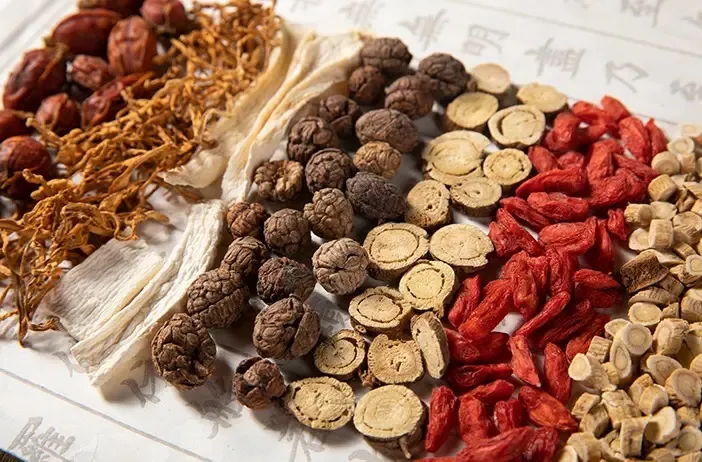
Chinese herbal medicineOral formulas after pulse and tongue. Calms inflammation and supports circulation matched to the pattern. When internal Cold-Damp, Heat, or Liver-Kidney weakness sits behind the ache.
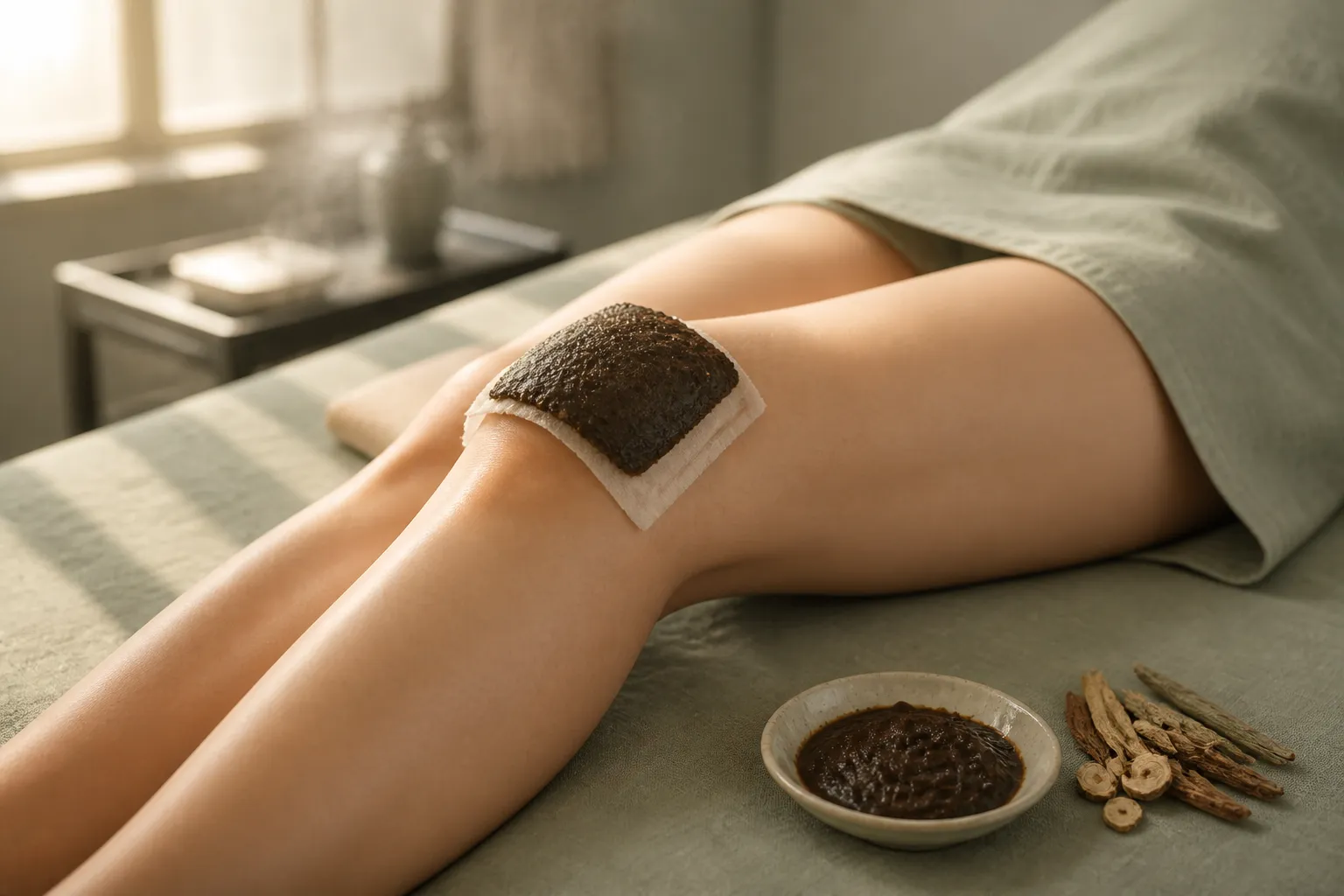
External herbal therapyOintments and dressings on the joint. Local support for inflammation and circulation at the kneecap. When the ache is clearly local and the skin is intact.
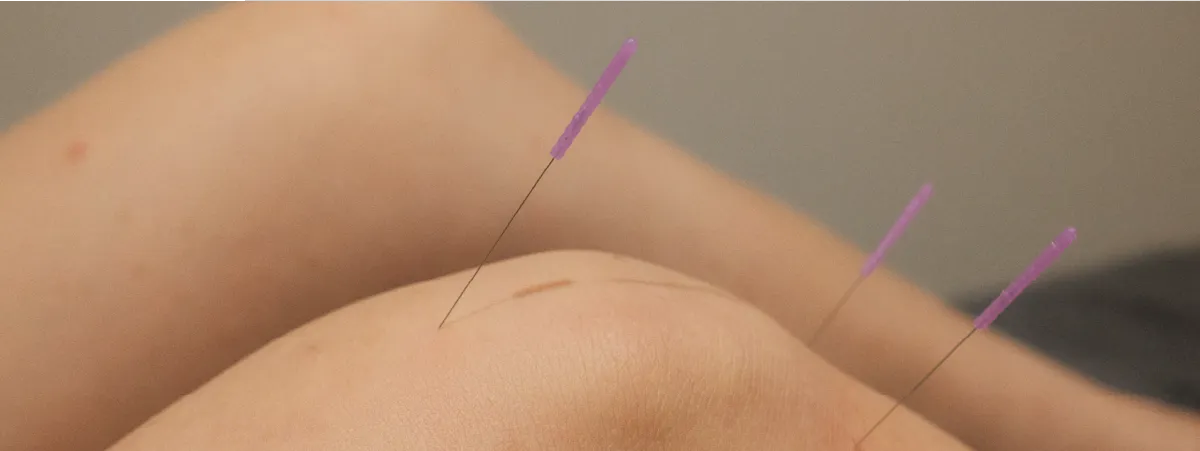
Acupuncture needles at the side of a bent knee

Acupuncture around the knee

Qi and Blood

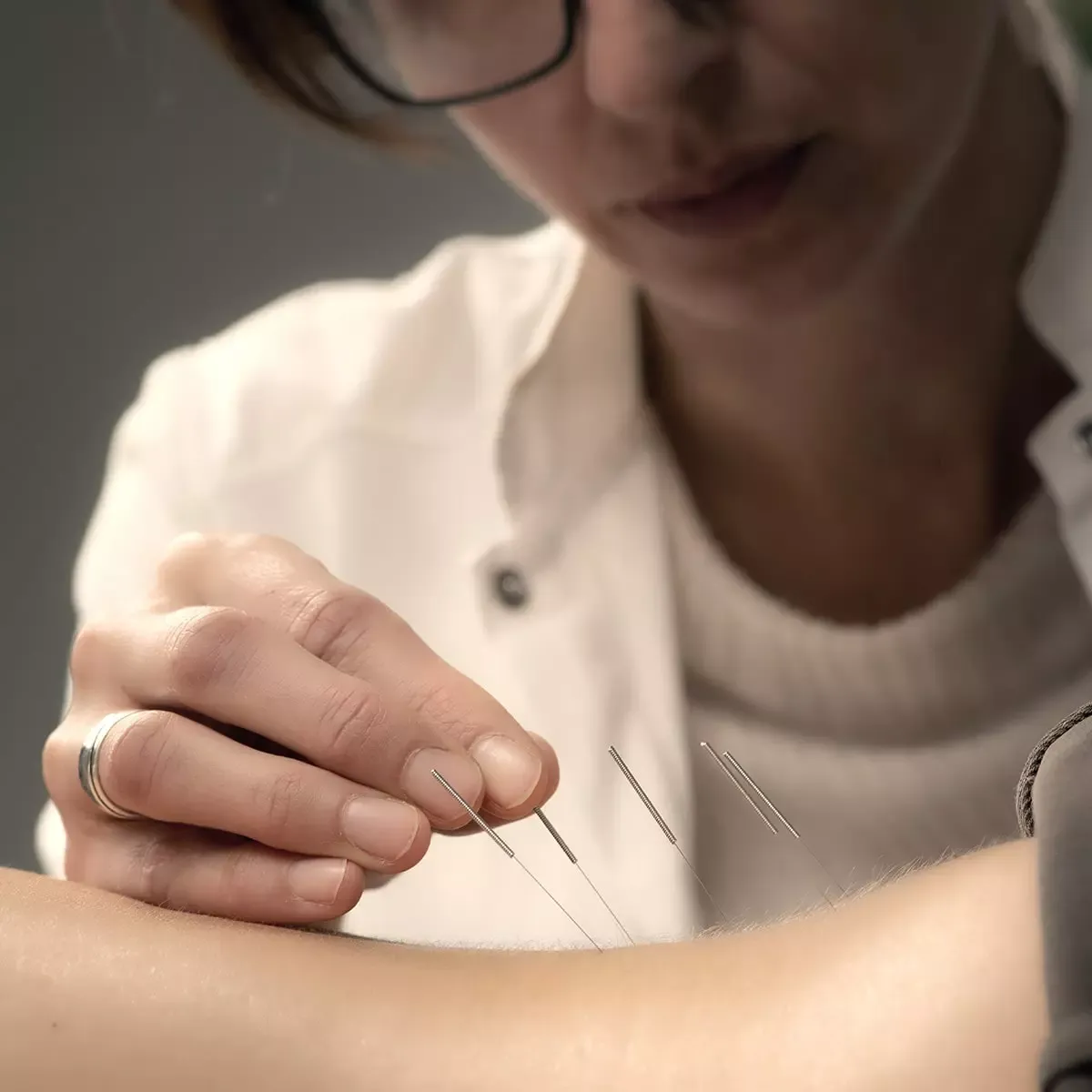
Fine needles around the kneecap are used to move local qi and blood, ease guarded muscle, and support soft-tissue repair. Points are chosen after assessment, not as a fixed runner's-knee set.

Acupuncture at PULSE

When to book for runner's knee

If front-of-knee pain has lasted weeks, or stairs and downhill still limit training, a physician can name whether the joint reads as stagnation, Bi, or Liver-Kidney weakness and decide which methods belong in your plan.

07 · Home care

Strengthen the support beside clinic care

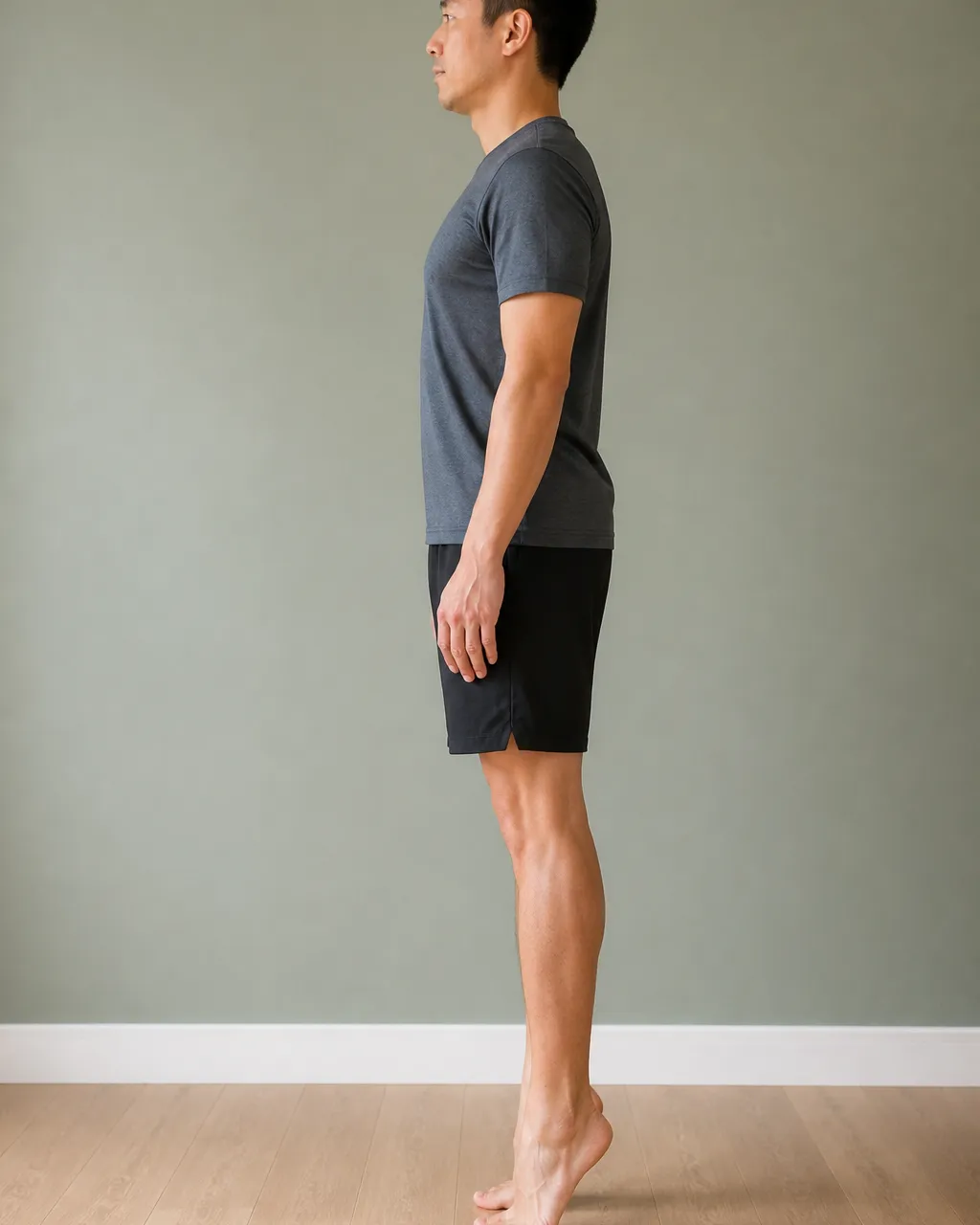
When anterior kneecap load sits with weak or uneven thigh and calf support, three quiet strengthening moves often sit beside the clinic plan: a single-leg knee raise, double calf raises, and lying quad squeezes.

Double calf raises for runner's knee strengthening

Move · raise, calf, quad

Single-leg raise, calf raises, quad squeezes

Hold a single-leg knee raise near 90 degrees for one minute each side. Rise onto both balls of the feet for one to two minutes. Lie with legs straight and squeeze the quads two seconds on and two seconds off, twenty times per side.

Ease off if the move turns sharp. Late chondromalacia may need imaging before more load.

Do the three moves

08 · Prevention

Load the knee with better form

Prevention is mostly load management. Form, lower-body strength, and age-appropriate training swaps reduce how often the kneecap takes uneven force.

1. Form and posture

Keep running and gym form honest. Collapsed knees, overstriding, and locked hips send extra force into the kneecap track.

2. Lower-body strength

Steady work for the quads, calves, glutes, and hips keeps the kneecap centred under load. Skipping leg work often shows up as front-knee ache later.

3. Manage body load

Extra body weight raises peak force through each step. Gradual nutrition and training changes matter more than sudden crash diets.

4. Age-appropriate swaps

As recovery slows, swap some high-impact repeats for cycling, swimming, or flatter easy runs so the joint can keep training without the same kneecap spike.

Dr Sim Beng Joo

Clinically reviewed

Reviewed by Sim Beng Joo

Advisor (Science & Strategy) / Consultant Physician · TCMPB T1303003A

MOH-licensed TCM physician and biomedical scientist, with clinical work in digestion, pain, sleep or fatigue, and constitution patterns that show as tendon and joint load.

View full profile

Educational information based on clinical experience and TCM principles. Not a substitute for personalised consultation, medical care, or urgent attention. Speak with your physician before starting herbs or new self-care in pregnancy or with a chronic condition. Seek urgent care for sudden inability to bear weight, a deformed joint, fever with a hot swollen knee, or numbness that spreads. TCM complements orthopaedics and physiotherapy for acute injury or suspected fracture. In severe trauma, fractures, or injuries that need immediate medical attention, TCM is not a primary treatment.

FAQs

Runner's knee questions

Common questions on PFPS vs jumper's knee, acupuncture, physio timing, and red flags.

What is runner's knee?

Runner's knee (跑步膝) is a set of symptoms at the front of the kneecap, sometimes spreading to the sides or back of the knee. Clinicians often call the same picture patellofemoral pain. It often worsens walking downhill or down stairs, and may feel like a sharp click when you bend or straighten the joint. It is not limited to long-distance runners.

Is runner's knee the same as jumper's knee?

No. Jumper's knee is patellar tendinitis, inflammation of the tendon that connects the kneecap to the shinbone, common with repetitive jump load. Runner's knee sits more around the kneecap from running and similar bending load. A physician sorts which picture you have after examination.

Can acupuncture help runner's knee?

Acupuncture is used to move local qi and blood, ease tight peri-knee muscle, and support soft-tissue repair around the joint. It often sits with tuina and herbs after pulse and tongue, not as a stand-alone fix. Points are chosen for your pattern, not as a fixed runner's-knee set.

When should I see physio, TCM, or orthopaedics for runner's knee?

Early and mid-stage anterior knee pain often responds to strength work and load management with physiotherapy. TCM can sit alongside that plan when local stagnation or Bi is named. Late chondromalacia with night pain or locking needs an orthopaedic path; TCM is adjunct, not a replacement for imaging or surgery decisions.

Are strengthening exercises safe with late chondromalacia?

Gentle educational moves can sit beside care when the knee is quiet enough to load. Late-stage pain, rest or night ache, or known chondromalacia needs a physician or orthopaedic plan before adding load. Ease off if a move turns sharp.

When should I go to A&E for knee pain?

Seek conventional care first for severe trauma, a suspected fracture, a deformed joint, sudden inability to bear weight, fever with a hot swollen knee, or numbness that spreads. TCM is not a primary treatment in those cases.

References

Selected sources

  1. National Center for Complementary and Integrative Health. Traditional Chinese medicine: What you need to know. 2019. https://www.nccih.nih.gov/health/traditional-chinese-medicine-what-you-need-to-know/
  2. World Health Organization. Traditional, complementary and integrative medicine. https://www.who.int/health-topics/traditional-complementary-and-integrative-medicine
  3. Ministry of Health Singapore. TCM practitioners (Healthcare Professional Portal). https://hpp.moh.gov.sg/tcm-practitioners/
  4. Vickers AJ, Vertosick EA, Lewith G, et al. Acupuncture for chronic pain: update of an individual patient data meta-analysis. J Pain. 2018;19(5):455–474. https://pubmed.ncbi.nlm.nih.gov/29198932/
  5. Lin X, Huang K, Zhu G, Huang Z, Qin A, Fan S. The effects of acupuncture on chronic knee pain due to osteoarthritis: a meta-analysis. J Bone Joint Surg Am. 2016;98(18):1578–1585. https://pubmed.ncbi.nlm.nih.gov/27655986/

Next step

Ready for a knee pattern read?

Bring when the front of the knee flares, which stairs or hills hurt, and any physio or imaging notes. We will name the pattern in plain language and decide what belongs in your plan.

Hours
Most clinics daily 11:00 AM – 8:00 PM
Care
Physician-led consultation