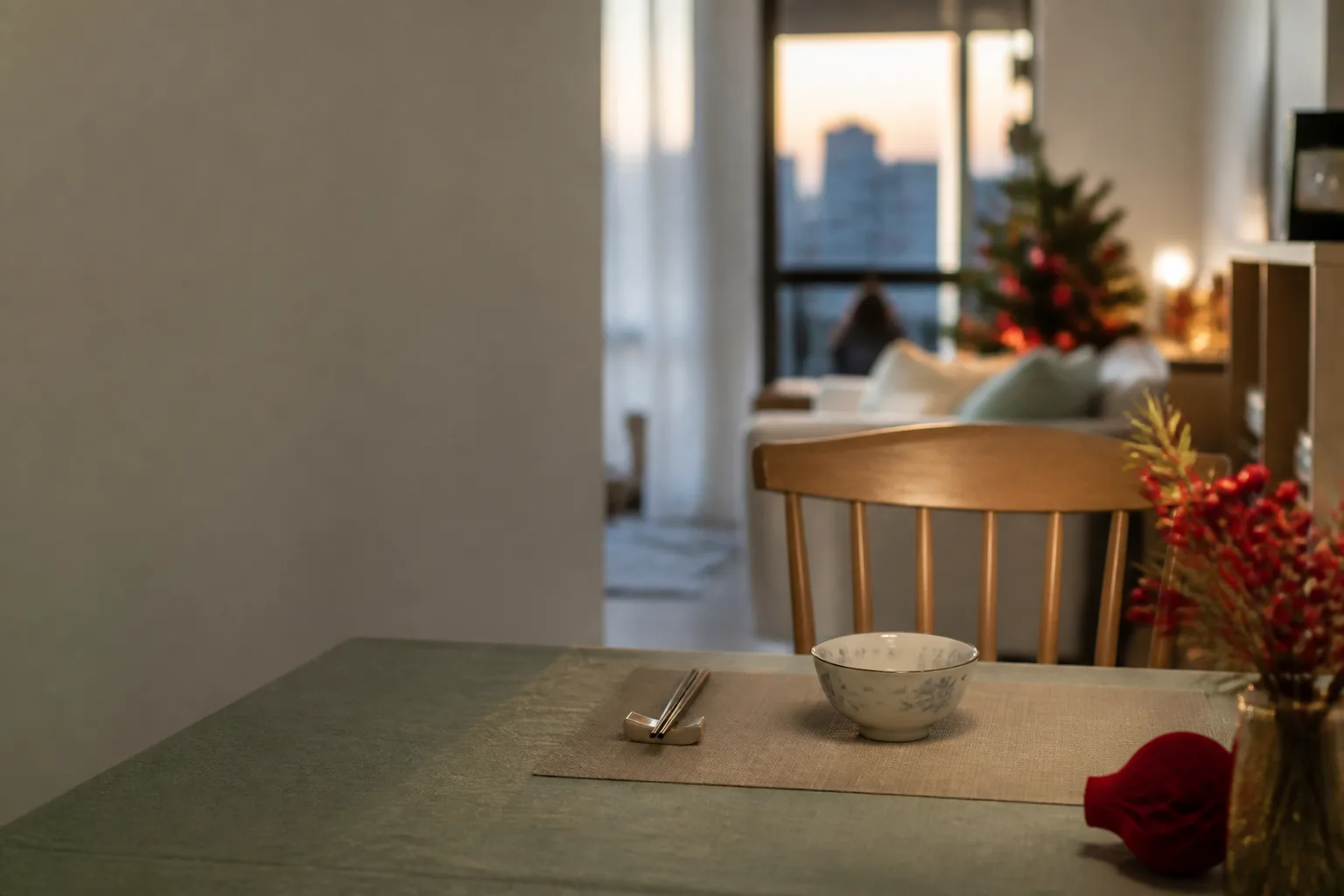
Single place setting with chopsticks and a quiet festive table, illustrating holiday blues solitude

Insights · Stress

(Un)happy Holidays

Festive calendars look bright; holiday blues can still settle in. Naming five triggers guides coping skills and when psychology sits with TCM.

In brief

Holiday blues in Singapore are sadness or low mood that lasts through the festive season, even when Christmas, New Year, and Chinese New Year look celebratory. Five triggers often stack: hosting responsibilities, difficult people at gatherings, FOMO or loneliness and grief, rushing work before leave, and gift spending pressure. Coping skills include realistic expectations, sharing load, selective gatherings, paced tasks, and spending within means. When grief or distress stay hard to manage, Allied Health psychology and Mental Wellness or Sleep & Stress pathways can sit with physician-led TCM.

01 · The season

When festive days feel heavy

Holiday blues are feelings of sadness that last through the festive season, even when Christmas, New Year, or Chinese New Year look celebratory from the outside.

Dr Jaswyn Chin, SRP-registered clinical psychologist at PULSE Allied Health, notes that year-end gatherings can lift some people and leave others flat, lonely, or overwhelmed. Food and drink sit at the centre of many celebrations, so people with chronic pictures such as diabetes or cardiac disease can also feel the strain of festive indulgence alongside mood load. Digestion and heaty snack tips for reunion meals sit in Chinese New Year health tips.

Education from the National Alliance on Mental Illness (2014) found that about 24% of people with a diagnosed mental illness said the holidays made their condition “a lot” worse, and about 40% said “somewhat” worse. That context does not diagnose holiday blues on its own. It does show why naming triggers and coping skills matters before the calendar stacks another gathering.


02 · Singapore

Festive load in a compact calendar

In Singapore, Christmas, New Year, and Chinese New Year often sit within a few weeks, so hosting, leave, and gift pressure can stack without a long pause.

HDB and condo reunions, office year-end dinners, and family rounds across the island raise planning load and travel between gatherings. Ang bao and gift expectations can add money stress. Leave weeks compress work into a rush before the first long weekend. Naming that local stack helps you choose which gatherings matter and which tasks can wait.

03 · Triggers

Five triggers and what helps

Scan the trigger first, then the coping set. Matching the skill to the pressure keeps festive load from running the whole month.

Holiday blues triggers and coping skills
Trigger What helps
Hosting and planning load Stress rises when responsibilities stack, especially for women who often plan meetups, decorate, and prepare meals. Set realistic expectations on how much you can manage. Seek help and share responsibilities if you cannot cope alone. Be selective and prioritise gatherings with people you value most.
Difficult people at gatherings Festive rooms often include friends or family you would rather not meet. Stay polite and respectful to avoid conflict. If a hard conversation is unavoidable, bring someone you trust into the talk to ease tension.
FOMO, loneliness, and grief Festive FOMO is imagining everyone else celebrating while you stay in your usual routine. Loneliness can sharpen, especially with grief or bereavement. Plan gatherings with friends, family, or loved ones, or other activities you enjoy. Seek support from people you trust. If grief has stayed hard to manage for a prolonged period, consider professional help.
Work rush before leave People often race to clear obligations so outstanding work does not disrupt festive plans. Pace yourself and prioritise tasks that are more important or urgent, rather than trying to empty every list before the first gathering.
Gift spending pressure Financial stress rises when giving or spending a lot on gifts feels expected. Spend within your means. Handmade cards or small gifts can carry more meaning than expensive presents bought under pressure.

If grief, low mood, or isolation keep rising and you are at risk of harm, seek urgent care. In Singapore, call the IMH Helpline on 6389 2222. For immediate danger, use emergency services first.

04 · Clinic bridge

When festive load sits with stress or sleep

In TCM education, prolonged emotional load often moves Liver qi first, then shows as tight mood, thin sleep, digestion change, or body tension.

Holiday blues coping skills stay useful on their own. When low mood stacks with restless nights, desk tension, or burnout signs, physician-led TCM and Allied Health psychology can sit together. Deeper organ-emotion teaching sits on stress management and managing stress the TCM way.

Festive emotions, zang pairs, and body clues
Emotion load Zang pair May show as
Irritability or conflict Liver 肝 · anger 怒 Sighing, rib tightness, heat rising to the head, or short temper at gatherings
Worry or rumination Spleen 脾 · contemplation 思 Poor appetite, bloating after festive meals, heavy limbs, or circling what-ifs
Grief or emptiness Lung 肺 · grief 悲 Low mood, shallow breath, fatigue, or withdrawal from reunions
Restless joy or overstimulation Heart 心 · joy 喜 Palpitations, thin sleep after late dinners, or agitation that will not settle
Dr Jaswyn Chin, SRP-registered clinical psychologist at PULSE Allied Health

Allied Health

Talk with a psychologist

When festive sadness, grief, or anxiety will not settle, book Allied Health psychology. Request a psychologist and note Dr Jaswyn Chin when you want her diary.

Dr Sim Beng Joo

Clinically reviewed

Reviewed by Sim Beng Joo

Advisor (Science & Strategy) / Consultant Physician · TCMPB T1303003A

MOH-licensed TCM physician and biomedical scientist, with clinical work in digestion, pain, sleep or fatigue, and constitution patterns that show as stress load, restless sleep, or low mood with body signs.

View full profile

Educational information from psychology and clinic teaching. Not a substitute for personalised medical, psychiatric, or psychology care, or for urgent attention. Seek emergency or crisis care if you are at risk of harm. In Singapore, the IMH Helpline is 6389 2222. TCM and Allied Health psychology at PULSE complement, and do not replace, GP, specialist, or prescribed care for persistent low mood, anxiety, or grief.

FAQs

Questions, answered

Common questions on holiday blues, festive triggers, and when psychology sits with TCM.

What are holiday blues?

Holiday blues are feelings of sadness or low mood that last through the festive season, even when calendars look celebratory. They can sit beside Christmas, New Year, or Chinese New Year gatherings, and often stack with hosting load, difficult conversations, FOMO, loneliness, grief, work rush, or gift spending pressure.

Why do holidays increase hosting stress?

Festive seasons often raise planning load: arranging meetups, decorating, and preparing meals. That load still falls heavily on women in many households. Realistic expectations, sharing responsibilities, and prioritising gatherings with people you value most can ease the pressure.

How do FOMO and loneliness show in the festive season?

Festive FOMO is imagining everyone else is celebrating while your routine stays the same. Loneliness can sharpen, especially with grief or bereavement. Planning time with people you trust, or activities you enjoy, and asking for support can reduce isolation.

When should grief during the holidays prompt professional help?

Brief sadness around anniversaries or empty chairs is common. If grief has stayed hard to manage for a prolonged period, or if low mood, anxiety, or isolation keep rising, see a psychologist or another qualified clinician. Seek urgent or crisis care if you are at risk of harm. In Singapore, the IMH Helpline is 6389 2222.

How can I ease festive gift spending stress?

Spend within your means. Handmade cards or small gifts can carry more meaning than expensive presents bought under pressure. Naming a budget early reduces the money stress that stacks with other festive triggers.

Can psychology sit with TCM for holiday blues?

Yes. Coping skills and psychology support matter alongside physician-led TCM when festive emotional load sits with stress, thin sleep, or mood pictures. At PULSE, Allied Health psychology and Mental Wellness or Sleep & Stress pathways can pair with TCM therapies.

References

Selected sources

  1. National Alliance on Mental Illness. Mental health and the holiday season (educational summary of NAMI holiday survey findings). 2014. https://www.nami.org/Blogs/NAMI-Blog/November-2015/Tips-for-Managing-Mental-Health-Over-the-Holidays
  2. National Center for Complementary and Integrative Health. Traditional Chinese medicine: What you need to know. 2019. https://www.nccih.nih.gov/health/traditional-chinese-medicine-what-you-need-to-know/
  3. Ministry of Health Singapore. TCM practitioners (Healthcare Professional Portal). https://hpp.moh.gov.sg/tcm-practitioners/
  4. World Health Organization. Traditional, complementary and integrative medicine. https://www.who.int/health-topics/traditional-complementary-and-integrative-medicine

Next step

Ready for a mood and festive-load read?

Bring which triggers hit hardest, sleep or appetite change, grief notes, and any GP or psychology history. We will name the picture in plain language and decide whether Allied Health psychology or Mental Wellness sits closer.

Hours
Most clinics daily 11:00 AM – 8:00 PM
Care
Physician-led consultation