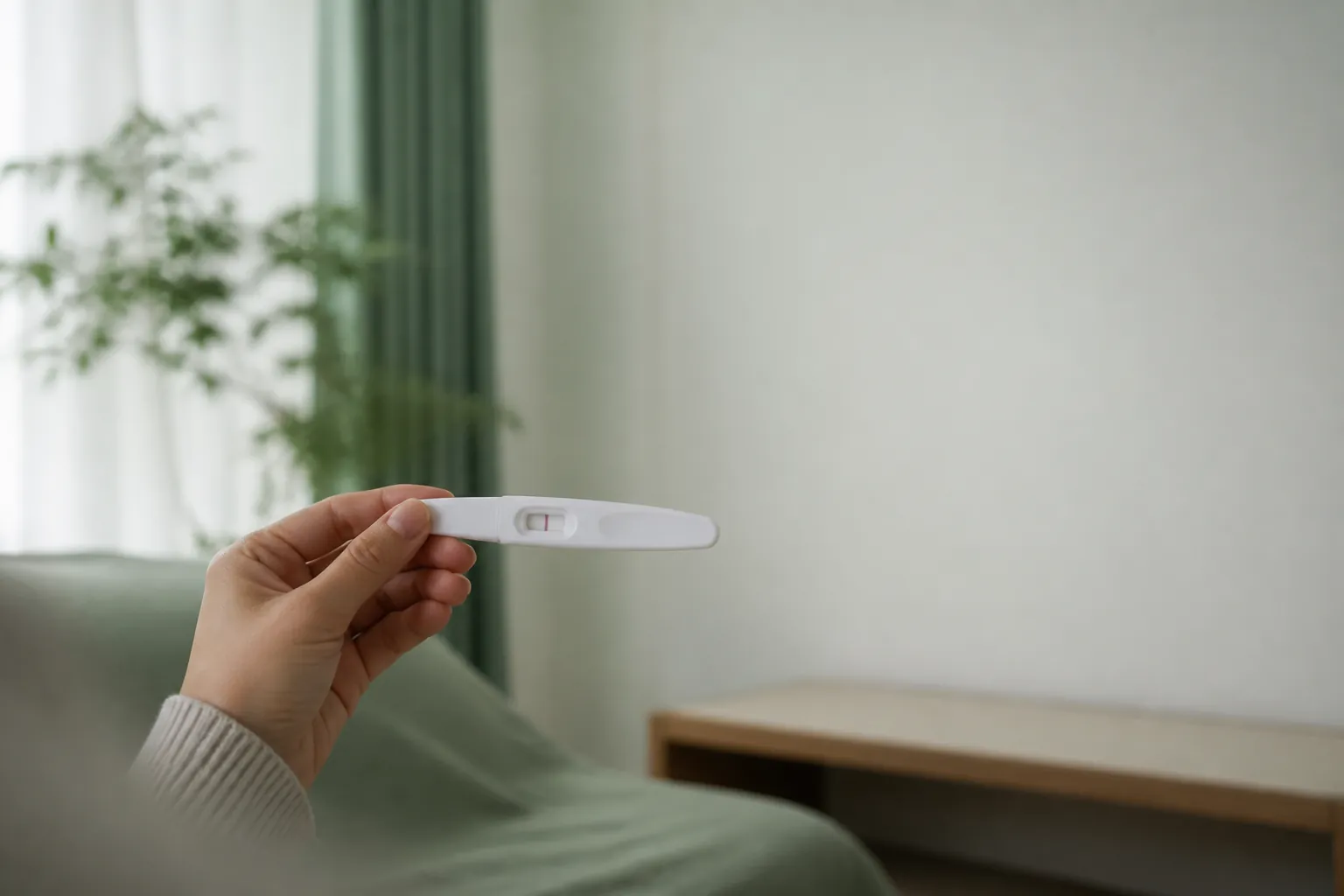
Hand holding a pregnancy test with a single line on a quiet mist background

Insights · Women's Health · Women's Health

What is Infertility?

A 12-month definition, the steps pregnancy needs, and how TCM maps Kidney, Spleen, and Liver patterns before care.

In brief

Infertility is commonly framed as no pregnancy after 12 months of unprotected sex. Men and women have equal chances of contributing. In TCM, Kidney, Spleen, and Liver patterns often sit behind that delay after a physician maps history with tongue and pulse.

01 · Pathway

For pregnancy to happen

Ovulation · fertilisation · travel · implantation

Any break in these steps can sit behind infertility. The timeline is a teaching map, not a personal diagnosis.

Four steps pregnancy needs
Step What must happen
1 · Ovulation A mature egg is released from the ovary.
2 · FertilisationDay 0 Sperm travel far enough into the fallopian tube to fertilise the egg.
3 · TravelDays 1–4 The fertilised egg travels through the fallopian tube toward the uterus.
4 · ImplantationDays 6–12 Pregnancy begins when the fertilised egg implants in the womb.

02 · Causes

Common factors behind infertility

Male and female factors can each play a role. Lifestyle load and unexplained delay after both partners look “healthy” also appear in clinic.

1. Female factors

Common causes include uterine fibroids, blocked fallopian tubes, and polycystic ovarian syndrome (PCOS).

2. Male factors

Common causes include erectile dysfunction, insufficient sperm production, and low sperm motility.

3. Lifestyle load

Smoking, drinking, diet quality, and stress can weigh on fertility for either partner.

4. Unexplained infertility

When both partners appear healthy on standard checks yet conception still stalls, the cause is often labelled unexplained until a fuller pattern map is made.

03 · Consult

Consultation with a Chinese medicine physician

History · tongue · pulse

In evaluating fertility, the physician asks a structured history, then reads tongue and pulse to name a TCM pattern before any plan. Seek help after 12 months of trying, or sooner if you are 35 or older, cycles are irregular, there is known pelvic or urologic disease, prior surgery, or specialist advice points to earlier assessment.

  • Females: timeframe of trying to conceive; menstrual regularity; prior pregnancies or miscarriages; pelvic or lower abdominal pain or cramps; discharge changes; medical conditions or pelvic surgery; gynaecology reports or check-ups.
  • Males: timeframe of trying to conceive; past injury to the testicles or penis; medical conditions or past surgery; urology reports or check-ups.

For the seed-and-soil framing of Jing, Qi, and Blood that sits beside this consult, see understanding fertility from a TCM perspective.

04 · Patterns

Diagnostic patterns of TCM on infertility

Kidney · Spleen · Liver

Three organ systems often frame infertility in clinic teaching. Physicians read clusters of signs, not any single symptom alone.

Kidney

Kidney as congenital constitution

Jing · Yang · Yin

The Kidney is like the powerhouse of the body. It stores reserve energy inherited at conception, so it is regarded as the congenital constitution. Growth, maturation, and reproduction rely on that Kidney energy. Jing may be low from birth and is progressively depleted with age. It is vulnerable to exhaustion from chronic stress, overwork, insufficient fluid intake, multiple pregnancies, an overly active sex life, or long-term illness.

Kidney patterns and fertility-linked signs
Pattern Common signs
Kidney Jing deficiency Weakening of bones, back and knee ache, easy forgetfulness, lower libido, irregular menstruation or lighter than usual flow.
Kidney Yang deficiency Cold intolerance, cold hands and feet, loose stools, water retention in the lower limbs, delayed menstruation, painful cramps, watery discharge.
Kidney Yin deficiency Heat in the palms, night sweats, insomnia, dry throat, constipation, short menstrual cycle.

Spleen

Spleen as acquired constitution

Dampness · phlegm

The Spleen oversees intake, processing, transformation, and distribution of nutrients and fluids from food. It attributes to the acquired constitution. Acquired and congenital constitution support growth across the lifespan. Irregular diet and frequent raw, cold, or spicy food weaken the Spleen, so fluids transform poorly and dampness accumulates.

Spleen pattern and fertility-linked signs
Pattern Common signs
Dampness and phlegm Fuller body habitus, distension after eating, fatigue, loose stools, delayed menstruation, heavy discharge.

Liver

Liver Qi and Blood movement

Qi stagnation · Blood stasis

The Liver regulates circulation of Qi throughout the body and plays a significant role in managing emotions. Under stress and negative emotion, regular Qi flow falters, which can disrupt smooth Blood circulation.

Liver patterns and fertility-linked signs
Pattern Common signs
Qi stagnation Chest distension, sighing, loss of appetite, mood swings, tender breasts, irregular menstruation, painful cramps.
Blood stasis Mild purplish lips, sore body, painful intercourse, delayed menstruation with clots, fibroids.

Stress-linked cycle signs are mapped in more detail in the stress and fertility guide. Cold extremities and a chilly low belly often point toward warming care in the cold womb (Gong Han) guide.

Fertility consult at PULSE TCM mapping constitution and cycle patterns

05 · Care

The Traditional Chinese Medicine solution

Acupuncture · moxibustion · herbs

Acupuncture, moxibustion, and/or herbal prescriptions are often recommended according to each individual’s condition.

Acupuncture for fertility planning

Clinic aims sit in four clusters. The physician matches points and session timing to the pattern named at consult.

1. Stamina, circulation, and stress

Support everyday energy and resilience; encourage smoother Blood movement for the named pattern; help settle stress when Liver Qi stagnation sits behind cycle disruption.

2. Cycle, hormones, and ovulation

Support hormonal rhythm the physician is tracking; regulate menstrual timing and flow quality; support more regular ovulation timing within the care plan.

3. Egg quality, uterus, and lining

Work with Kidney and Blood nourishment themes that relate to egg quality in TCM teaching; support uterine Qi and Blood and endometrial lining readiness for implantation when the pattern fits.

4. IVF-adjacent support

Sit beside IVF protocols when both teams agree. TCM does not replace specialist instructions.

Herbal prescription is often given as a concoction of multiple herbs in tablet or powder form, taken regularly. For females, herbs prescribed may vary according to the different phases of the menstrual cycle. Acupuncture, moxibustion, and Chinese herbal medicine at PULSE.

When to book a fertility consult

If the 12-month definition fits, you are 35 or older while trying, or cycle and stress signs stack with fertility delay, a physician can map Kidney, Spleen, and Liver patterns and decide whether acupuncture, herbs, or moxibustion belong in your plan.

06 · Lifestyle

Lifestyle tips to enhance fertility

Daily habits sit beside clinic care. They do not replace a diagnosis.

  • Maintain a healthy weight and exercise regularly.
  • Manage stress by learning to relax your mind and body.
  • Adopt a healthy diet; favour foods rich in antioxidants such as folate and zinc, and avoid foods rich in trans fats.
  • Have sexual intercourse during the fertile window. The best chance of conception is often the five days before ovulation or during ovulation.

Acupressure points

Gentle self-press on points matched to Kidney, Liver, and Spleen themes can sit beside lifestyle care.

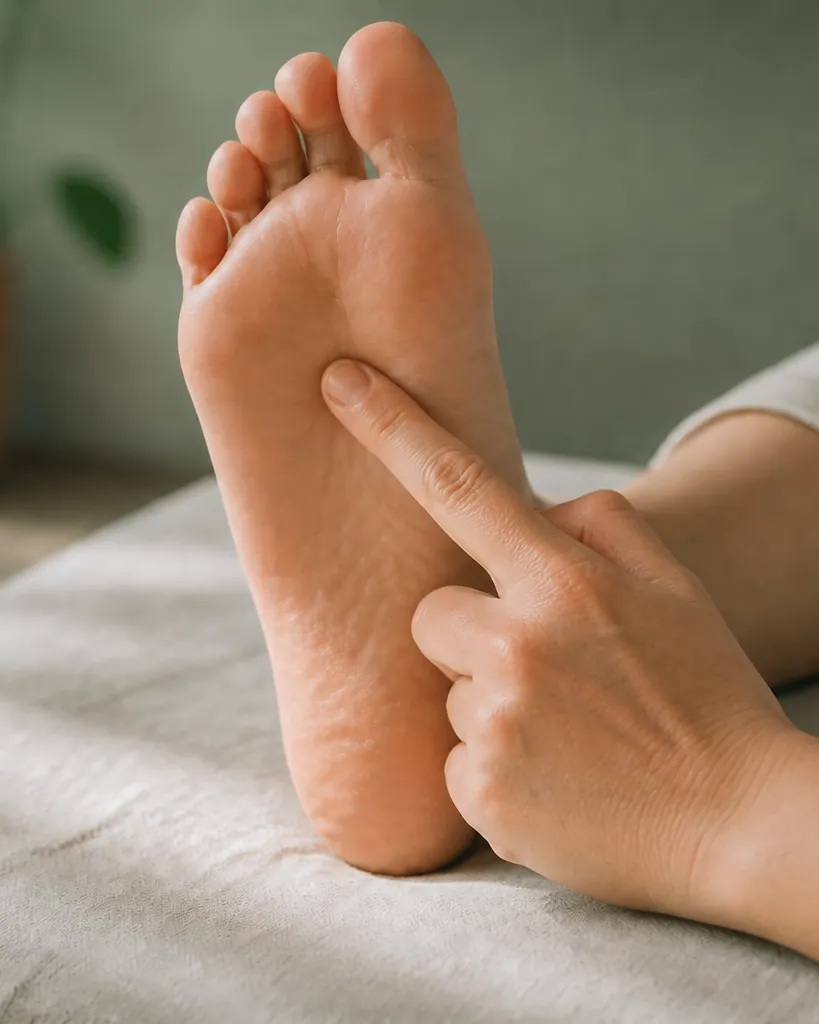
Index finger pressing Yong Quan KD1 on the sole for acupressure

Acupoint

Yong Quan (KD1)

Kidney channel point on the sole, used when Kidney themes sit behind fertility readiness.

Press Yong Quan (KD1)
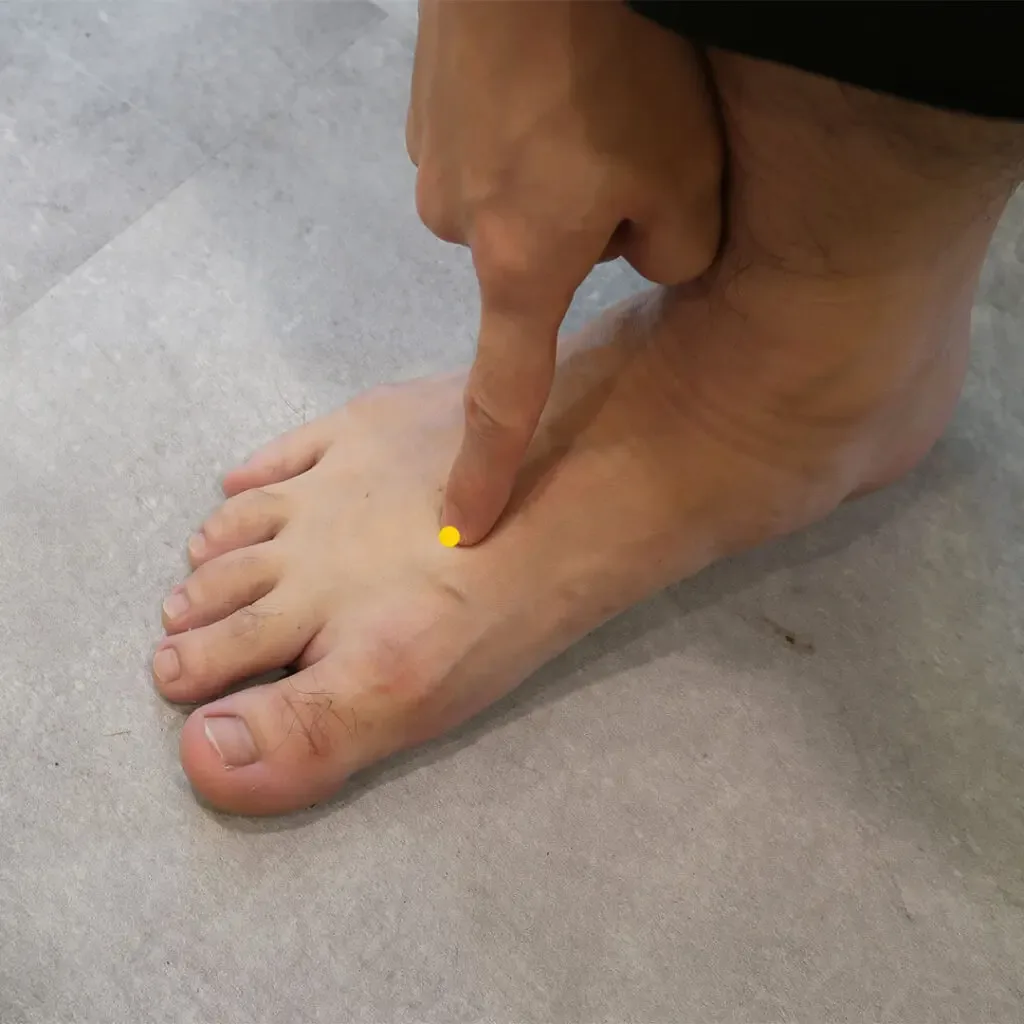
Finger pointing to Tai Chong LV3 on the top of the foot

Acupoint

Tai Chong (LV3)

Liver Yuan-source on the top of the foot, used when stress binds Liver Qi.

Press Tai Chong (LV3)
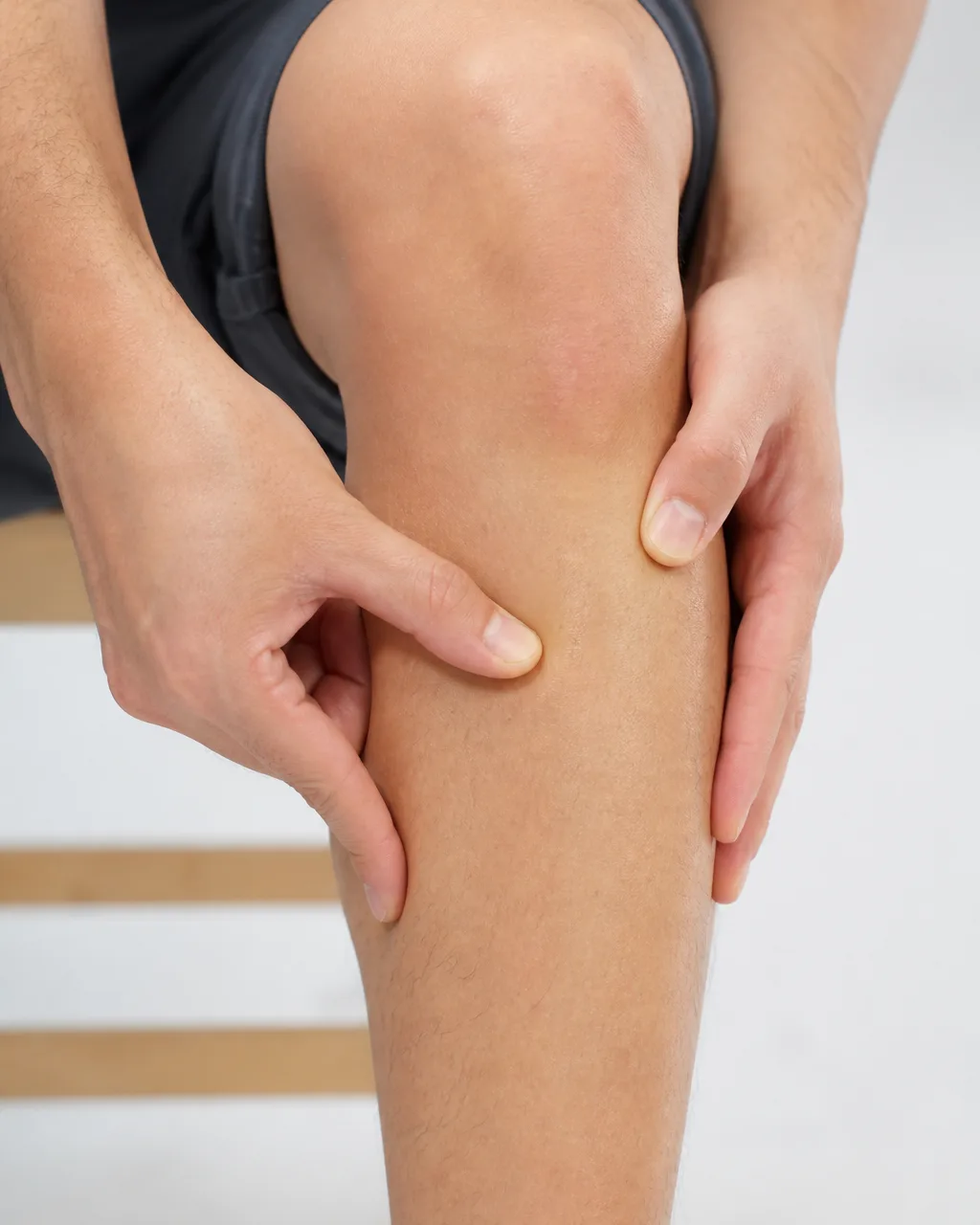
Hands locating Zu San Li ST36 below the outer kneecap

Acupoint

Zu San Li (ST36)

Stomach He-sea on the shin, used when Spleen and acquired constitution need support.

Press Zu San Li (ST36)
Dr Sim Beng Joo

Clinically reviewed

Reviewed by Dr Sim Beng Joo

Advisor (Science & Strategy) / Consultant Physician · TCMPB T1303003A

MOH-licensed TCM physician and biomedical scientist, with clinical work in digestion, pain, sleep or fatigue, and women's health patterns.

View full profile

Educational information based on clinical experience and TCM principles. Not a substitute for personalised consultation or fertility medical care. Speak with your physician or reproductive specialist before starting new treatments. Seek urgent care for severe pain, bleeding, or acute illness.

FAQs

Questions, answered

Definition, causes, TCM patterns, and how care sits with fertility medicine.

What is infertility?

Infertility is commonly framed as no pregnancy after 12 months of unprotected sex. Male and female factors can each play a role. Any break in ovulation, fertilisation, tube travel, or implantation can sit behind the delay.

When should a couple seek help for infertility?

After a year of trying, or sooner if you are 35 or older, cycles are irregular, there is known pelvic or urologic disease, prior surgery, or specialist advice points to earlier assessment. Bring gynae or urology reports when you have them so care stays coordinated.

Do male and female factors both matter?

Yes. Female factors can include fibroids, blocked tubes, and PCOS. Male factors can include erectile dysfunction, low sperm count, and low motility. Lifestyle load and unexplained infertility after both partners look “healthy” also appear in clinic.

How does TCM read infertility through Kidney, Spleen, and Liver?

The Kidneys store congenital Essence for growth and reproduction. The Spleen builds acquired constitution from food and fluids. The Liver moves Qi and Blood and is sensitive to stress. Patterns such as Kidney Jing, Yang, or Yin deficiency, Spleen damp-phlegm, Liver Qi stagnation, and Blood stasis guide the plan after tongue and pulse.

Can TCM sit alongside IVF?

Many patients use acupuncture, moxibustion, or herbs beside reproductive medicine when their fertility doctor agrees. Tell both teams what you are taking. TCM does not replace IVF protocols or specialist instructions.

References

Selected sources

  1. National Center for Complementary and Integrative Health. (2019, April). Traditional Chinese medicine: What you need to know. NCCIH. https://www.nccih.nih.gov/health/traditional-chinese-medicine-what-you-need-to-know/
  2. Ministry of Health Singapore (MOH). (n.d.). TCM Practitioners. https://hpp.moh.gov.sg/tcm-practitioners/
  3. World Health Organization: WHO. (2019, November 25). Traditional, complementary and integrative medicine. https://www.who.int/health-topics/traditional-complementary-and-integrative-medicine
  4. Original article author: Physician Vivian Lee.

Book

Start with a fertility consult

Share your cycle history and any reproductive-medicine plans. We will match you with a suitable physician.

Hours
Most clinics daily 11:00 AM – 8:00 PM
Care
Physician-led consultation