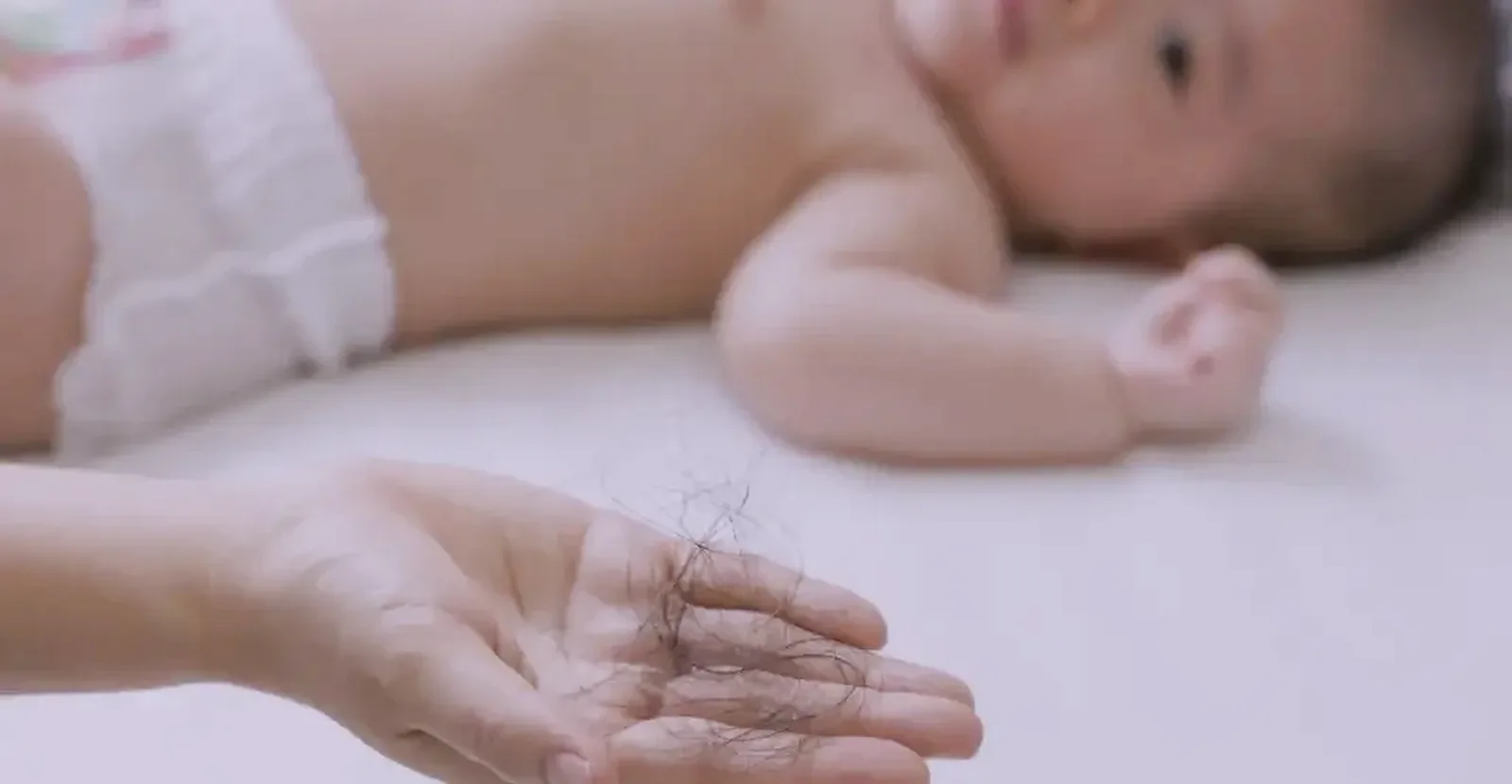
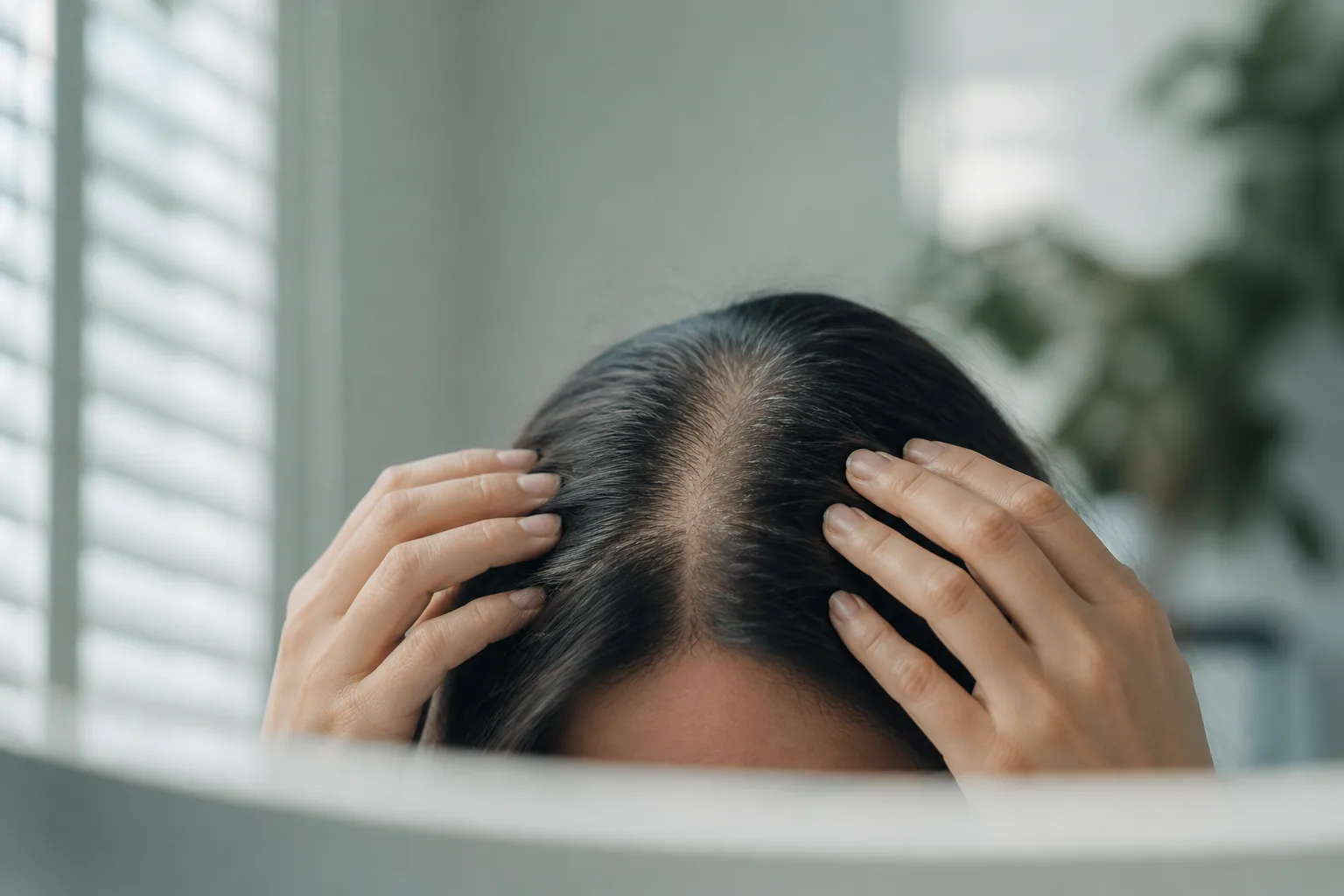
Checking a thinning hairline for Chinese medicine hair loss care

Insights · Hair Loss

Chinese Medicine for hair loss: How does it work?

Thinning often starts with Blood, Jing, or Damp-Heat, not the scalp alone. Acupuncture, herbs, and kitchen support usually fit once the mechanism is named.

In brief

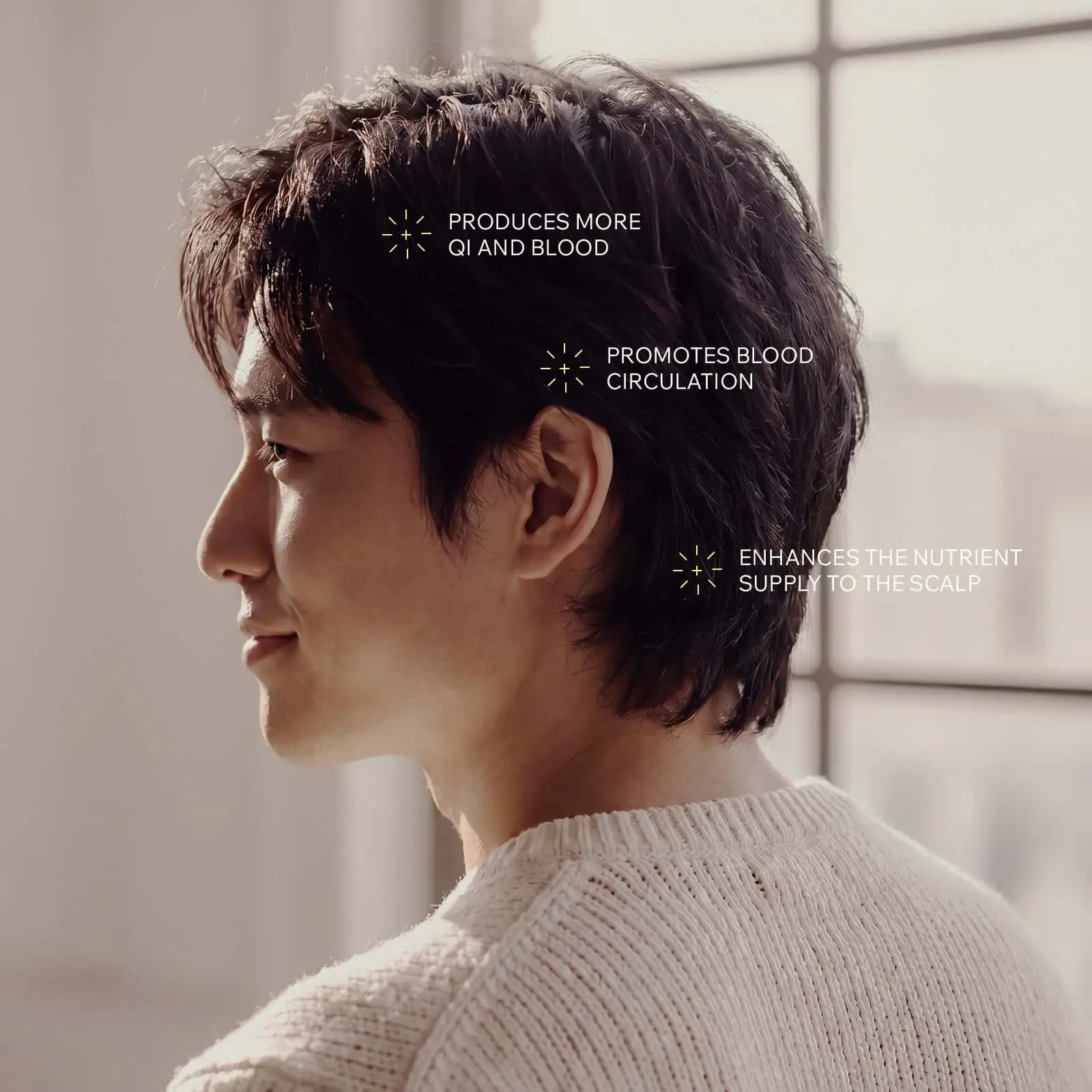
Everyday fall of about 50 to 100 hairs is normal. Faster loss or weaker growth can thin density. TCM teaches that hair is the surplus of Blood, fed through Spleen digestion and Liver storage and circulation, with Kidney Essence (Jing) for growth and colour. Stress may stagnate Liver Qi; humid climates often add Damp-Heat on an oily scalp. After assessment, acupuncture aims to move Qi and Blood to the scalp, and herbs work on the constitution pattern behind the fall.

Western view

Why hair falls in the first place

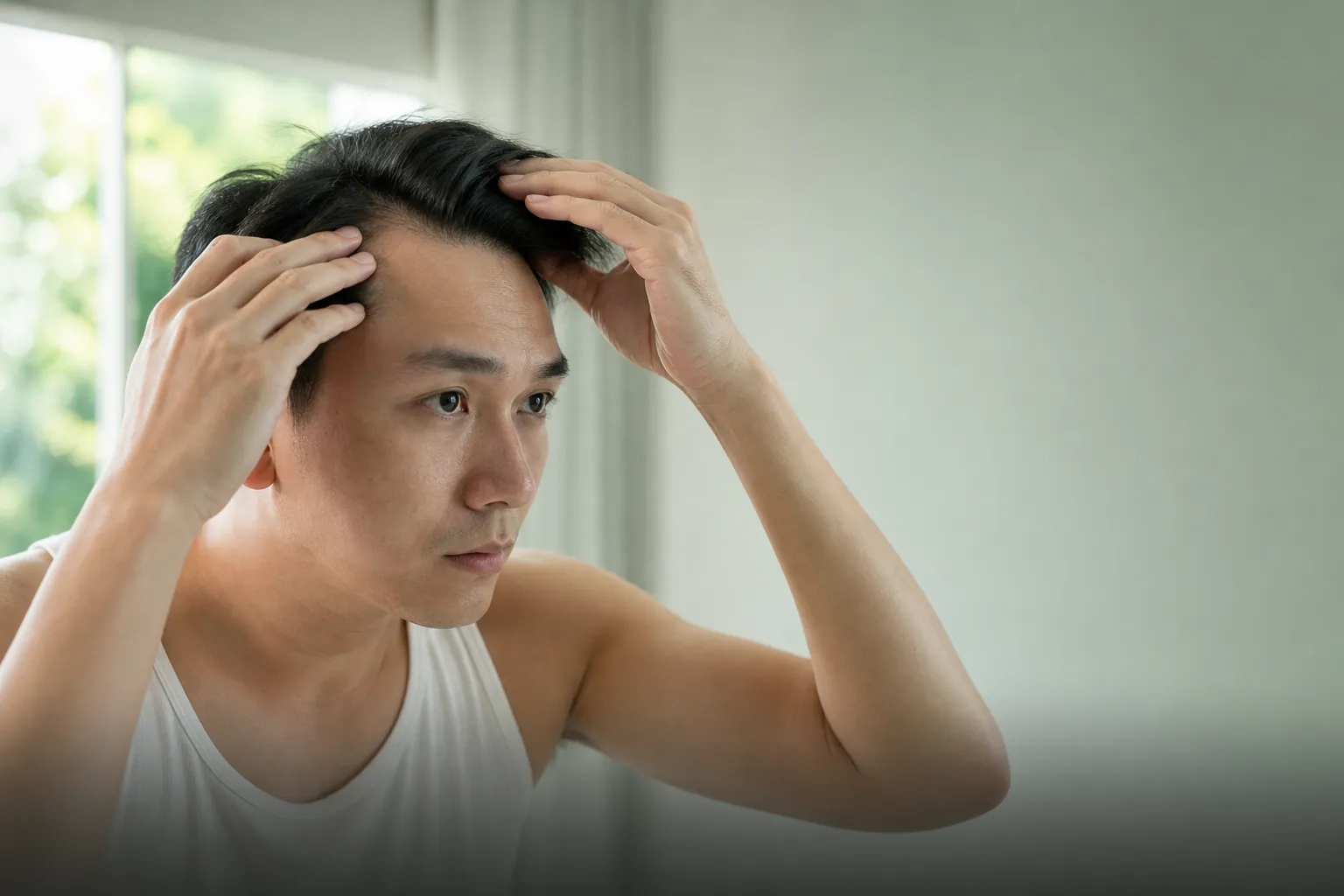
Most people shed about 50 to 100 hairs a day. Faster fall or weaker growth can thin density. Western medicine calls this alopecia; the common genetic form is androgenetic (male- or female-pattern) loss. Other drivers include medicines, follicle trauma, infection, medical conditions, emotional load, and lifestyle strain.
TCM mechanism

How Chinese medicine reads hair

TCM links hair health closely to Blood. Blood carries the nutrients that nourish the follicles, and that Blood depends on the Spleen, Liver, and Kidneys working together. Companion signs help name which system is leading.

1. Blood stagnation or deficiency · 发为血之余

Hair is taught as the surplus of Blood. The Spleen digests and absorbs nutrients; the Liver stores and circulates Blood. When either system is compromised, Blood deficiency or stagnation can starve the scalp of nourishment and thinning can follow. Companion signs may include pale colour, low energy, a dry or dull scalp, and fall that sits with poor appetite or fatigue.

2. Kidney Jing · 精

The Kidneys store Jing, a dense essence needed for growth and for hair colour. Compromised Kidney function or Jing deficiency may show as slower growth, brittle strands, or more white hairs beside thinning. Companion signs may include weak lower back or knees, feeling cold, night sweating, or tiredness that does not lift with rest.

3. Liver Qi stagnation

Beside storing Blood, the Liver regulates Qi, the drive that moves Blood. Prolonged stress, anxiety, anger, or emotional trauma can stagnate Liver Qi. Over time, weaker Blood drive to the scalp can affect hair quality and fall. Companion signs may include tight shoulders or jaw, irritability, chest tightness, and shedding that worsens after a stressful stretch.

4. Damp-Heat scalp

In hot, humid climates such as Singapore, Damp-Heat is common, especially in younger adults, and is often worsened by spicy food and cold drinks. Extra oil can clog pores and raise fall. Seborrheic dermatitis leaves the scalp red, flaky, itchy, and oily; scratching damages follicles and invites Malassezia, which makes regrowth harder. Companion signs may include sticky stools, facial oiliness, and a heavy or muggy body feel.

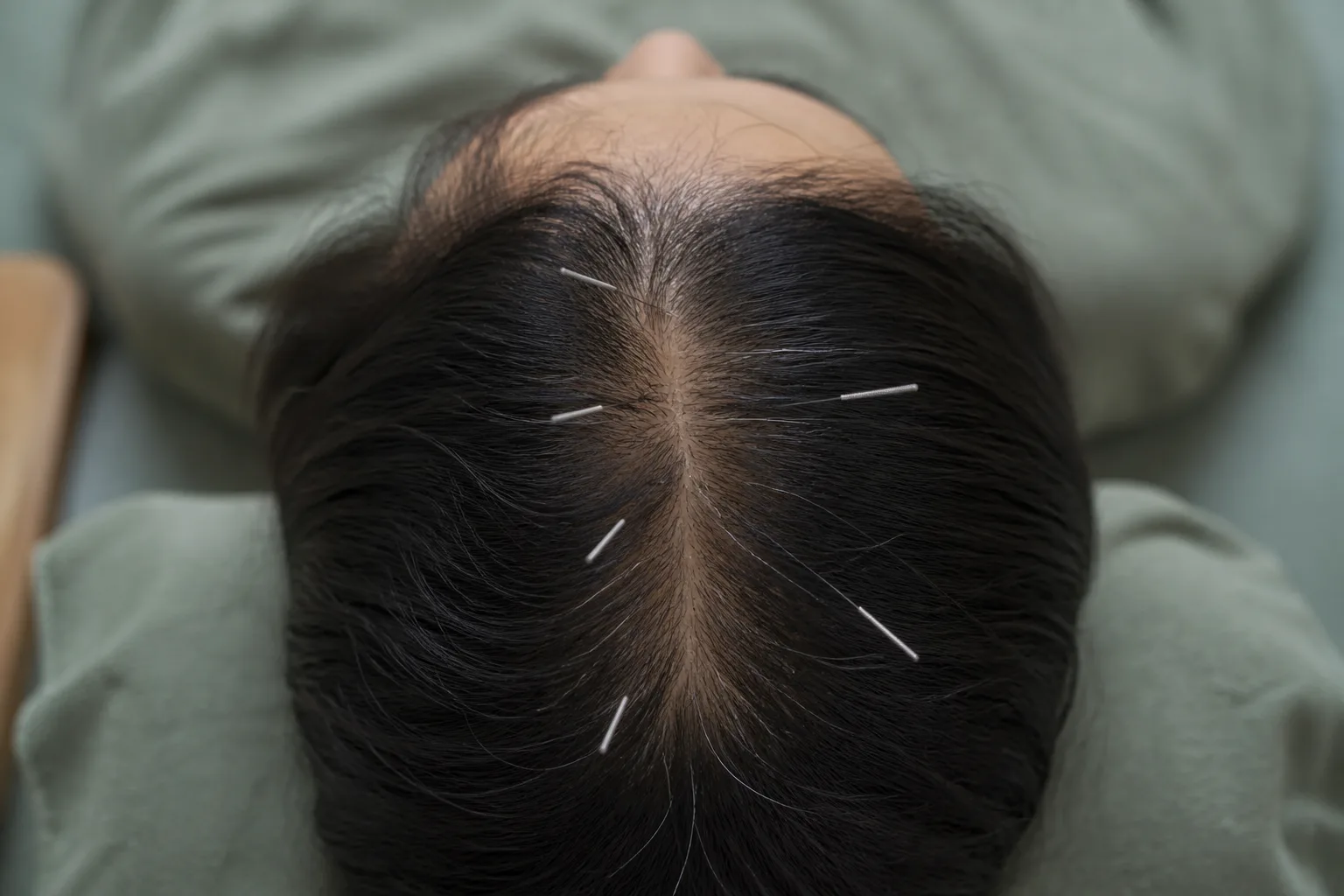
Scalp acupuncture needles for hair loss care at PULSE TCM

Clinic care

Treating hair loss the TCM way

After naming Blood, Jing, Liver Qi, or Damp-Heat, care matches that root rather than treating the scalp alone. For hair-loss types, five patterns with herbs, plum blossom needling, and a months-scale timeline, see the TCM’s way of combating hair loss.

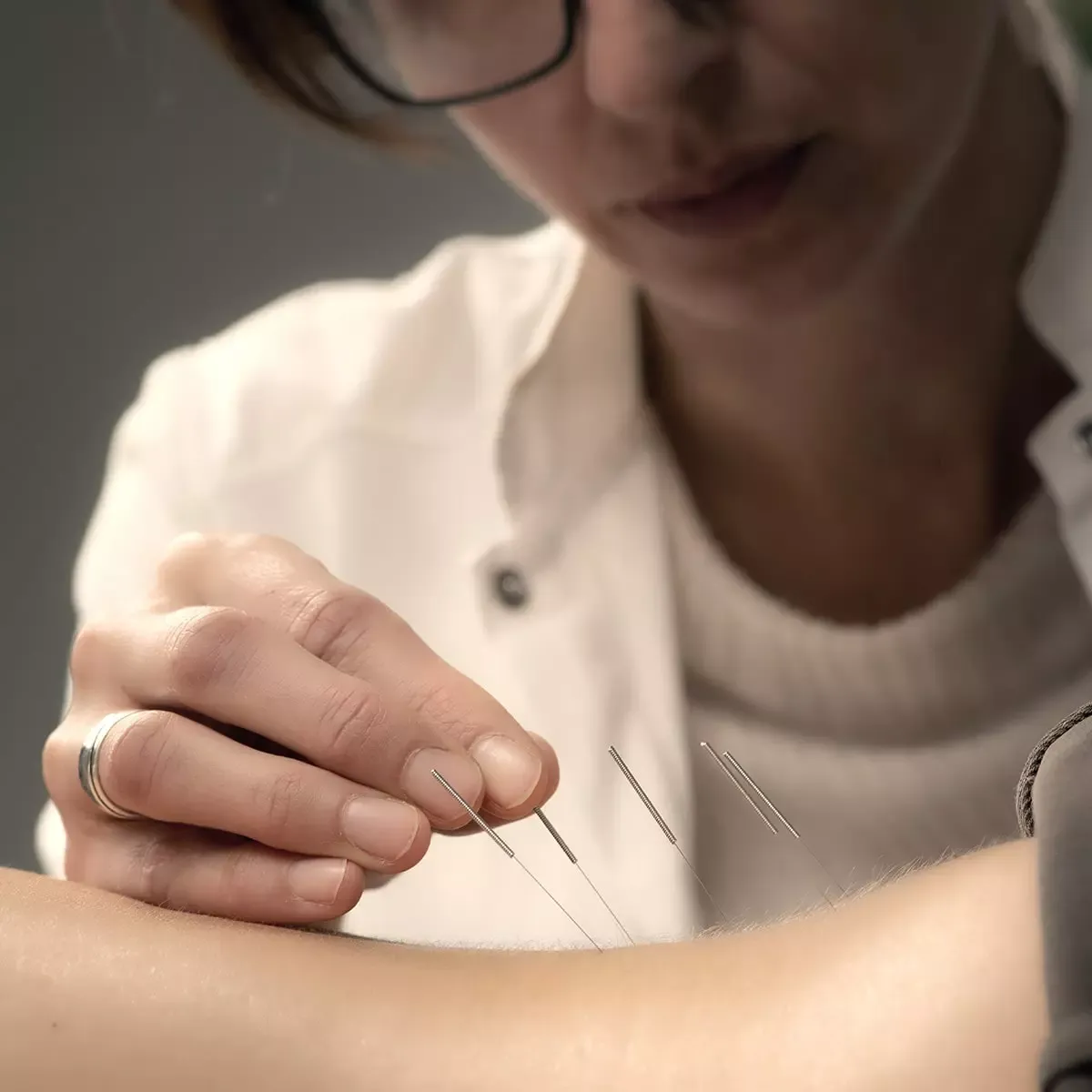
A physician assesses the root pattern behind the fall, then matches treatments to that pattern rather than treating the scalp in isolation. Acupuncture can improve Qi and Blood circulation to the scalp. Chinese herbal medicine works on constitution imbalances and may support the growth cycle when the formula matches your pattern. Plans sit beside dermatology when scalp disease or scarring is in view.

Read the TCM’s way of combating hair loss for the clinic toolkit depth. The Hair Loss programme gathers scalp acupuncture, herbs, and related modalities in one pathway.

Kitchen support

Foods matched to Blood and Kidney

Diet can support the same Blood and Kidney logic used in clinic. These kitchen allies are educational food therapy, not a substitute for physician assessment.

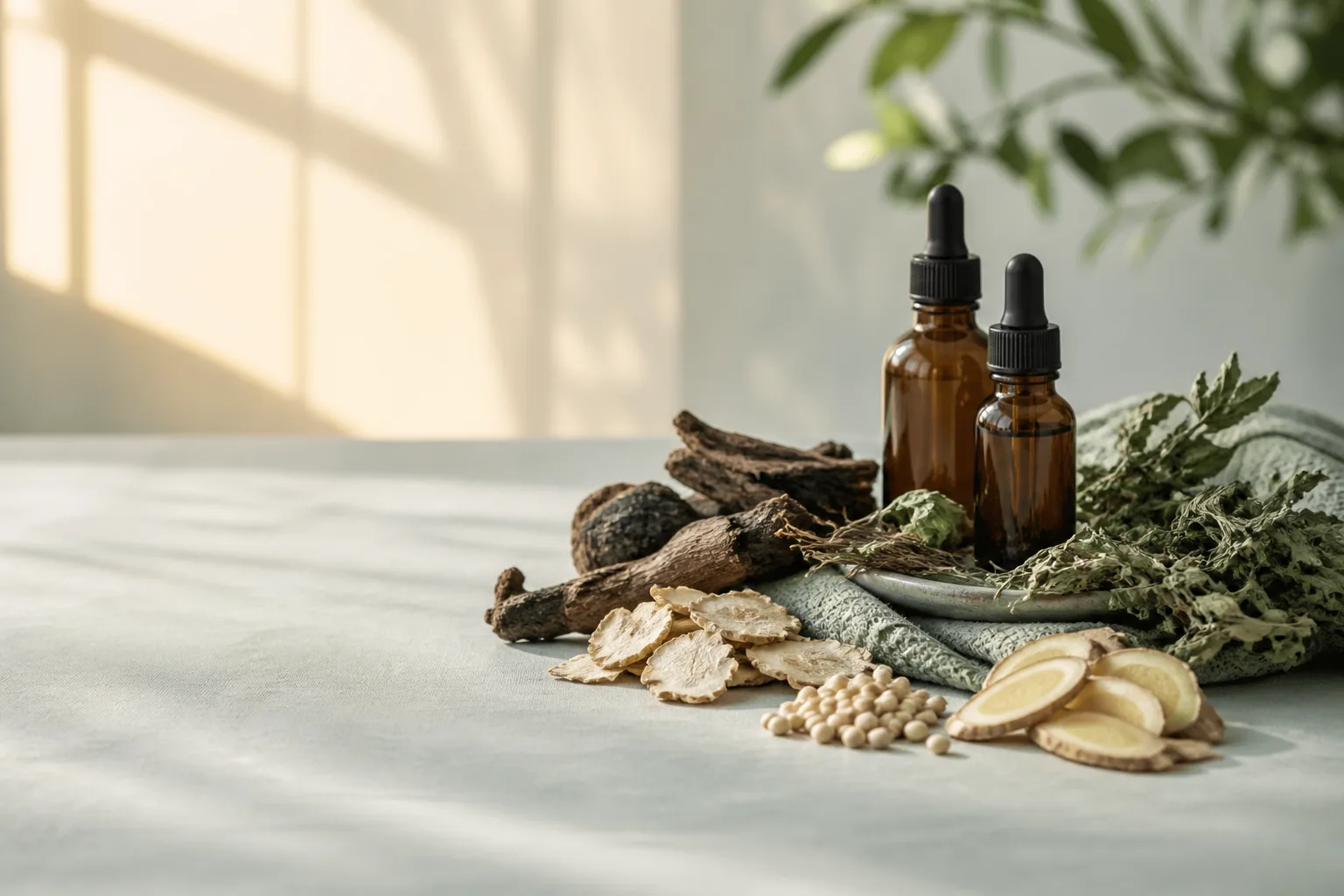
Kitchen allies for TCM hair support
Focus Kitchen allies
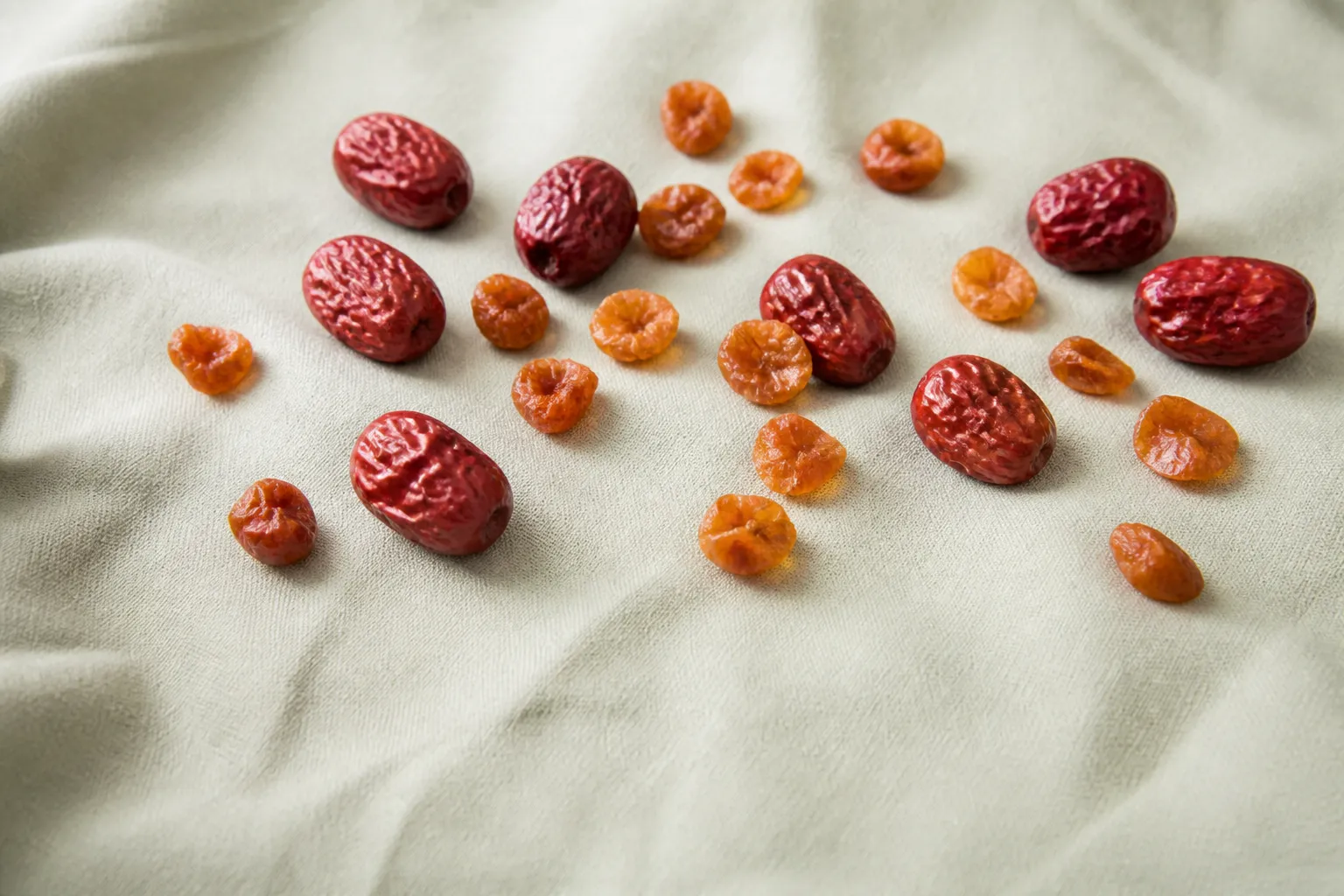
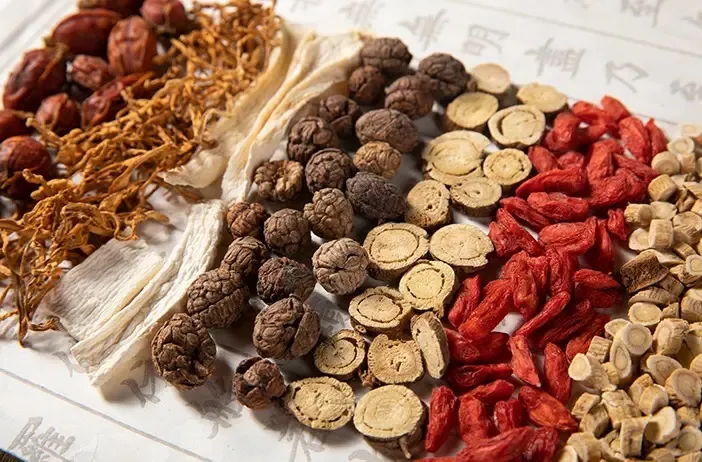
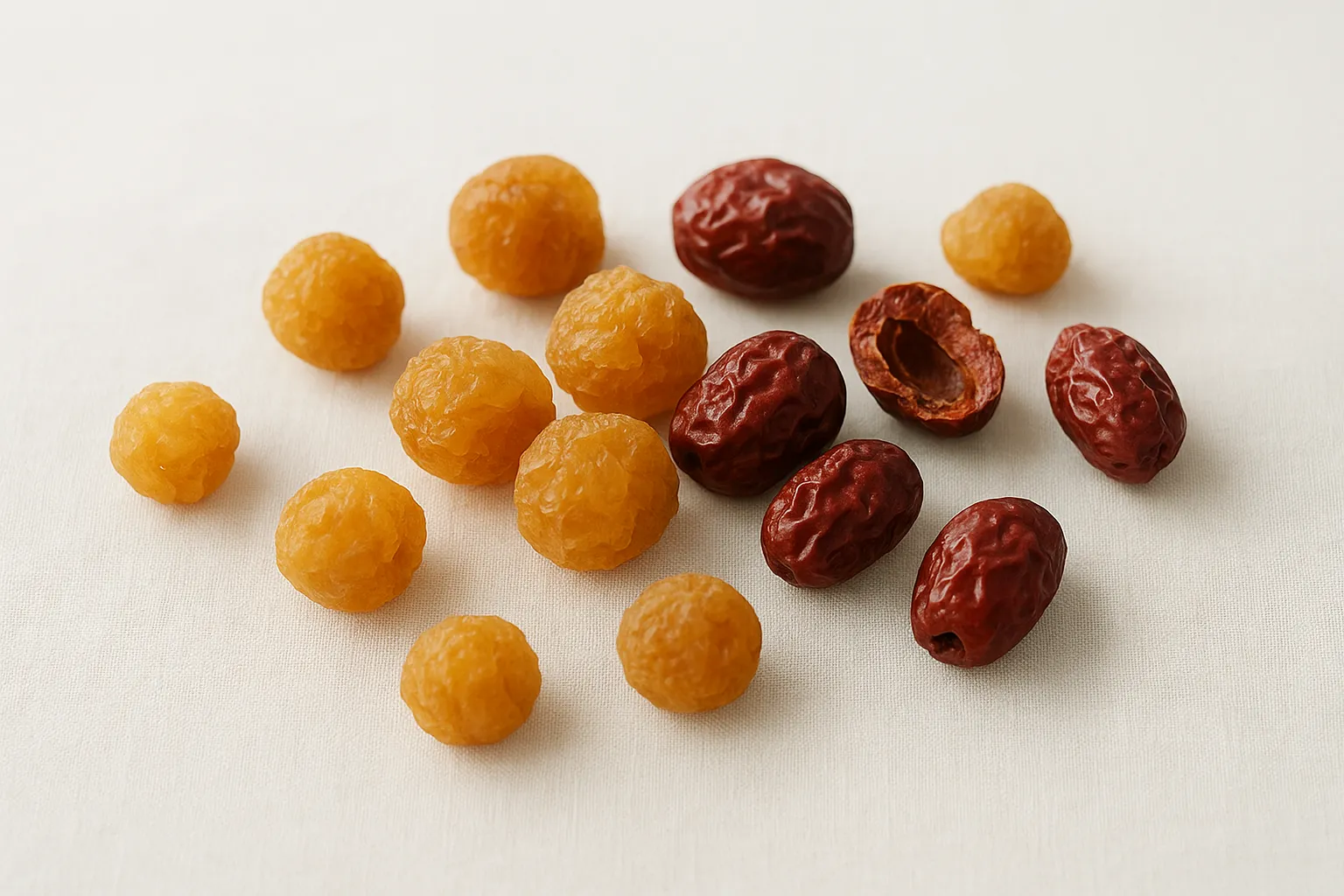
Blood nourishment Red dates and longan to replenish Blood when colour and energy run thin.
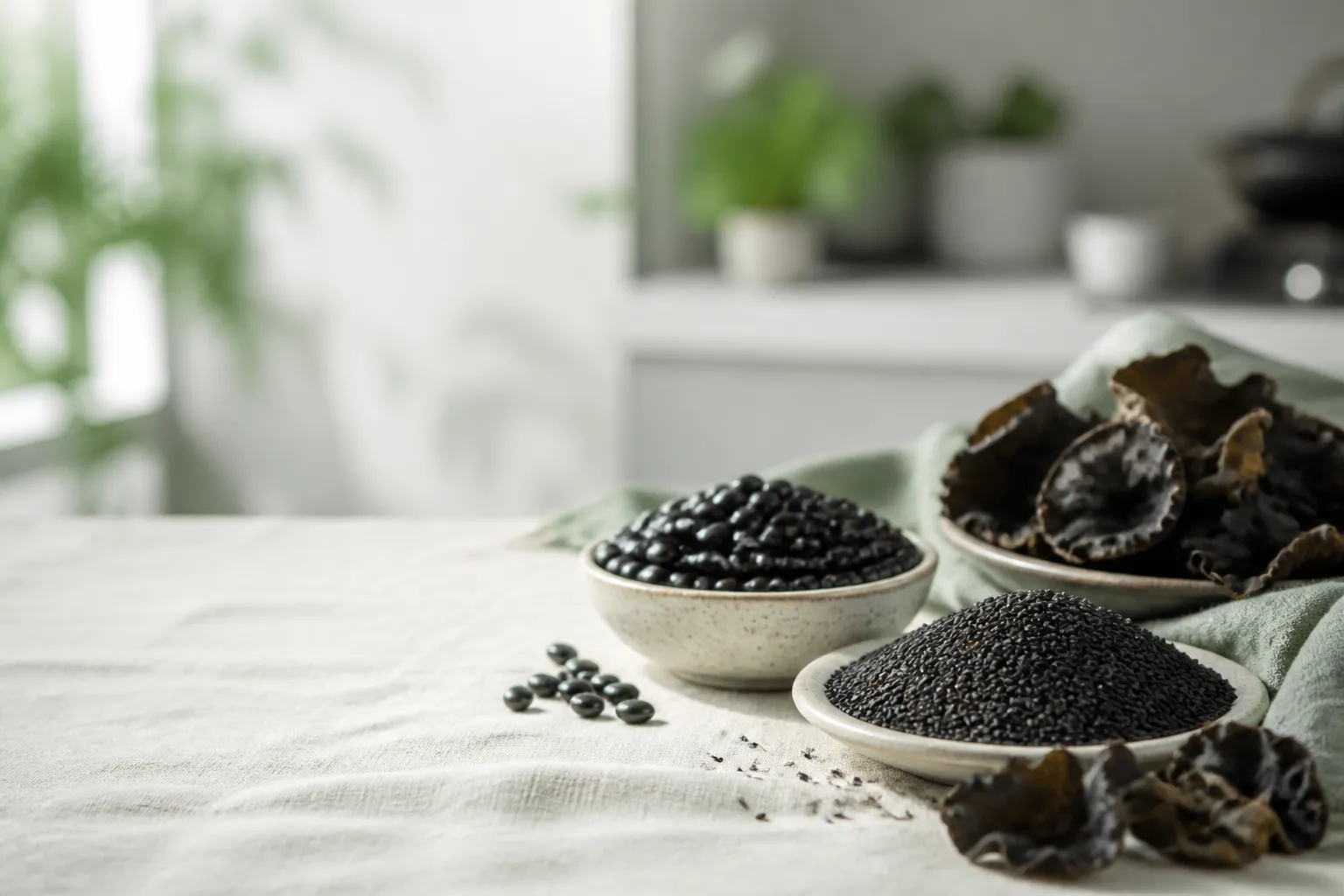
Kidney nourishment Black sesame, black beans, and black fungus; dark foods traditionally linked with Kidney support.
Dried red dates and longans for tea at PULSE TCM

Blood · 血

Red date longan tea

Red dates and longan are a classic brew when Blood runs thin and shedding sits with pale colour or low energy.

Make the red date longan tea
Blood Nourishment Tea with red dates and longan at PULSE TCM

Blood · 血

Blood Nourishment Tea

A measured red date and longan steep from the Tea Series when fatigue and thin colour sit with fall.

Make the Blood Nourishment Tea
Black beans, black sesame, and black fungus for Kidney hair support

Daily habits

Protect the scalp while pattern care works

Small daily habits protect follicles while Blood, Jing, and Damp-Heat care work underneath. Ease Damp-Heat foods when the scalp runs oily or itchy.

1. Do

Pat hair dry after a shower. Use gentler shampoos. Choose looser styles that do not pull the hairline. Keep a balanced diet, move regularly, regulate emotions, and rest enough.

2. Don’t

Scratch the scalp or rub hair hard with a towel. Wear tight ponytails or high buns; bleach, dye, perm, or use heating tools often. Lean heavily on cold, oily, spicy, fried, fatty, or sugary food when Damp-Heat sits on the scalp. Smoke or drink alcohol heavily.

Clinic tonics

TCM hair tonics

Topical tonics sit with the same pattern logic as internal herbs: calm itch, support follicles, and leave the constitution work to a matched formula.

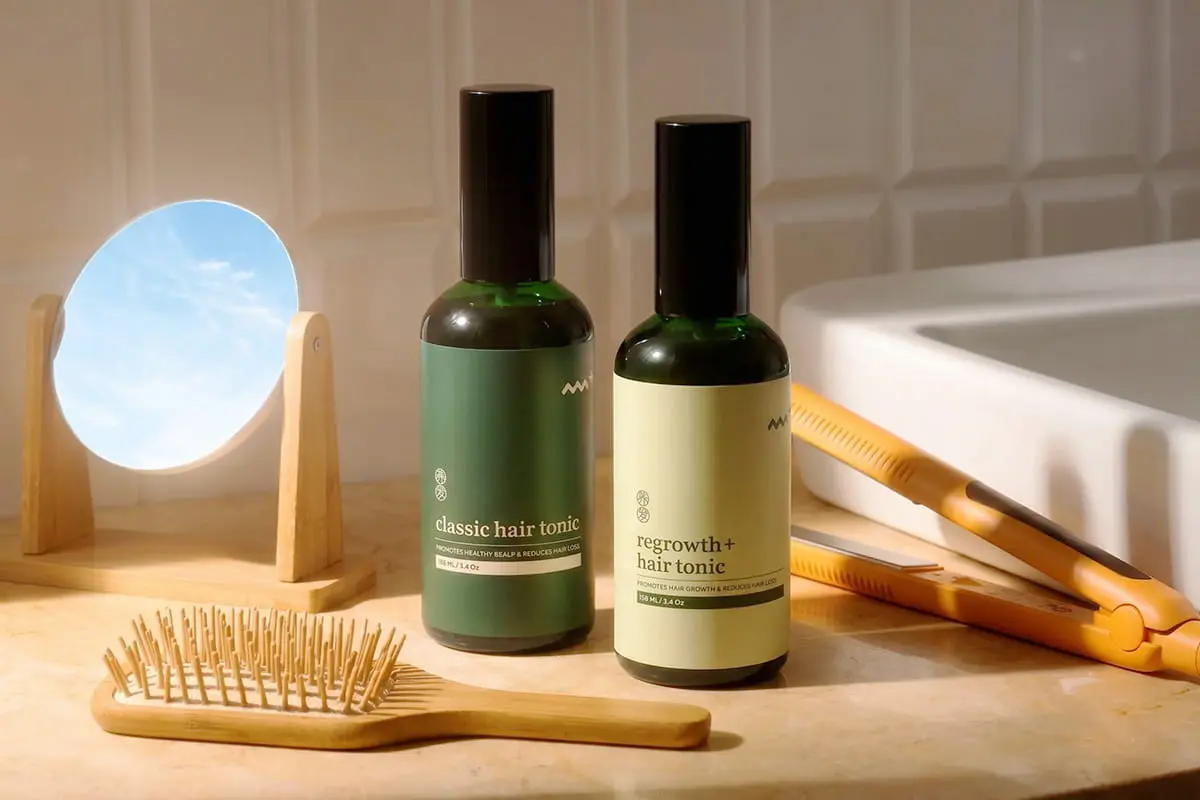
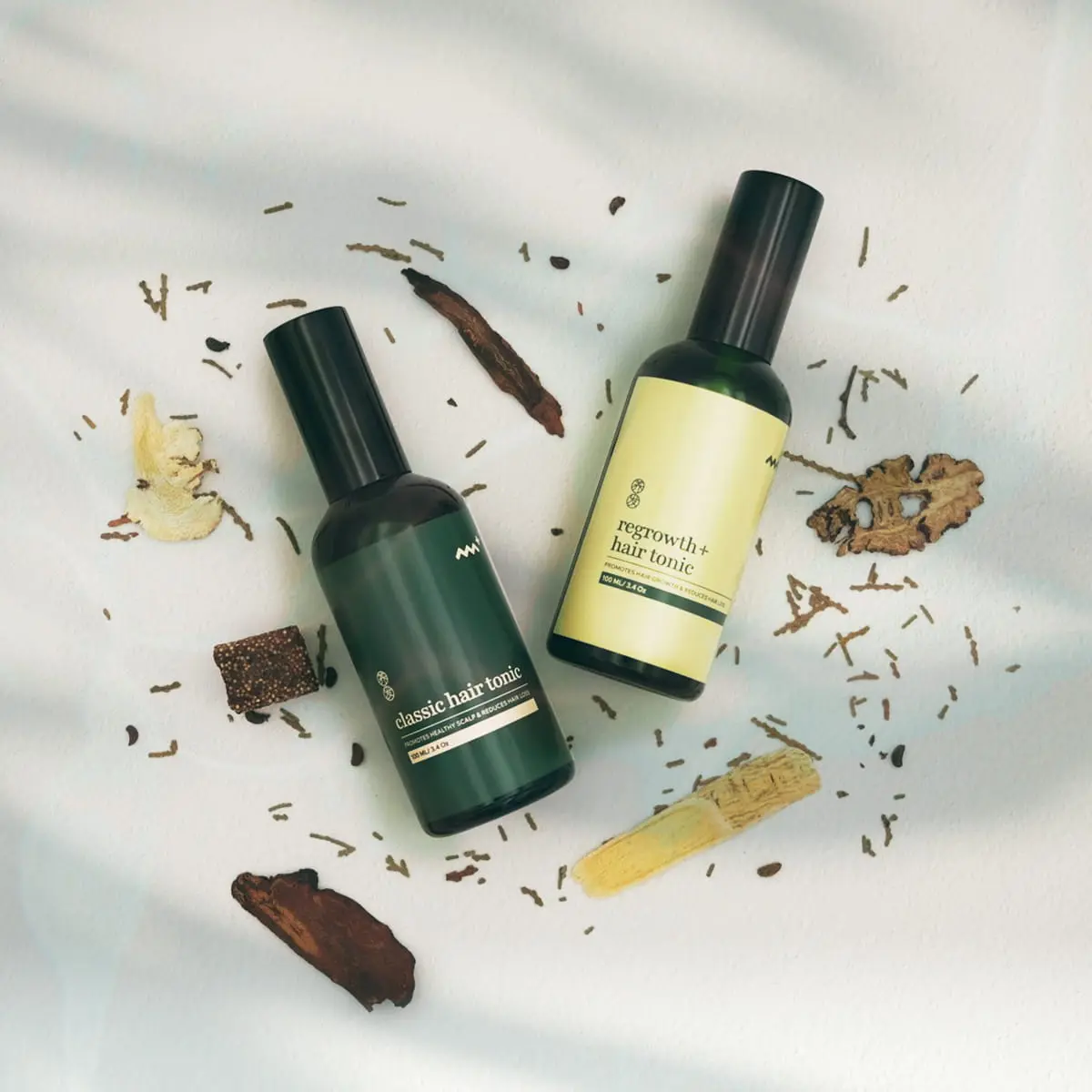
PULSE Chinese medicine-based hair tonics use natural herbs such as Zingiber officinale (Gan Jiang / 干姜) to ease scalp itchiness and Fallopia multiflora (He Shou Wu / 何首乌) to revitalise follicles and support growth when a physician matches the product to your scalp and pattern. For the full ten-herb map, see the botanical breakdown of PULSE Hair Tonic.

In-house tonics and the Hair Loss programme share that Qi-Blood and follicle logic. Do not self-dose herbs or tonics in pregnancy or on a complex medicine list without advice. Shop hair tonic on P:TTERN

PULSE Classic and regrowth hair tonics with TCM botanicals

When to book for hair loss

If fall is accelerating, density is thinning, the scalp is oily or itchy, or stress sits with shedding, a physician can name the mechanism and decide whether acupuncture, herbs, tonics, or kitchen support belong in your plan.

Dr Sim Beng Joo

Clinically reviewed

Reviewed by Sim Beng Joo

Advisor (Science & Strategy) / Consultant Physician · TCMPB T1303003A

MOH-licensed TCM physician and biomedical scientist, with clinical work in digestion, pain, sleep or fatigue, and constitution patterns that show as scalp and follicle load.

View full profile

Educational information based on clinical experience and TCM principles. Not a substitute for personalised consultation, medical care, or urgent attention. Speak with your physician before starting herbs, scalp tonics, or new self-care in pregnancy or with a chronic condition. Seek medical review for sudden total hair loss, infectious scalp disease, or scarring alopecia. TCM complements dermatology and does not replace it.

FAQs

Questions, answered

How Chinese medicine works for hair loss, Blood and Kidney Jing, Damp-Heat scalp, kitchen allies, and when to book.

How does Chinese medicine work for hair loss?

TCM reads hair through Blood, Qi, and Kidney Essence rather than the scalp alone. A physician names the leading pattern, then may use acupuncture to improve local circulation and herbs to correct constitution imbalance so follicles are better nourished. Care complements dermatology; it does not replace it.

Why does TCM link hair to Blood and the Spleen and Liver?

Hair is taught as the surplus of Blood (发为血之余). The Spleen digests and absorbs nutrients that become Blood; the Liver stores and circulates it. When either system is compromised, Blood deficiency or stagnation can thin the nutrient supply that reaches the follicles.

What does Kidney Jing have to do with hair growth and colour?

The Kidneys store Jing (精), a dense essence linked with growth, development, and reproduction. Jing also supports hair growth and colour. Kidney or Jing deficiency may show as slower growth, brittle strands, or more greying beside thinning.

Can Damp-Heat and an oily scalp cause hair fall?

Yes. In hot, humid climates, Damp-Heat is a common body type, often worsened by very spicy food and cold drinks. Extra oil can clog follicles. Seborrheic dermatitis on the scalp may itch and flake; scratching damages follicles and can invite Malassezia, which makes regrowth harder.

What kitchen foods support TCM hair care?

Blood-nourishing foods such as red dates and longan, and Kidney-nourishing dark foods such as black sesame, black beans, and black fungus, are classic allies. Food therapy supports a pattern-matched plan; it does not replace a consult or prescribed herbs.

When should I book TCM versus see a dermatologist for hair loss?

Book TCM when you want a pattern read for thinning, oily or itchy scalp, stress-linked fall, or constitution support beside other care. Seek medical or dermatology review for sudden total loss, infectious scalp disease, scarring alopecia, or any change that worries you urgently.

References

Selected sources

  1. National Center for Complementary and Integrative Health. Traditional Chinese medicine: What you need to know. 2019. https://www.nccih.nih.gov/health/traditional-chinese-medicine-what-you-need-to-know/
  2. Ministry of Health Singapore. TCM practitioners (Healthcare Professional Portal). https://hpp.moh.gov.sg/tcm-practitioners/
  3. World Health Organization. Traditional, complementary and integrative medicine. https://www.who.int/health-topics/traditional-complementary-and-integrative-medicine
  4. Liang Y, Yuan J, Shazada NE, Jiang J, Wu J. Traditional Chinese Medicine Treatment for Androgenetic Alopecia Based on Animal Experiments: A Systematic Review and Meta-Analysis. Evid Based Complement Alternat Med. 2022;2022:2588608. https://doi.org/10.1155/2022/2588608

Next step

Ready for a hair-loss pattern read?

Bring how long the fall or thinning has lasted, scalp itch or oiliness, stress load, medicines you already use, and any dermatology notes. We will name the mechanism in plain language and decide what belongs in your plan.

Hours
Most clinics daily 11:00 AM – 8:00 PM
Care
Physician-led consultation