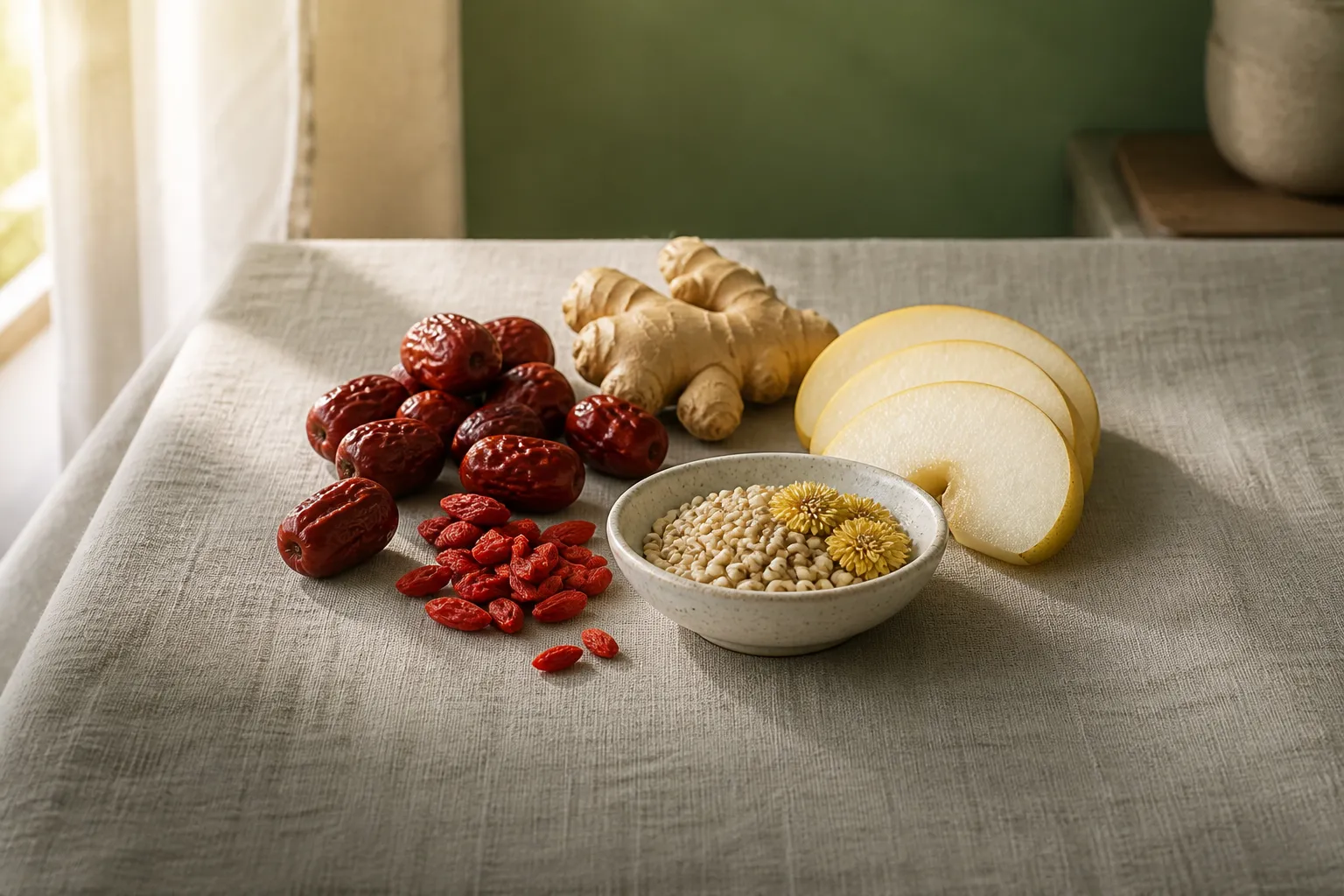
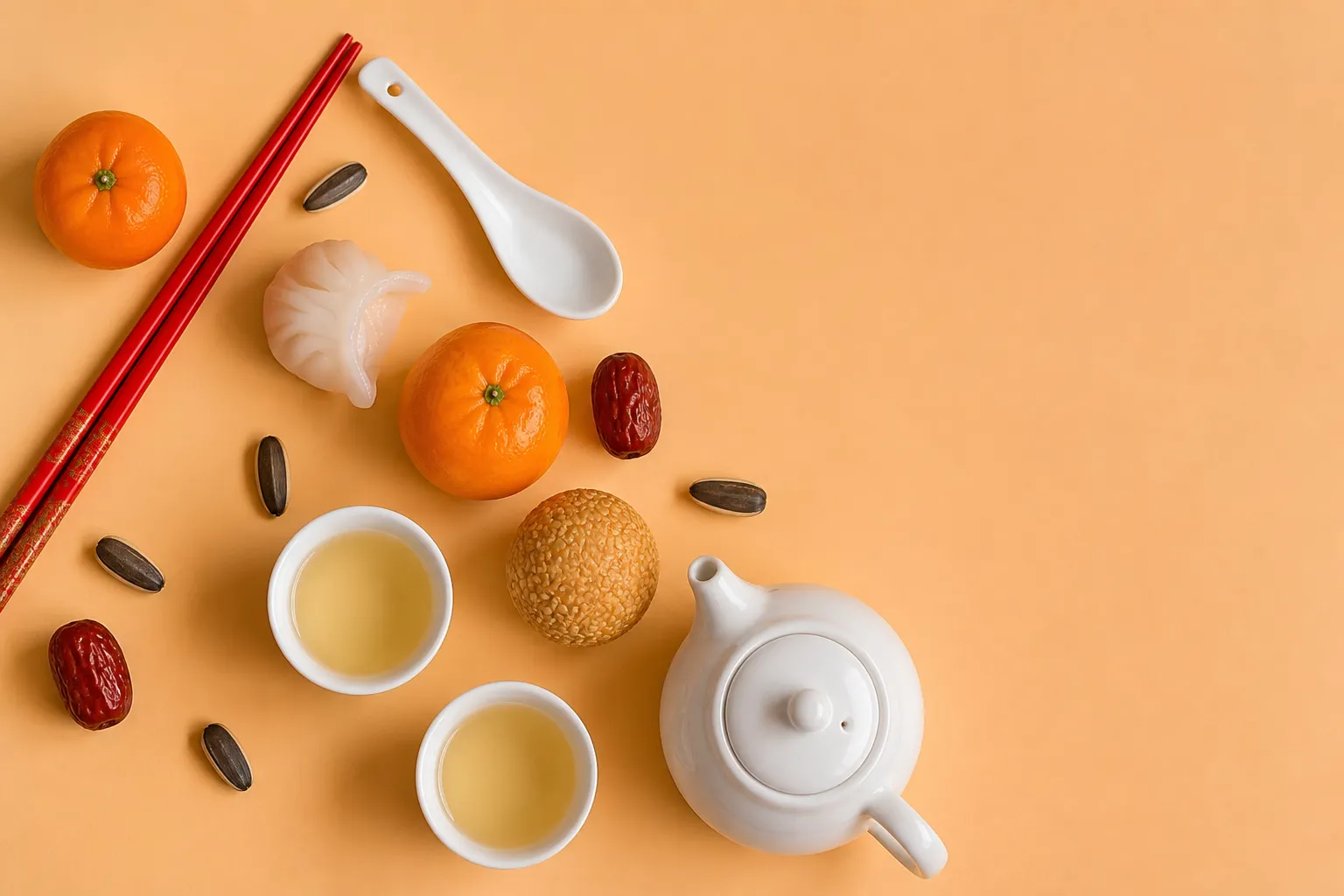
Mandarin oranges and CNY festive snacks on a table at PULSE TCM

Insights · General Health

How many calories in CNY foods?

Bak kwa, pineapple tarts, and tang yuan still carry sugar and fat. Use the numbers below so house visits stay enjoyable without guessing.

In brief

The densest CNY treats are a peanut tang yuan bowl (about 620 kcal) and a large bak kwa square (about 370 kcal and 35g sugar per 100g, with about 20g protein). Safer defaults are coin bak kwa (about 55 kcal and 3g protein per 15g), steamed prawn dumplings (about 45 kcal), and mandarins (about 45 kcal; keep to five a day). One pineapple tart is about 82 kcal and 15g sugar.

01 · Festive snacks

Lucky foods still carry calories

CNY · portion · sugar

Some festive delicacies appear only at Lunar New Year, and their names or shapes are meant to wish luck, wealth, or reunion. That symbolism does not cancel the sugar and fat in the jar. Figures below are typical commercial portions; brands and sizes vary.

  • Bak kwa and peanut tang yuan are usually the densest treats across Singapore house visits.
  • Coin bak kwa, steamed prawn dumplings, and mandarins are lighter defaults than large squares or filled peanut soup.
  • Portions beat bans: pick favourites, then stop when the small plate is empty.
02 · Compare

CNY snack calorie guide

A large bak kwa square is about 370 kcal and 35g sugar; a peanut tang yuan bowl can reach about 620 kcal. Coin bak kwa and steamed prawn dumplings sit near 45–55 kcal each.

Typical CNY snack portions, calories, and sugar
Food Portion Calories Sugar Portion tip
Tang yuan, peanutPeanut soup. 1 bowl About 620 kcal About 15g 1 small bowl; limit filled balls
Bak kwa (肉干), largePork square · ~20g protein. 100g square About 370 kcal About 35g Prefer coin pieces instead
Tang yuan (汤圆), plainSugar syrup. 1 bowl About 300 kcal About 15g Prefer plain over filled
Pineapple tartStandard tart. 1 tart About 82 kcal About 15g Stop at 2 a day
Dumpling (饺子), friedPork and chives. 1 dumpling About 82 kcal Low Limit to 3–4 meat dumplings
Dumpling, steamed porkPork and chives. 1 dumpling About 65 kcal Low Steam or boil when you can
Bak kwa, coinSmall piece · ~3g protein. 15g coin About 55 kcal About 5.2g Up to 3 coin pieces a day
Mandarin orange (桔子)Whole fruit. 1 fruit About 45 kcal About 9g fruit sugar Keep to about 5 a day
Dumpling, steamed prawnPrawn and chives. 1 dumpling About 45 kcal Low Lighter savoury pick
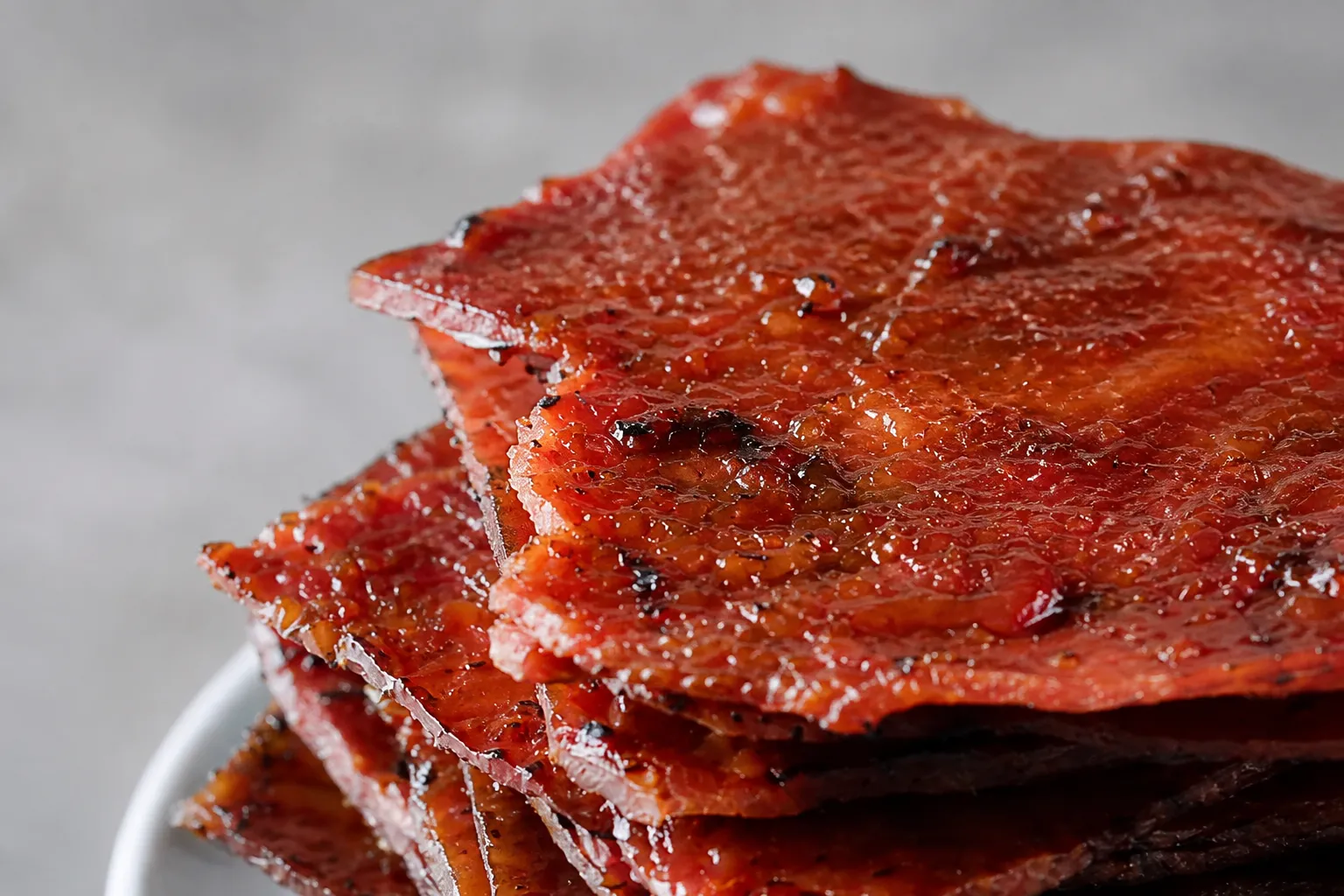
Stack of bak kwa slices showing bak kwa calories at PULSE TCM

03 · Bak kwa

Bak kwa (肉干)

Protein · sugar · fat

Bak kwa is dried meat, most often pork, sliced into squares and barbecued over charcoal with spices. The red colour is treated as auspicious, and gifts of bak kwa are meant to carry luck and ward off negativity.

  • Large square (100g): about 370 calories, 17g fat, 20g protein, and 35g sugar.
  • Coin piece (15g): about 55 calories, 2.5g fat, 3g protein, and 5.2g sugar.
  • Protein vs sugar: protein is real, but fat and sugar outweigh that benefit in large squares. Choose coin-shape or small squares (~15g) and keep to a maximum of 3 small coin pieces a day.

04 · Pineapple tarts

Pineapple tarts

Ong lai · sugar · butter

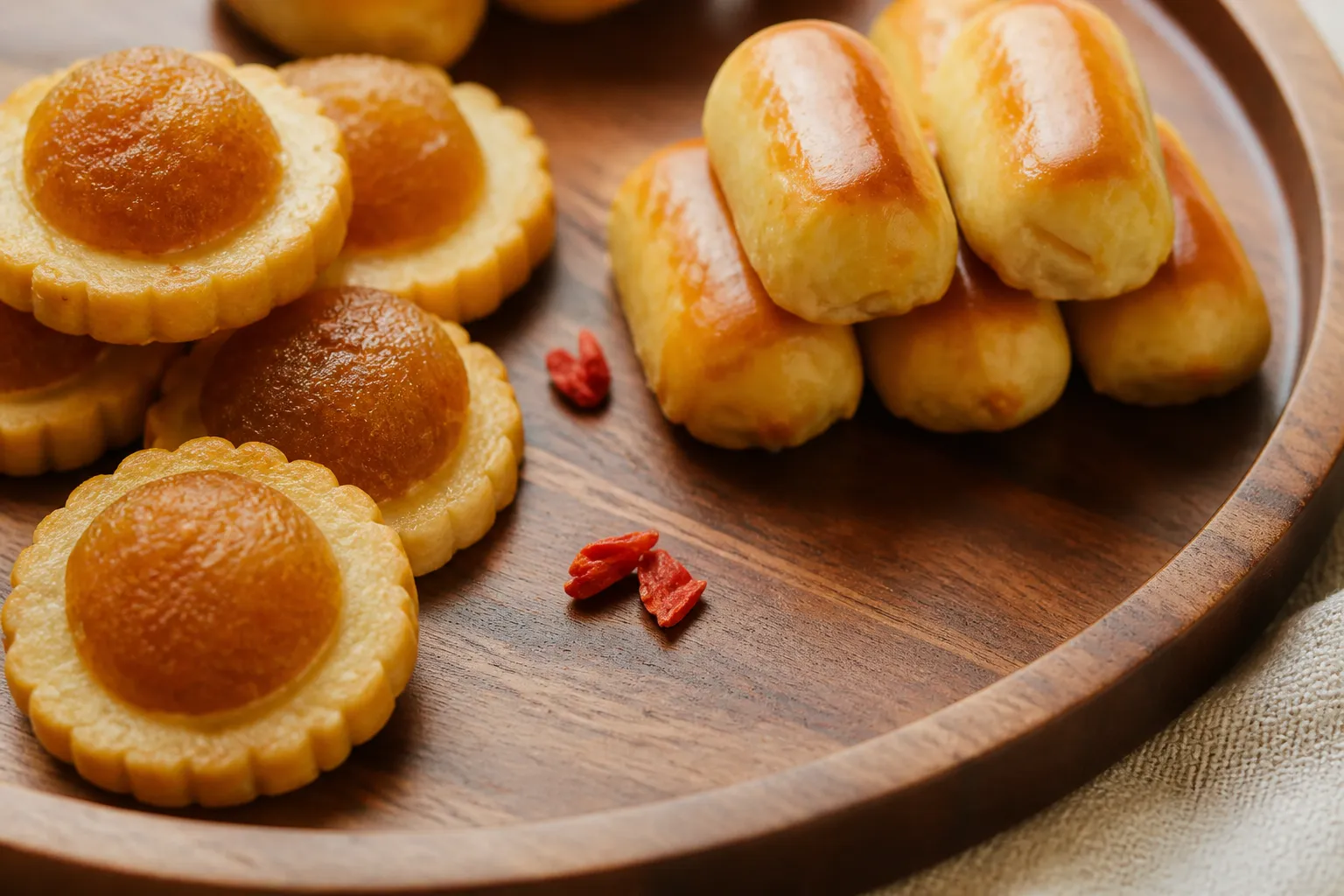
A pineapple tart is a buttery biscuit base topped with pineapple jam, and a common CNY gift. In Hokkien, pineapple is ong lai, literally “fortune come”.

  • Per tart: about 82 calories, 2.5g total fat, and 15g sugar.
  • Four tarts can hold about 12 teaspoons of sugar, roughly the sugar in 1.5 cans of less-sugar cola. Keep to 2 tarts in one day when sugar load is stacking.
Pineapple tarts on a wooden tray for CNY foods calories at PULSE TCM
Mandarin oranges in a white bowl for CNY foods calories at PULSE TCM

05 · Mandarin oranges

Mandarin oranges (桔子)

Luck · Vitamin C · fruit sugar

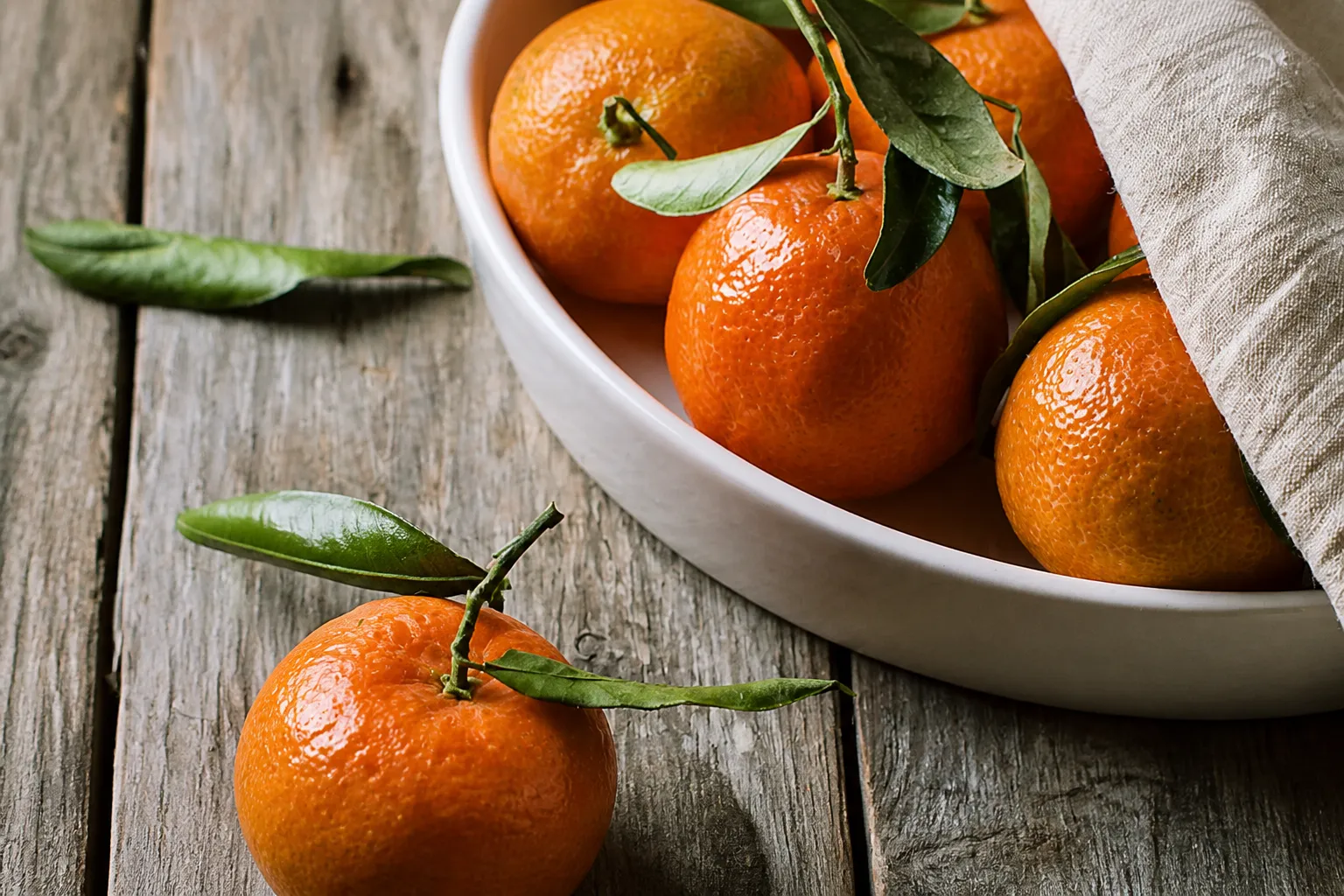
The mandarin is a traditional symbol of good fortune. Spoken Mandarin “桔” sounds close to “luck 吉”, and the orange hue is often linked with gold (金), which is why families give the fruit as a wish of prosperity.

  • Per fruit: about 45 calories, 40mg Vitamin C, 9g fruit sugar, and 1.5g dietary fibre. Still one of the better CNY snacks when portions stay honest.
  • Easy to overeat: sweeter flesh and easy peel can push several in a sitting. Keep to about 5 a day when fruit sugar stacks with other festive sweets (calorie load similar to a bowl of rice).

06 · Dumplings

Dumplings (饺子)

Wealth shape · steam vs fry

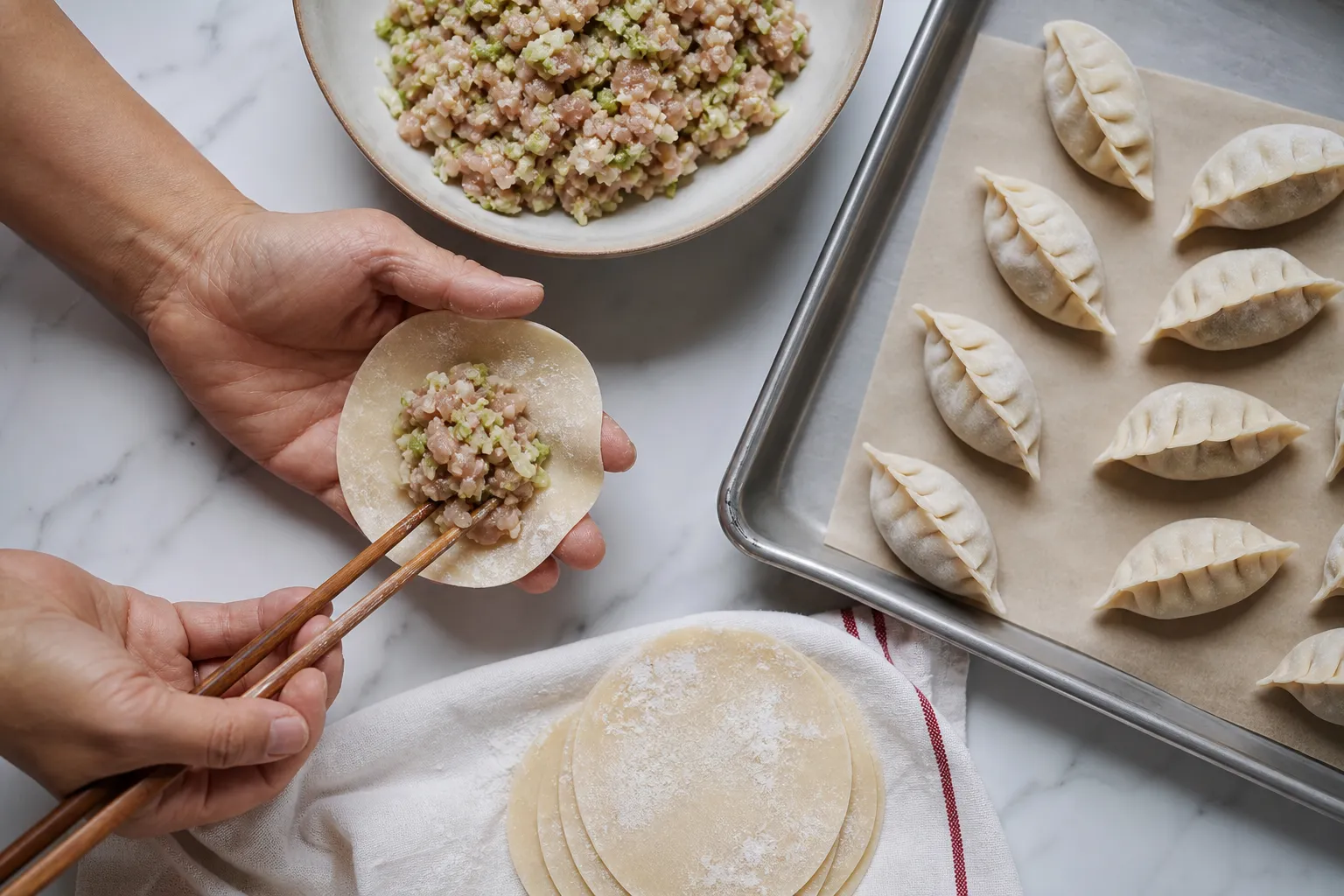
Dumplings symbolise wealth because their shape recalls an ancient Chinese gold ingot. They are often eaten on Chinese New Year’s Eve; “饺子” also points to the changing of the years. Fillings range across prawn, pork, chicken, leek, chives, and cabbage, and cooking can be steamed, boiled, or fried.

  • Fried pork and chives: about 82 calories, 2.5g protein, 5.2g fat, and 6g carbohydrates.
  • Steamed pork and chives: about 65 calories, 2.5g protein, 3.5g fat, and 6g carbohydrates.
  • Steamed prawn and chives: about 45 calories, 2.5g protein, 2g fat, and 6g carbohydrates.
  • Making your own: lean minced pork or chicken, prawn, plus cabbage or leeks; steam or boil to cut fat.
  • Eating out: choose prawn or seafood with vegetables and steamed dumplings. Keep dumplings as part of a meal, limit to 3–4 meat dumplings, and balance with fish, chicken, and vegetables.
Hands folding dumplings for CNY foods calories at PULSE TCM
Tang yuan in syrup showing tang yuan calories at PULSE TCM

07 · Tang yuan

Tang yuan (汤圆)

Union · Yuanxiao · Winter Solstice

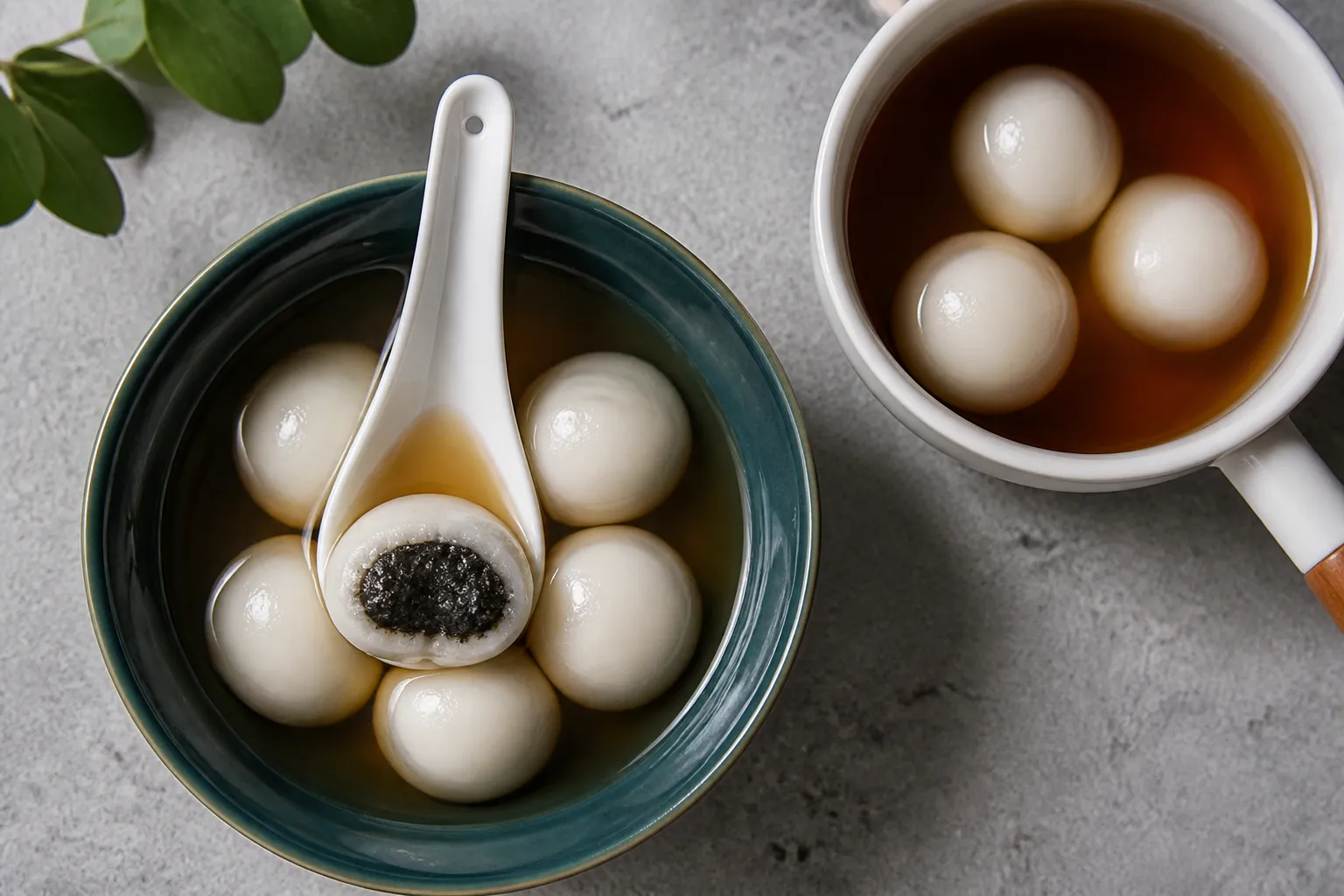
Tang yuan is a Chinese dessert of glutinous rice balls, sometimes filled, cooked in sweet syrup. The round shape and pronunciation symbolise union. Families eat it through the CNY period, especially on the 15th day (Yuanxiao / Chap Goh Mei), and also at Winter Solstice (Dongzhi).

  • Plain in sugar syrup (1 bowl): about 300 calories, 0.6g fat, 56g carbohydrates, and 15g sugar.
  • Peanut tang yuan (1 bowl): about 620 calories, 32g fat, 15g saturated fat, 57g carbohydrates, and 15g sugar.
  • Prefer plain over filled versions to cut calories, fat, and sugar by at least about 30%. Pair with unsweetened tau huay for protein and take fewer rice balls. Keep to 1 small bowl; limit to about 3 large filled tang yuan.

08 · Festive tips

How to enjoy CNY snacks without overdoing it

House visits stack grazing. These habits keep the season enjoyable without an all-or-nothing ban.

1. Do not visit on an empty stomach

Eat a light, protein-rich meal before relatives so empty-calorie snacks are less tempting.

2. Hydrate smartly

Swap sugary packet drinks and sodas for unsweetened green tea, oolong tea, or plain water.

3. Use a small plate

Put the snacks you intend to eat on a small plate rather than grazing from the jar. When the plate is empty, stop.

4. Prioritise your favourites

Do not spend calories on lukewarm treats. Pick one or two absolute favourites and savour them slowly.

09 · After the visits

When snacks feel heaty or heavy

In TCM, repeated sugar-and-fat snacks can add heaty and damp load on top of late nights and air-conditioning. Calorie counts help with portions; pulse and tongue still name the pattern.

1. Throat dryness or mouth ulcers

Often read with heaty load from fried snacks, bak kwa, and rich desserts after a stretch of house visits.

2. Greasy mouth or sluggish digestion

Damp and food stagnation pictures are common after peanut tang yuan, pastry, and late grazing.

3. Appetite and weight still swinging

Festive sugar-and-fat load can keep appetite unsettled after CNY even when the jars are put away.

When to book after the festive stretch

If digestion stays heavy, sleep is off, or weight and appetite keep swinging after CNY, bring what you have been eating. A physician can name the pattern; Medical Nutrition Therapy can set a personal festive plan when macros need a closer read.

Dr Sim Beng Joo

Clinically reviewed

Reviewed by Sim Beng Joo

Advisor (Science & Strategy) / Consultant Physician · TCMPB T1303003A

MOH-licensed TCM physician and biomedical scientist, with clinical work in digestion, constitution patterns, and how festive diet load shows on pulse and tongue.

View full profile

Educational information based on clinical experience, nutrition guidance, and TCM principles. Calorie and macro figures are typical estimates for common portions, not a personal meal plan. Not a substitute for personalised consultation, medical care, or urgent attention. Speak with your physician or dietitian before starting a restrictive diet, herbs, or new self-care in pregnancy or with a chronic condition.

FAQs

CNY snack questions

Common questions before the next house visit or festive dessert.

What is the most fattening Chinese New Year snack?

A peanut tang yuan bowl can reach about 620 calories. A large 100g bak kwa square is about 370 calories and 35g of sugar. Coin bak kwa and plain tang yuan cut that load if you still want the festive taste.

How much sugar is in a pineapple tart?

About 15g of sugar and about 82 calories per standard tart. Four tarts can hold about 12 teaspoons of sugar. Keep to two a day if sugar load is the concern.

How much protein is in bak kwa?

A large 100g pork bak kwa square has about 20g of protein alongside about 370 calories, 17g fat, and 35g sugar. A 15g coin piece has about 3g protein, 55 calories, 2.5g fat, and 5.2g sugar. Protein is real; sugar and fat still lead in large squares.

What are the best low-calorie Chinese New Year snacks?

Mandarins (about 45 calories; keep to five a day), kuaci that slow grazing, and steamed prawn or vegetable dumplings (about 45–65 calories) are usually lighter than fried snacks, bak kwa squares, or filled tang yuan.

Can I eat Bak Kwa if I am on a diet?

Yes, with portion control. Skip the 100g square (about 370 calories) and choose coin pieces: about 55 calories and 3g protein per 15g. Up to three small coin pieces a day is a common portion ceiling.

How can I avoid gaining weight during Chinese New Year?

Eat a light protein-rich meal before visits, swap sugary drinks for unsweetened tea or water, put snacks on a small plate and stop when it is empty, and spend calories only on one or two favourites.

References

Selected sources

  1. National Center for Complementary and Integrative Health. Traditional Chinese medicine: What you need to know. 2019. https://www.nccih.nih.gov/health/traditional-chinese-medicine-what-you-need-to-know/
  2. World Health Organization. Traditional, complementary and integrative medicine. https://www.who.int/health-topics/traditional-complementary-and-integrative-medicine
  3. Ministry of Health Singapore. TCM practitioners (Healthcare Professional Portal). https://hpp.moh.gov.sg/tcm-practitioners/
  4. Original article author: Dietitian Adelyn Khoo.

Next step

Want a festive plan that still fits you?

Bring what you usually snack on during CNY and how your digestion sits afterwards. We will name the pattern in plain language and decide whether dietary therapy, herbs, or acupuncture belong in your plan.

Hours
Most clinics daily 11:00 AM – 8:00 PM
Care
Physician-led consultation