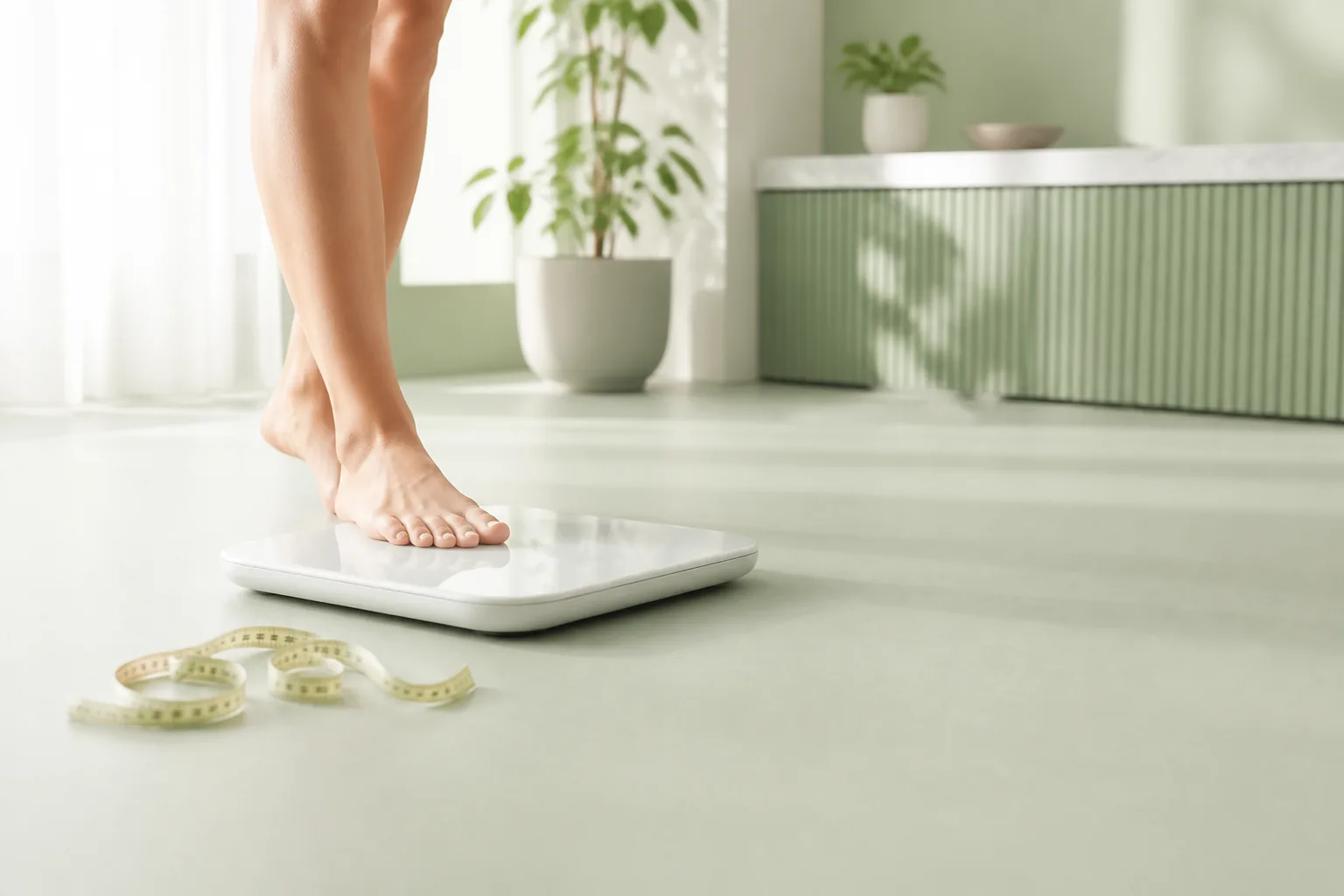
Bare feet stepping onto a white bathroom scale with a yellow measuring tape on a pale clinic floor

Insights · General Health

TCM & Obesity

Excess fat often tracks damp and phlegm when the Spleen slows. Care treats the body picture behind weight gain, then pairs movement, kitchen teas, and clinic acupuncture with lifelong habits.

In brief

In TCM, excess fat often reads as dampness and phlegm when the Spleen transports food and fluids poorly. Patterned acupuncture, cupping, and herbs treat that picture beside realistic meals and movement. Home tips include exercising three to five times a week, kitchen teas after heavy meals, and daily ear Hunger Point acupressure.

01 · Health first

Why weight care matters

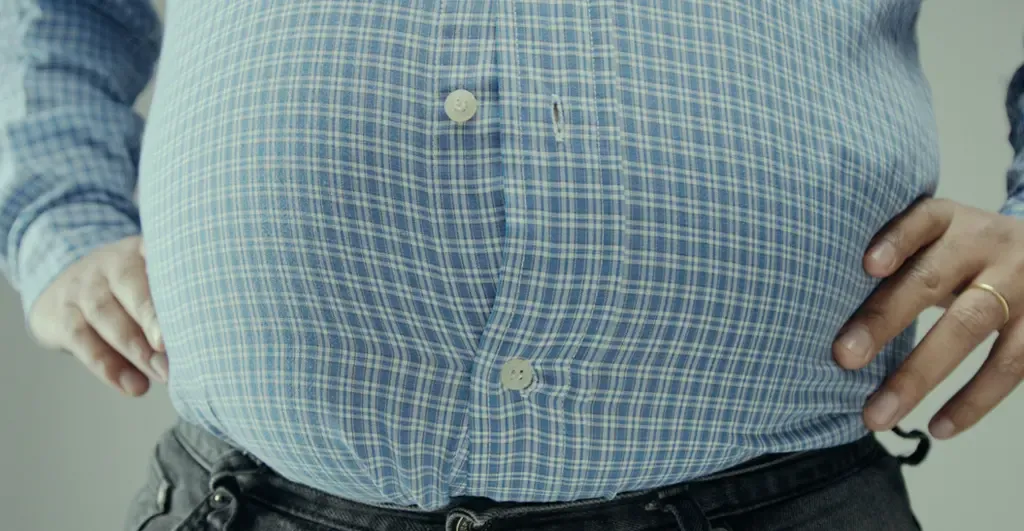
Obesity raises the chance of diabetes, hyperlipidaemia, hypertension, arteriosclerosis, fatty liver, and infertility. Weight care is a health goal, not a vanity project.

Losing weight should sit with disease prevention and long-term vitality. Self-motivation and patience matter: maintaining a healthy weight asks for lifelong effort, not a short burst of restriction.
02 · TCM view

Damp, phlegm, and the Spleen

From a TCM view, excess fat often tracks dampness and phlegm when the Spleen slows at transporting food and body fluids.

Over time, inactivity and heavy sweet, fried, or greasy meals leave the Spleen less efficient. Fluids stagnate, damp and phlegm accumulate, and that load settles as fatty tissue.

Mixed pictures are common. Pulse and tongue decide which lean leads. Stubborn weight often maps to three common body types: dampness, qi stagnation, and Spleen-Kidney deficiency. The diet guide for those types matches favour and avoid plates once the lean is named.

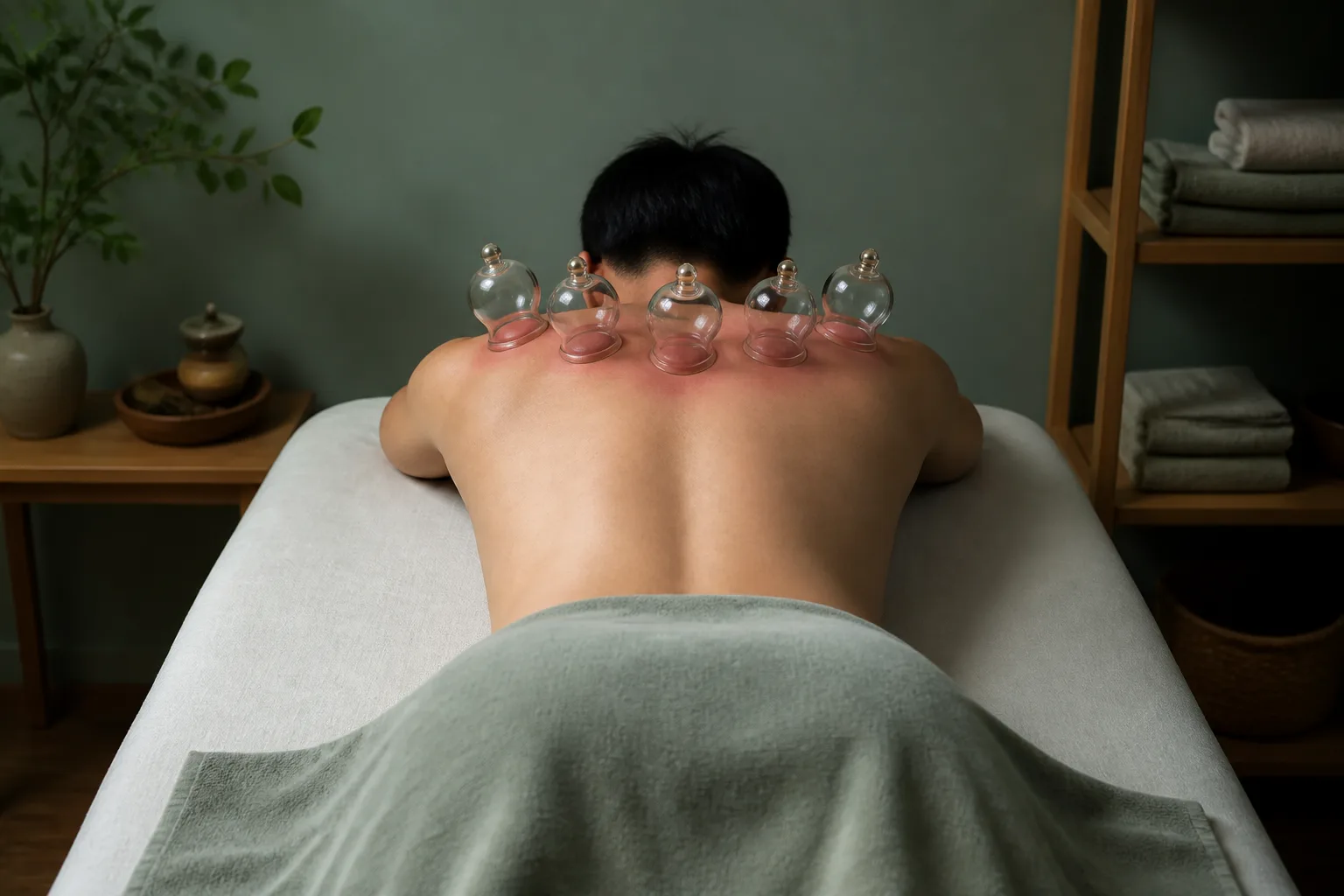
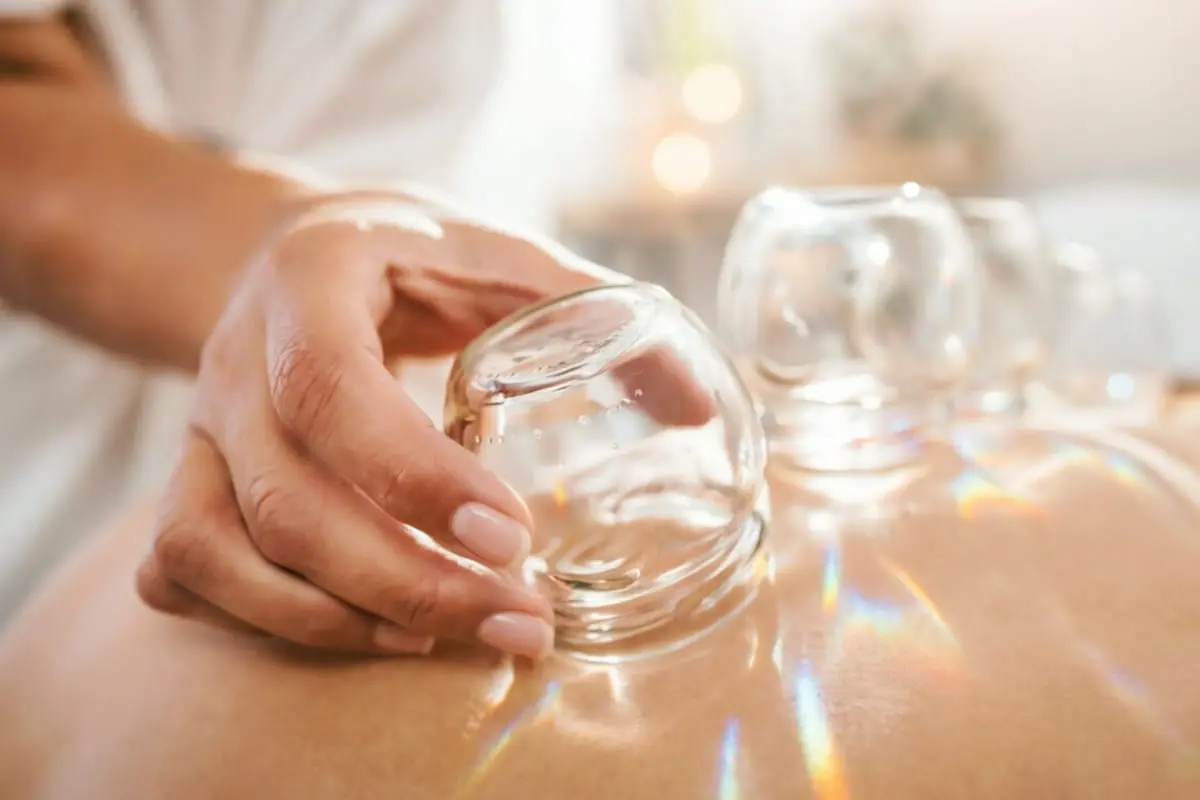
Cupping therapy for dampness patterns during weight-pattern care at PULSE TCM

03 · Clinic care

How TCM approaches obesity

Care does not chase excess fat alone. It treats the underlying body picture that led to weight gain, then matches acupuncture, cupping, and herbs to pulse and tongue.

1. Acupuncture for weight management

Supports circulation of qi and blood when damp and phlegm slow metabolism. May ease stress-linked eating, lift sluggish metabolism through point stimulation, ease body aches so exercise is more realistic, and settle digestion with less bloating. Needling is matched to the pattern, not a fixed slim-down list.

2. Cupping for damp stagnation

Used to ease damp stagnation and improve circulation of qi and blood. Adjunct care with acupuncture and habits, not a stand-alone fat-loss device.

3. Herbal prescription by pattern

A customised herbal prescription can sit on a weekly review beside other TCM care, matched to body type and current signs. There is no one formula for every person.

Plans work gradually and sit best with realistic meals and movement. Acupuncture, cupping, Chinese herbal medicine, and dietary therapy follow the pattern read. The Weight Management programme gathers that stack in clinic.

04 · Singapore

Local loads on damp and phlegm

Hawker grease, long desk hours, and iced drinks in air-con often stack cold-damp load on a Spleen already under strain.

Sweet drinks, fried plates, and late nights after sitting all day make transport harder. Small shifts (warmer drinks, walking after meals, less all-day ice) sit beside clinic care rather than replacing it. Desk-heavy weeks also map to the sedentary weight Insight.

05 · Self-care

Lifestyle tips beside clinic care

Move qi often, use kitchen teas after heavy meals, and press the ear Hunger Point daily. These habits support patterned care; they do not replace a physician read.

1. Move qi frequently

Damp and phlegm can stagnate or block qi. Exercise three to five times a week to clear stagnation and support metabolism. Pair movement with clinic acupuncture when circulation of qi needs extra help.

2. Drink tea after heavy meals

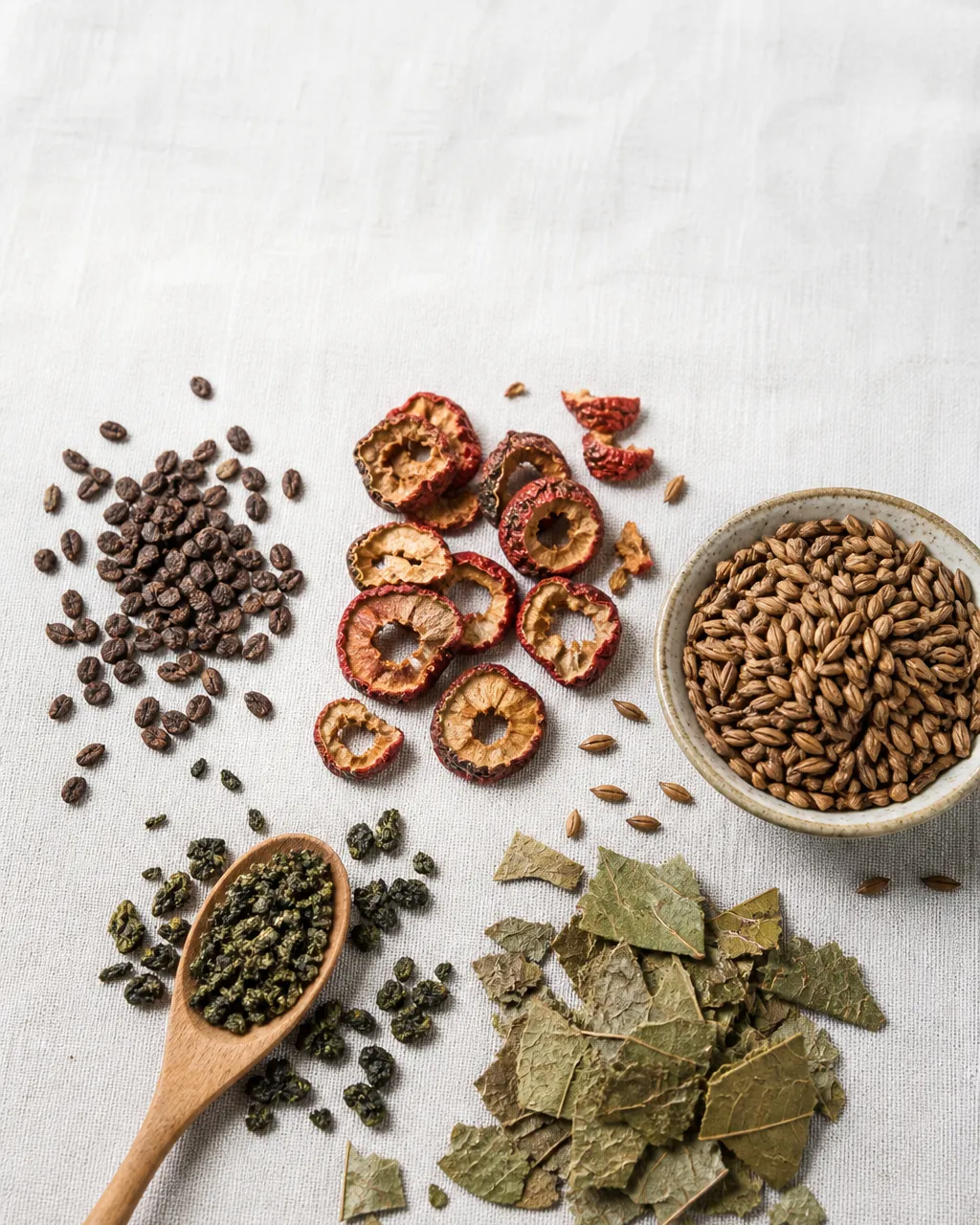
After a heavy or high-fat meal, Pu-erh tea is a classic kitchen habit. Another educational steep uses Chinese hawthorn, cassia seed, and lotus leaf. Cool cups need a pattern fit.

06 · Kitchen

Kitchen teas for damp load

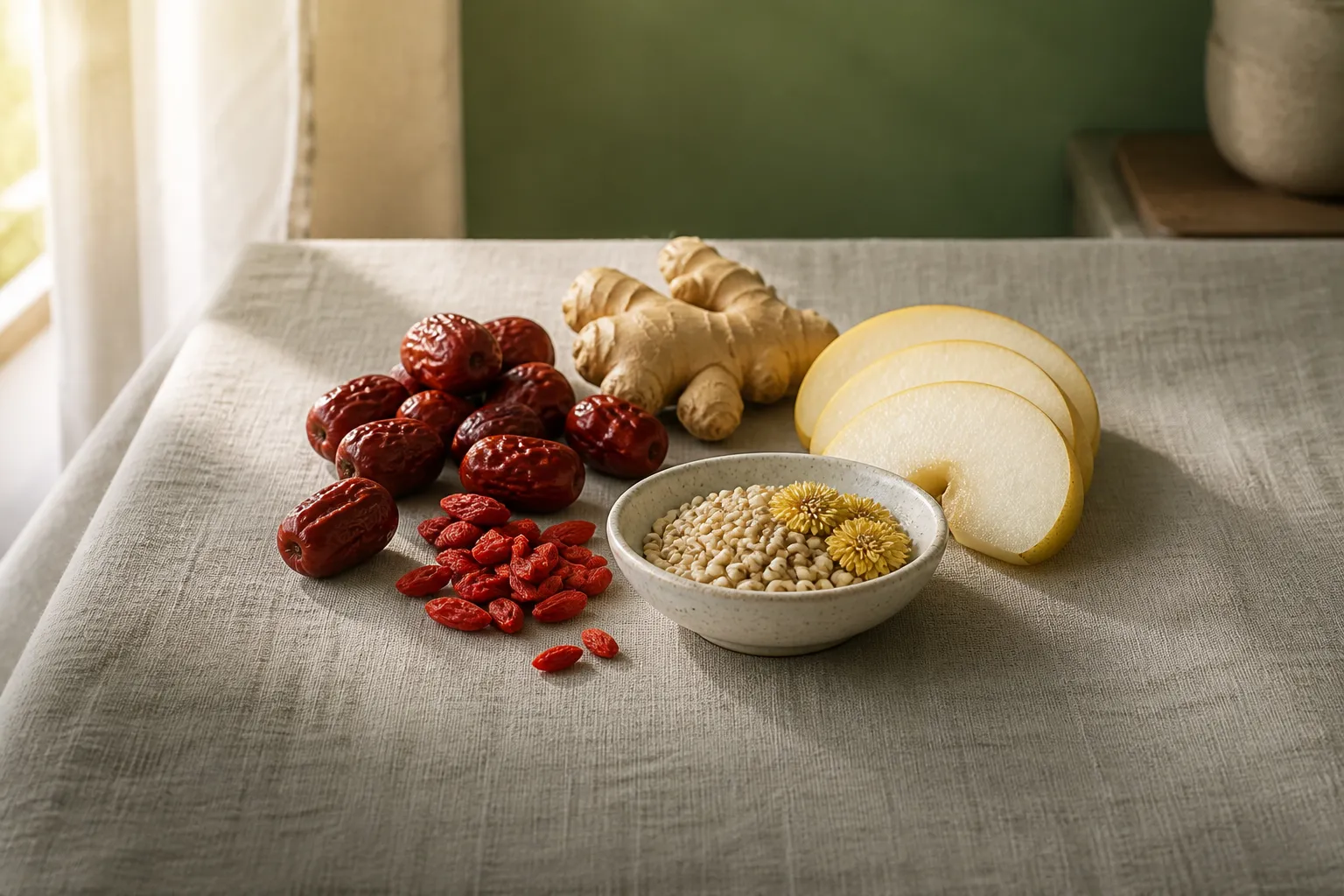
After a greasy plate, Pu-erh is one kitchen habit. These educational steeps use hawthorn with cassia and lotus leaf, or hawthorn with roselle, when digestion feels stuck.

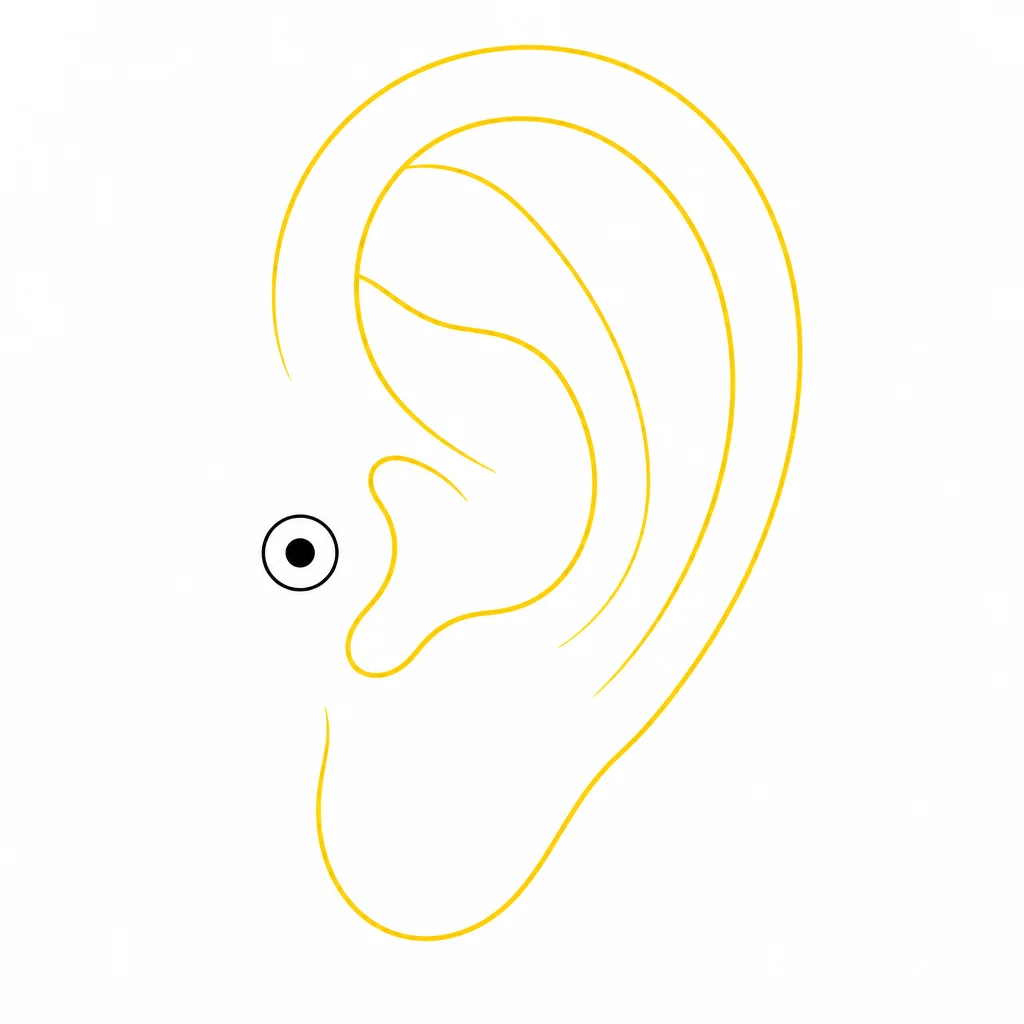
Diagram of the ear Hunger Point just in front of the tragus for appetite support

07 · Self-help

Ear Hunger Point for daily appetite support

Beside clinic acupuncture, gentle ear acupressure on the Hunger Point can support appetite awareness and metabolism as a daily habit.

Find the small flap of cartilage in front of the ear canal (the tragus). The Hunger Point sits just in front of that flap. Press firmly but comfortably for about one to two minutes once or twice a day. Skip broken skin. This tip supports clinic care; it does not replace a pattern read or urgent metabolic assessment.

Cupping therapy for dampness patterns at PULSE TCM

When to book a weight-pattern consult

If damp heaviness, greasy-meal fatigue, or stress eating keep returning, bring your meal rhythm and any recent labs. We will name the picture and decide what belongs on the Weight Management plan.

Dr Sim Beng Joo

Clinically reviewed

Reviewed by Sim Beng Joo

Advisor (Science & Strategy) / Consultant Physician · TCMPB T1303003A

MOH-licensed TCM physician and biomedical scientist, with clinical work in digestion, pain, sleep or fatigue, and constitution patterns that show as damp, phlegm, or metabolic load.

View full profile

Educational information based on clinical experience and TCM principles. Not a substitute for personalised consultation, metabolic blood tests, or urgent care. Speak with your physician and GP before starting herbs, acupressure, or new self-care, especially with unexplained weight change, endocrine concerns, or eating-disorder history. TCM complements Western assessment; it does not replace it.

FAQs

Questions, answered

Common questions before you change kitchen habits or book a first visit.

How does TCM explain obesity and excess fat?

Excess fat often reads as dampness and phlegm. When the Spleen transforms food and fluids poorly, from inactivity, sweet or greasy intake, or stuck qi, fluids accumulate and settle as fatty tissue. Care treats that picture beside lifestyle, not appearance alone.

What is dampness and phlegm in TCM weight gain?

The Spleen oversees transport and transformation of food and body fluids. When it slows, damp and phlegm build and may read as heaviness, puffiness, and excess fat. Pulse and tongue still decide which lean leads.

Can exercise and acupuncture help with weight management?

Moving qi three to five times a week supports metabolism when damp and phlegm block flow. Clinic acupuncture can aid circulation of qi beside that habit. Together they support care; they are not a guaranteed slim-down.

What kitchen teas support damp weight load?

After a heavy or high-fat meal, Pu-erh tea is a classic kitchen habit. Another educational steep uses Chinese hawthorn, cassia seed, and lotus leaf, close to the hawthorn-malt-lotus-leaf brew. Cool cups need a pattern fit and do not replace blood tests or a consult.

Where is the ear Hunger Point for appetite?

Find the small flap of cartilage in front of the ear canal (the tragus). The Hunger Point sits just in front of that flap. Press firmly but comfortably for about one to two minutes once or twice a day. Skip broken skin.

When should I book TCM for obesity or weight care?

Book when home movement, meals, teas, and ear acupressure are not enough, or when weight change is rapid, unexplained, or paired with metabolic concerns. The Weight Management programme pairs patterned acupuncture, cupping, and herbs with lifestyle.

References

Selected sources

  1. National Center for Complementary and Integrative Health. Traditional Chinese medicine: What you need to know. 2019. https://www.nccih.nih.gov/health/traditional-chinese-medicine-what-you-need-to-know/
  2. Ministry of Health Singapore. TCM practitioners (Healthcare Professional Portal). https://hpp.moh.gov.sg/tcm-practitioners/
  3. World Health Organization. Traditional, complementary and integrative medicine. https://www.who.int/health-topics/traditional-complementary-and-integrative-medicine
  4. Original article author: Physician Vivian Lee.

Next step

Ready for a weight-pattern read?

Bring your meal rhythm, how you move, and any recent blood results. We will name the damp or phlegm picture in plain language and decide what belongs in your plan.

Hours
Most clinics daily 11:00 AM – 8:00 PM
Care
Physician-led consultation