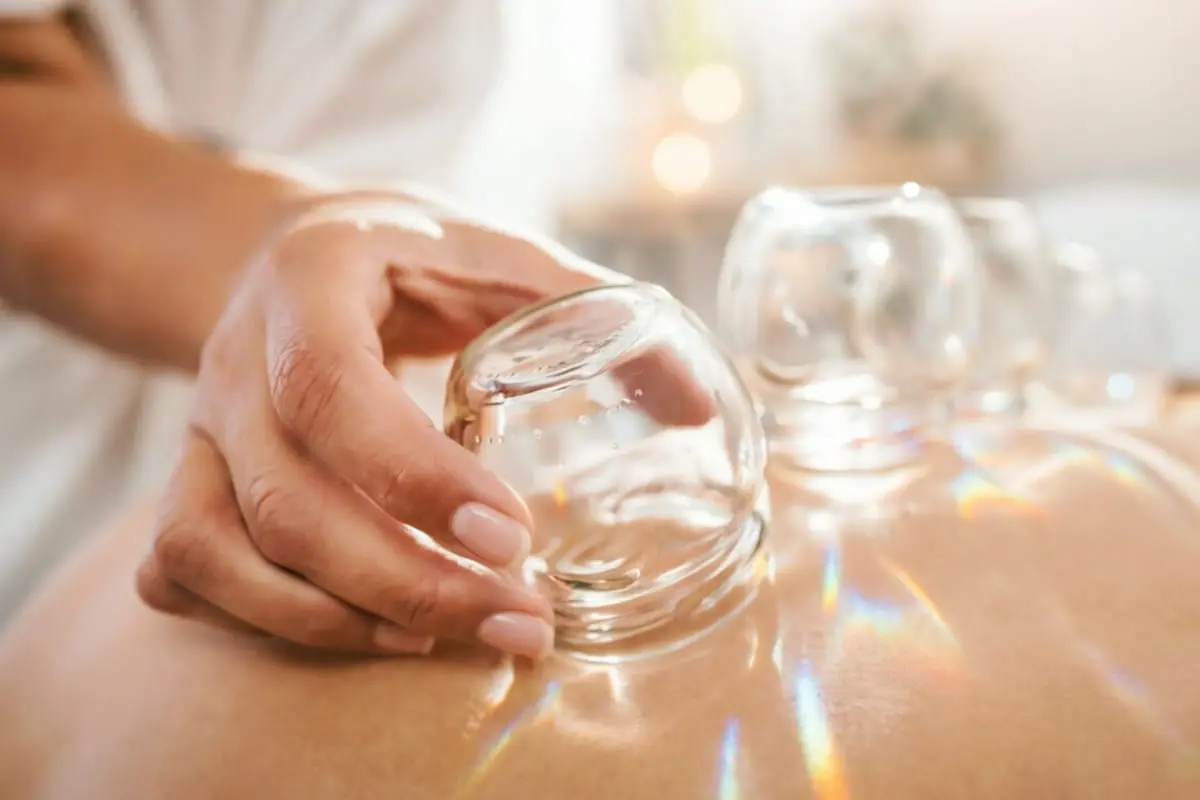
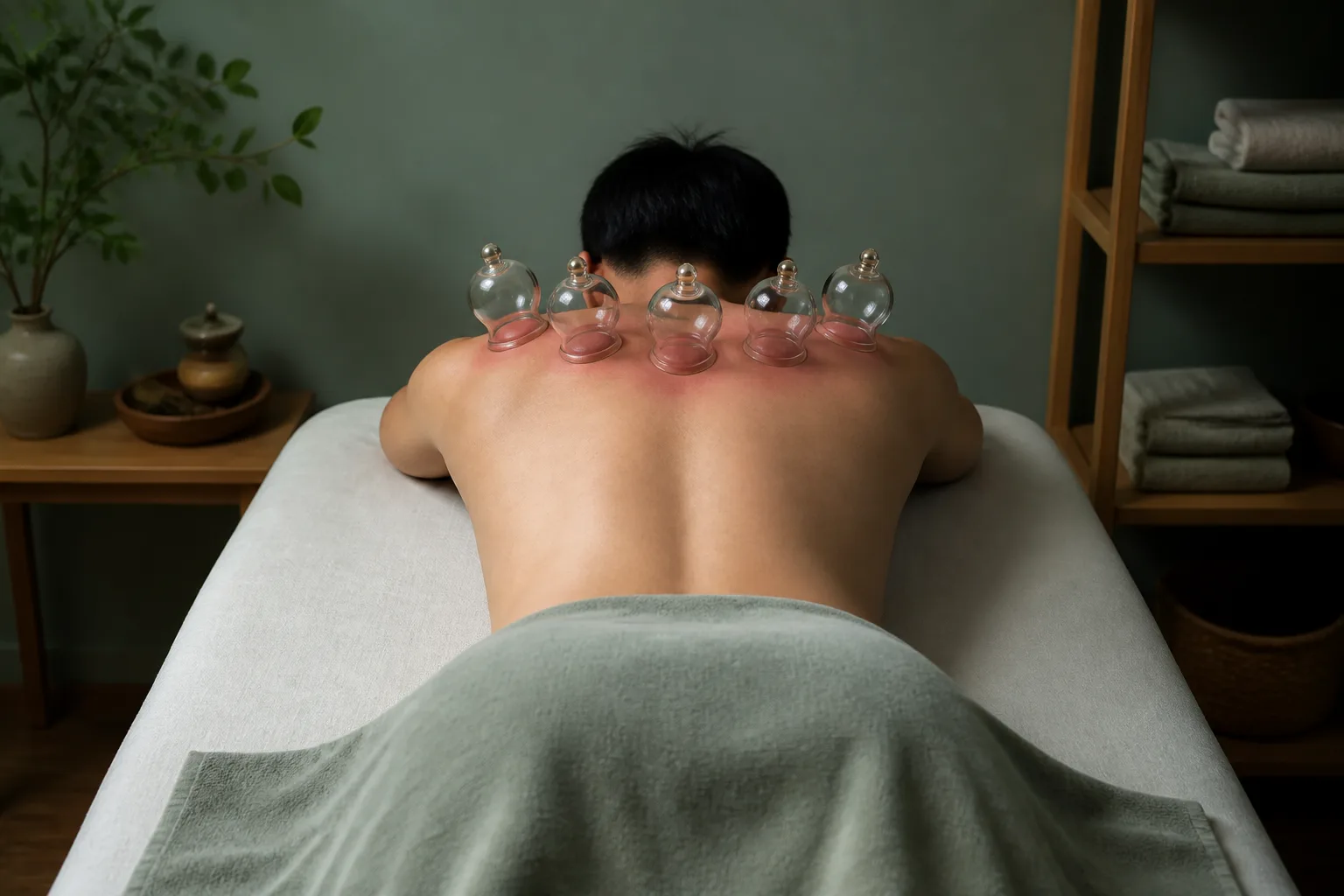
Cupping on the upper back for dampness patterns during weight-pattern care at PULSE TCM

Insights · General Health

The 3 body types prone to weight gain and obesity

Stubborn weight often reads as damp and phlegm, not willpower alone. TCM names three common leans, then matches acupuncture, cupping, and herbs to the pattern beside lifestyle.

In brief

Three TCM leans show up often with stubborn weight: dampness (痰湿体质), qi stagnation (气滞体质), and Spleen-Kidney deficiency (脾肾虚体质). Excess fat often tracks damp and phlegm when the Spleen transforms food and fluids poorly. Care is patterned acupuncture, cupping, and herbs beside meals and movement, not a vanity slim-down protocol.

01 · TCM view

Damp, phlegm, and weight

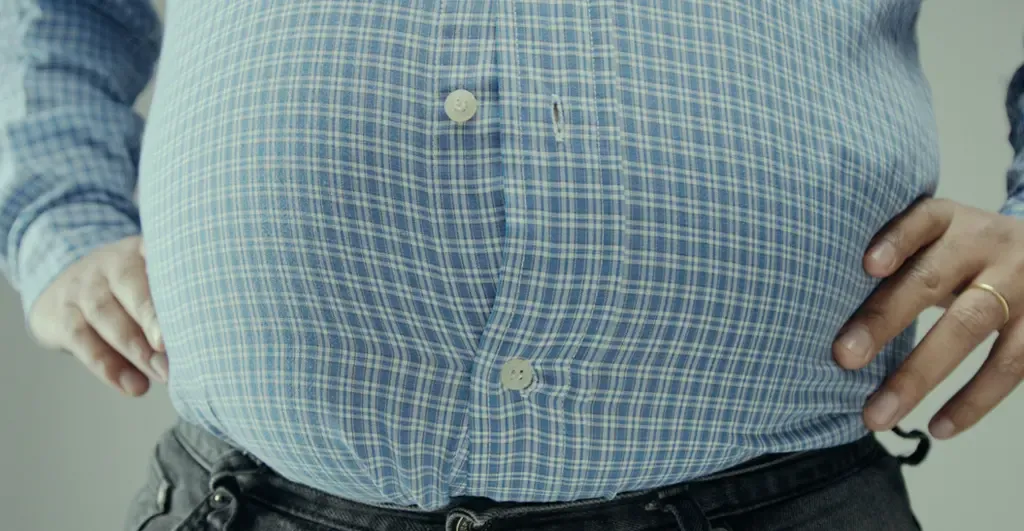
Obesity raises the chance of diabetes, hyperlipidaemia, hypertension, arteriosclerosis, fatty liver, and infertility. Weight care is a health goal, not a vanity project.

From a TCM view, excess fat often tracks dampness and phlegm. The Spleen oversees transport and transformation of food and body fluids. Over time, inactivity, heavy sweet, fried, or greasy meals, and stress that binds qi can leave the Spleen less efficient. Fluids stagnate, damp and phlegm accumulate, and that load settles as fatty tissue.

Mixed pictures are common. Pulse and tongue decide which lean leads. A short P:TTERN quiz can sketch a lean; it is orientation, not a diagnosis. The nine-type constitution guide maps the wider map.
02 · Three leans

The common body types prone to weight gain and obesity

Scan the three leans, then read the matching food and habit notes below.

Three TCM body types prone to weight gain
Type Typical signs Weight and craving pattern
Dampness (痰湿体质) Bloating, lower-limb retention, lethargy, watery or sticky stools, hyperlipidaemia lean Weight around the waist; sweets, starches, and caffeine call loudly
Qi stagnation (气滞体质) Stress, irritability, mood swings, dry mouth, disturbed sleep, body aches, hypertension lean Upper-body weight change; greasy, sour, or salty cravings under stress
Spleen and Kidney deficiency (脾肾虚体质) Fatigue, cold hands and feet, retention, bloating, backache, watery stools, flu lean All-around weight change; dairy and creamy foods when fire runs low

Dampness · 痰湿体质

Dampness constitution

Damp settles when Spleen transformation slows, so the body feels heavy and puffy, often with weight around the waist.

1. What you may notice

Abdomen bloating and lower-limb water retention, lethargy, watery or sticky stools, and a higher chance of hyperlipidaemia. Sweets, starches, and caffeine often call loudly.

2. Food and habits

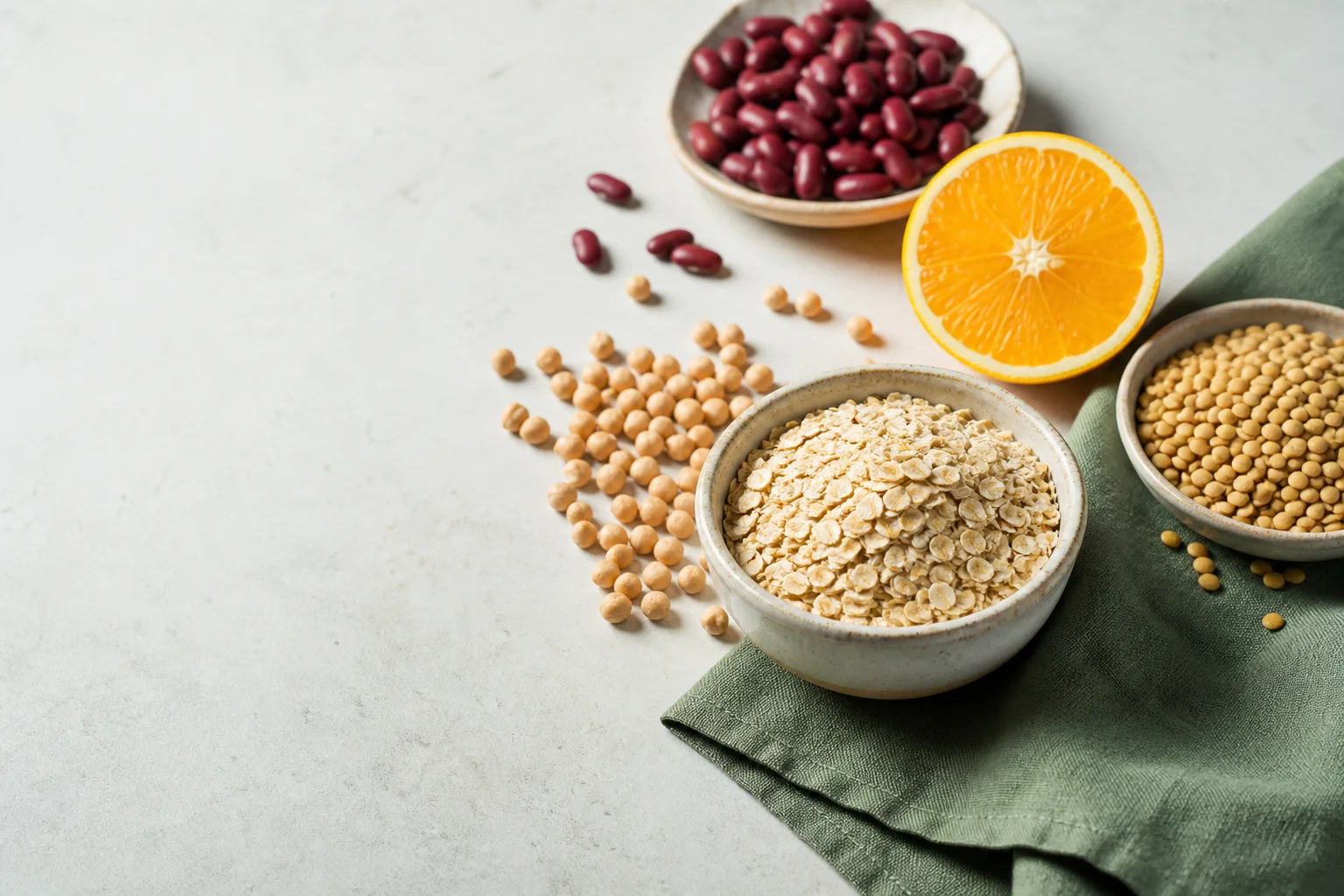
Favour protein (chicken, fish, eggs), leafy vegetables, and complex carbohydrates such as brown rice, millet, quinoa, or sweet potato. Ease off white rice, white bread, pasta, sweets, and very sweet fruit such as grapes or mango. Protein snacks such as eggs or almonds sit better than sugary ones. Move enough to sweat lightly and skip long sitting in damp rooms.

Full dampness diet matrix · Phlegm-damp in the constitution guide · Dampness on Weight Management

Qi stagnation · 气滞体质

Qi stagnation constitution

When stress binds qi, mood, sleep, and appetite often swing together, with weight change that shows more on the upper body.

1. What you may notice

Easily stressed, frustrated, or anxious, with mood swings, dry mouth, disturbed sleep, and body aches. Hypertension risk can sit higher. Greasy, sour, or salty food, alcohol, and red meat often call under stress.

2. Food and habits

Keep meals light: steamed food, chicken or fish, fresh vegetables, whole grains, fruit, legumes, and minimal caffeine or sugar. Ease off red meat, high-fat plates, alcohol, salty food, and shellfish when irritability runs high. Mineral water, parsley tea, or a simple vegetable soup are kinder snacks than greasy bites. Protect sleep and use movement that unbinds the chest and flanks.

Full qi stagnation diet matrix · Qi stagnation in the constitution guide · Qi stagnation on Weight Management

Spleen and Kidney · 脾肾虚体质

Spleen and Kidney deficiency

Low warmth and weak transformation leave cold extremities, loose stools, and all-around weight change when metabolic fire runs low.

1. What you may notice

Fatigue, cold hands and feet, water retention, abdomen bloating, backache, watery stools or diarrhoea, weaker evening energy, and easier flu. Dairy and creamy foods often call.

2. Food and habits

Eat a solid breakfast, a moderate lunch, and a light dinner. Warm animal proteins (beef, lamb, chicken, eggs, fish, pork, shellfish), plenty of vegetables, and whole grains and fruit in moderation support transformation. Ease off dairy, sugar, caffeine, and late supper. Prefer cooked snacks over cold dairy. Keep the abdomen and lower back warm.

Full Spleen-Kidney diet matrix · Yang deficiency in the constitution guide · Spleen and Kidney on Weight Management

03 · May help

Kitchen teas for post-meal heaviness

Cool kitchen teas may support digestion and water retention after heavy meals when a damp lean sits. They do not replace a pattern read or the Weight Management programme.

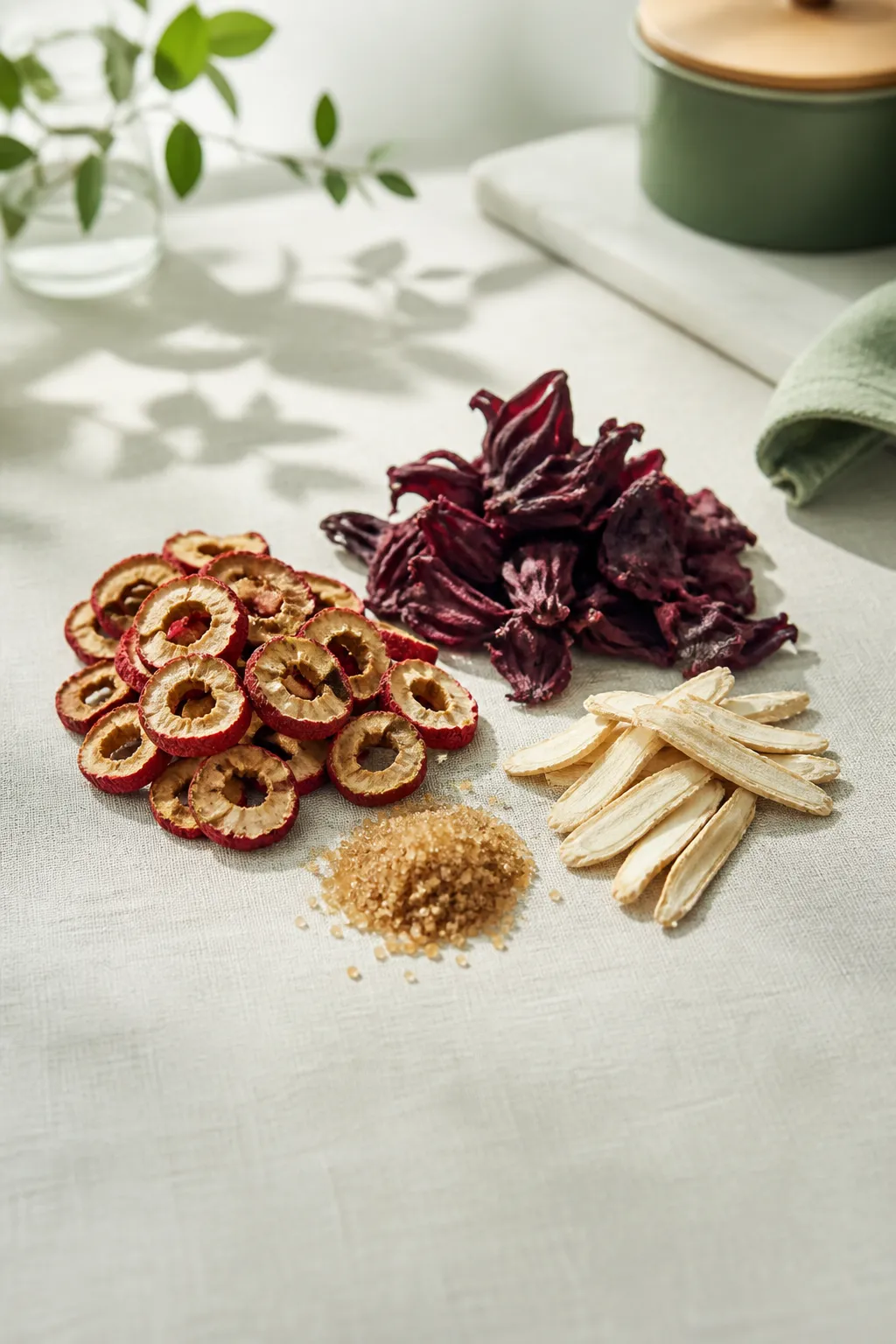
Dried hawthorn, roselle petals, and licorice for weight reduction tea at PULSE TCM

Tea · 山楂洛神

Weight reduction tea

Hawthorn 15 g, roselle 5 g, and licorice 3 g. Steep 5–10 minutes after a heavy meal.

If there's any chance of pregnancy, don't use this. Ease off if you feel cold easily or have acid reflux.

Make the weight reduction tea
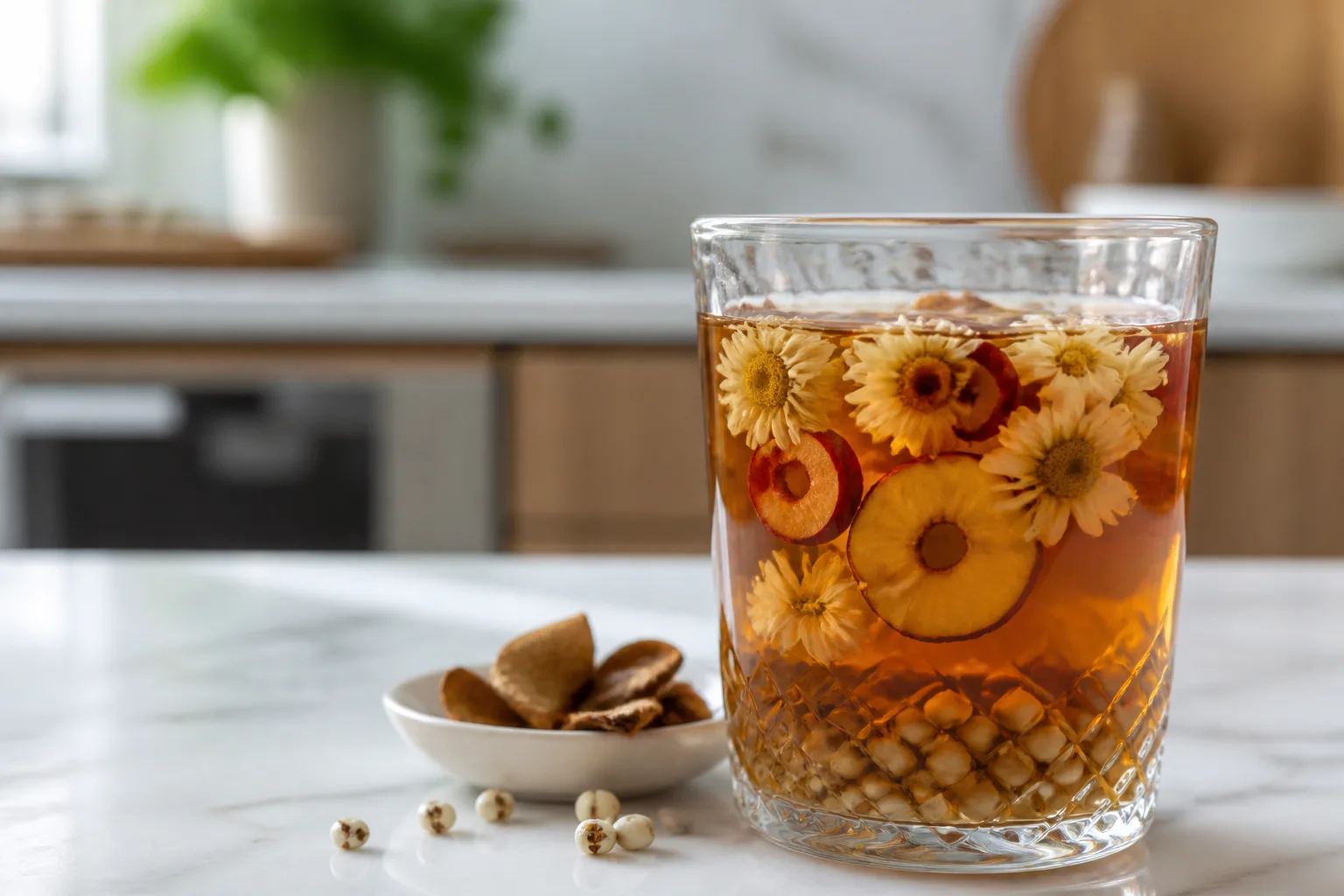
Glass of hawthorn, chrysanthemum, chen pi, and Chinese barley tea at PULSE TCM

Tea · 山楂菊花薏米

Weight management homemade tea

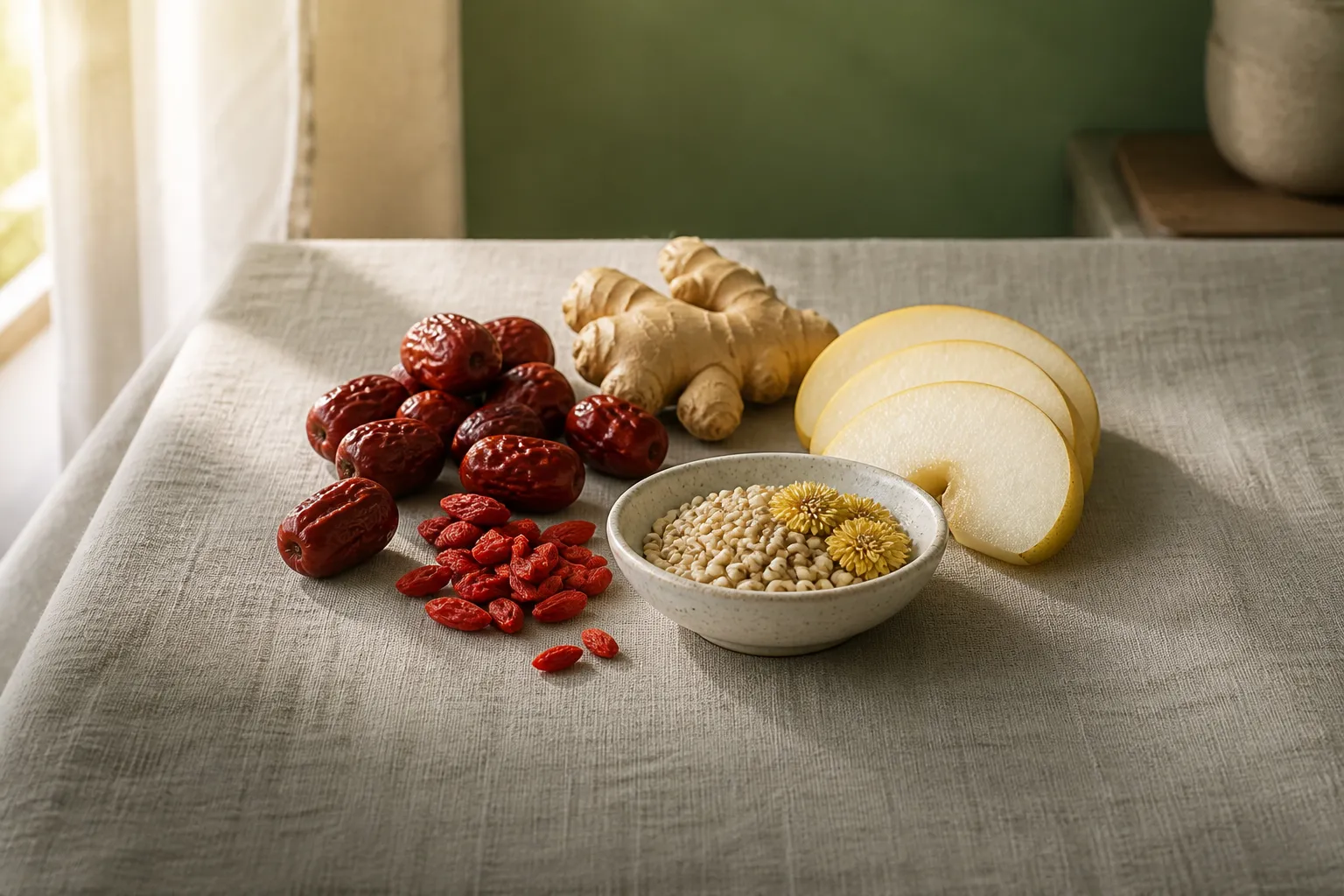
Hawthorn, chrysanthemum, chen pi, and Chinese barley. Sip about 30 minutes after a meal.

If there's any chance of pregnancy, don't use this. Skip or ask first with diabetes.

Make the homemade weight tea

04 · Self-help

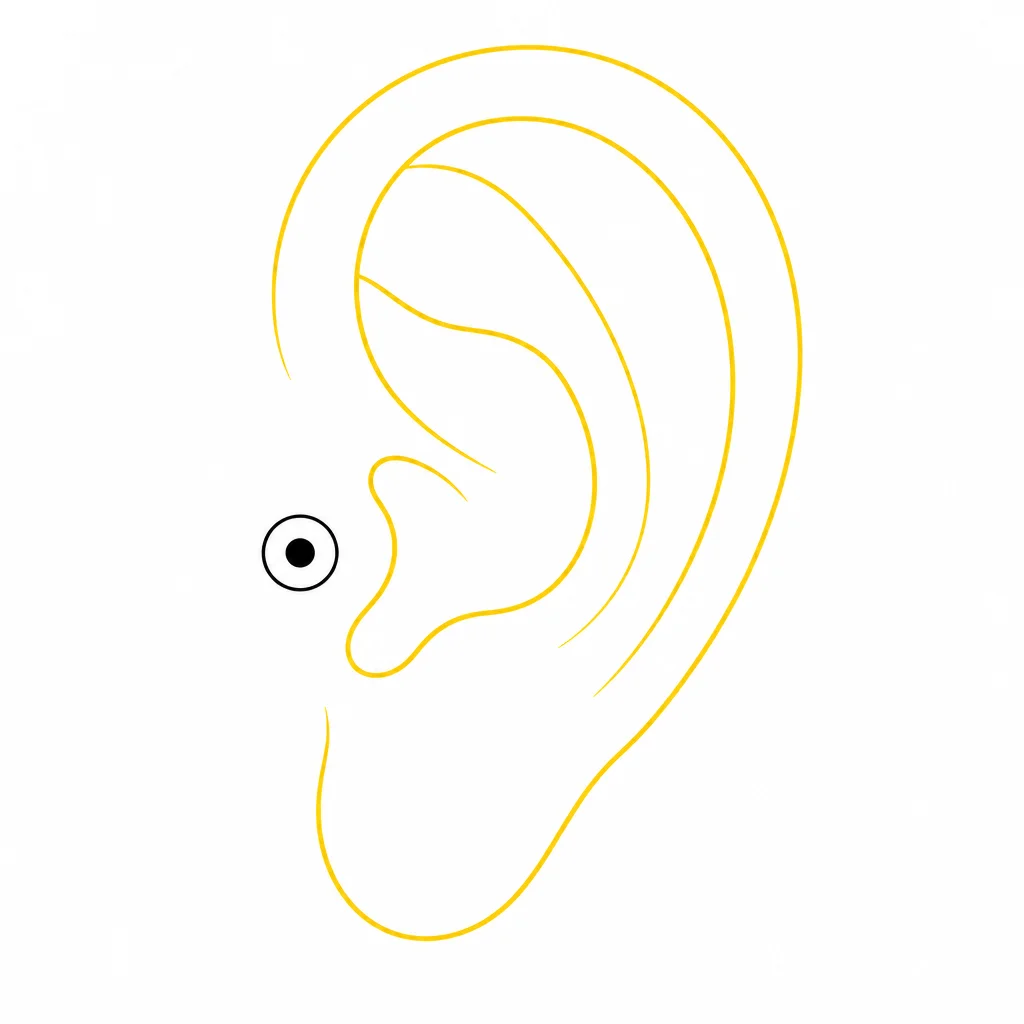
Ear Hunger Point for daily appetite support

Beside clinic acupuncture, gentle ear acupressure on the Hunger Point can support appetite awareness and metabolism as a daily habit.

Find the small flap of cartilage in front of the ear canal (the tragus). The Hunger Point sits just in front of that flap. Press firmly but comfortably for about one to two minutes once or twice a day. Skip broken skin. This tip supports clinic care; it does not replace a pattern read or urgent metabolic assessment.

Diagram of the ear Hunger Point just in front of the tragus for appetite support

05 · Clinic care

How can TCM help?

A physician names the lean, then matches acupuncture, cupping, and herbs to it. Plans work gradually and sit best with steady lifestyle habits.

1. Acupuncture for weight management

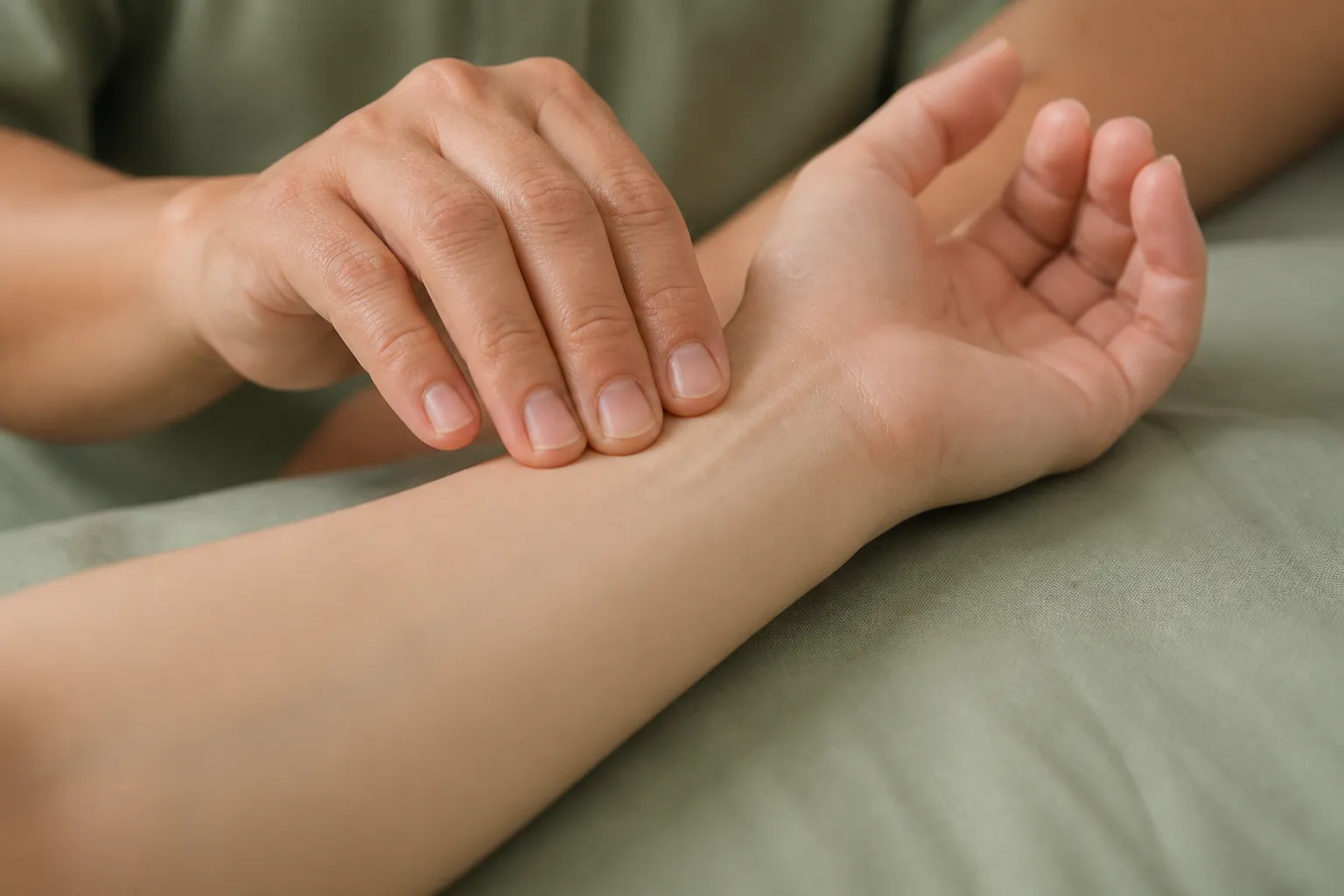
Supports circulation of qi and blood when stagnation slows metabolism and invites excess fat. May ease anxiety that drives emotional or binge eating, lift sluggish metabolism through point stimulation, ease body aches so exercise is more realistic, and settle digestion with less bloating. Clinic needling is matched to pulse and tongue, not a fixed slim-down list.

2. Cupping for damp stagnation

Used to ease damp stagnation and improve circulation of qi and blood, with gradual support for saturated lipid load in TCM framing. Adjunct care with acupuncture and habits, not a stand-alone fat-loss device.

3. Herbal prescription by type

A customised herbal prescription can be given on a weekly basis alongside other TCM treatments, matched to body type and current signs. There is no fixed weight-loss formula for every person. Acupuncture and cupping work gradually and are most useful with a healthy, balanced lifestyle.

Acupuncture, cupping, and Chinese herbal medicine follow pulse, tongue, and history.

Not sure which lean fits?

A short P:TTERN quiz can sketch a constitution lean. Pulse and tongue at the clinic still decide the plan.

Cupping therapy for dampness patterns at PULSE TCM

When to book a weight-pattern consult

If damp heaviness, stress eating, or cold retention keep returning, bring your meal rhythm and any recent labs. We will name the lean and decide what belongs on the Weight Management plan.

Dr Sim Beng Joo

Clinically reviewed

Reviewed by Sim Beng Joo

Advisor (Science & Strategy) / Consultant Physician · TCMPB T1303003A

MOH-licensed TCM physician and biomedical scientist, with clinical work in digestion, pain, sleep or fatigue, and constitution patterns that show as damp, phlegm, or metabolic load.

View full profile

Educational information based on clinical experience and TCM principles. Not a substitute for personalised consultation, metabolic blood tests, or urgent care. Speak with your physician and GP before starting herbs, ear acupressure, or new self-care, especially with unexplained weight change, endocrine concerns, or eating-disorder history. TCM complements Western assessment; it does not replace it.

FAQs

Weight pattern questions

Common questions before you change kitchen habits or book a first visit.

What TCM body types are prone to weight gain?

Three leans show up often: dampness (痰湿体质) with bloating and lower-limb retention; qi stagnation (气滞体质) with stress-linked eating and mood swings; and Spleen-Kidney deficiency (脾肾虚体质) with cold hands, fatigue, and watery stools. Pulse and tongue still decide the lead pattern.

How does TCM explain obesity and excess fat?

Excess fat often reads as dampness and phlegm. When the Spleen transforms food and fluids poorly, from inactivity, sweet or greasy intake, or stress that binds qi, fluids accumulate and settle as fatty tissue.

What should I eat for dampness constitution weight gain?

Favour protein, leafy vegetables, and complex carbohydrates such as brown rice, millet, quinoa, or sweet potato. Ease off white rice, white bread, pasta, sweets, and very sweet fruit. Protein snacks sit better than sugary ones. Pulse and tongue still decide whether a cool kitchen tea fits.

Can acupuncture help with weight management?

Acupuncture may support qi and blood circulation, ease anxiety that drives binge eating, lift sluggish metabolism through point stimulation, ease body aches so exercise is more realistic, and settle digestion and bloating. It is patterned care beside lifestyle, not a guaranteed slim-down.

Does cupping help with weight loss?

Cupping is used to ease damp stagnation and improve qi and blood flow. It works gradually and is most useful with acupuncture and steady lifestyle habits. It is not a stand-alone fat-loss device.

How do herbs fit into TCM weight care?

A physician matches a customised herbal prescription to your body type and current signs, often on a weekly review. Herbs sit with acupuncture and cupping when indicated; they are not a one-formula weight-loss product.

References

Selected sources

  1. National Center for Complementary and Integrative Health. Traditional Chinese medicine: What you need to know. 2019. https://www.nccih.nih.gov/health/traditional-chinese-medicine-what-you-need-to-know/
  2. Ministry of Health Singapore. TCM practitioners (Healthcare Professional Portal). https://hpp.moh.gov.sg/tcm-practitioners/
  3. World Health Organization. Traditional, complementary and integrative medicine. https://www.who.int/health-topics/traditional-complementary-and-integrative-medicine
  4. Original article author: Physician Vivian Lee.
  5. Diet guidance also drawn from original article by Physician Victoria Tan.

Next step

Ready for a weight-pattern read?

Bring your history, meals rhythm, and any recent blood results. We will name the lean in plain language and decide what belongs in your plan.

Hours
Most clinics daily 11:00 AM – 8:00 PM
Care
Physician-led consultation