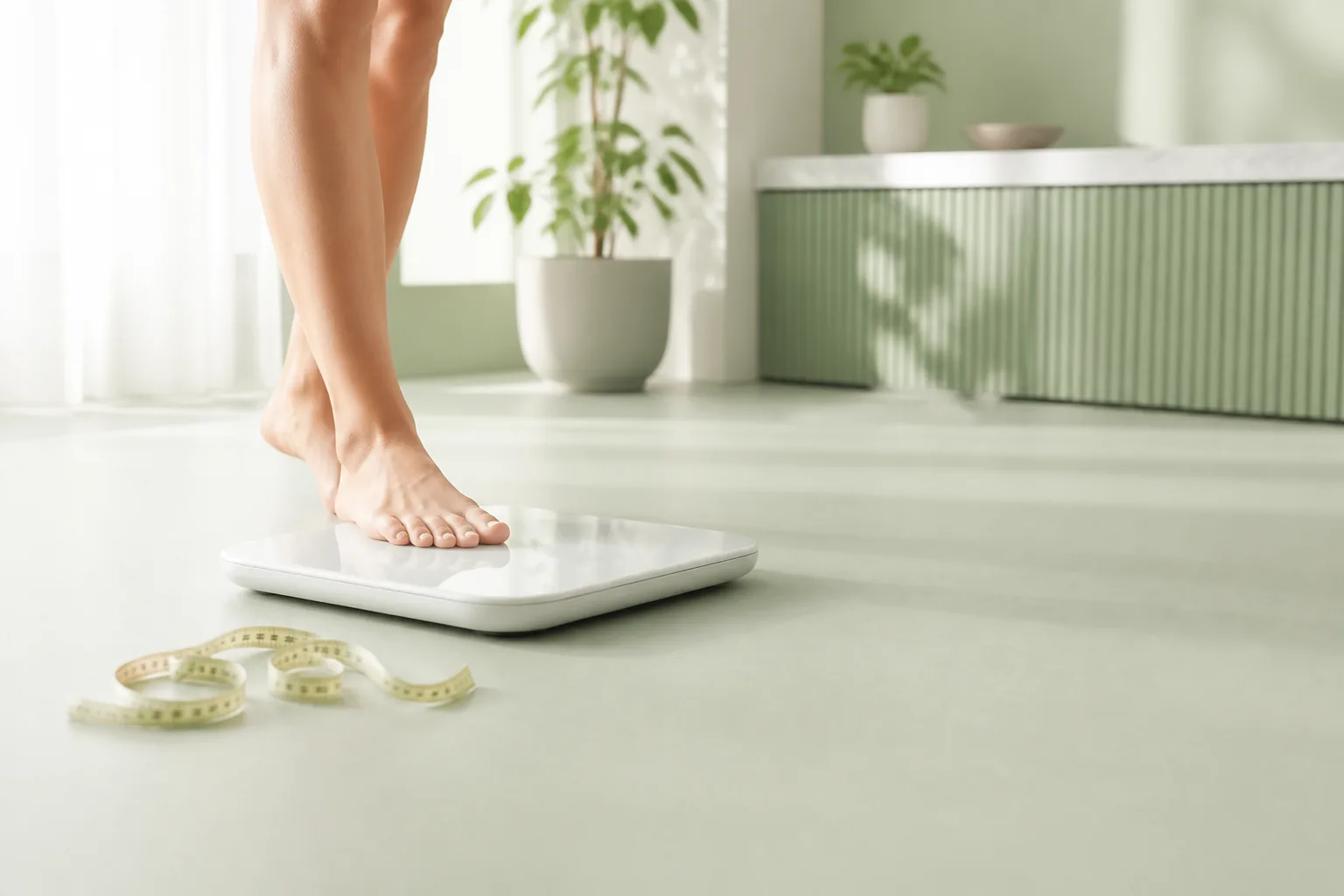

Person seated at a home desk with a closed laptop, illustrating long sitting and sedentary weight load

Insights · General Health

How does a sedentary lifestyle during COVID lead to weight gain?

COVID normalised long indoor sitting. Many desk and hybrid days kept that load. TCM reads the weight shift as Spleen-Stomach weakness with damp and phlegm, then matches movement, meals, points, and clinic care.

In brief

Long sitting burns little energy. In TCM, Spleen and Stomach must transform food and fluids; when they weaken from inactivity and uneven meals, damp and phlegm accumulate and read as weight gain. In Singapore, air-con sits with iced drinks often add cold-damp load on top. Care pairs realistic movement and non-starving meals with acupressure, damp-clearing kitchen pots, and patterned clinic care when home habits are not enough.

01 · Context

When sitting became the default day

Sedentary behaviour · COVID · desk habits

Sedentary behaviour is any sitting, reclining, or lying that burns very little energy. During COVID-19, indoor rules and closed gyms cut outdoor options. Many people lost the habit of moving and kept desk or hybrid days that look the same years later.

In Singapore, long air-conditioned sits with iced drinks and irregular meals often stack cold and damp load on the Spleen while calorie burn stays low. When motivation drops and the day stays seated, fluids gather more easily as damp and phlegm.
02 · Effects

Negative effects of a sedentary lifestyle

Less movement lets the body adapt to a low-burn state. Metabolic shifts stack first; longer-term risks follow when the habit stays.

Early metabolic shifts and longer-term risks from long sitting
Early shifts Longer-term risks
Metabolism and fat Reduced metabolism; slower fat breakdown
Blood sugar and pressure Impaired control of blood sugar and blood pressure
Mood and longevity Poorer mental health with ongoing inactivity

03 · TCM view

Weight gain from the Spleen and Stomach

Spleen · Stomach · damp · phlegm

From a TCM view, imbalance or weakness in the Spleen and Stomach system is the main reason behind weight gain after long sitting.

The Stomach receives and breaks down food and liquid for further extraction. The Spleen absorbs and transports the refined essence from that extraction. Together they move food essence through the body and supply everyday energy. When either organ weakens, absorption and transport stall. Fluids gather, transform into damp and phlegm, and read as excess fat and weight gain.

04 · Patterns

Imbalance types that lead to weight gain

Pulse and tongue still decide the lead picture. Mixed patterns are common.

TCM imbalances linked to weight gain
Type of imbalance What is the cause? How does it lead to weight gain?
Excessive heat in the Stomach Heavy, greasy, and spicy food overheats the Stomach. Digestion speeds up and hunger rises, but the Spleen cannot keep pace, so excess essence is not absorbed and transported. Metabolic waste gathers and transforms into more phlegm-dampness, similar to fats in the body, leading to weight gain.
Phlegm-dampness in the Spleen Too much sweet food and not enough exercise form phlegm-dampness. The Spleen dislikes dampness, so transport of refined fluids and foods fails. Fluids stagnate as damp and phlegm. Fat tissue and heaviness build when transport stays blocked.
Spleen qi deficiency Overexertion, poor dietary habits, and emotional imbalance weaken Spleen qi so the organ cannot transport and absorb well. Weak transport leaves damp accumulation and gradual weight gain with fatigue.
Qi and Blood stagnation Emotional stress, trauma, and lack of exercise affect the Liver’s role in regulating Qi and Blood flow. Stagnation obstructs meridian flow and impairs Spleen and Stomach function, indirectly causing weight gain.
Yang deficiency in Spleen and Kidney Overexertion, poor diet, emotional distress, and ageing can lead to Yang deficiency in Spleen and Kidney. Yang deficiency impairs fluid absorption and transport. Damp accumulates, further weakens the Spleen, and leads to weight gain.

05 · Foundations

What should be done to reduce weight gain?

The foundation of losing weight is physical activity and diet. TCM asks that both protect Spleen and Stomach instead of starving them.

1. Physical activities

Combine cardiovascular work such as running or cycling with strength training. A practical minimum is at least three 30-minute runs and two 30-minute strength sessions each week. Movement raises metabolism and helps burn calories that would otherwise store as fat.

2. Controlling diet

Weight rises when calorie intake exceeds what the body uses, and the excess stores as fat. Keep intake matched to burn to maintain weight, or slightly below typical use to draw on stored calories. Ketogenic, intermittent fasting, Mediterranean, and similar plans help some people and barely move others.

3. Why strict diets fail for some people

From a TCM view, limiting amount and type of food too hard can leave the Spleen and Stomach short of nutrients. Further deficiency obstructs their function. Desired weight loss may stall, or weakness and slight weight gain may appear. People who succeed on strict plans often already run heat and fire in the Stomach with Qi and Blood stagnation.

4. Emotional balance and Qi flow

Large mood swings can disrupt Qi and Blood flow and sit with obesity and low mood. Yoga and other calming movement support mental health beside meals. Stress-bound eating often tracks a qi-stagnation lean.

When workout timing is the question, see morning versus evening workouts. For stress-linked eating, pair the three body types Insight with the stress Insight.

06 · Self-care

Acupressure for Spleen, Stomach, and damp-phlegm

Because the main issue sits with Spleen and Stomach, home press can strengthen their function. Points that clear phlegm and dampness sit in the same set.

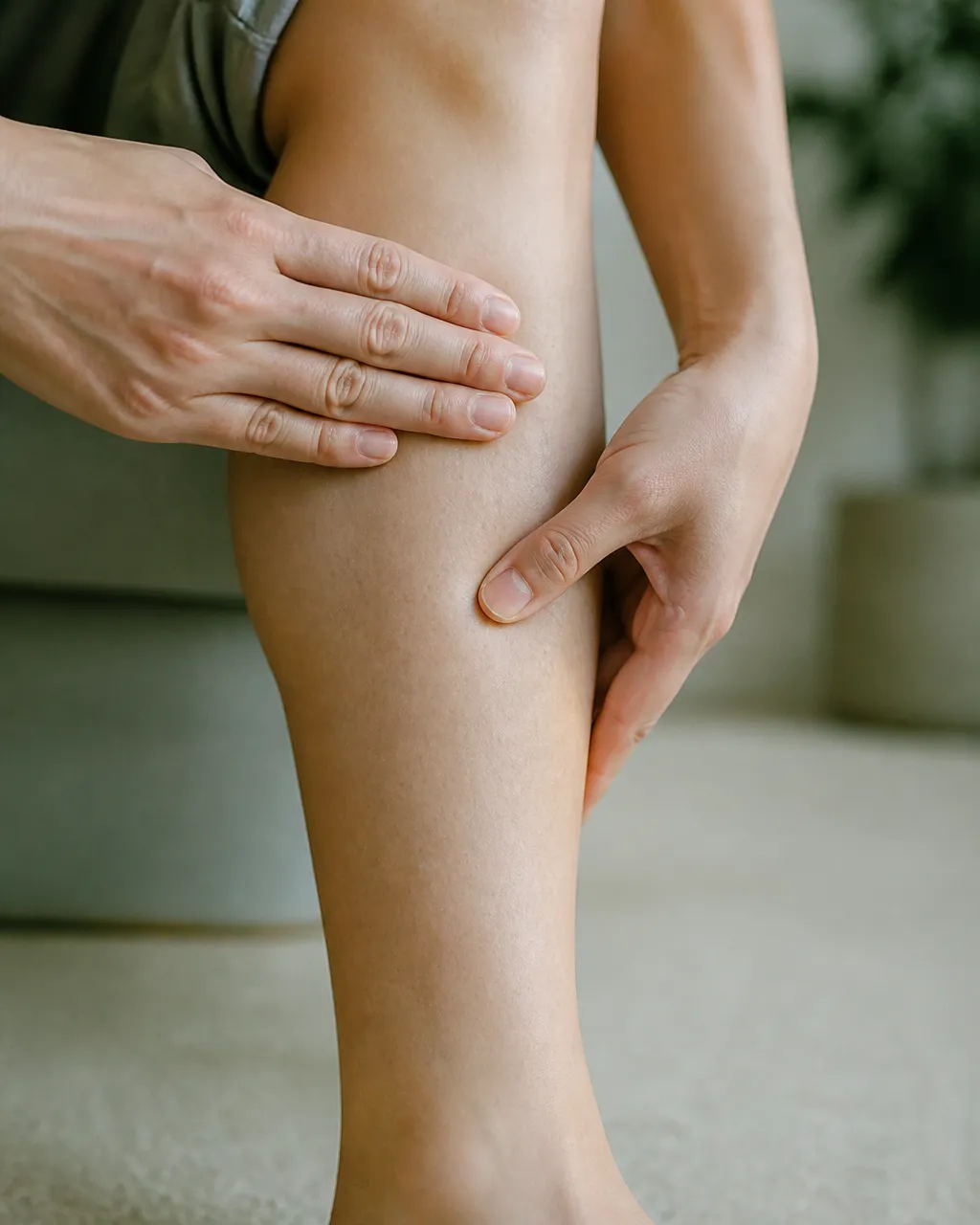
Hands measuring and pressing Zu San Li ST36 below the outer kneecap for sedentary weight care

Acupoint · 7 points

Sedentary weight acupressure

ST36, ST40, ST25, SP15, GB26, CV9, and CV12. Thumb-press each located point for three to five minutes.

Soft abdominal pressure only if a physician agrees in pregnancy. Stop if pain sharpens.

Press the seven points

07 · Kitchen

Food remedies and teas for damp load

Start with the porridge as a regular Spleen-Stomach bowl. The three teas are pattern-matched steeps for damp, phlegm-damp, or post-meal load. They do not replace a pattern read or the Weight Management programme.

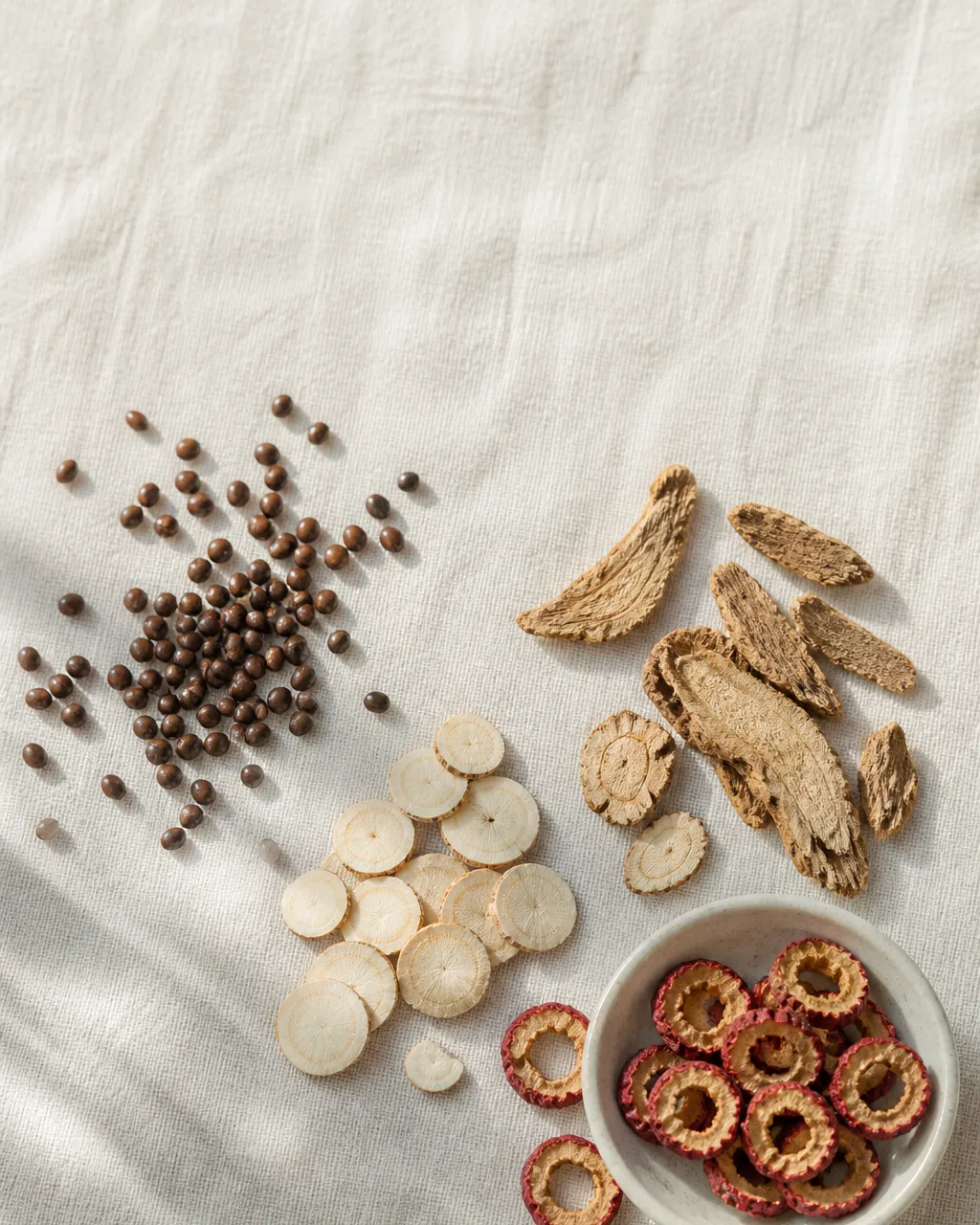
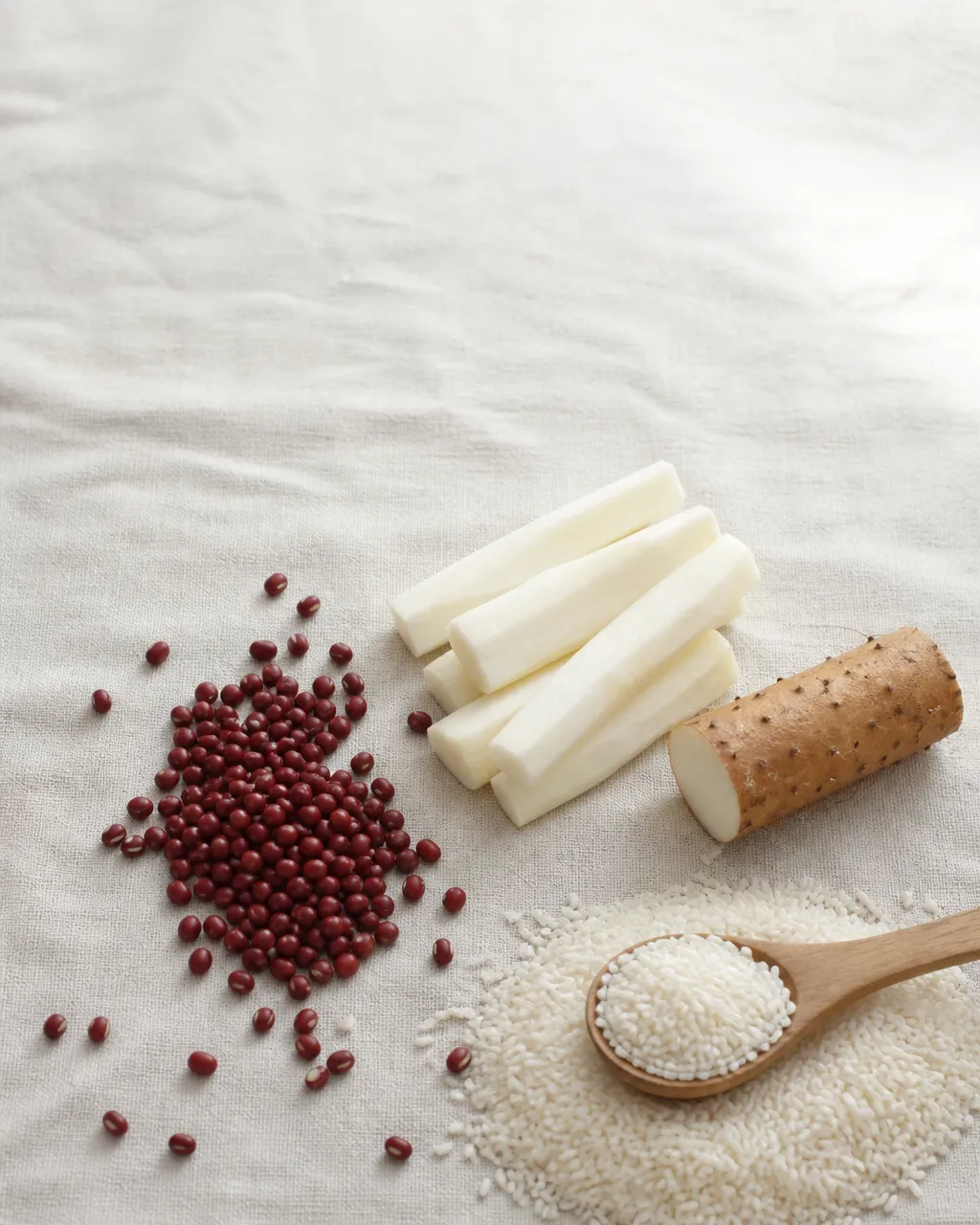
Red adzuki beans, peeled Chinese yam sticks, and uncooked rice for Spleen damp porridge

Porridge · 赤小豆山药

Red bean and Chinese yam porridge

Red bean 50 g, Chinese yam 50 g, rice 150 g. Simmer with 8–9 cups water until soft.

Suitable as a regular plain bowl when the middle burner feels heavy. Ease off if stools loosen.

Make the red bean porridge
Fried cassia seeds, Ze Xie slices, Bai Zhu root, and dried hawthorn for Spleen damp tea

Tea · Spleen damp

Cassia Ze Xie hawthorn tea

Fried cassia 5 g, Ze Xie 5 g, Bai Zhu 5 g, hawthorn 10 g. Steep 5–10 minutes, two to three times a week.

If there's any chance of pregnancy, don't use this. Ease off if you feel cold easily.

Make the cassia hawthorn tea
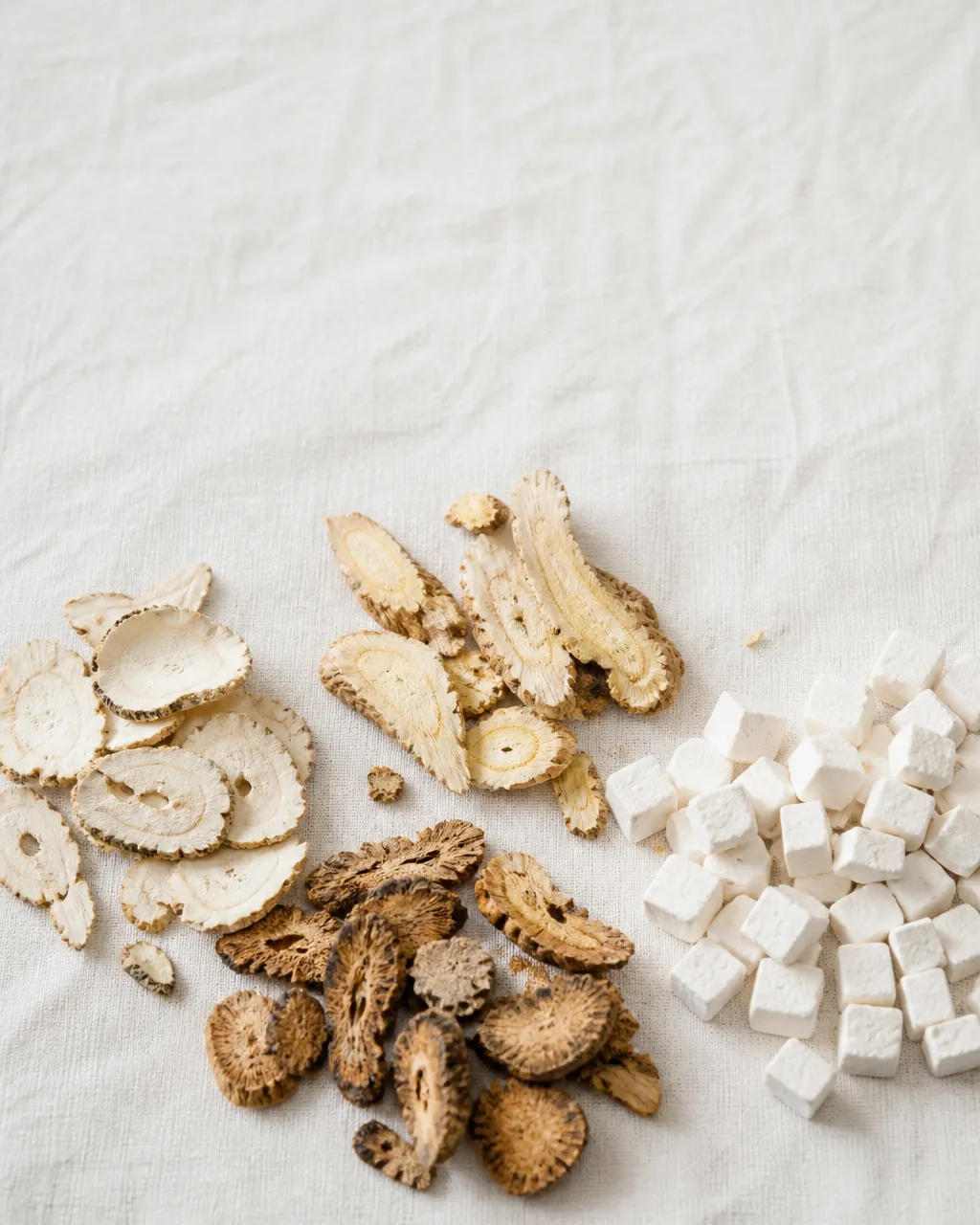
Ze Xie slices, Bai Zhu, Cang Zhu, and Fu Ling cubes for phlegm-damp tea

Tea · Phlegm-damp

Ze Xie Cang Zhu Fu Ling tea

Ze Xie, Bai Zhu, Cang Zhu, and Fu Ling 5 g each. Steep 5–10 minutes for phlegm-damp.

If there's any chance of pregnancy, ask a physician before using this.

Make the phlegm-damp tea
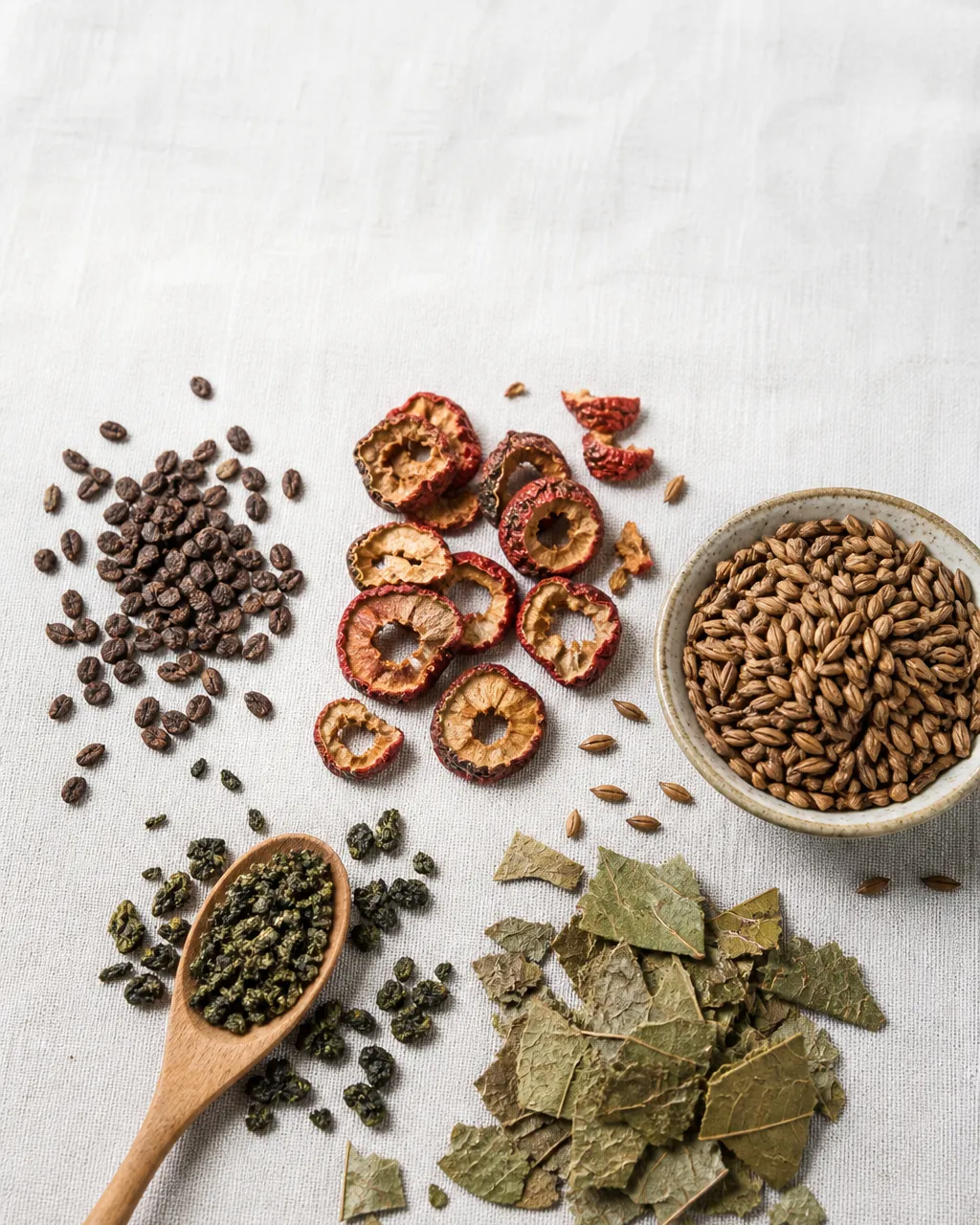
Fried cassia, dried hawthorn, malt, tea leaves, and lotus leaf for digestion tea

Tea · Post-meal

Hawthorn malt lotus leaf tea

Cassia 5 g, hawthorn 10 g, malt 10 g, tea leaf 5 g, lotus leaf 5 g. Steep 5–10 minutes.

If there's any chance of pregnancy, don't use this. Prefer daytime if tea leaf caffeine unsettles sleep.

Make the digestion tea

08 · Clinic care

When to seek TCM treatments

If weight gain and obesity persist after movement, meals, points, and kitchen pots, consult a physician for a pattern read and a plan matched to your constitution.

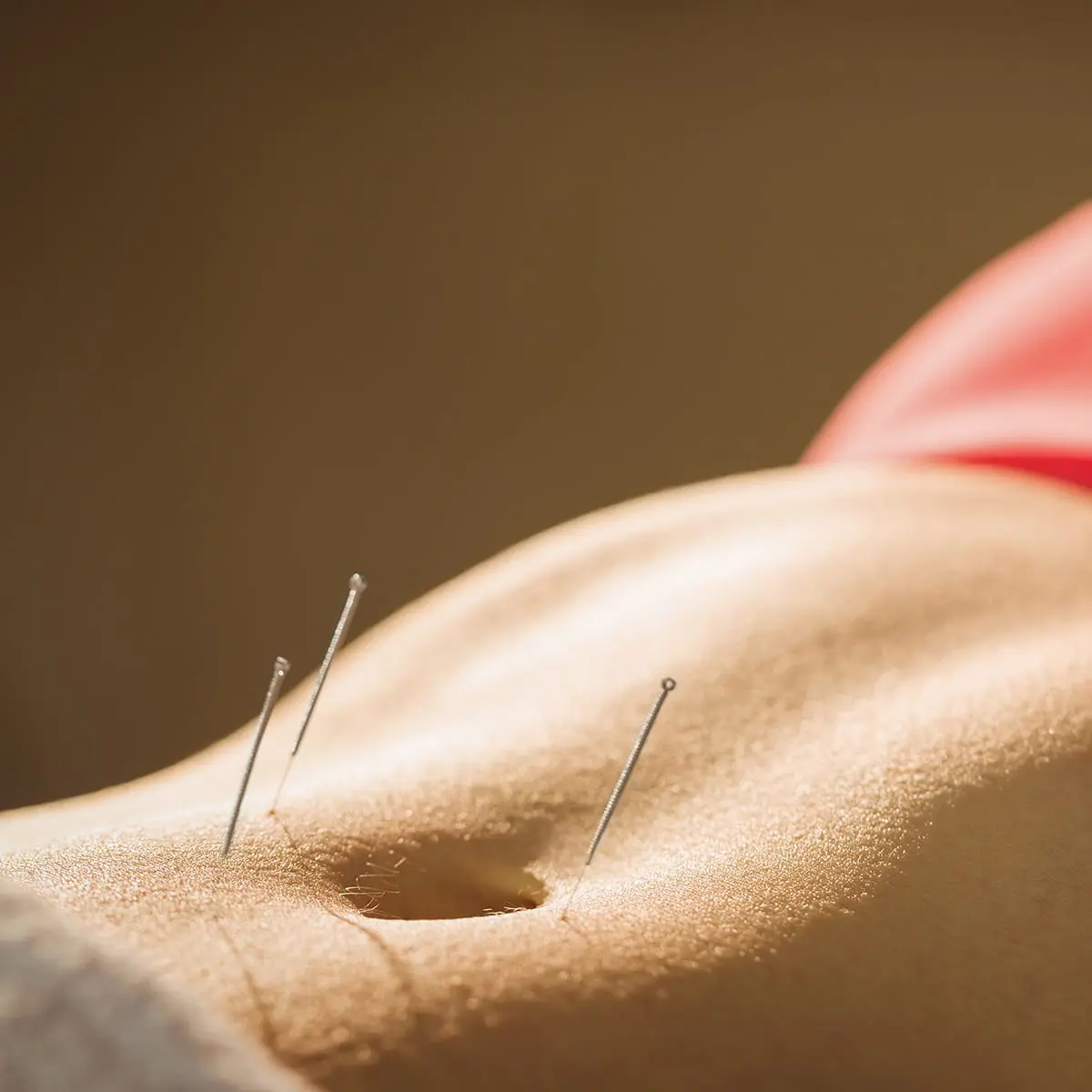
1. Acupuncture

Patterned needling to support Spleen-Stomach, move stagnation, and settle damp-linked heaviness beside lifestyle.

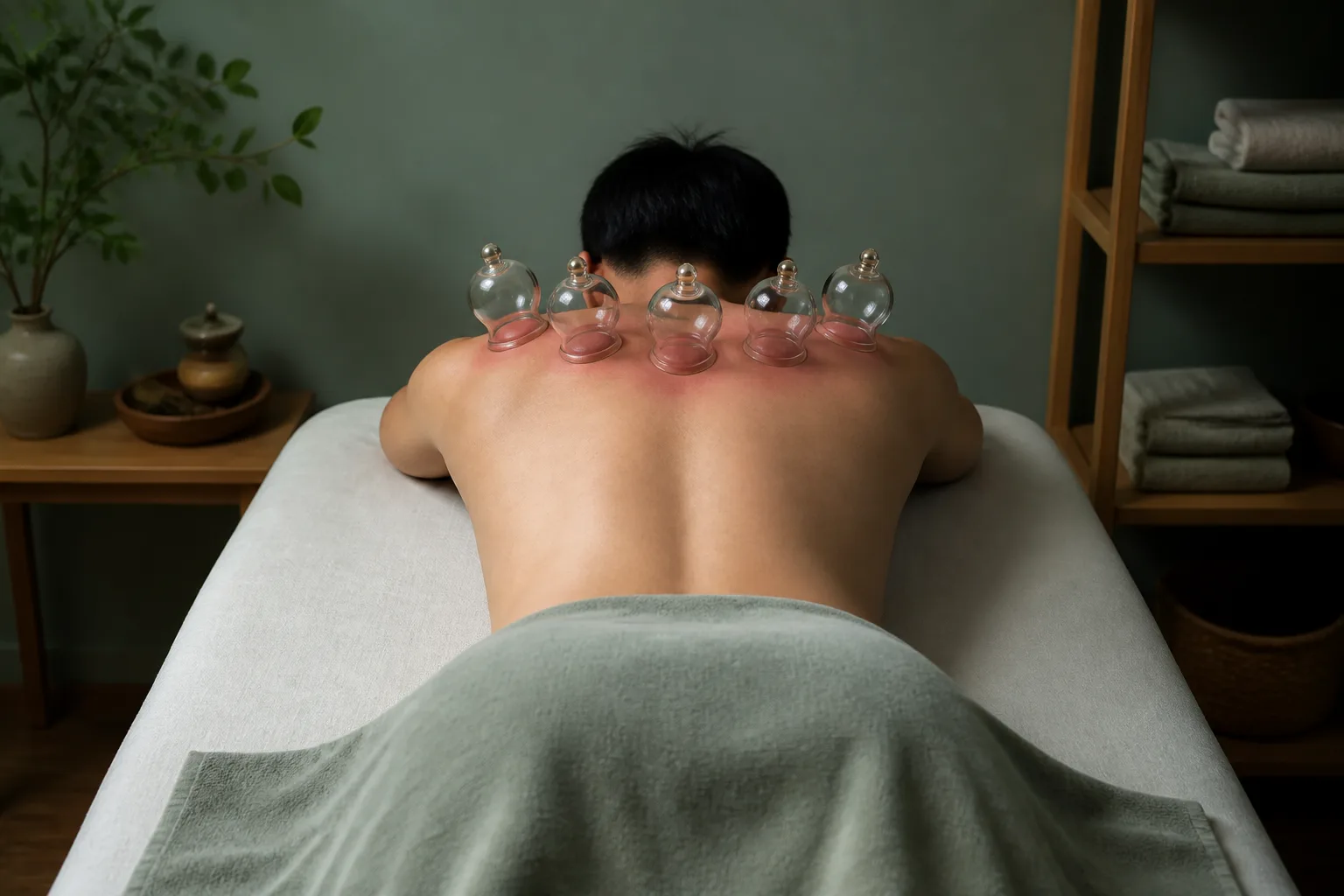
2. Cupping

Used to ease damp stagnation and improve qi and blood flow as adjunct care, not a stand-alone fat-loss device.

3. Herbal medication

A customised prescription matched to pulse and tongue, often reviewed weekly with other modalities.

4. Ear seeding

Auricular support when appetite awareness and damp weight load sit together after a consult.

There is no one-size-fits-all protocol. Read more on the Weight Management programme.

Programme

Weight Management at PULSE

Patterned acupuncture, cupping, and herbs beside lifestyle when desk weight and damp load stay stuck.

Dr Sim Beng Joo

Clinically reviewed

Reviewed by Sim Beng Joo

Advisor (Science & Strategy) / Consultant Physician · TCMPB T1303003A

MOH-licensed TCM physician and biomedical scientist, with clinical work in digestion, pain, sleep or fatigue, and constitution patterns that show as damp, phlegm, or metabolic load.

View full profile

Educational information based on clinical experience and TCM principles. Not a substitute for personalised consultation, metabolic blood tests, or urgent care. Speak with your physician and GP before starting herbs, acupressure, or new self-care, especially with unexplained weight change, endocrine concerns, or eating-disorder history. TCM complements Western assessment; it does not replace it.

FAQs

Questions, answered

Common questions before you change desk habits, kitchen pots, or book a first visit.

How does a sedentary lifestyle lead to weight gain in TCM?

Sitting burns little energy. When Spleen and Stomach weaken, they fail to transform food and fluids well. Damp and phlegm accumulate and read as excess fat and weight gain, often with sluggish metabolism from inactivity.

Why does long sitting weaken the Spleen and Stomach?

The Stomach receives and breaks down food and drink. The Spleen absorbs and transports the refined essence. Lack of movement and uneven meals load both organs so transport stalls and damp builds.

What TCM imbalances link to weight gain?

Common pictures include excessive Stomach heat, phlegm-dampness in the Spleen, Spleen qi deficiency, Qi and Blood stagnation, and Yang deficiency in Spleen and Kidney. Pulse and tongue still decide the lead pattern.

Why can restrictive diets worsen weight from a TCM view?

Cutting food types and amounts too hard can starve Spleen and Stomach of needed nutrients, deepen deficiency, and sometimes stall weight loss or add weakness. People who do well on strict plans often already run Stomach heat with Qi and Blood stagnation.

Which acupressure points help sedentary weight gain?

A home set for Spleen-Stomach and damp-phlegm includes ST36, ST40, ST25, SP15, GB26, CV9, and CV12. Thumb-press each located point for three to five minutes. Soft abdominal pressure only if a physician agrees in pregnancy.

What kitchen teas support Spleen damp weight load?

Educational steeps include cassia with Ze Xie, Bai Zhu, and hawthorn; Ze Xie with Bai Zhu, Cang Zhu, and Fu Ling; and hawthorn with malt, tea leaf, and lotus leaf. Red bean and Chinese yam porridge supports the same map. Cool cups need a pattern fit.

When should I book for weight gain after long sitting?

Book when home movement, meals, points, and kitchen pots are not enough, or when weight change is rapid, unexplained, or paired with metabolic concerns. Clinic care may add acupuncture, cupping, herbs, and ear seeding on the Weight Management programme.

References

Selected sources

  1. National Center for Complementary and Integrative Health. Traditional Chinese medicine: What you need to know. 2019. https://www.nccih.nih.gov/health/traditional-chinese-medicine-what-you-need-to-know/
  2. Ministry of Health Singapore. TCM practitioners (Healthcare Professional Portal). https://hpp.moh.gov.sg/tcm-practitioners/
  3. World Health Organization. Traditional, complementary and integrative medicine. https://www.who.int/health-topics/traditional-complementary-and-integrative-medicine

Next step

Ready for a weight-pattern read?

Bring your sitting rhythm, meal history, and any recent blood results. We will name the damp or deficiency lean in plain language and decide what belongs in your plan.

Hours
Most clinics daily 11:00 AM – 8:00 PM
Care
Physician-led consultation