| Neutral (平和质)The balanced state. |
Steady energy, healthy complexion, normal sleep and appetite, strong immunity |
- Balanced meals; avoid extremes of very hot or very cold food
- Regular routine and moderate daily exercise
|
| Qi deficiency (气虚质)Defensive energy runs low. |
Easy fatigue, shortness of breath, pale complexion, frequent colds |
- Warm, easy-to-digest foods such as oats, chicken, and yam
- Gentle walking or tai chi; avoid overexertion
|
| Yang deficiency (阳虚质)Not enough internal fire. |
Aversion to cold, cold hands and feet, pale complexion, preference for hot drinks |
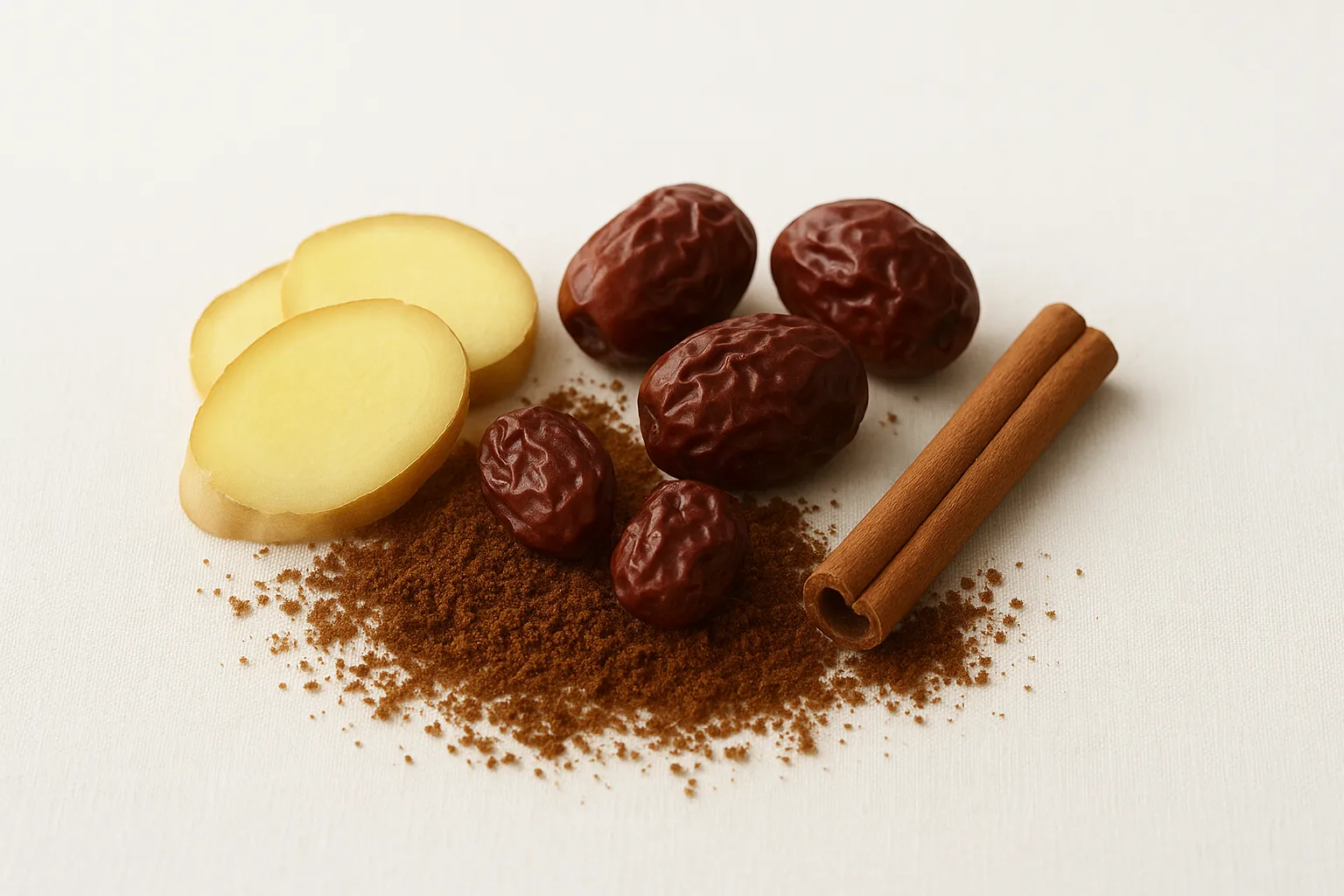
- Warming foods such as ginger, lamb, and cinnamon; skip raw or icy food
- Keep the body warm; take regular sunlight on the back
|
| Yin deficiency (阴虚质)Cooling fluids run low. |
Dry mouth and throat, easy flushing, night sweats, irritability |
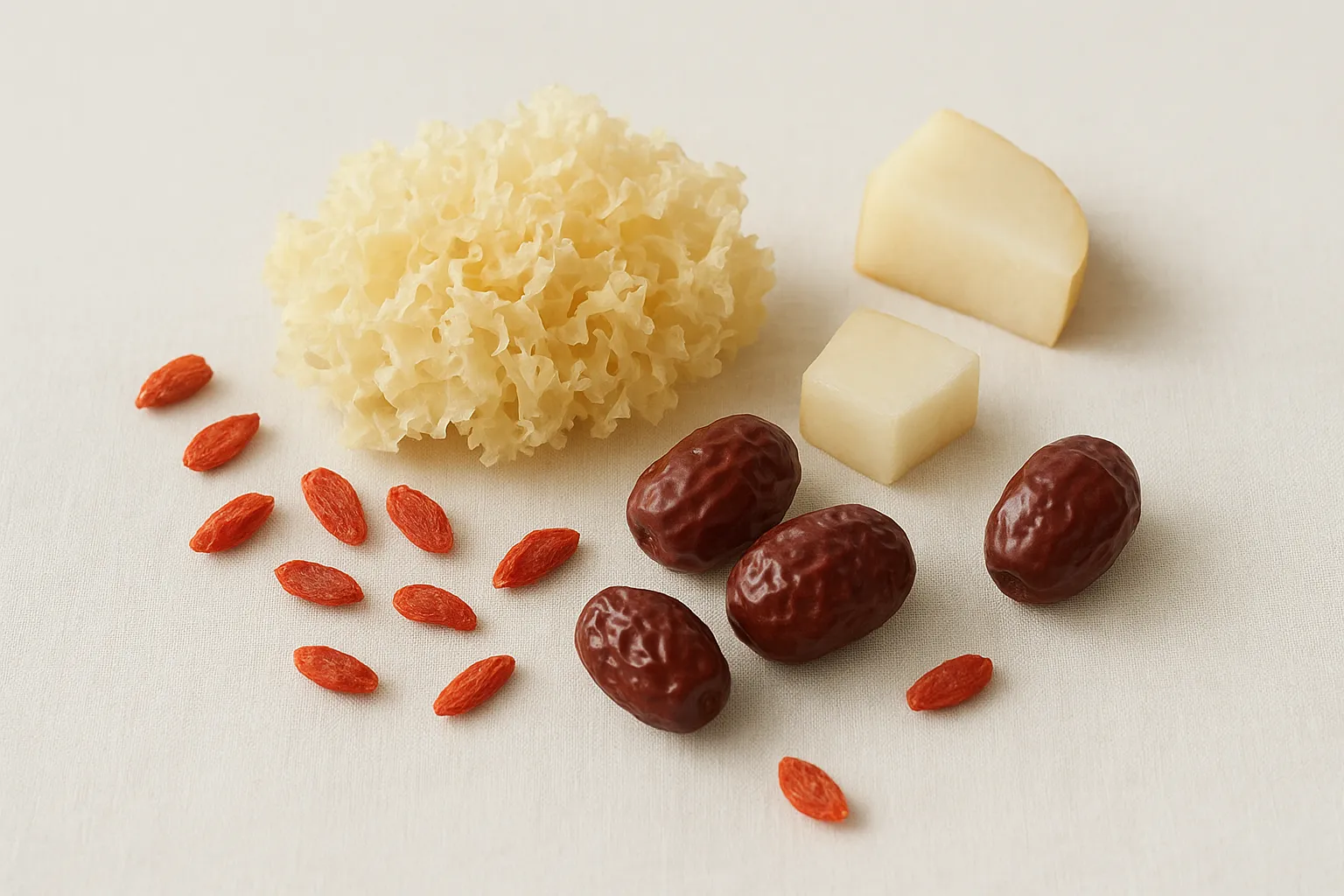
- Moistening foods such as pear and lily bulb; ease off spicy or fried food
- Sleep before 11 pm; avoid hot rooms and intense workouts
|
| Phlegm and dampness (痰湿质)Fluids transform slowly. |
Heaviness, sluggishness, oily skin, sticky mouth, easy weight gain |
- Light, fluid-draining foods such as barley and radish; ease off sweets and grease
- Exercise vigorously enough to sweat; avoid damp rooms
|
| Damp-heat (湿热质)Sluggish fluids plus internal heat. |
Acne-prone skin, bitter taste, bad breath, irritability, heavy heat |
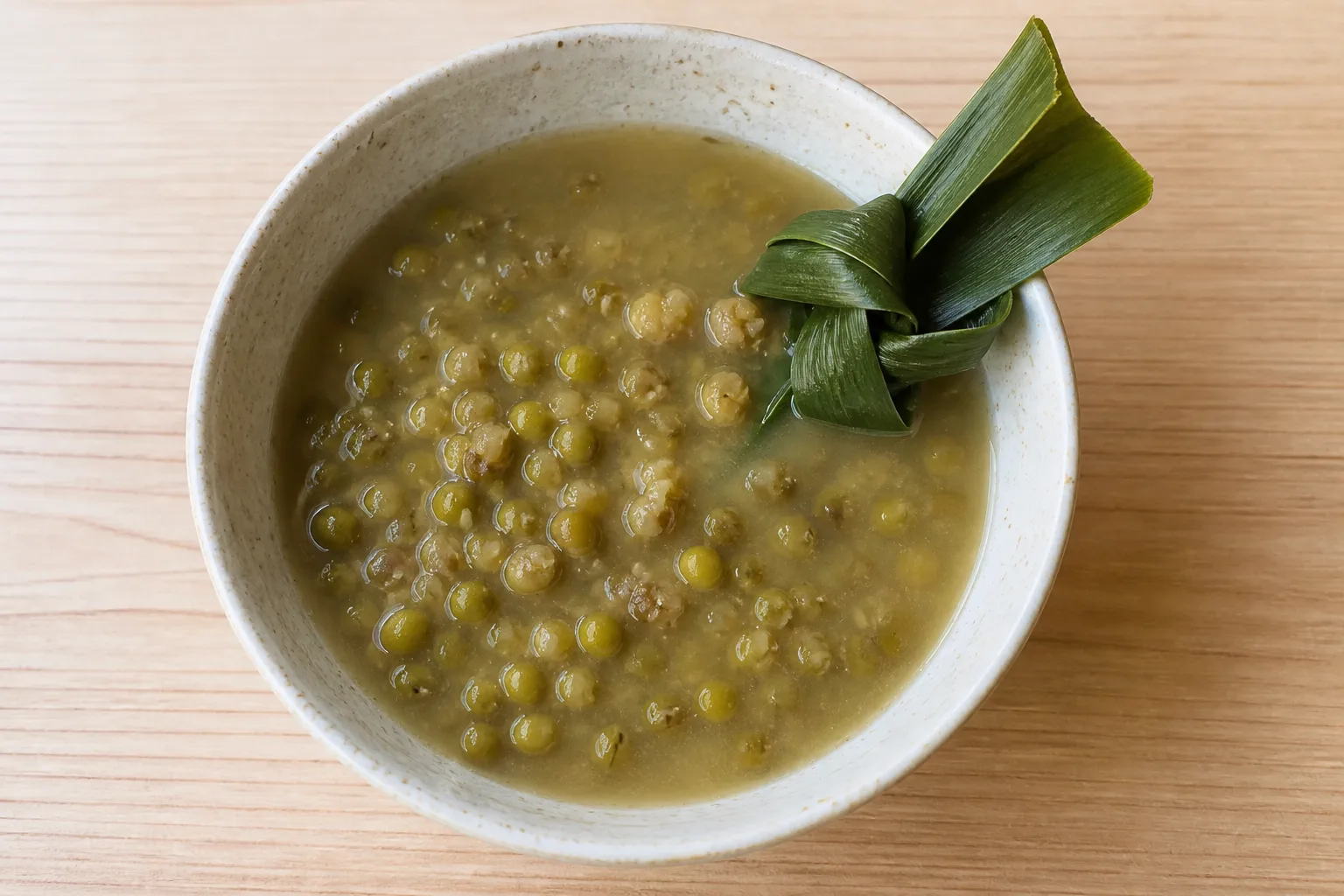
- Clearing foods such as mung bean and celery; skip alcohol and spice
- Breathable fabrics; keep rooms cool and well ventilated
|
| Blood stasis (血瘀质)Circulation moves poorly. |
Dull or dark complexion, dark circles, easy bruising, dark spots, sharp local pain |
- Blood-moving foods such as hawthorn, black wood ear, and rose tea
- Regular cardio; avoid sitting for long stretches
|
| Qi stagnation (气郁质)Qi sticks, often with stress. |
Mood swings, anxiety, frequent sighing, a lump-in-throat feel |
- Qi-moving foods such as citrus, onion, and jasmine tea
- Stress relief, deep breathing, and time in nature
|
| Special constitution (特禀质)Inherited sensitivity. |
Allergies such as hay fever, asthma, or eczema; strong seasonal sensitivity |
- Bland diet; skip personal allergens and stimulating foods such as shellfish
- Keep living spaces clean and dust-free; adapt to seasonal temperature shifts
|