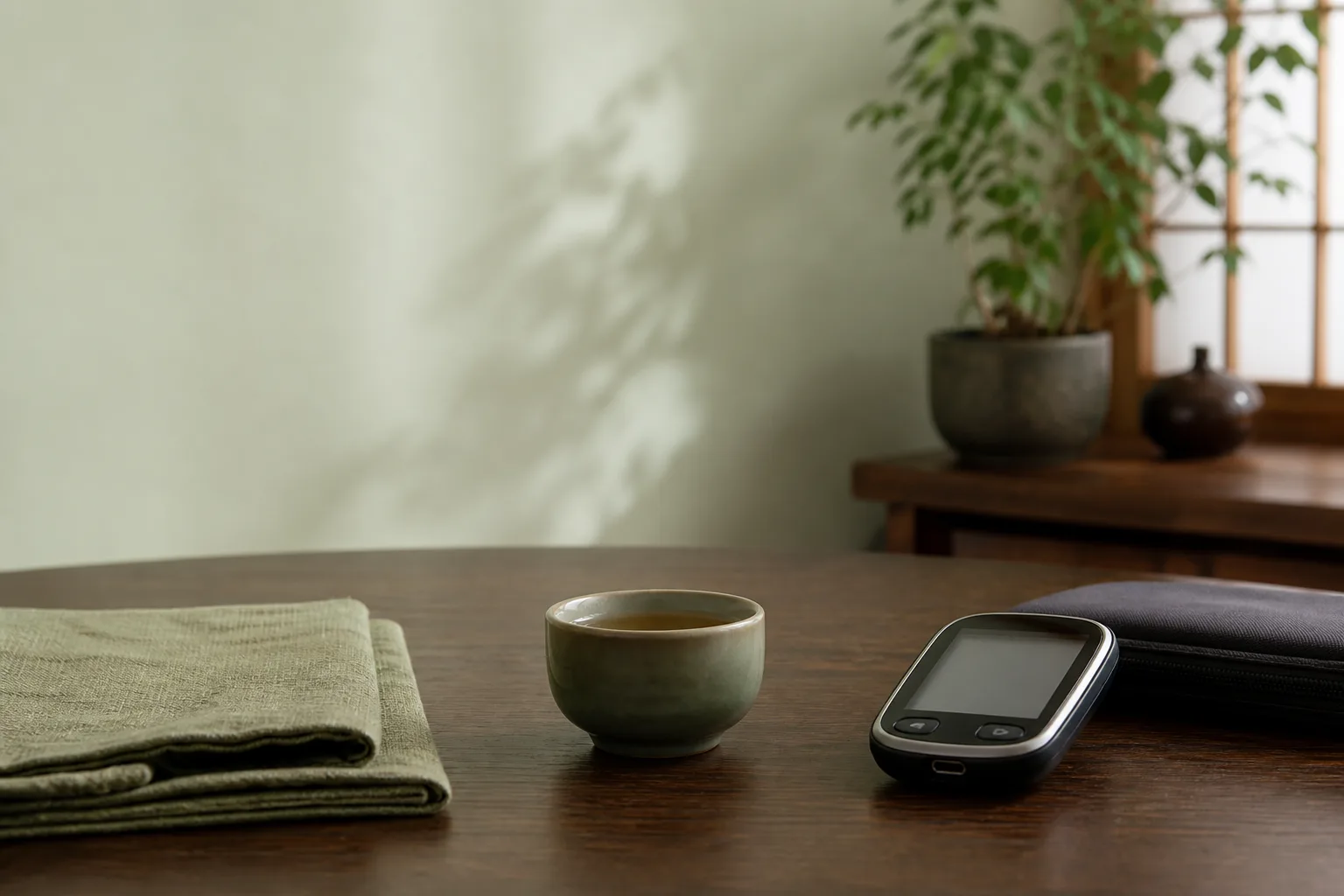
Ceramic herbal cup beside a glucose meter on a sage-mist clinic table

Insights · General Health

Diabetes from a TCM perspective

Frequent thirst, heavy urination, or tiredness that will not lift often sit beside high glucose. TCM reads 消渴 Xiao-Ke as Yin deficiency with heat in the Lung, Stomach, or Kidney, then matches herbs, acupuncture, and habits beside your GP plan.

In brief

Frequent thirst, passing urine often, or unexplained tiredness can sit with high blood glucose. TCM for diabetes sits beside monitoring, not instead of it. Physicians often read 消渴 Xiao-Ke (wasting and thirsting): Yin deficiency with heat leaning to the Lung, Stomach, or Kidney. Care is patterned acupuncture and herbs. About 90% of diabetes in Singapore is Type 2; early prediabetes checks matter for everyone.

01 · Biomedical map

Type 1 and Type 2 diabetes

High blood glucose often shows up on a test before you feel unwell. Diabetes mellitus is a disorder of insulin: when insulin is missing or cannot work well enough, glucose rises and stays in the blood.

Insulin deficiency, or a mix of deficiency and tissue resistance, leaves sugar circulating instead of entering cells. The two common clinical pictures differ in how that failure starts.

Type 1 and Type 2 at a glance
Type What happens Who it often affects
Type 1 diabetes Near-complete insulin deficiency after the immune system damages insulin-producing cells in the pancreas. Can appear at any age; most often diagnosed in juveniles. Family history can sit in the picture.
Type 2 diabetes Body tissues resist insulin, and the pancreas cannot make enough extra insulin to overcome that load. Later onset, usually after age 40, especially with overweight and inactivity. About 90% of people with diabetes in Singapore have Type 2.
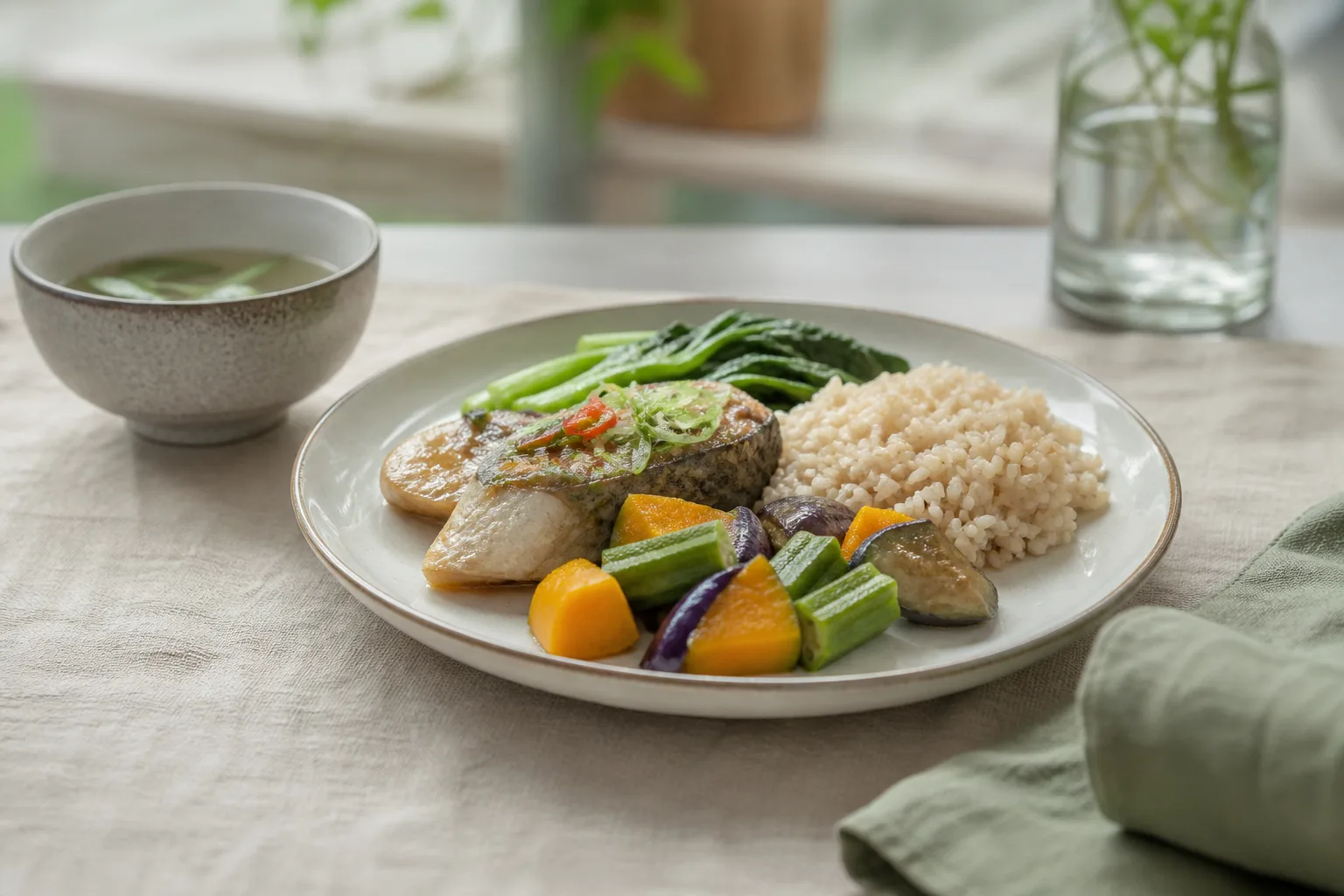
Balanced plate with whole grains, vegetables, and fish for diabetes prevention habits

02 · Signs and habits

Symptoms and prevention

Diabetes can stay quiet for a long time. Roughly one in four people with diabetes may not know they have it yet.

Fatigue that does not match rest is an early sign people often ignore. Classic symptoms include frequent urination, thirst, hunger, weight loss, and blurred vision. Before frank diabetes, many people pass through borderline diabetes or prediabetes, when plasma glucose is already abnormal but short of standard diabetes definitions. Regular checks allow earlier intervention.

Exercise and diet matter for people with and without diabetes. They help prevent or delay long-term complications.

Daily habits that may help
Habit Guide
Move most weeks Exercise three to five times a week, at least 20 minutes each session.
Ease toward a healthy weight If you are overweight, gradual loss reduces the load on insulin and the pancreas.
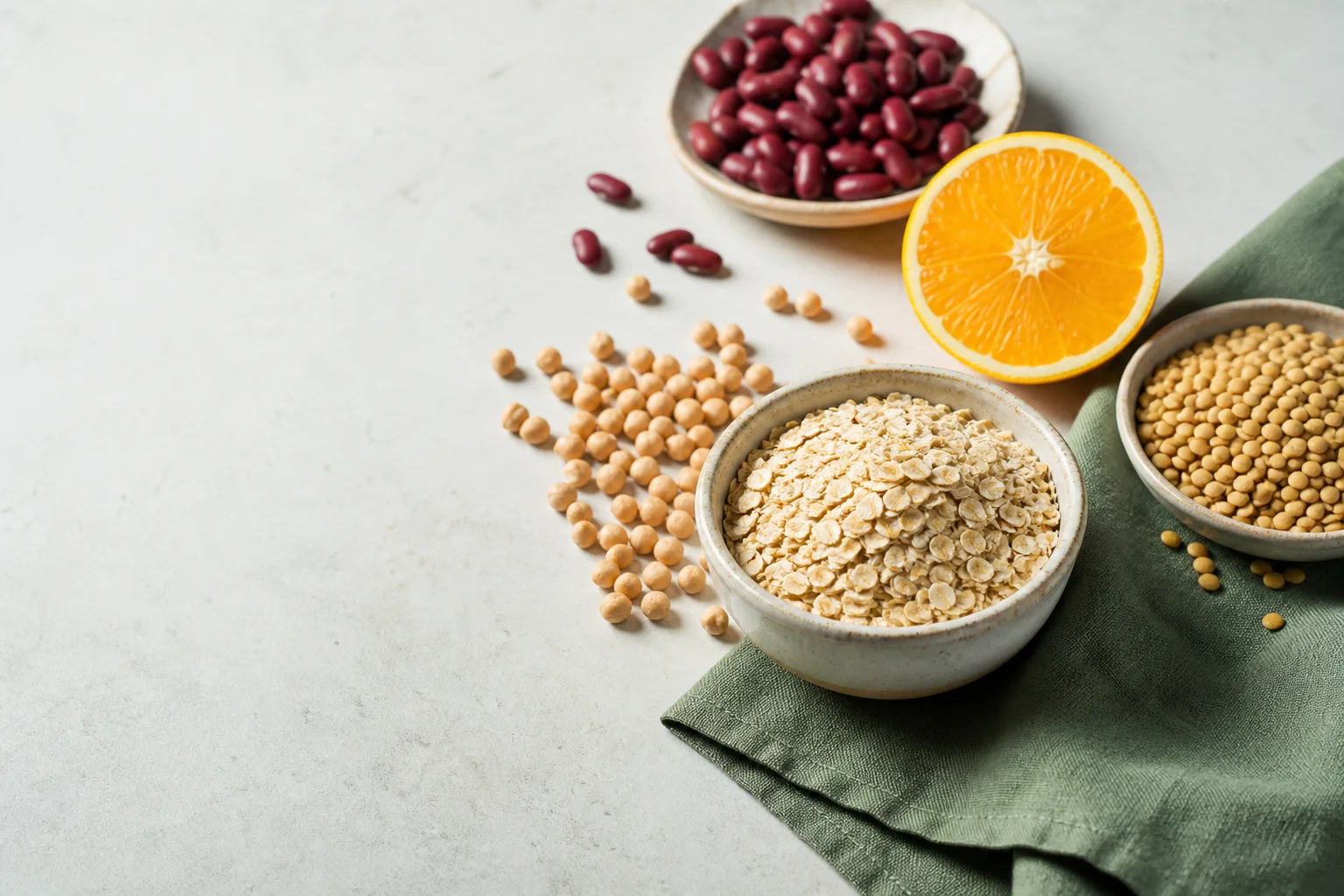
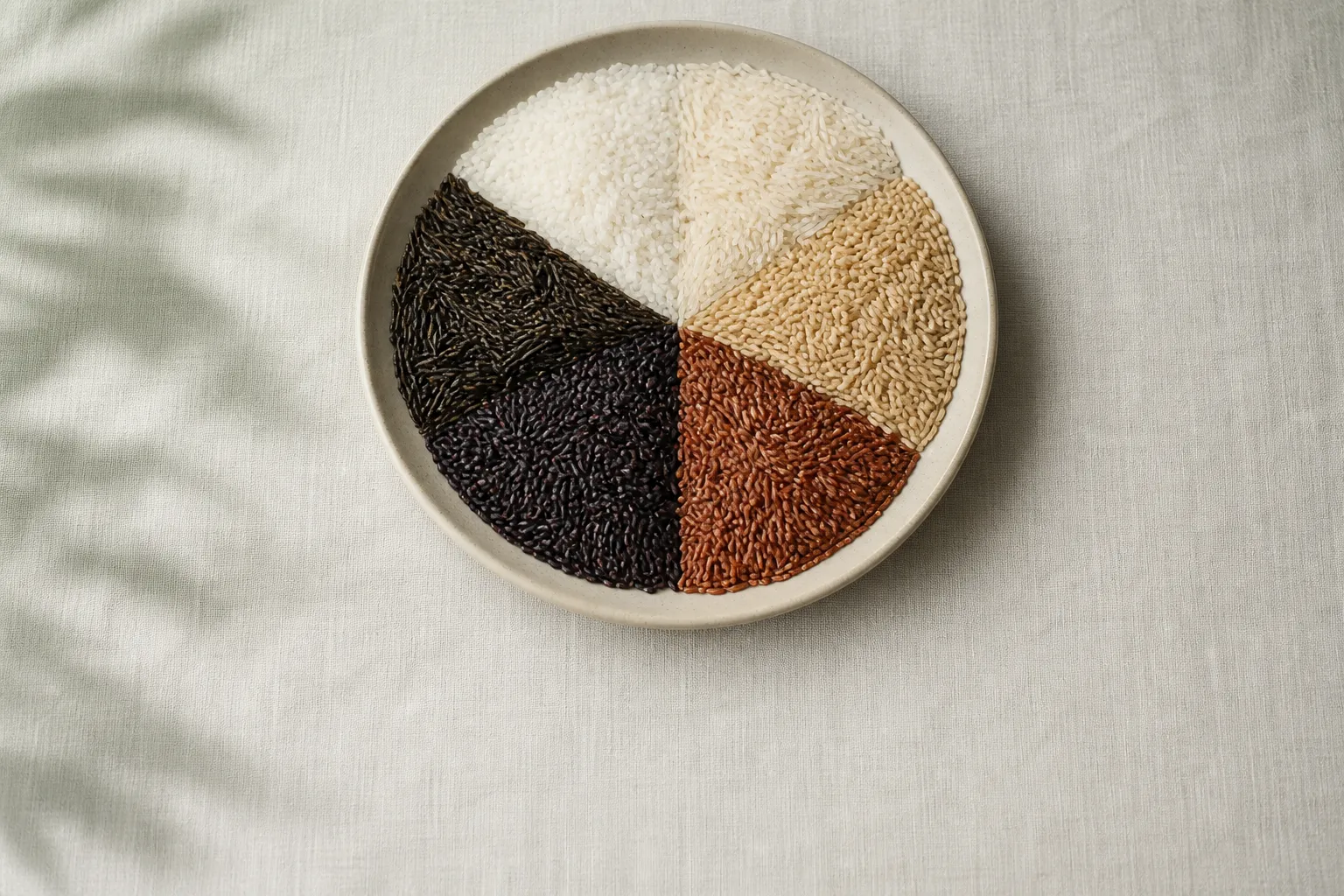
Choose portions and whole grains Favour whole grains over refined grains, and keep carbohydrate portions honest.
Spread meals and snacks Adjust meal and snack timing so intake is steadier across the day.
Reduce salt Lower salt intake supports long-term metabolic and cardiovascular habits.
Cut sweets and sugary drinks Less refined sugar and sweetened drinks eases glucose spikes and damp-building snacks.
Healthy diet pyramid servings
Band Daily guide
Rice and alternatives About 5–7 servings a day; prefer whole grains over refined grains.
Fruit and vegetables About 2 servings of fruit and 2 servings of vegetables a day.
Meat and alternatives About 2–3 servings a day.
Fats, oils, and sugar Use only in small amounts.

03 · TCM view

A TCM perspective on diabetes

Frequent thirst that water does not settle, hunger with heat rising, or urination that keeps you up at night often read as wasting and thirsting Xiao-Ke (消渴) in Chinese medicine.

Xiao-Ke is often linked with Yin deficiency, which can produce excess heat in the body. That Yin shortfall sits close to the Lung, Stomach, and Kidney systems. Classical teaching also sorts the picture into upper, middle, and lower Xiao-Ke by which thirst, hunger, or urination signs lead.

Upper, middle, and lower Xiao-Ke
Pattern Organ lean Common signs
Upper Xiao-Ke Lung Thirst and dry mouth that water does not fully settle; polydipsia sits in the foreground.
Middle Xiao-Ke Stomach Strong hunger, preference for cool drinks, and a sense that food does not land while heat still rises.
Lower Xiao-Ke Kidney Frequent urination, night dryness, and longer-term wasting pictures with Kidney Yin weakness.

Organ systems

Lung, Stomach, and Kidney Yin can all run short in the same person. A physician names which lean leads before matching care.

04 · Assessment

What a physician looks for

Pulse, tongue, and body signs sit beside your glucose results. Bring the latest blood tests and your medication list to the first visit.

1. Yin deficiency with heat

Dry mouth, night heat or restless sleep, red tongue with little coat, and a fine rapid pulse often point toward Yin shortfall with rising heat.

2. Lung, Stomach, or Kidney lean

Thirst that leads suggests Lung dryness; hunger that leads suggests Stomach heat; frequent night urination and low-back cold or night dryness lean toward Kidney Yin weakness.

3. When to seek urgent care

Confusion, fainting, chest pain, severe breathlessness, or suspected very high or very low glucose is emergency or GP care first. TCM sits beside endocrinology, not instead of it.

05 · Clinic care

How TCM can help

Chinese herbs and formulas have long been used with acupuncture and acupressure for Xiao-Ke patterns. Care aims to support glucose balance, especially in prediabetes, and to reduce complication risk beside Western monitoring.

A physician names the pattern from pulse, tongue, and history, then matches acupuncture and Chinese herbal medicine. There is no fixed diabetes protocol and no cure claim. TCM sits with blood glucose checks, insulin, and oral medicine decided with your GP.

When to book a diabetes-pattern consult

If glucose stays high, prediabetes keeps returning, or you want TCM beside Western care, bring your latest results and medication list. A physician can name the Xiao-Ke pattern and match herbs, acupuncture, and daily habits to it.

06 · What may help

Self-press points for glucose habits

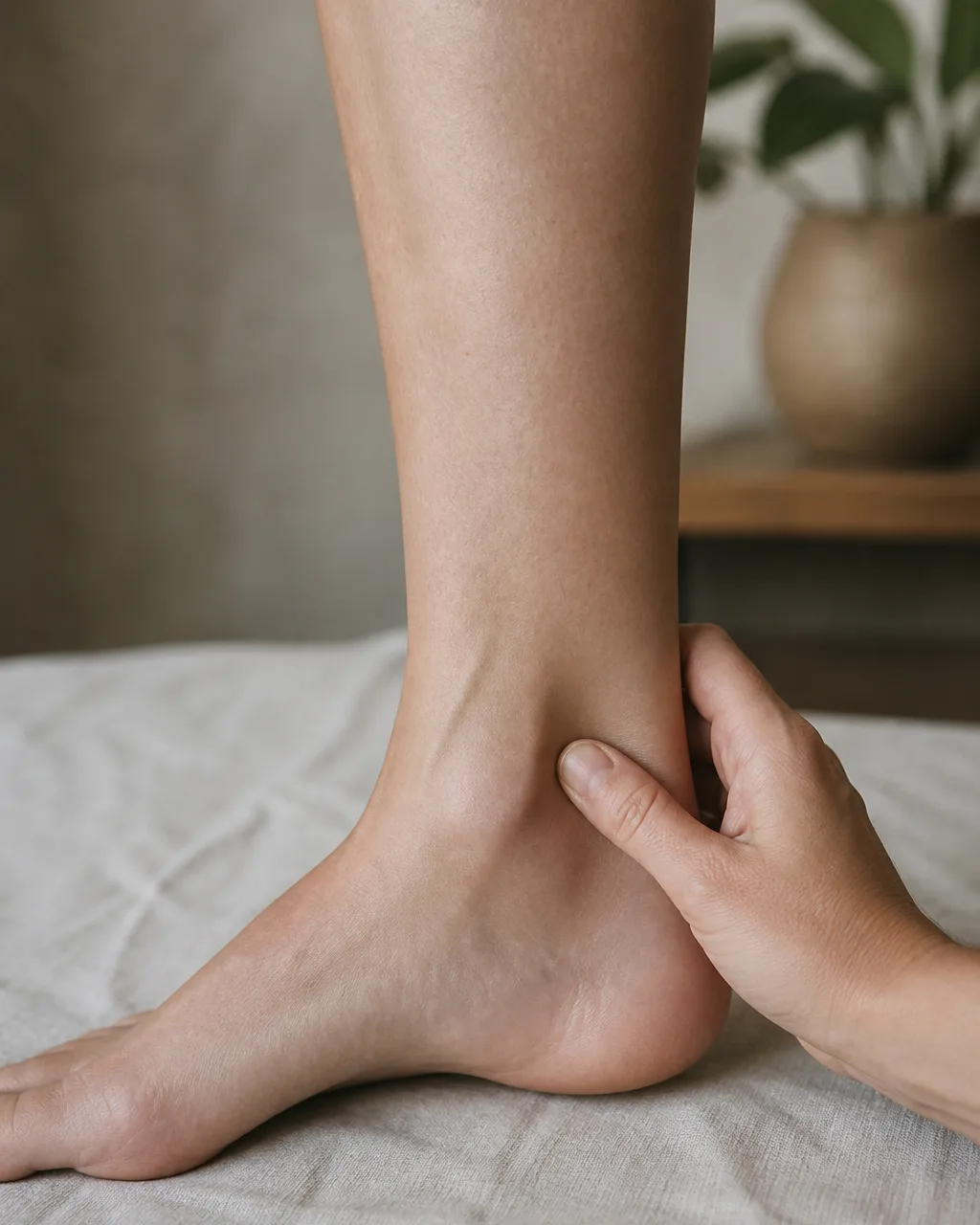
Di Ji (SP8) and Tai Xi (KD3) are a common educational pair for Xiao-Ke self-care. Gentle locate-and-press sits with prescribed diabetes care, not instead of it.

Thumb pressing Tai Xi KD3 between the inner ankle and Achilles

Acupoint · SP8 and KD3

Di Ji and Tai Xi

SP8 sits on the medial lower leg along the Spleen channel; KD3 sits in the soft hollow between the inner ankle bone and the Achilles tendon. Circle each kindly for one to two minutes per side.

Skip over cuts or swelling. Not emergency care for low or high glucose crises.

Press SP8 and KD3
Dr Sim Beng Joo

Clinically reviewed

Reviewed by Sim Beng Joo

Advisor (Science & Strategy) / Consultant Physician · TCMPB T1303003A

MOH-licensed TCM physician and biomedical scientist, with clinical work in digestion, pain, sleep or fatigue, and constitution patterns that show as damp, phlegm, or metabolic load.

View full profile

Educational information based on clinical experience and TCM principles. Not a substitute for personalised consultation, blood glucose monitoring, endocrinology, insulin or oral diabetes medicine, or urgent care. Speak with your physician and GP before starting herbs, new self-press habits, or diet changes. Seek urgent care for confusion, fainting, chest pain, or severe breathlessness. TCM works alongside Western diabetes care.

FAQs

Questions, answered

Common questions before you change diet, start self-press, or book a first visit.

What is Xiao-Ke in TCM?

消渴 Xiao-Ke means wasting and thirsting. It is the classical TCM name for diabetes-related pictures. Physicians often link it with Yin deficiency and excess heat, sorted as upper (Lung), middle (Stomach), or lower (Kidney) Xiao-Ke when thirst, hunger, or urination leads.

How does TCM view diabetes?

Western medicine tracks insulin and blood glucose. TCM reads the same presentation through pattern: often Yin deficiency with heat that shows as thirst, hunger, frequent urination, or fatigue. Care is matched to pulse, tongue, and history beside your GP plan.

Can TCM help with prediabetes or blood glucose?

TCM does not replace blood tests, insulin, or oral diabetes medicine. Patterned acupuncture and herbs may sit beside monitoring, especially when glucose is already abnormal but not yet frank diabetes. Results vary; there is no cure or guarantee claim.

What is the difference between Type 1 and Type 2 diabetes?

Type 1 is mostly near-complete insulin loss after immune damage to insulin-producing cells; it can appear at any age and is often diagnosed in younger people. Type 2 combines tissue resistance to insulin with the pancreas not making enough extra insulin; it is more common after age 40 with overweight and inactivity, and accounts for about 90% of diabetes in Singapore.

Which acupressure points are used for diabetes self-care?

Educational self-press often pairs Di Ji (SP8) on the medial lower leg with Tai Xi (KD3) between the inner ankle bone and the Achilles tendon. Clinic acupuncture is still matched to your pattern, not a fixed glucose point list.

Can lifestyle changes help prevent diabetes complications?

Yes as support beside medical care. Roughly one in four people with diabetes may still be undiagnosed, so checks matter. Regular movement, a healthy weight when needed, whole-grain portions, meal timing, less salt, and fewer sugary drinks help prevent or delay complications.

References

Selected sources

  1. Original article author: Physician Vivian Lee.

Next step

Ready for a Xiao-Ke pattern read?

Bring your latest glucose results and medication list. We will name the pattern in plain language and decide what belongs in your plan beside GP care.

Hours
Most clinics daily 11:00 AM – 8:00 PM
Care
Physician-led consultation