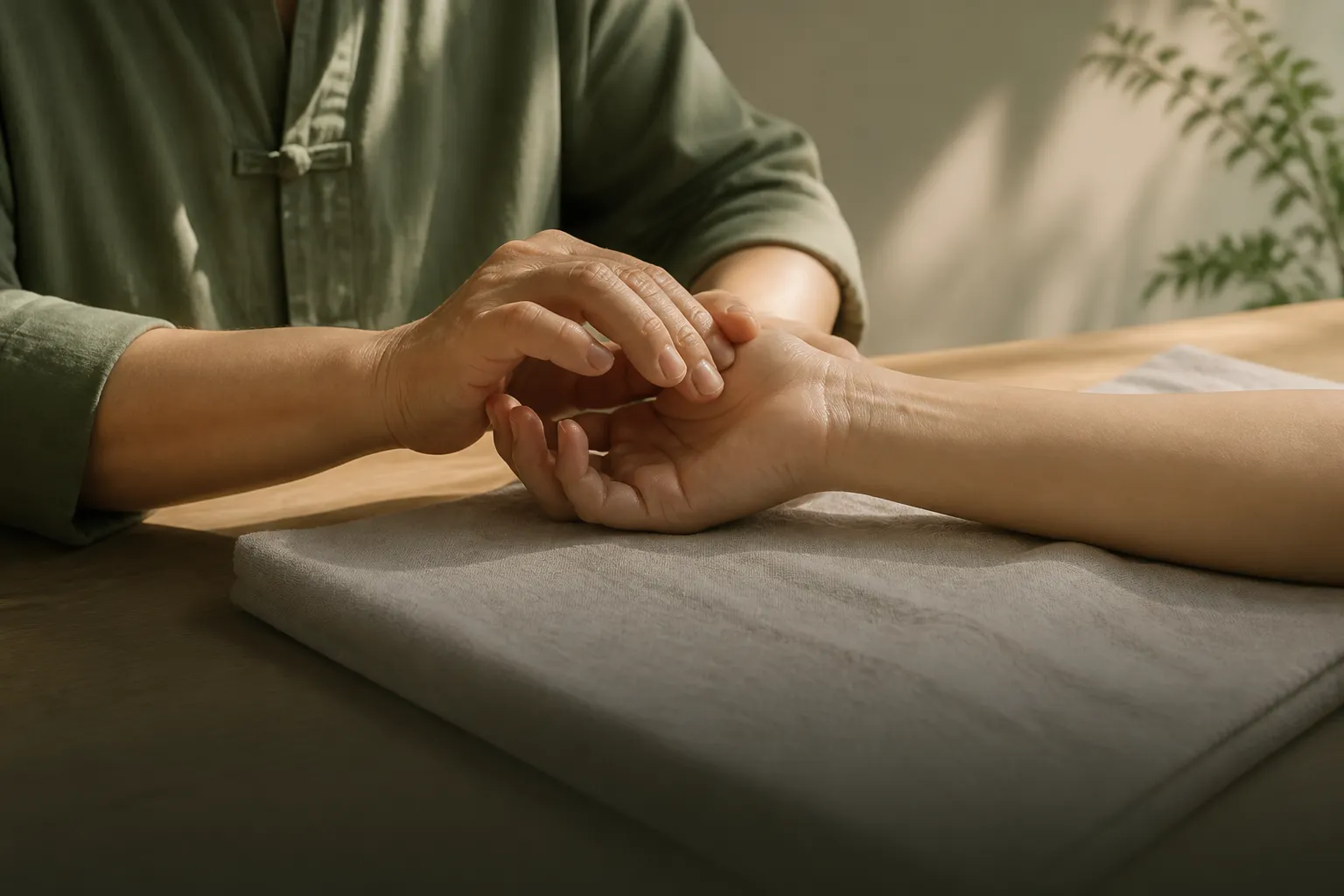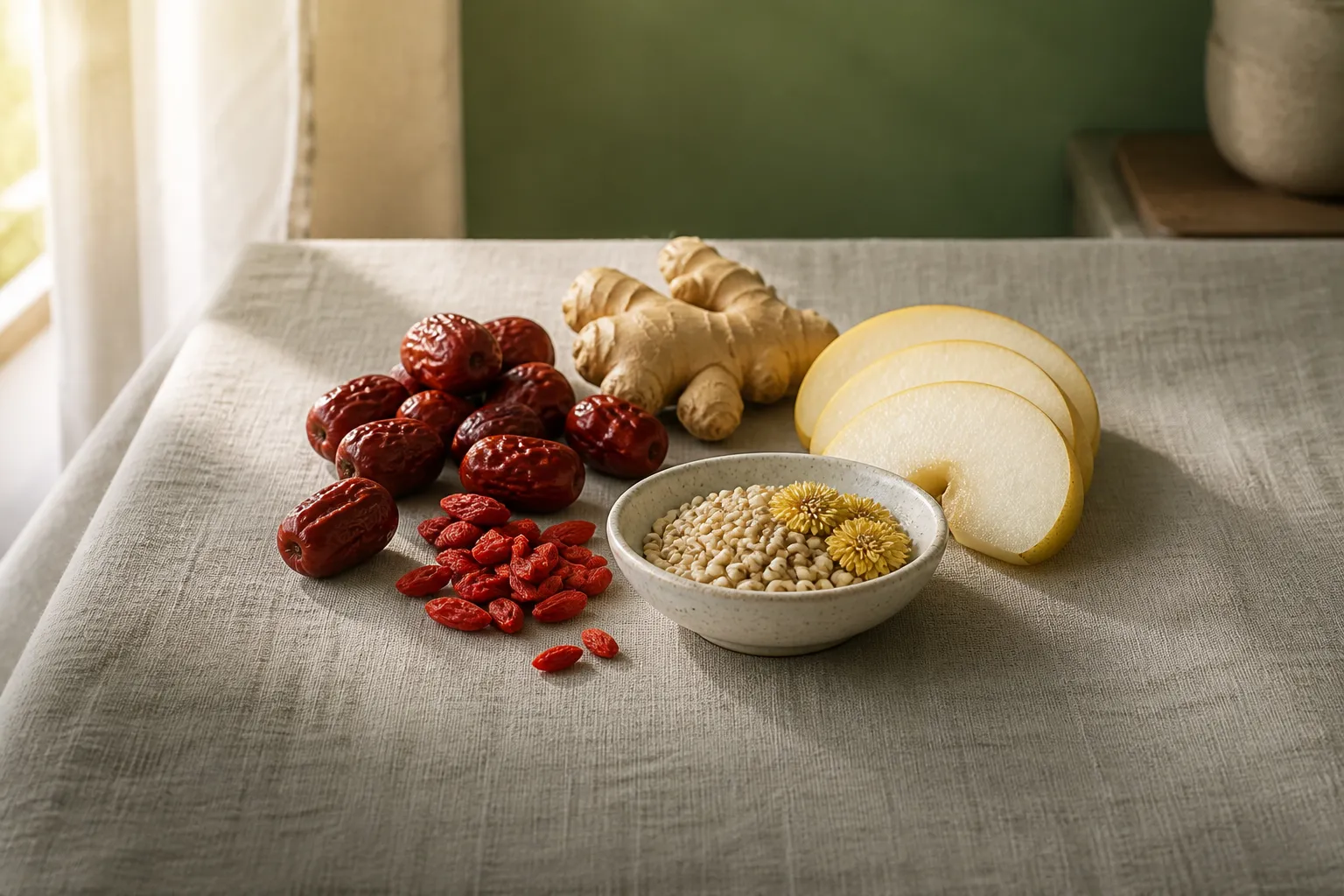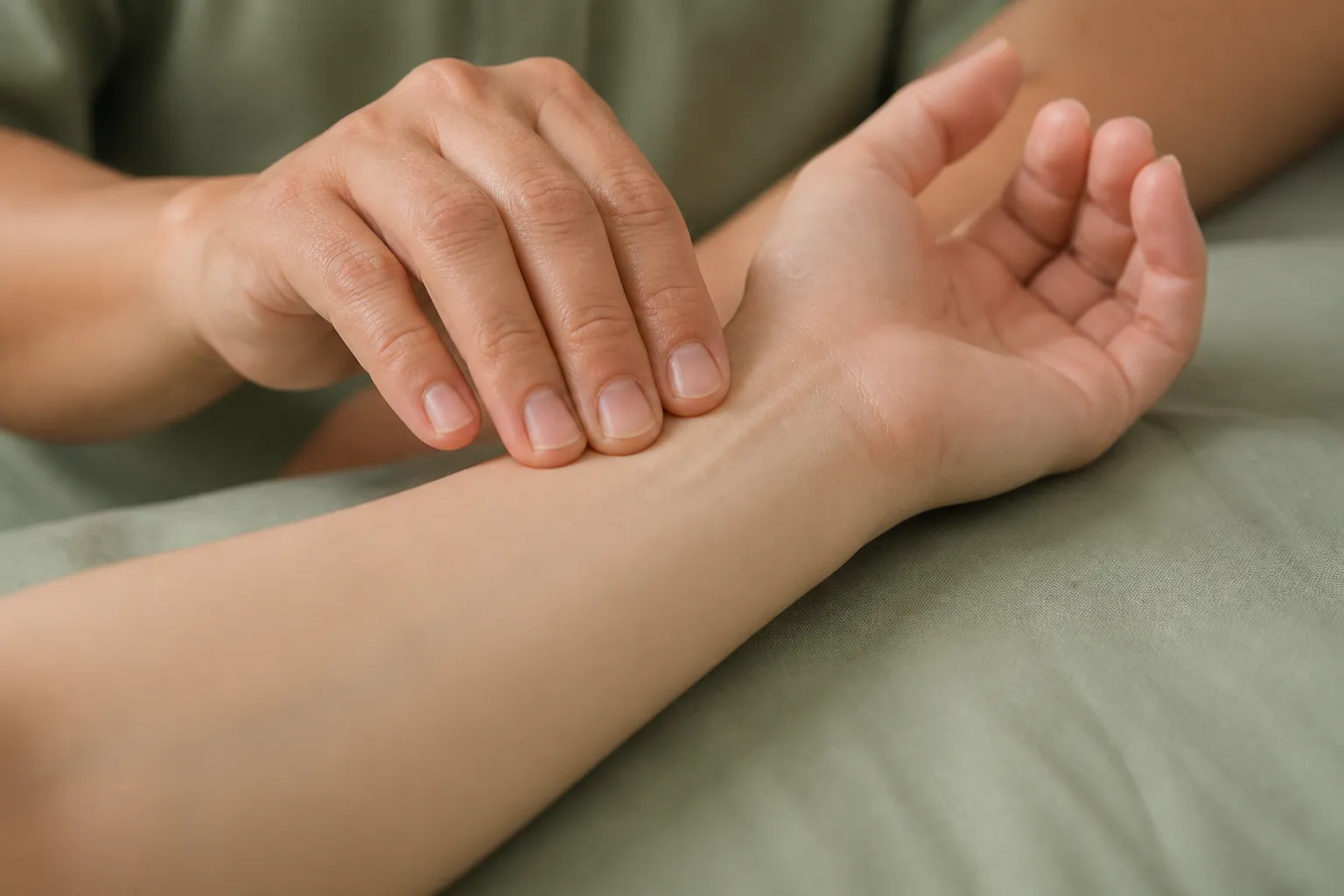
Physician taking a radial pulse during a cholesterol-pattern consult at PULSE TCM

Insights · General Health

Managing cholesterol with TCM

When a lipid panel keeps creeping up, TCM often reads Spleen weakness with damp or phlegm-damp with stuck qi. Acupuncture, herbs, and kitchen habits usually sit beside GP monitoring.

In brief

A lipid panel at 6.2 mmol/L and above is hypercholesterolaemia. TCM often reads raised lipids as Spleen deficiency with damp, or phlegm-damp with qi stagnation from long sitting and surplus calories. Care is patterned acupuncture and herbs beside GP lipid monitoring, not a fixed cholesterol protocol. LDL delivers cholesterol to tissues; HDL returns excess to the liver.

01 · Biomedical map

What is cholesterol?

Many people first notice raised lipids on a routine blood test before any symptom. Cholesterol is a waxy building block in cell membranes; your liver makes about 80% and food supplies the rest.

Two lipoproteins carry cholesterol to and from cells. When total cholesterol sits at 6.2 mmol/L and above, the reading is called hypercholesterolaemia. High levels raise the risk of heart disease and stroke.

LDL and HDL
Lipoprotein Role
LDL (low-density lipoprotein)Often called “bad” cholesterol in lab language. Delivers cholesterol to tissues. Strongly linked with fatty build-up in arteries (atherosclerosis), which narrows vessels and raises stroke, heart disease, and peripheral artery disease risk.
HDL (high-density lipoprotein)Often called “good” cholesterol in lab language. Carries excess cholesterol away from the bloodstream back to the liver to be broken down and removed. Higher HDL is associated with lower heart disease risk.

02 · TCM view

TCM view on cholesterol

Heavy limbs after rich meals, a sluggish waistline, or lipids that stay high despite diet often read as Spleen weakness with damp, or phlegm-damp with stuck qi from long sitting.

1. Spleen deficiency

The Spleen oversees intake, transformation, and distribution of nutrients and fluids from food. Irregular meals, fried oily food, cold drinks, late-night supper, and buffet excess can weaken that work. Fluids transform poorly and damp accumulates.

2. Phlegm and dampness with qi stagnation

Long sitting with little movement and more calories than you burn stores excess as phlegm and damp. That load slows qi and blood, which invites still more damp. Circulation and metabolism feel heavier.

03 · Assessment

What a physician looks for

Pulse, tongue, and body signs sit beside your lipid panel. Bring the latest blood results and your medication list to the first visit.

1. Damp and Spleen load

Heaviness in the limbs, foggy head after rich meals, loose stools, a swollen tongue with a thick greasy coat, and a soft or slippery pulse often point toward Spleen deficiency with damp.

2. Qi stagnation with phlegm

Chest or flank tightness that shifts with stress, sluggish digestion after long sitting, and a stringy pulse with greasy tongue coat can sit with phlegm-damp and stuck qi.

3. When to seek urgent care

Acute chest pain, sudden weakness, collapse, or severe breathlessness is emergency care first. TCM sits beside cardiology, not instead of it.

04 · Clinic care

How TCM can help with cholesterol

A physician names the pattern, then matches acupuncture and herbal medicine to it. There is no fixed cholesterol protocol.

For damp-heavy Spleen patterns, needling and herbs often aim to strengthen transformation and move phlegm. When qi stagnation sits with heaviness, the plan may also soothe Liver qi so circulation is less stuck. Care sits beside lipid blood tests and GP advice. Acupuncture and Chinese herbal medicine follow pulse, tongue, and history.

When to book a cholesterol-pattern consult

If lipids stay high, damp signs keep returning, or you want TCM beside statin care, bring your latest panel and medication list. A physician can name the pattern and match acupuncture, herbs, and kitchen habits to it.

05 · Daily habits

TCM tips for managing cholesterol

Kitchen and movement habits support Spleen transformation and qi flow. They sit with clinic care, not instead of blood tests.

1. Maintain a healthy weight

An old saying runs 「若要身体安,三分饥与寒」: for the body to stay well, leave a little hunger and a little cool. Eating to about 70% full eases the Spleen’s load so damp is less likely to collect. Chew slowly (about 20 times), put the phone aside, and favour a plate size that keeps portions honest.

2. Limit alcohol

Alcohol can add damp-heat and burden Spleen transformation when lipids already run high. HealthHub guidance: women no more than one standard drink a day; men no more than two. A standard drink holds about 10 g alcohol: one 330 ml can of regular beer, half a glass (100 ml) of wine, or one nip (30 ml) of spirit.

3. Ease off greasy, fried, and refined sweets

Oily fried food, refined sugar, and refined grains are classic damp builders in TCM and also raise blood lipids. Common sources include fries, doughnuts, hamburgers, potato chips, popcorn, cakes, biscuits, cookies, and frozen pizzas. Cut back when limbs feel heavy or the tongue coat already sits thick.

4. Exercise regularly

Aim for at least 30 minutes of moderate aerobic exercise at least twice a week. Movement moves qi and blood so phlegm-damp is less likely to settle after long sitting.

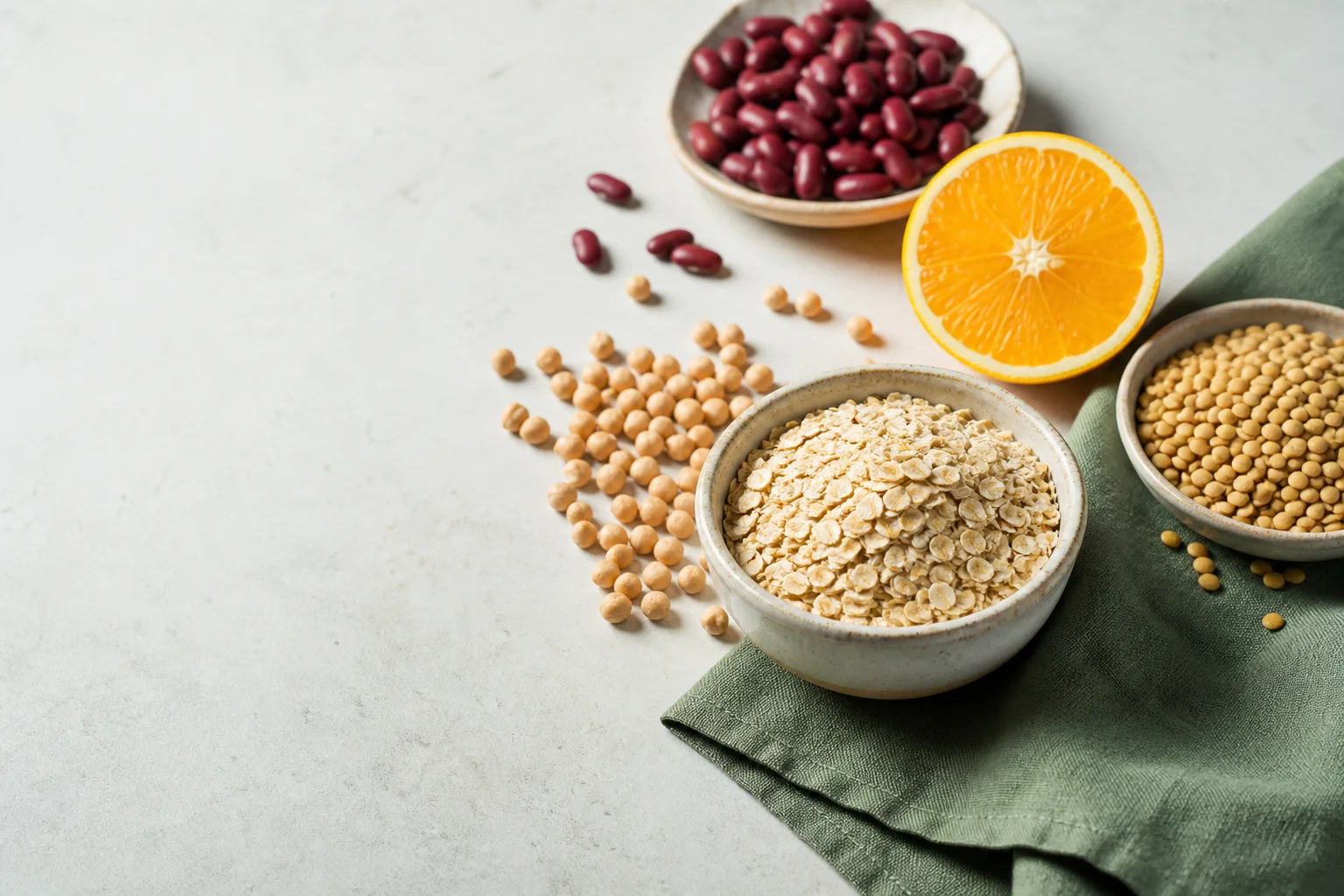
Cholesterol-aware foods

Soluble fibre and omega-3 fats support Western lipid goals. In TCM they also tend to be kinder to a damp-prone Spleen than deep-fried snacks.

Foods that may support lipid and damp care
Food Lipid note TCM note
Beans (lentils, chickpeas, kidney beans) Soluble fibre that can bind cholesterol in the gut Steady, filling meals that are kinder than greasy snacks when damp sits heavy
Oatmeal Beta-glucan linked with lower LDL Warm porridge is often easier on Spleen transformation than iced drinks
Apples and citrus (orange, grapes, berries) Pectin may help keep LDL clearer Favour ripe fruit in modest portions if raw cold fruit loosens stools
Fatty fish (salmon) Omega-3 fats linked with lower LDL A cooked fish meal usually sits better than deep-fried batter when damp is already high
Red yeast rice Contains monacolin K, a natural statin-like compound Do not stack with prescribed statins on your own; ask your GP and TCM physician first

06 · Food therapy

Kitchen teas for damp lipid load

Cool kitchen teas may support damp lipid load. They do not replace blood tests or prescribed lipid care, and they do not fit every constitution.

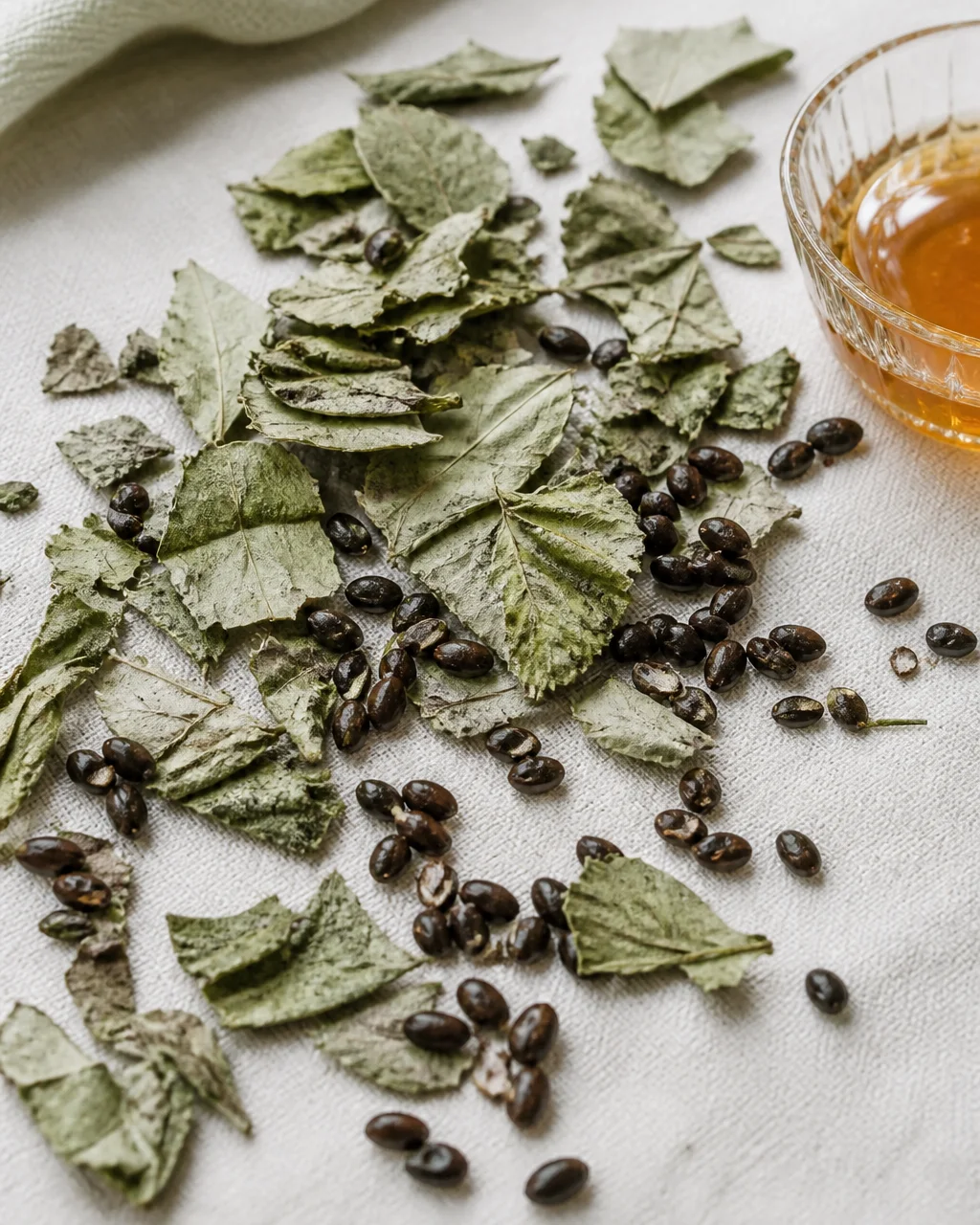
Dried lotus leaf pieces and cassia seeds for tea at PULSE TCM

Tea · 荷叶决明子茶

Lotus leaf cassia seed tea

Lotus leaf 6 g and cassia seed 10 g. Steep in boiling water for 10 minutes; honey optional.

Cool-natured. If there's any chance of pregnancy, don't use this. Ease off if stools loosen.

Make the lotus leaf cassia tea
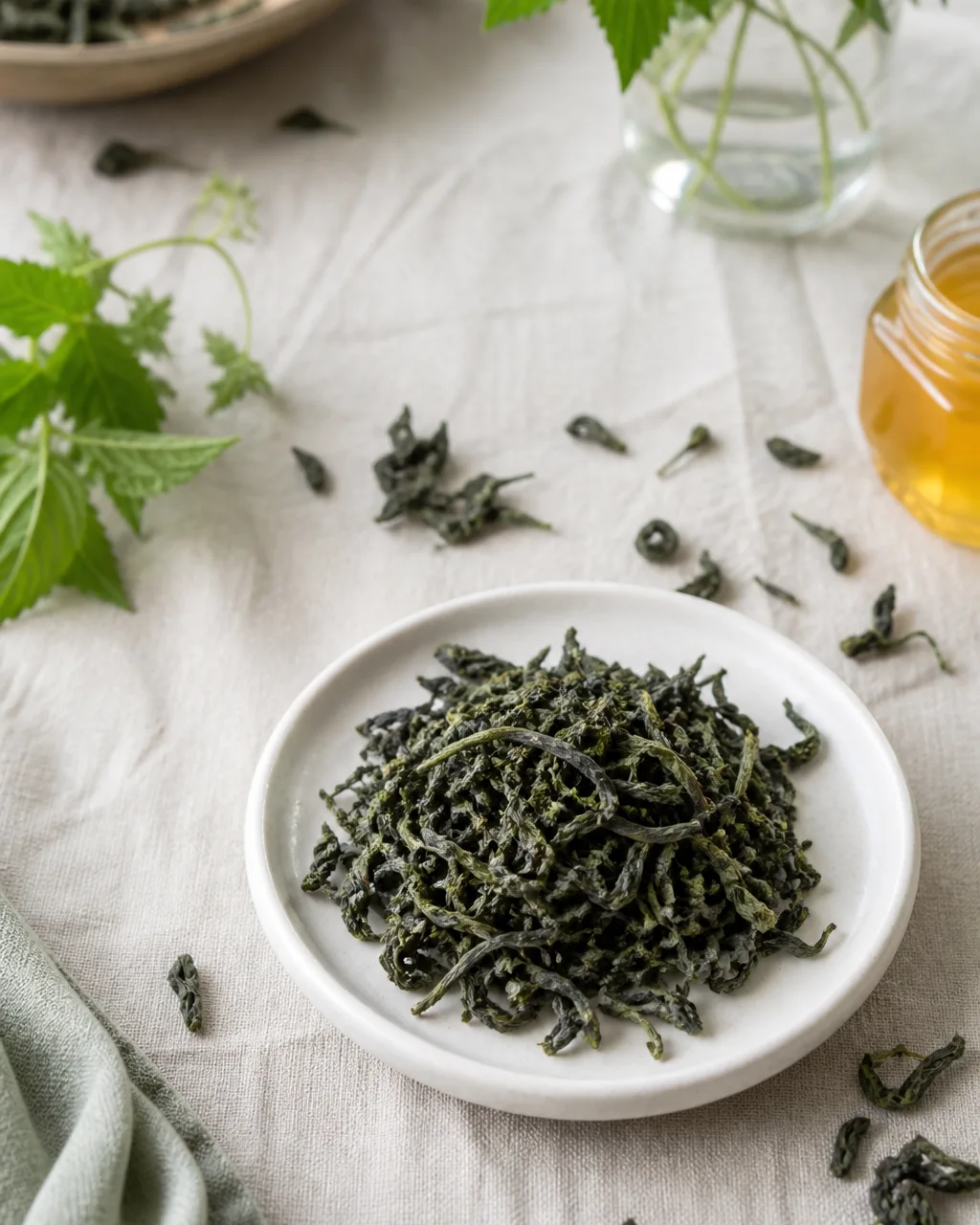
Dried gynostemma leaves for tea at PULSE TCM

Tea · 绞股蓝茶

Gynostemma tea

Gynostemma 10 g. Steep in boiling water for 10 minutes; honey optional.

Cool-natured. Ease off if you feel cold easily. Do not stop prescribed lipid drugs on your own.

Make the gynostemma tea

07 · Self-press

Acupressure for damp support

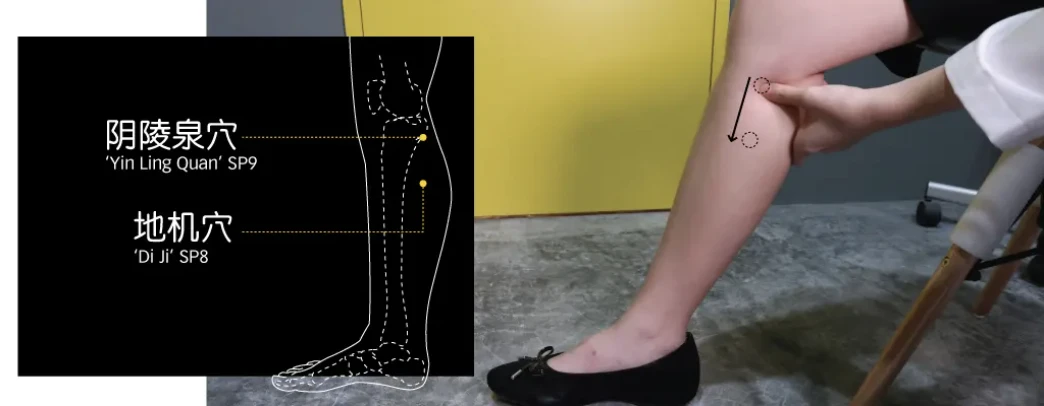
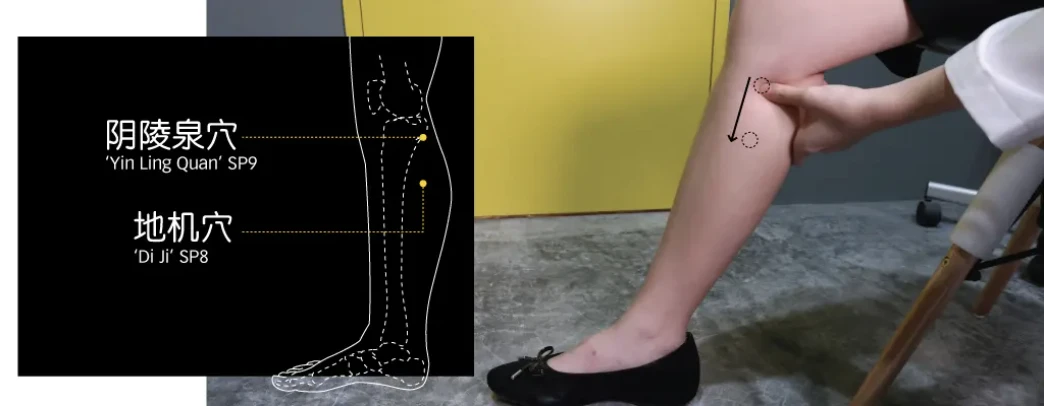
A downward stroke from Yin Ling Quan (SP9) to Di Ji (SP8) on the inner lower leg is a common damp-moving habit. About two minutes daily.

Diagram and photo locating Yin Ling Quan SP9 and Di Ji SP8 on the inner leg

Acupoint · SP9 to SP8

Yin Ling Quan to Di Ji

SP9 sits in the depression at the lower border of the medial tibial condyle. Stroke down the inner calf toward SP8 for about two minutes.

Skip over cuts or swelling. This is not emergency care for chest pain.

Press SP9 to SP8
Dr Sim Beng Joo

Clinically reviewed

Reviewed by Sim Beng Joo

Advisor (Science & Strategy) / Consultant Physician · TCMPB T1303003A

MOH-licensed TCM physician and biomedical scientist, with clinical work in digestion, pain, sleep or fatigue, and constitution patterns that show as damp, phlegm, or metabolic load.

View full profile

Educational information based on clinical experience and TCM principles. Not a substitute for personalised consultation, lipid blood tests, cardiology, or urgent attention. Speak with your physician and GP before starting herbs, red yeast rice, cooling teas, or new self-care, especially with lipid-lowering medicine. Seek urgent care for acute chest pain, sudden weakness, or severe breathlessness. TCM works alongside Western lipid care.

FAQs

Cholesterol questions

Common questions before you change teas, red yeast rice, or book a first visit.

Can TCM lower high cholesterol?

TCM does not replace lipid blood tests or prescribed lipid-lowering care. A physician names the pattern (often Spleen damp or phlegm-damp) and may use acupuncture, herbs, and food therapy alongside your GP plan. Results vary; there is no cure or guarantee claim.

Is TCM a substitute for statins?

No. Statins and other lipid-lowering medicines are GP decisions based on your panel and cardiovascular risk. TCM can sit alongside that plan for damp, phlegm, and qi patterns. Do not stop prescribed drugs on your own.

What acupuncture points help with high cholesterol?

Home self-press often strokes Yin Ling Quan (SP9) down to Di Ji (SP8) for about two minutes to move dampness. Clinic acupuncture is matched to your pulse and tongue, not a fixed cholesterol point list.

How does TCM view high cholesterol?

Common frames are Spleen deficiency (weak transformation of food fluids into damp) and phlegm-damp with qi stagnation from long sitting and calorie surplus. The lab number still needs Western monitoring.

Is red yeast rice safe with statin medicine?

Red yeast rice contains monacolin K, a natural statin-like compound. Do not stack it with prescribed statins on your own. Ask your GP and TCM physician before using it.

Can I take Chinese herbs while on cholesterol medication?

Often yes under joint guidance, but not in the same swallow and not without telling both clinicians. Bring your full medication list to the consult so interactions and timing stay clear.

References

Selected sources

  1. National Center for Complementary and Integrative Health. Traditional Chinese medicine: What you need to know. 2019. https://www.nccih.nih.gov/health/traditional-chinese-medicine-what-you-need-to-know/
  2. Ministry of Health Singapore. TCM practitioners (Healthcare Professional Portal). https://hpp.moh.gov.sg/tcm-practitioners/
  3. World Health Organization. Traditional, complementary and integrative medicine. https://www.who.int/health-topics/traditional-complementary-and-integrative-medicine
  4. HealthHub Singapore. Alcohol and health (standard drink guidance). https://www.healthhub.sg/

Next step

Ready for a cholesterol-pattern read?

Bring your latest lipid panel and medication list. We will name the pattern in plain language and decide what belongs in your plan beside GP care.

Hours
Most clinics daily 11:00 AM – 8:00 PM
Care
Physician-led consultation