01 · The gap
Women report higher stress
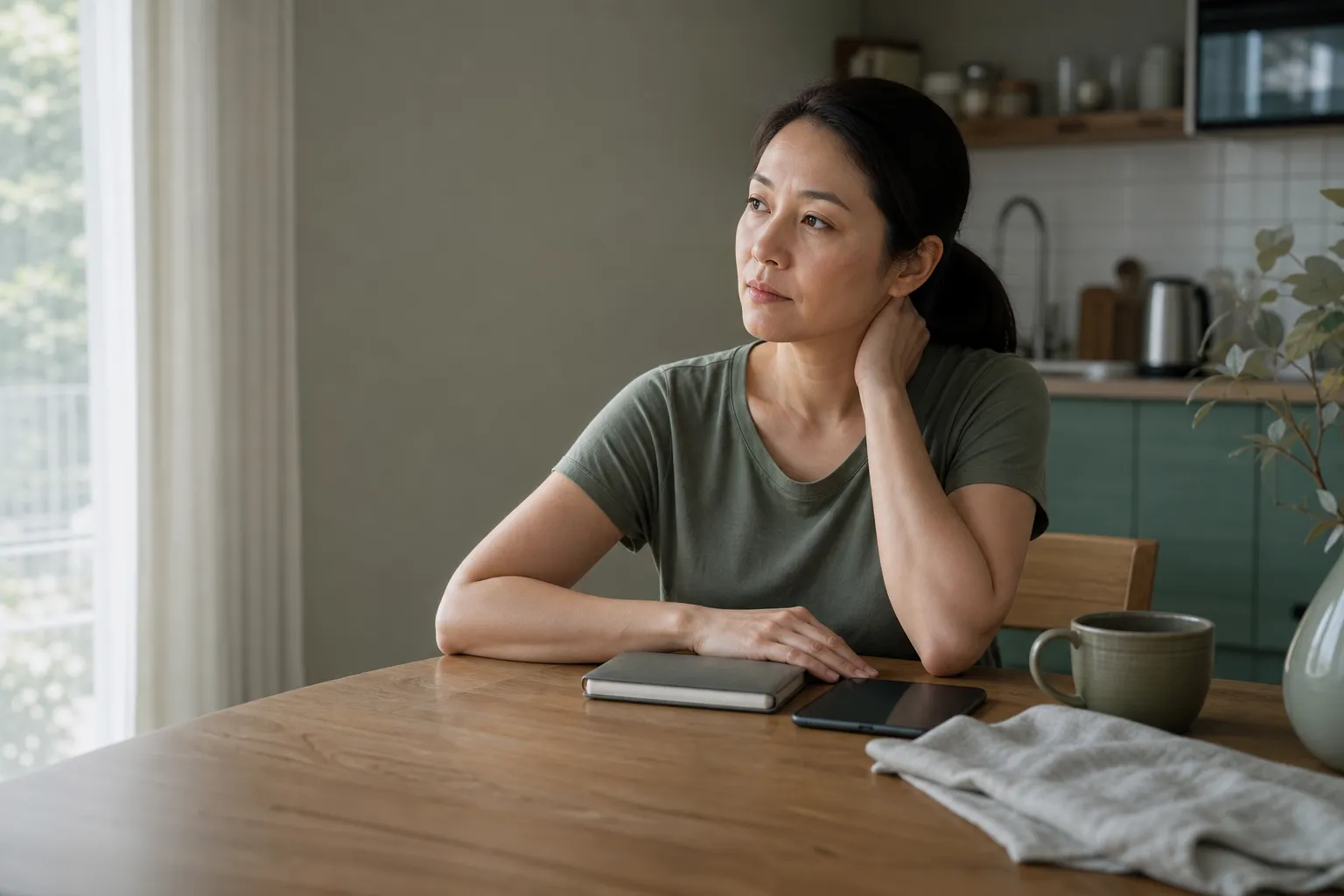
Year after year, women report higher stress levels than men. That pattern is often called the gender stress gap.
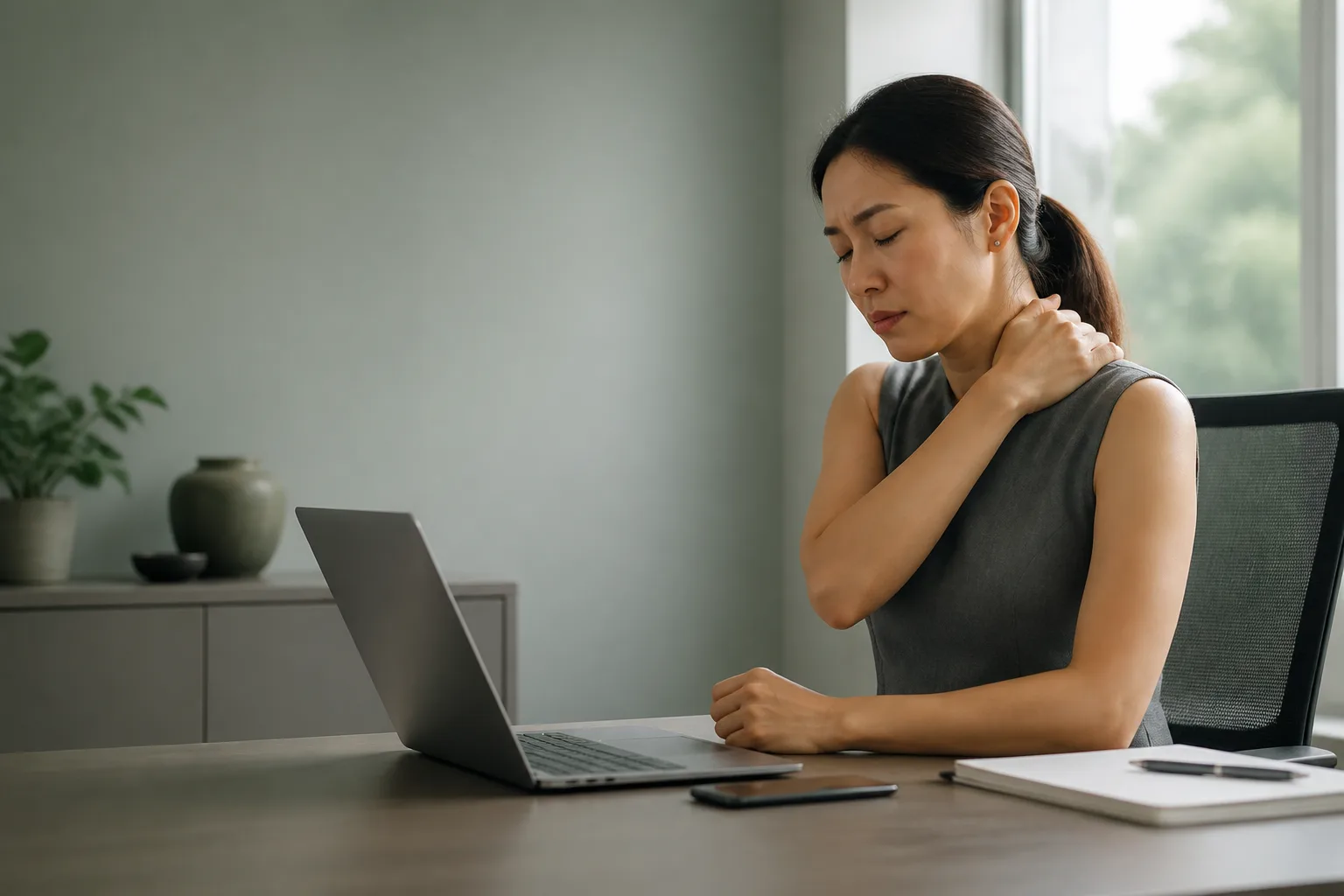
Dr Jaswyn Chin, SRP-registered clinical psychologist at PULSE Allied Health, notes that a 2016 review in the Journal of Brain and Behavior found women nearly twice as likely as men to experience severe stress and anxiety. According to the American Psychological Association (APA), women are also more likely to report physical and emotional symptoms such as crying, headaches, upset stomach or indigestion, and muscle tension.
In Singapore, a 2019 Cigna survey found 92 per cent of working respondents named work-related stress. Dual-income homes, eldercare, and childcare often stack that desk load with invisible household worry work, a pattern that still falls more often on women.
| Shared stressors | More often named for women |
|---|---|
| Work and money | Deadlines, hours, and financial pressure. |
| Home and care | Relationships and everyday household needs. |
| Health and rest | Illness, sleep debt, and recovery. |
When that stacked load stays high, common reported signs include headache, muscle tension, indigestion, tearfulness, low mood, anxiety, thin sleep, and fatigue. Over time, neglected self-care raises the risk of depression and anxiety.