01 · What acne is
How acne forms
Oil · bacteria · inflammation
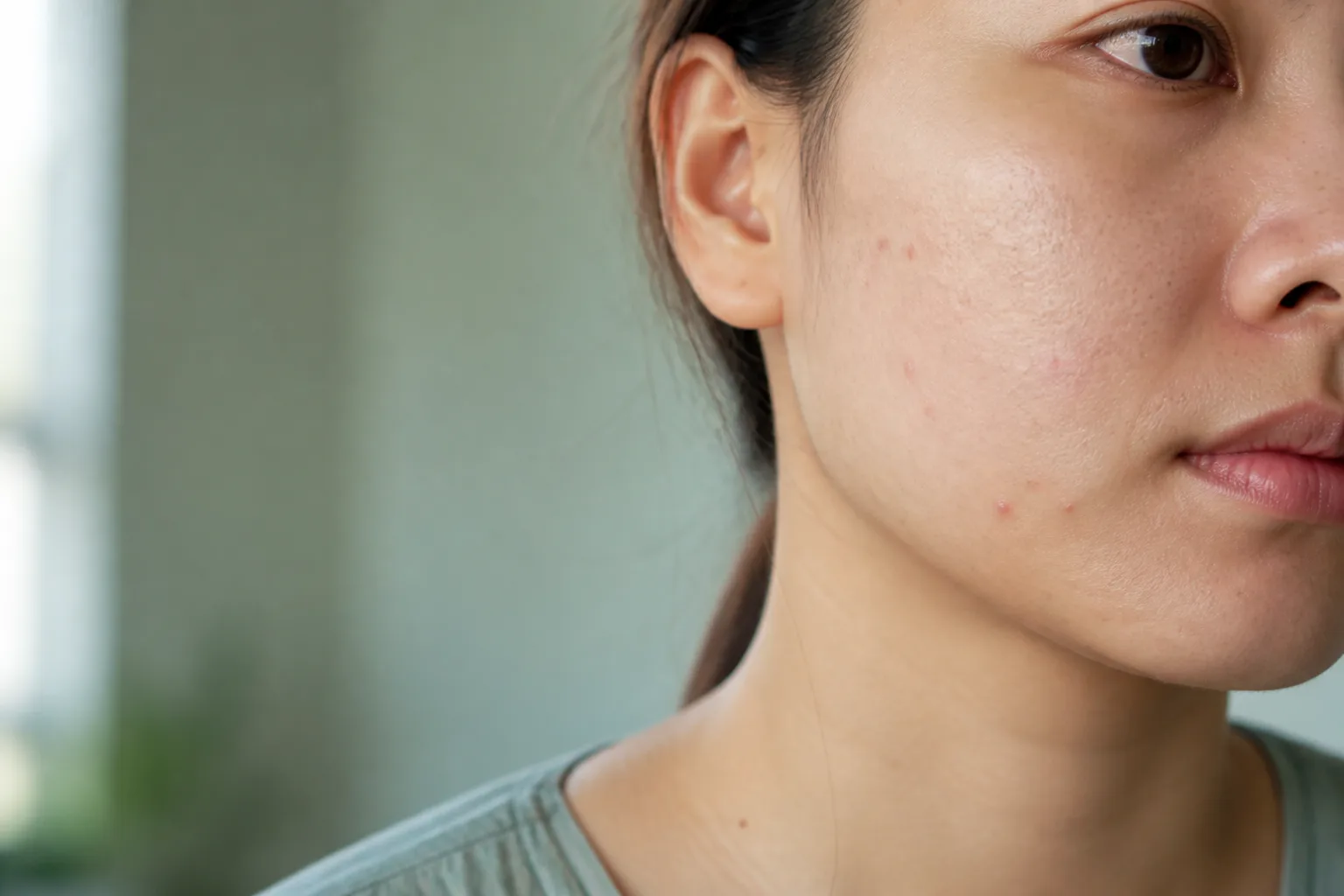
Spots usually land on the face, chest, and back. They can itch or hurt, and deeper ones take longer to settle. The six lesion types below name what you see on the surface.

Insights · Skin
Whiteheads, red bumps, or deep painful cysts: name the lesion type first, then see how TCM reads the internal pattern behind it.
In brief
Spots on the face, chest, or back often start when oil and dead skin clog a pore. Closed pores become whiteheads; open ones blackheads. Red bumps read papules; yellow-centred ones pustules; hard lumps under the skin read nodules or cysts. Grades 1–4 track how many types sit together. TCM then reads heat, dampness, or stasis behind the same spots so care can match the pattern.
01 · What acne is
Oil · bacteria · inflammation
Spots usually land on the face, chest, and back. They can itch or hurt, and deeper ones take longer to settle. The six lesion types below name what you see on the surface.
02 · Types of acne
Name the lesion first: look, feel, and how deep it sits. Grades then describe how many types sit together.
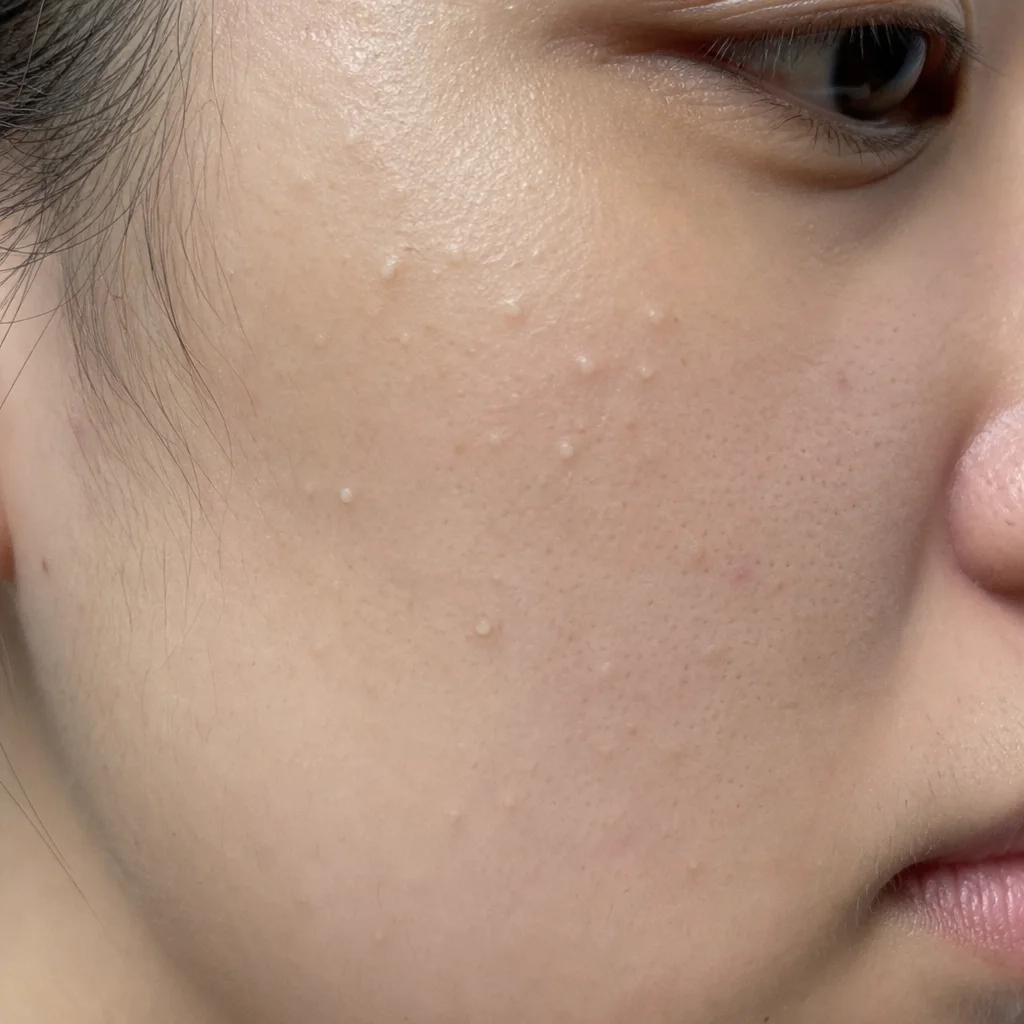
Closed comedone · surface
A closed, clogged pore with a pale tip. Usually soft and not very painful. Stays under a thin skin layer until it opens or inflames.
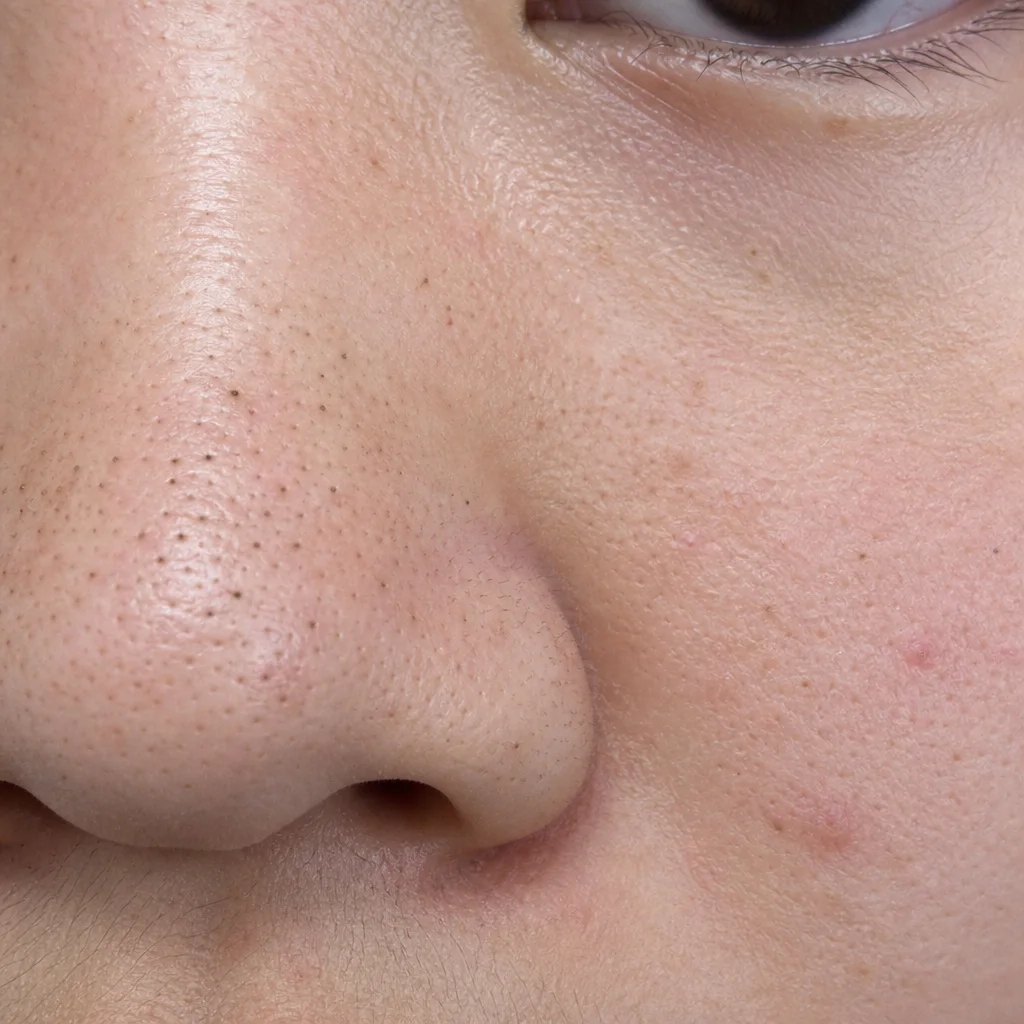
Open comedone · surface
An open, clogged pore that looks dark at the centre. Rarely tender. The dark colour is oxidised oil and debris, not dirt under the skin.
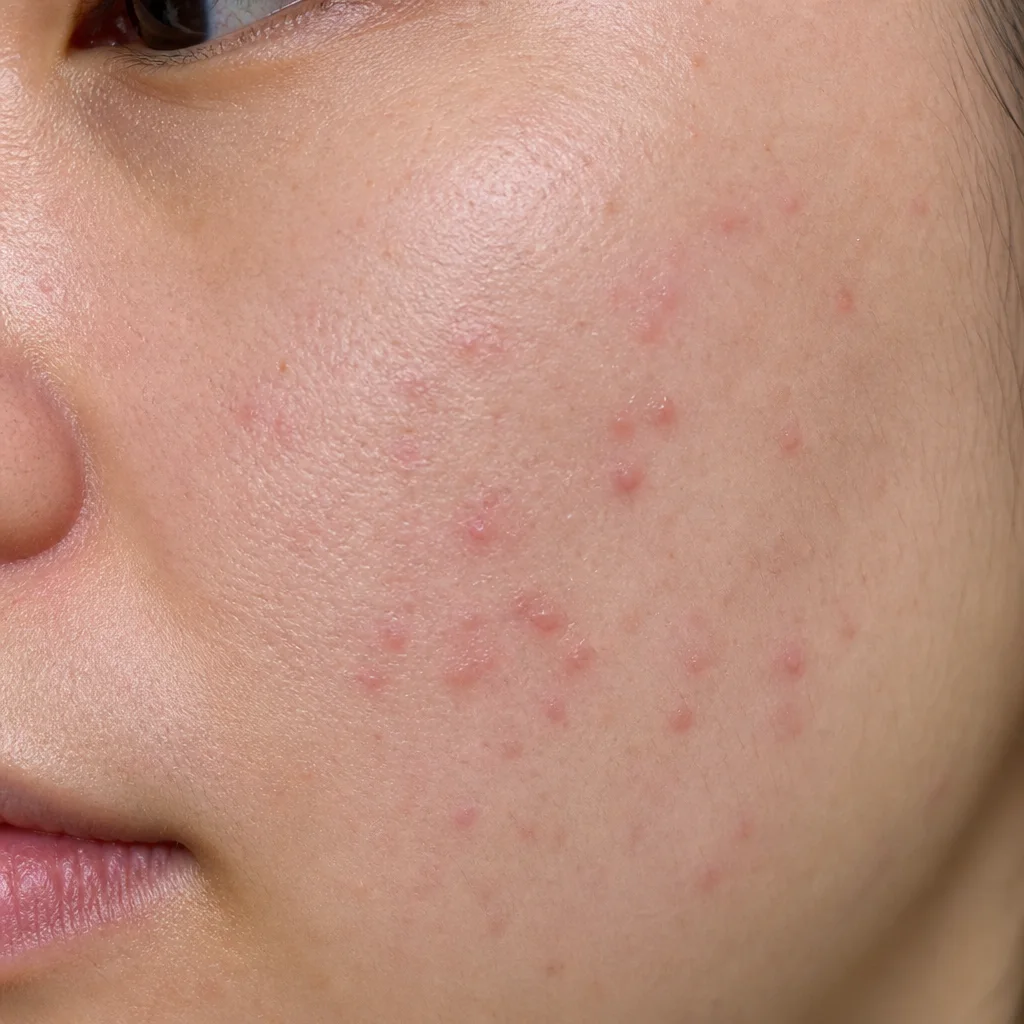
Inflamed · shallow
Solid pink or red bumps raised above the skin, without a pus tip. Often tender to touch. Inflammation has started but stays relatively shallow.
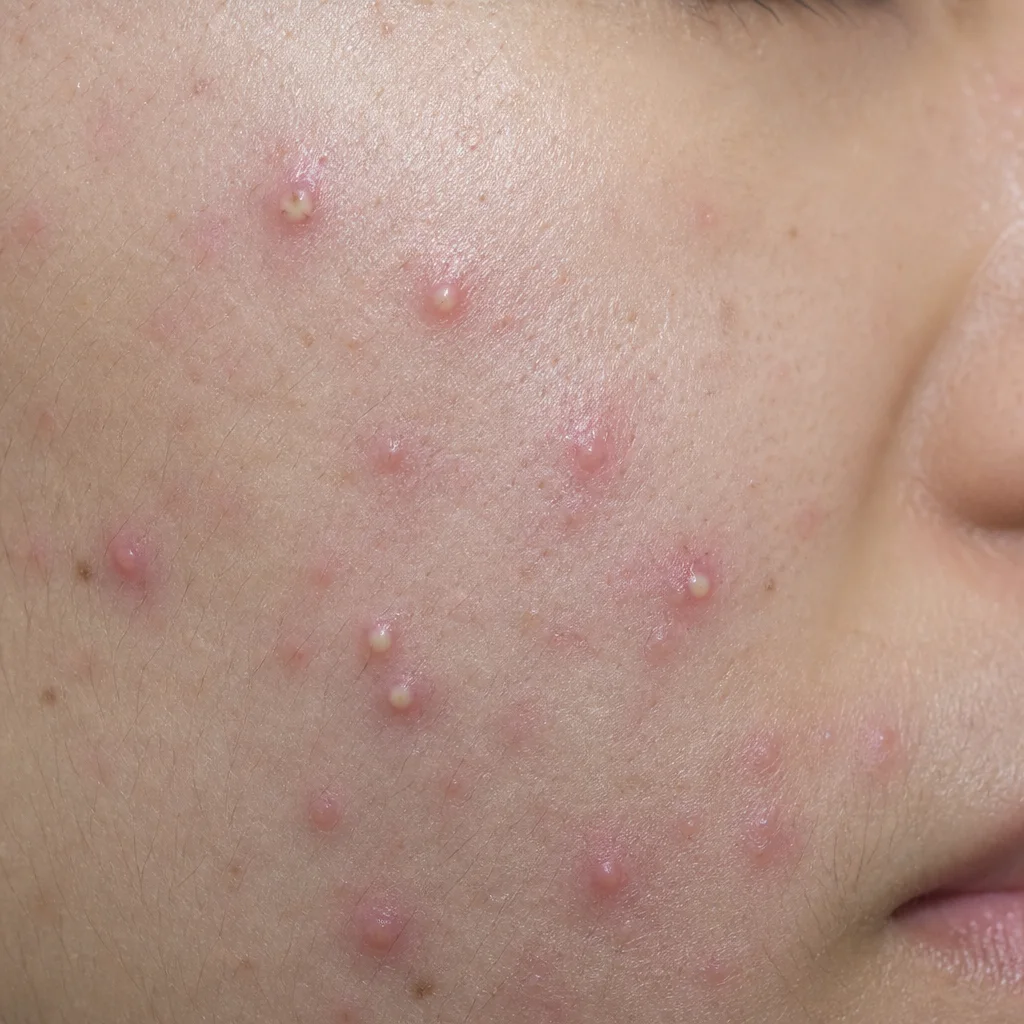
Inflamed · pus tip
Raised bumps with a yellowish pus centre on a red base. Often sore. Form when a blocked pore becomes inflamed and fills with pus near the surface.
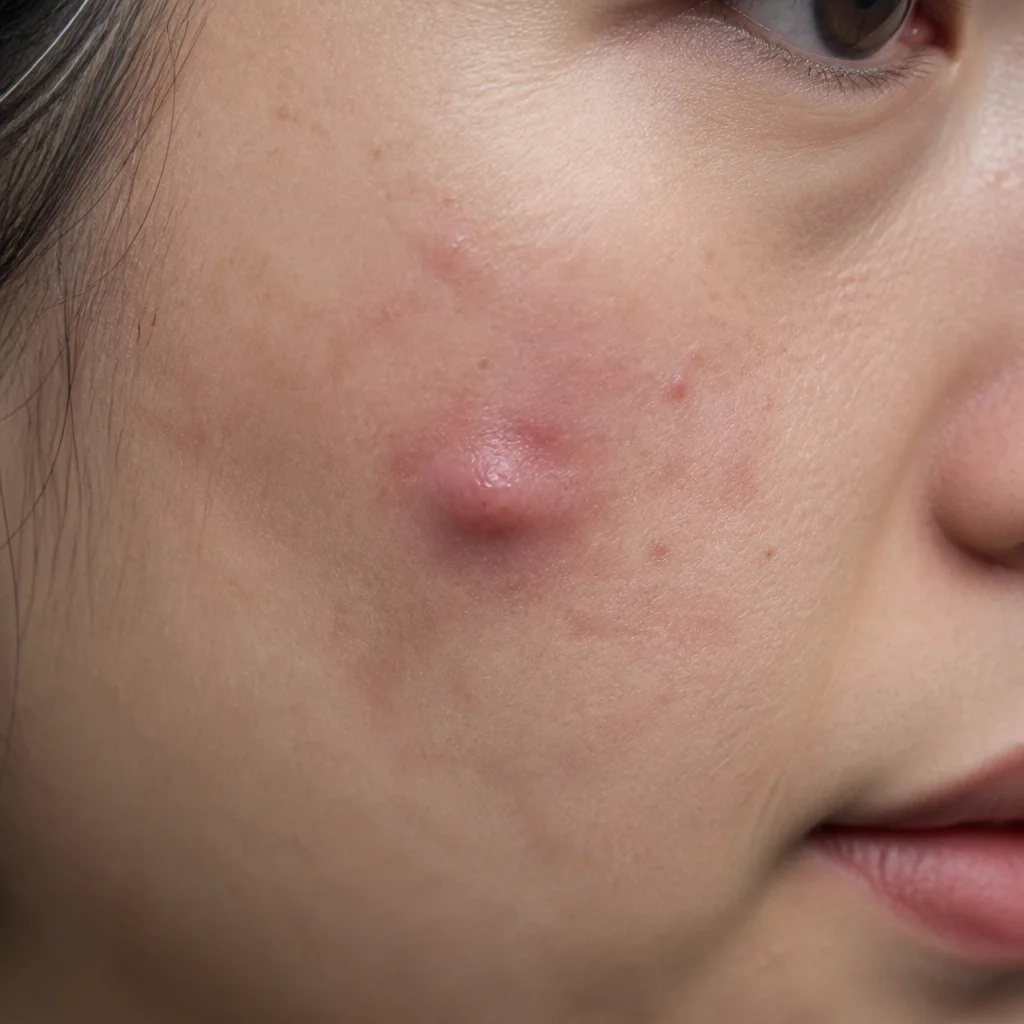
Deep · firm
Hard, painful lumps under the skin, skin-coloured or red. Hurt when pressed. Inflammation has gone into deeper layers, so spots take longer to settle.
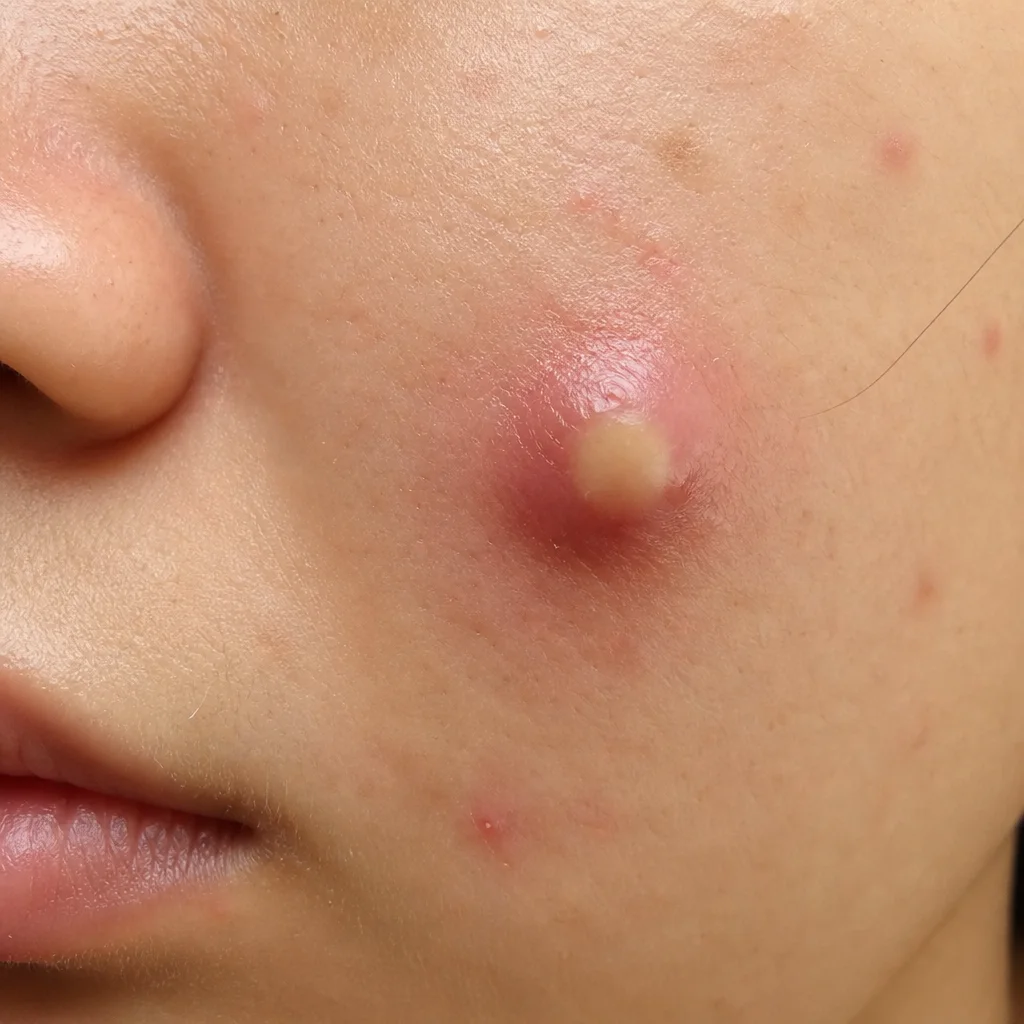
Deep · soft · pus-filled
Large, soft, painful, pus-filled lumps. Often very tender. Deep inflammation raises scarring risk; do not squeeze, and seek care if spots keep returning or spreading.
Grades describe how many lesion types sit together, not a different disease.
| Grade | What you see |
|---|---|
| Grade 1 | Whiteheads and blackheads |
| Grade 2 | Whiteheads, blackheads, and papules |
| Grade 3 | Whiteheads, blackheads, papules, and pustules |
| Grade 4 | Whiteheads, blackheads, papules, pustules, cysts, nodules, and scarring |
03 · Face mapping
Mien Xiang · 面相
Where acne lands only hints which organ system may be under load. It is not enough to diagnose the root problem on its own. A physician still needs constitution, pulse, and tongue.
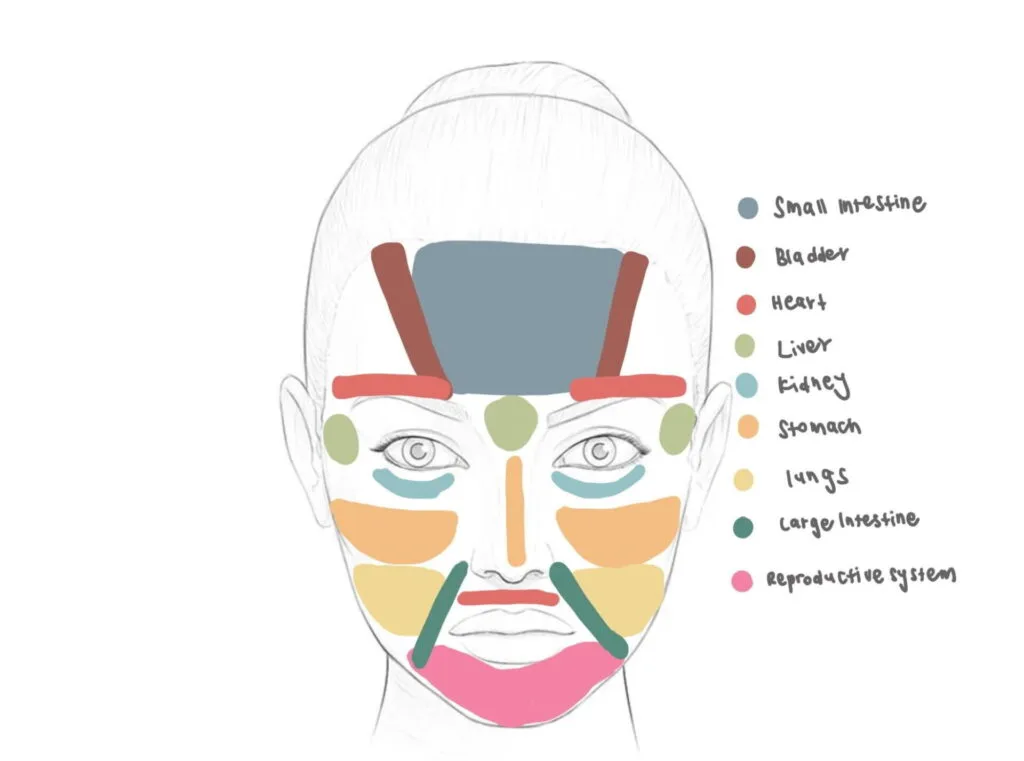
04 · TCM context
These five summaries name how heat, dampness, and stasis can show as different grades. Clinic naming often groups them into Lung heat, damp-phlegm, or Yin deficiency on the TCM perspective on acne guide. Pulse and tongue still decide.
| Pattern | Typical picture | Usual grades |
|---|---|---|
| Lung Wind-HeatWind-heat in the Lungs. | Itchy papules or pustules; skin may feel dry or irritated | Grade 1–3 |
| Damp HeatOily T-zone, chest, and back. | Greasy skin with inflamed pustules on oily areas | Grade 3 |
| Phlegm-blood StasisOften with a weakened Spleen system. | Deep nodules or cysts that heal slowly and leave marks | Grade 3–4 |
| Blood HeatStress, emotional load, or short sleep. | Red, painful spots on the forehead or between the brows | Grade 2–3 |
| Toxic HeatStrong heat from the Lungs and Stomach. | More severe, widespread flares than Blood Heat alone | Grade 2–4 |
05 · Tips
Daily habits will not replace pattern care, but they can lower the load that keeps spots returning.
Diet heat is a frequent load; see TCM diet and acne and the herbal drink for acne-prone skin.
06 · What TCM can do
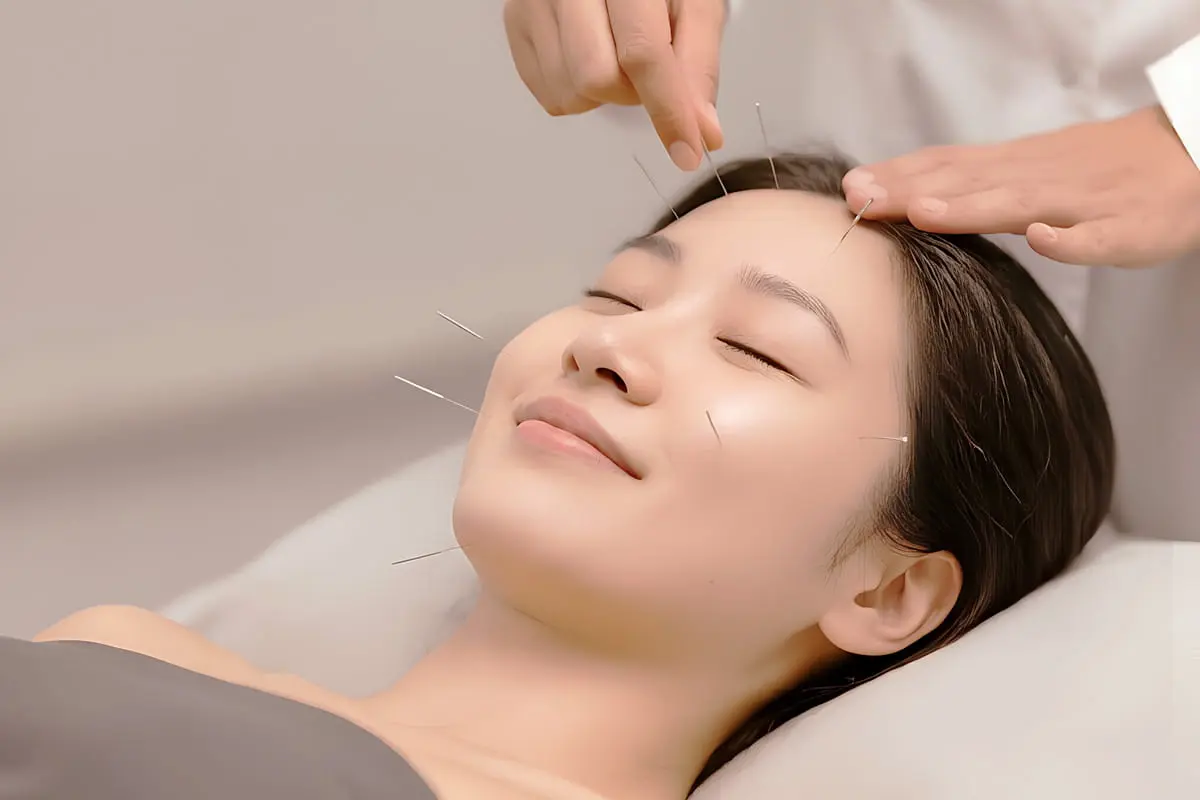
Face · body meridians
Acupuncture may support acne care by working on facial points and meridian points through the body. The aim is to restore balance so the skin can settle with the internal pattern, not only the surface spot.
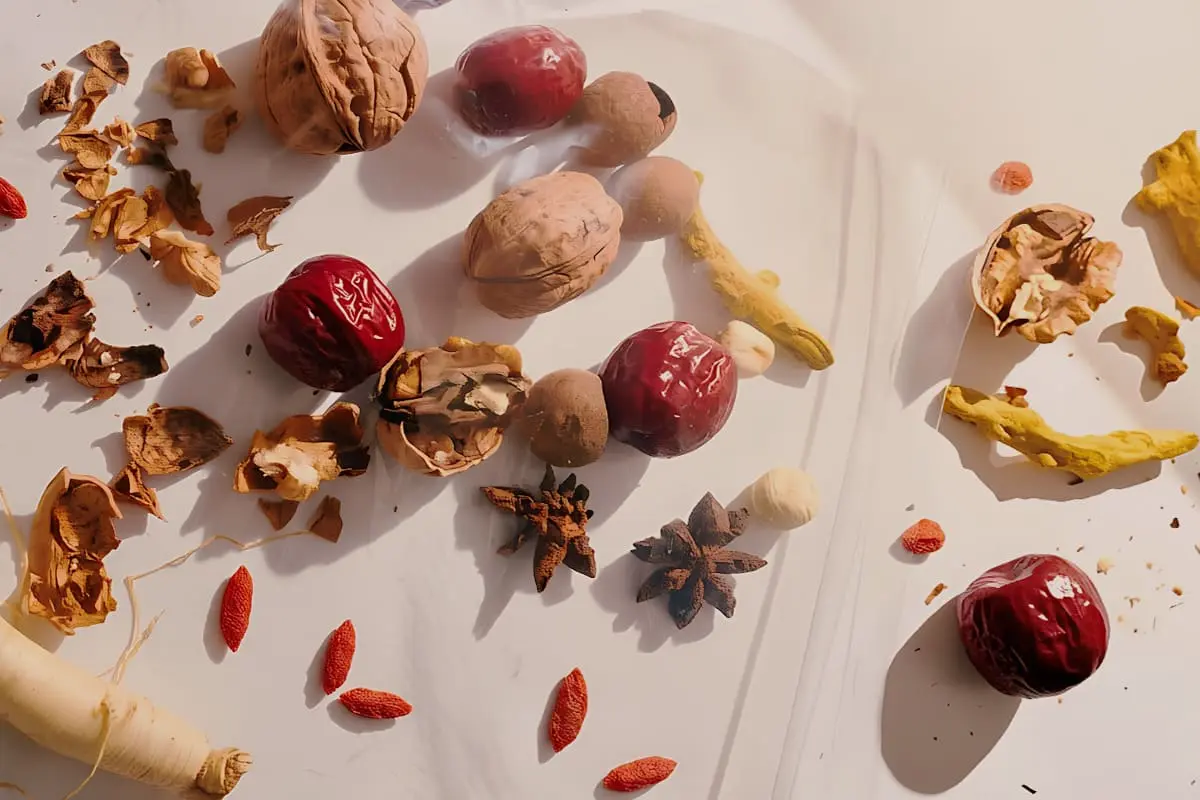
Pattern formula
Herbal medicine is used to restore imbalances that feed acne, so care can address the root pattern and the accompanying symptoms. After consultation, formulae are individualised to constitution rather than one product for every lesion type.
Chinese herbal medicine
Clinic care
When grades climb or the same zones keep returning, a physician can name the pattern and match acupuncture, herbs, and food guidance to it.
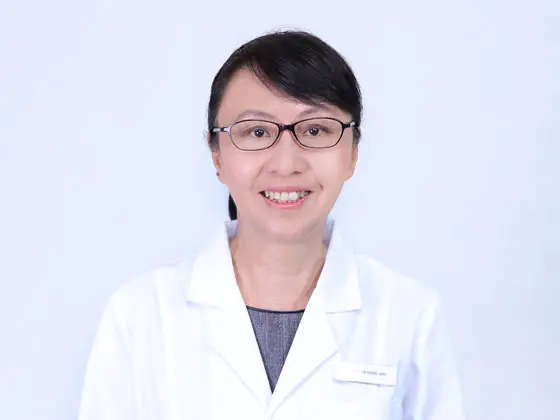
Clinically reviewed
Advisor (Science & Strategy) / Consultant Physician · TCMPB T1303003A
MOH-licensed TCM physician and biomedical scientist, with clinical work in digestion, pain, sleep or fatigue, women's health, and skin-related internal patterns.
View full profileEducational information based on clinical experience and TCM principles. Not a substitute for personalised consultation, dermatology care, or urgent medical attention. Tell both your dermatologist and TCM physician about herbs and medicines you take. Seek care for severe pain, spreading infection, cystic flares, or sudden systemic symptoms.
FAQs
Common questions on lesion types, grades, and when TCM or dermatology care fits.
Types name the lesion you see: whiteheads, blackheads, papules, pustules, nodules, or cysts. Grades 1–4 describe how many of those types are present together. Grade 1 is mainly comedones. Grade 4 includes cysts, nodules, and scarring.
No. Squeezing pushes inflammation deeper, raises infection risk, and makes scarring more likely. Warm water, a gentle cleanser, and physician or dermatology care are safer than DIY extraction.
Lesion type and grade describe the surface picture. TCM also reads heat, dampness, phlegm, or blood stasis underneath, often with pulse and tongue. Clinic naming may group those summaries into Lung heat, damp-phlegm, or Yin deficiency so food and care can match the pattern.
Deep, painful, or slow-healing nodules and cysts, especially with scarring or spreading redness, need a physician or dermatologist. Do not wait for grade 4 scarring to settle on its own.
No. Where acne lands only hints which organ system may be under load. It is not a full diagnosis. A licensed TCM physician still needs constitution, pulse, and tongue to name the pattern.
Selected sources
Continue
Pathways and care options that sit next to this guide.
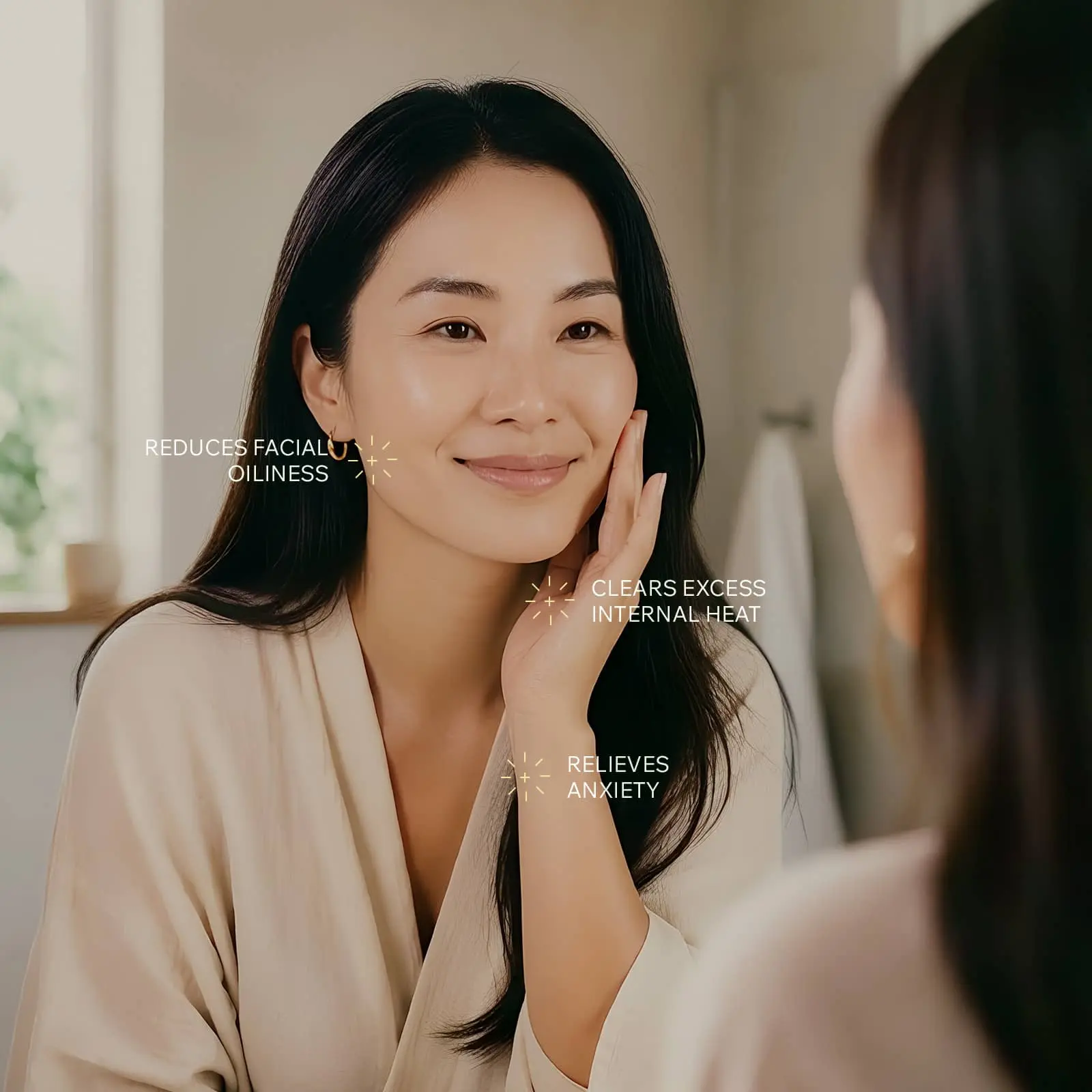
Programme
Physician-led care for facial acne patterns, from calm-inflammation stages to maintenance.
Explore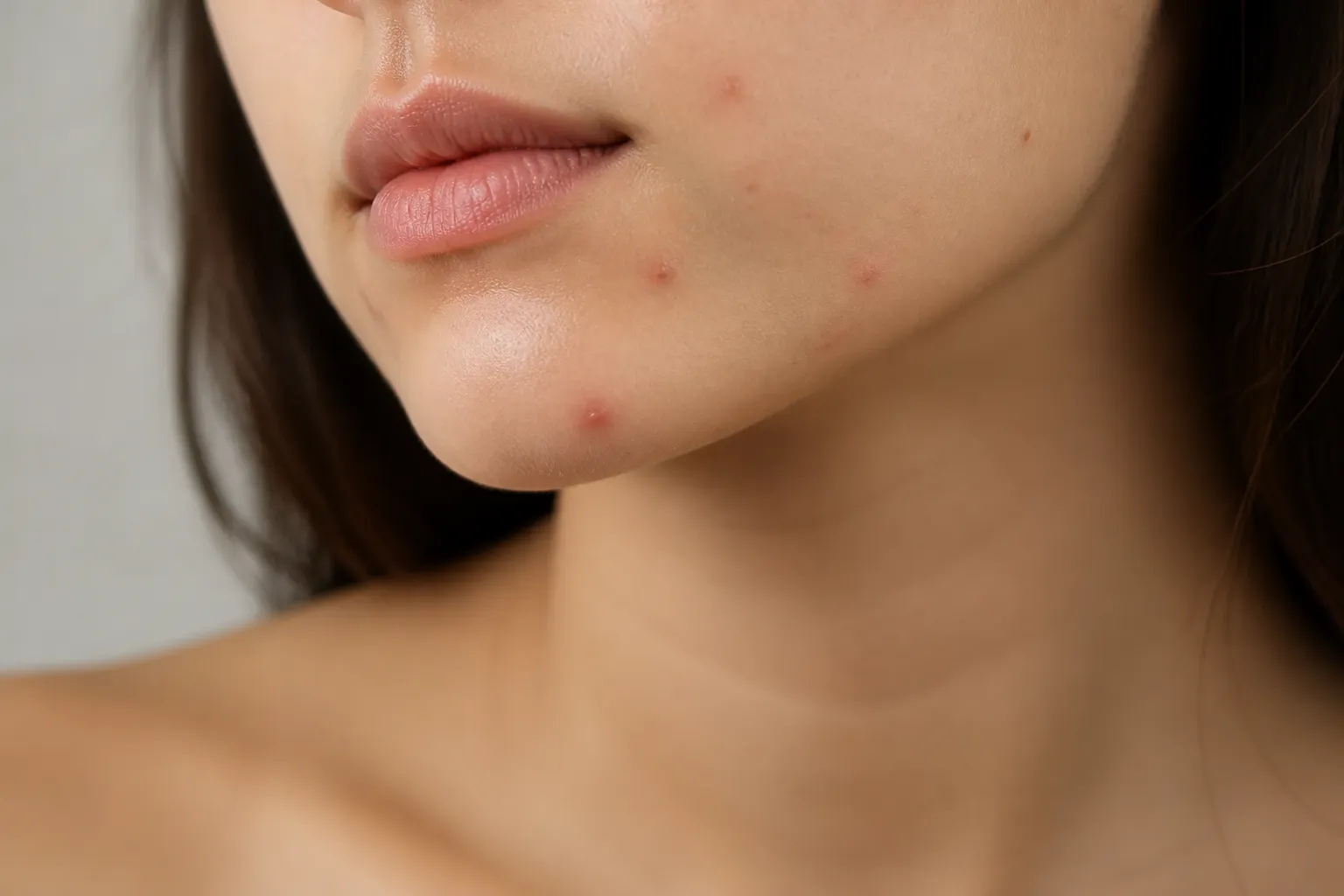
Insight
Three clinic patterns: Lung heat, damp-phlegm, and Yin deficiency, with typical lesions and care.
Explore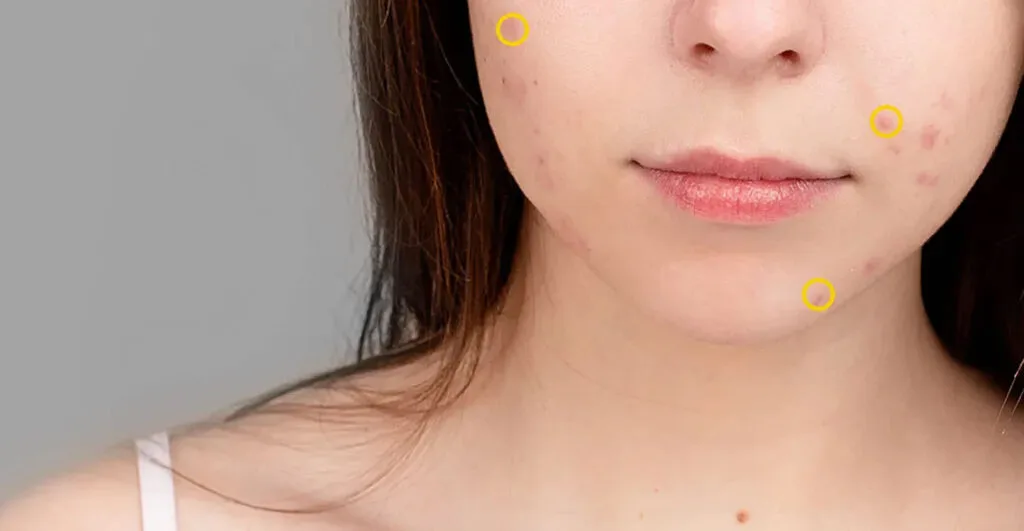
Insight
Forehead, nose, cheek, and chin zones, with soups, teas, and acupressure.
Explore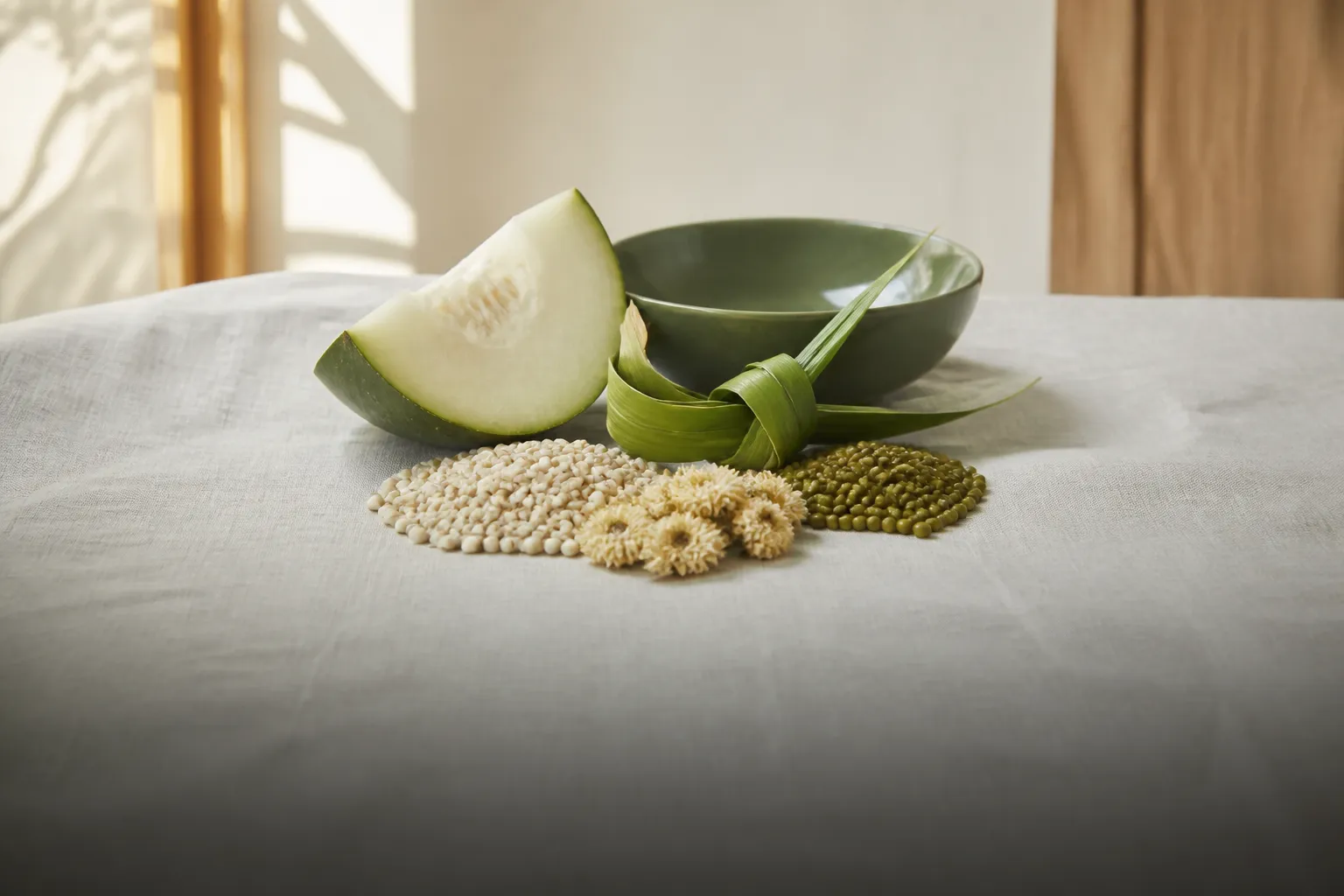
Insight
Heaty, cold, and high-GI trigger foods, plus cooling recipes for diet-related acne.
Explore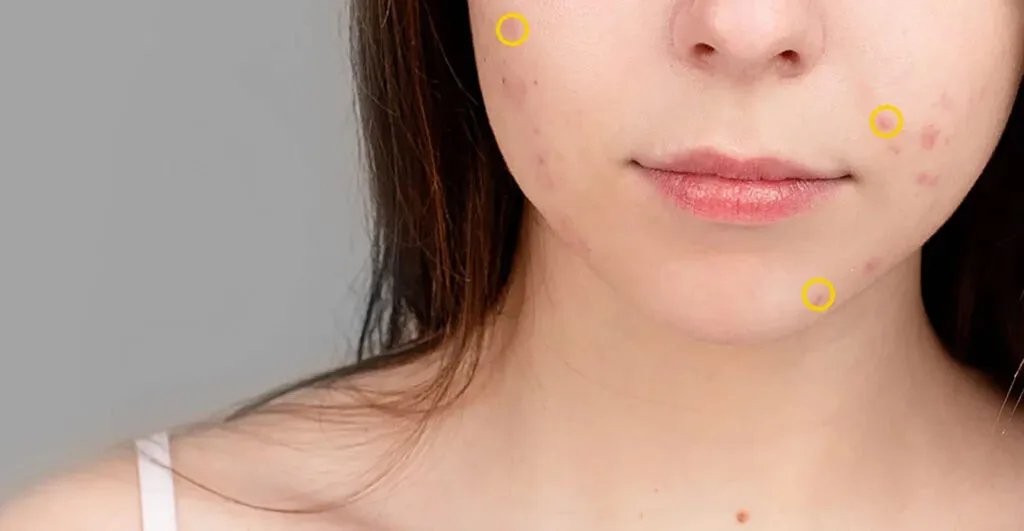
Bite
Why adult acne shows up after the teenage years, and where it tends to land.
Explore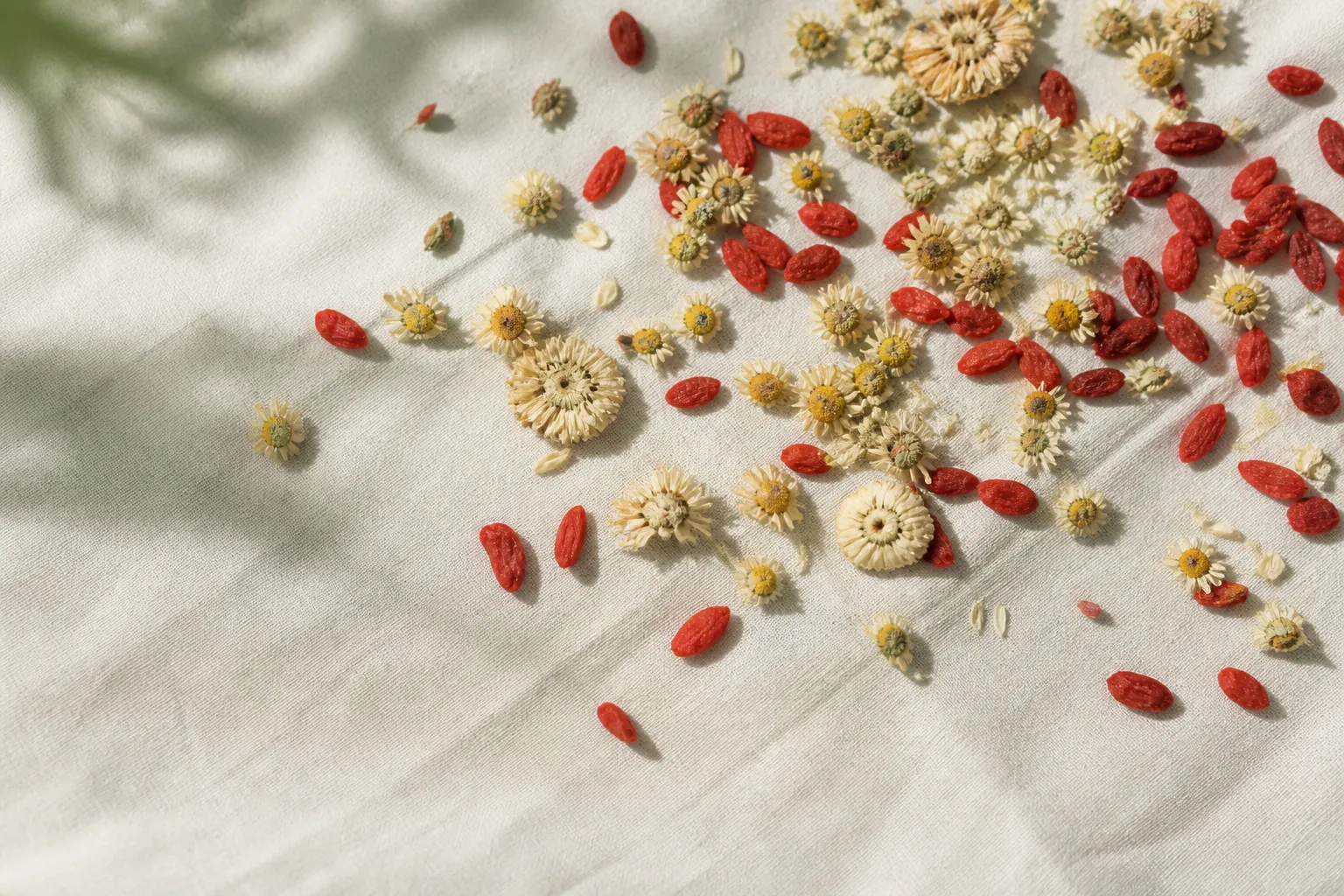
Bite
Chamomile, chrysanthemum, and wolfberry steep when mild facial heatiness sits with breakouts.
Explore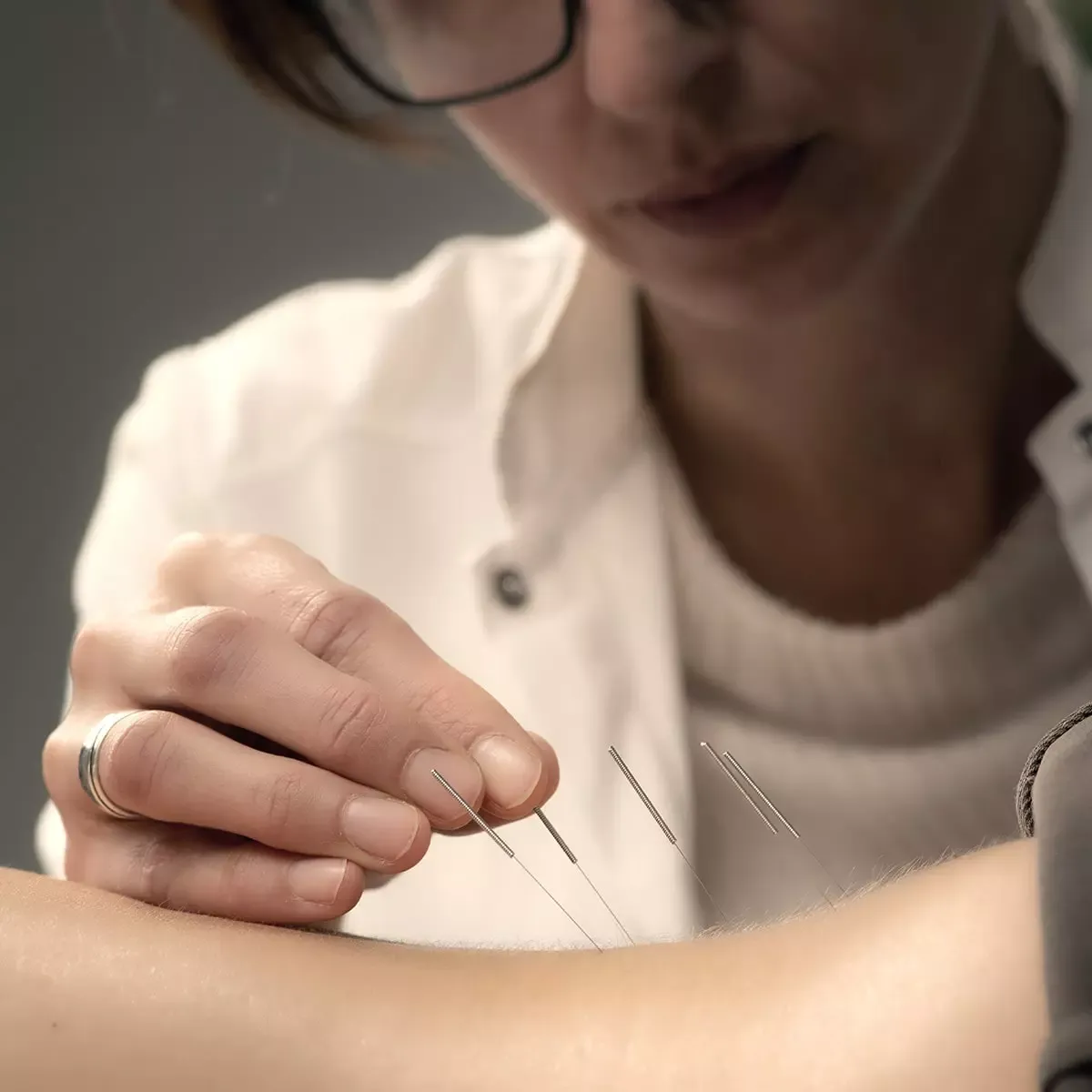
Treatment
What a visit includes and how acupuncture may sit in a skin-support plan.
Explore
Treatment
Pattern formulae prescribed after pulse and tongue, not a single cream for every lesion.
Explore
Next step
Bring where breakouts land, how long they have lasted, and any dermatology notes. We will name the pattern in plain language and decide what belongs in your plan.