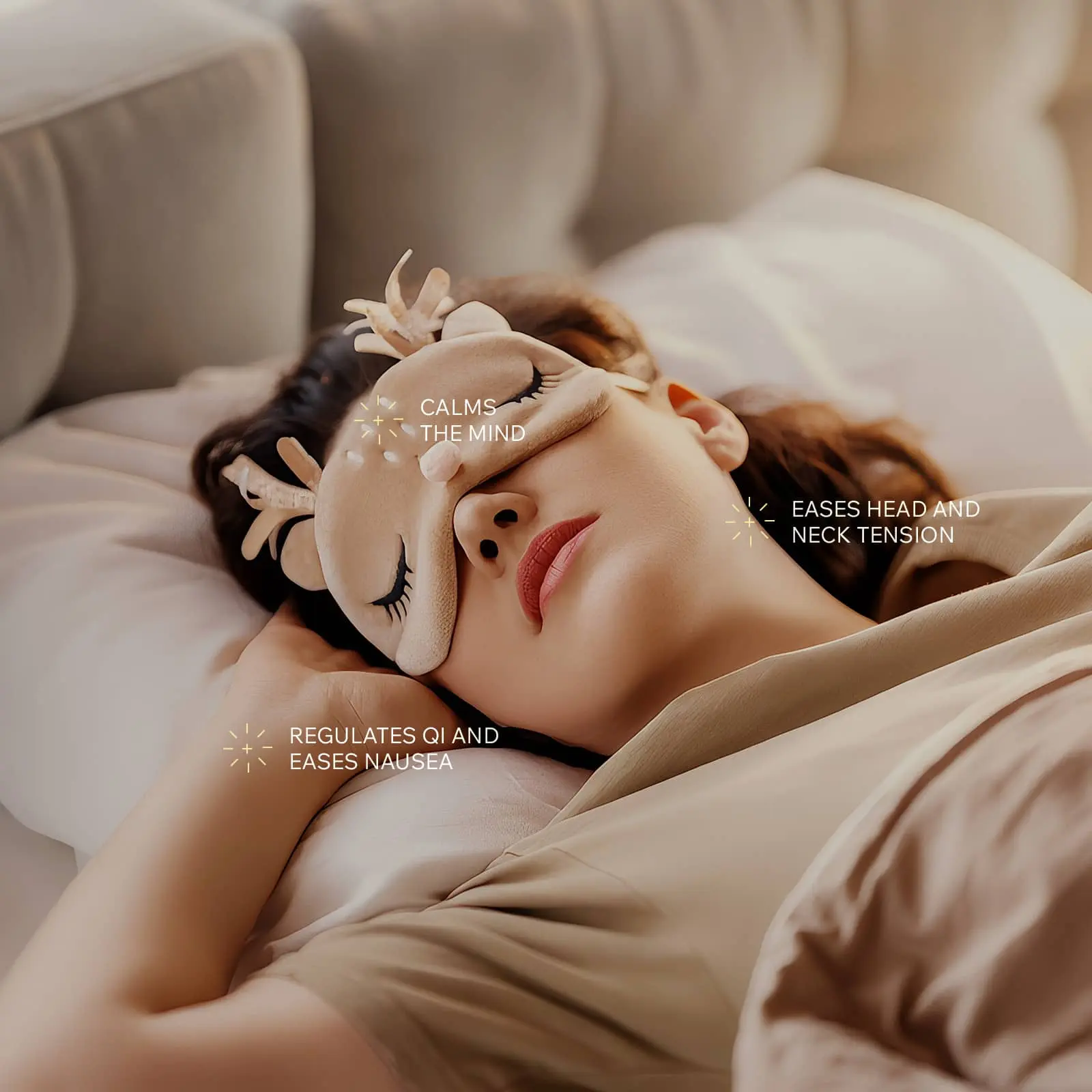

Person settling into evening rest in a dim bedroom, seeking restorative sleep

Insights · Insomnia

The importance of sleep and consequences of inadequate sleep

Why rest matters, what chronic short sleep can cost, and why TCM aims for sleep before 11pm. Habits and home supports when the mind will not settle.

In brief

Adults generally need about 7 to 9 hours of continuous sleep. Chronic short sleep can raise risk signals for immune change, heart inflammation, weight gain, cognitive decline, mood swings, and premature skin ageing. In TCM, aim to be asleep before 11pm so Gallbladder (11pm–1am) and Liver (1am–3am) hours can run in deep rest. Home support may include Shen Men (HT7) and kitchen teas for dream-heavy or overthinking sleep. Persistent insomnia belongs in a physician-led plan, not nightly self-dosing.

01 · Circadian rest

Why sleep is so important

In 2017, the Nobel Prize in Physiology or Medicine recognised molecular mechanisms that control the circadian rhythm. A chronic mismatch between modern hours and this internal clock tracks with higher disease risk.

Sleep is a foundational housekeeping window. It helps clear metabolic waste from the brain and supports cellular repair through the body. Adults who keep sacrificing rest for work, study, or late social hours often feel the cost first as thin daytime energy, then as wider health change.
02 · Risks

Six major consequences of sleep deprivation

Chronically short sleep is not only tiredness the next day. These six risk themes sit repeatedly in sleep science and clinic conversations.

1. Increased cancer risk signals

WHO classifies night-time shift work as a probable carcinogen via circadian disruption. Short sleep can also lower Natural Killer (NK) cell counts that help clear abnormal cells.

2. Cardiovascular and heart disease

Short sleep can raise C-reactive protein (CRP), a liver-made inflammation marker linked with cardiovascular risk.

3. Weight gain and obesity

Sleep under about six hours often pairs with higher BMI. Ghrelin (hunger) can rise and leptin (fullness) fall, so appetite skews upward.

4. Cognitive decline and neurodegenerative disease

Sleep consolidates memory and supports clearance of beta-amyloid waste. Thin sleep limits both; plaque build-up is linked with Alzheimer's risk in research models.

5. Anxiety, depression, and mood swings

Inadequate sleep can heighten amygdala reactivity. Low mood and thin sleep often travel together and deepen each other.

6. Premature ageing and acne

Short sleep can raise cortisol, which breaks down collagen and can drive sebum that clogs pores, so wrinkles and breakouts may travel with rest debt.

Persistent mood-linked insomnia may belong in the Insomnia programme. Skin change with thin sleep: TCM perspective on acne.

03 · Meridian clock

TCM perspective: the best time to sleep

According to the TCM meridian clock, the ideal is to be sound asleep before 11:00pm.

Overnight meridian windows for sleep
Hours Meridian What the window supports
Before 11:00pm Target bedtime Be sound asleep so Gallbladder and Liver hours can run while you are already in deep rest.
11:00pm–1:00am Gallbladder (胆) Overnight repair and metabolic clearing begin in this window.
1:00am–3:00am Liver (肝) Continued detox and blood storage support; waking here often sits with Liver load.

Western short-term tools such as melatonin can reset a disrupted clock for a while. TCM focuses on the named root of wakefulness, such as Yin deficiency, Liver Heat, or Qi stagnation, so the body can regulate its own sleep signals again rather than relying on an external supplement indefinitely.

04 · Habits

Holistic lifestyle tips for better sleep

Small evening choices often decide whether sleep can deepen. Keep what fits your body; drop what keeps you wired.

1. Keep a consistent schedule

Go to bed and wake at the same time every day, including weekends, so the circadian rhythm stays on track.

2. Cool, quiet, dark room

Keep the bedroom cool, quiet, and dark. Comfortable socks can help: warming the feet may signal the brain that it is time to sleep.

3. Regular aerobic exercise

Aim for at least 30 minutes of aerobic exercise about twice a week to support endorphins and deeper sleep. Avoid hard exercise within two hours of bedtime.

4. Warm milk when it suits you

Milk contains tryptophan, an amino acid often linked with sleepiness. A warm cup can be a gentle habit for some people. Skip heavy, spicy, caffeinated, or alcoholic late snacks that keep the mind active.

Clinic path

When thin sleep keeps returning

Risks and habits help many people. Persistent insomnia often needs physician-led TCM, sometimes with psychology support. For types and presses, see acupressure and TCM tips for insomnia.

05 · What may help

TCM home remedies for insomnia and better sleep

A restless mind before bed often sits with Heart Shen unsettled. HT7 press and settling teas are common home supports. Skip herbs while recovering from flu, and ask a physician before new habits in pregnancy.

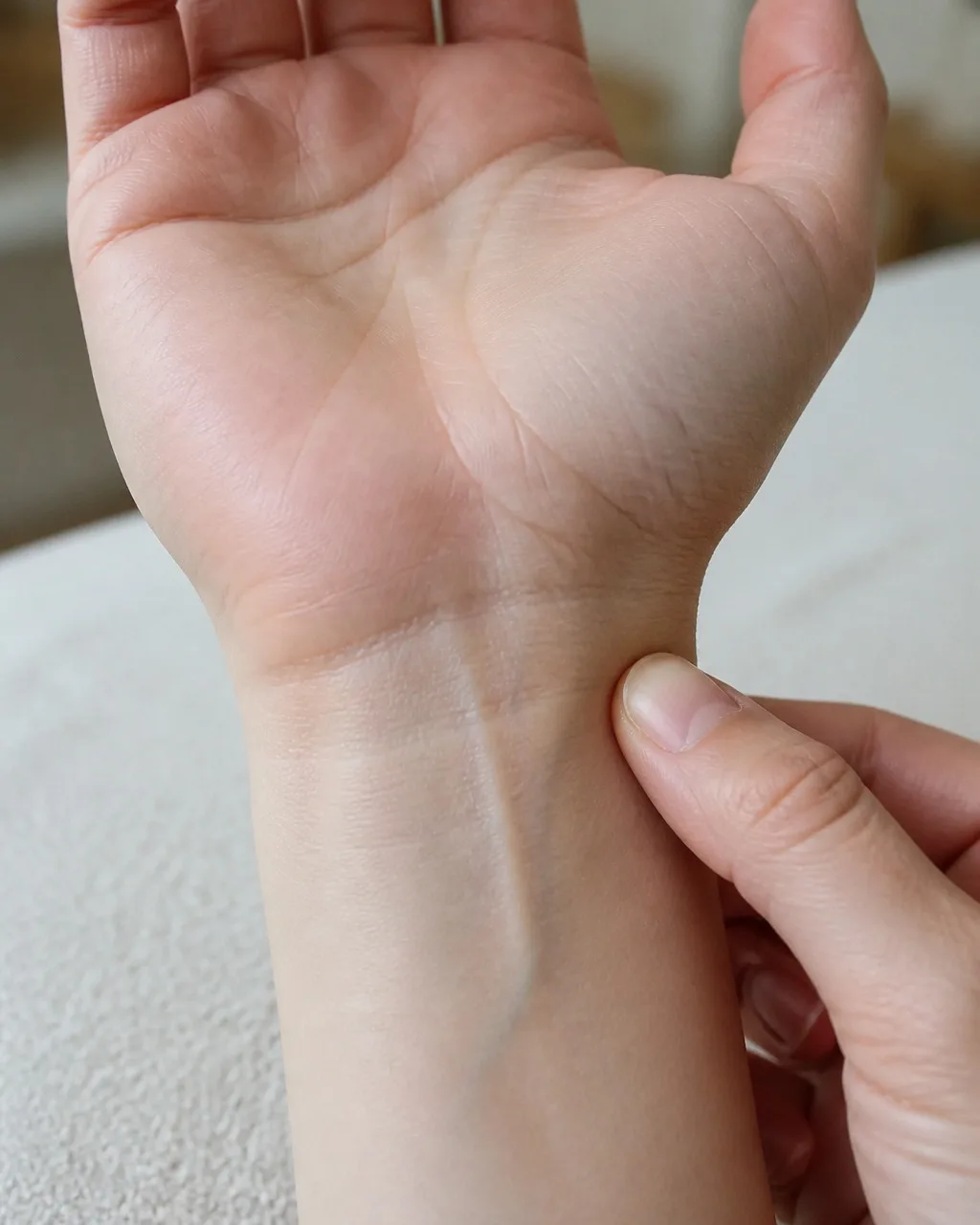
Finger locating Shen Men HT7 on the ulnar palmar wrist crease

Acupoint · HT7

Shen Men (神门)

On the wrist crease toward the little-finger side, in the hollow at the ulnar end. Gently massage for about two minutes before bed to calm the mind and support deeper rest.

Skip over cuts or swollen wrists. Sharp pain or numbness means ease off.

Press Shen Men
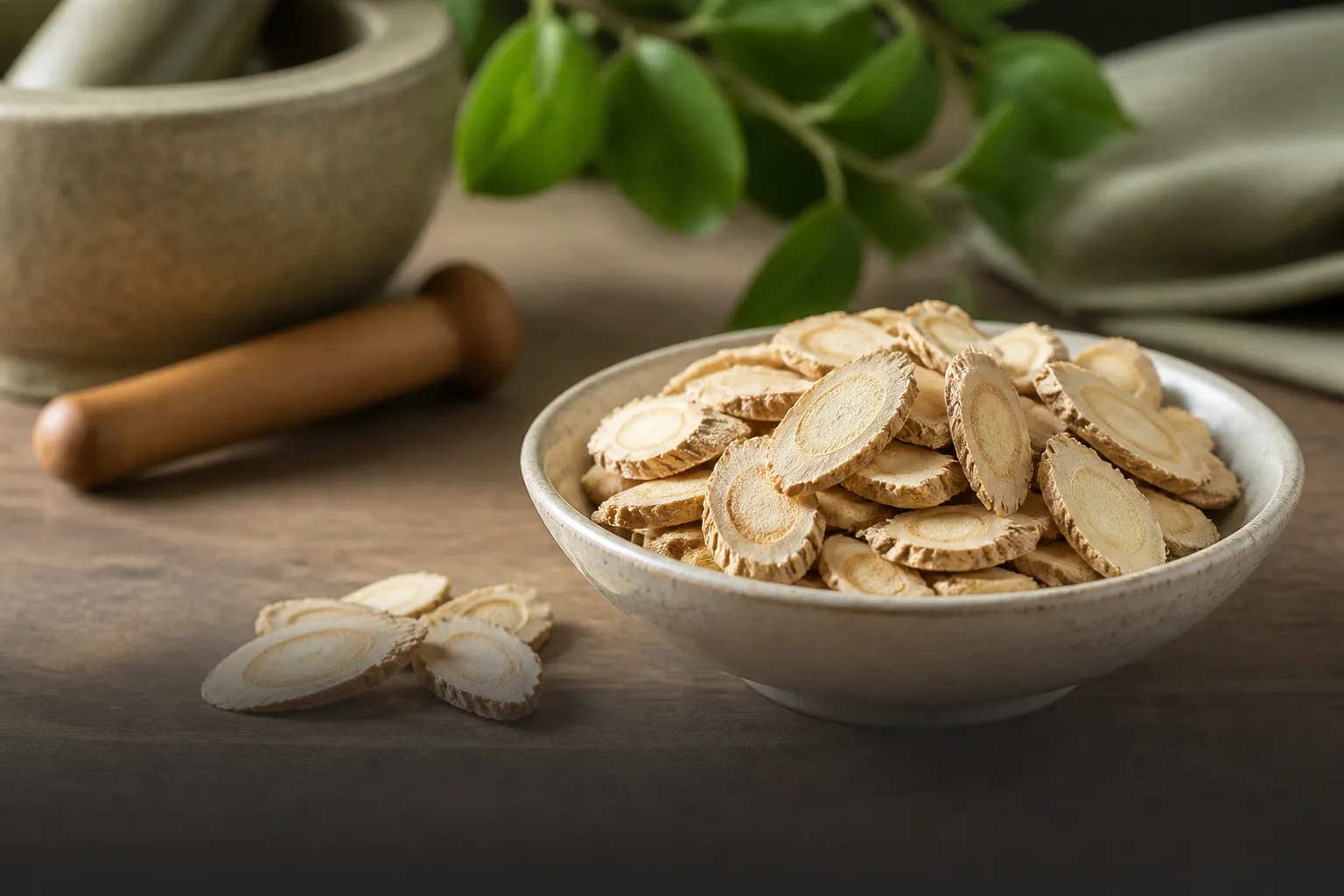
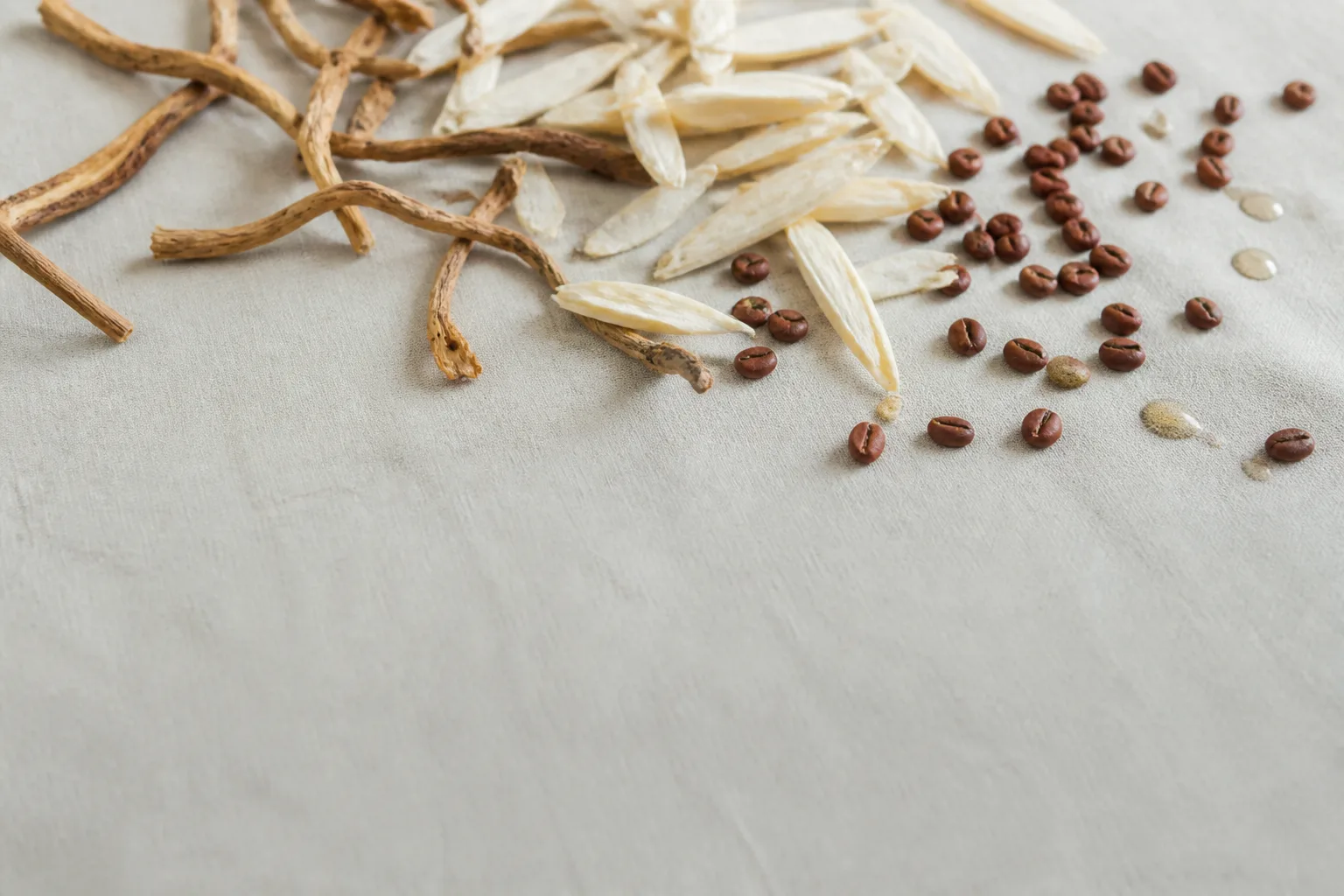
Dried polygala root, ophiopogon slices, and spine date seeds for Dreamful Sleep Tea at PULSE TCM

Tea · dream-heavy sleep

Dreamful Sleep Tea

Yuan Zhi 5 g, Mai Dong 3–5 pieces, and about 10 Suan Zao Ren in 500 ml boiling water, steeped ten minutes (honey optional). About three to five evenings a week when Heart and Shen feel unsettled.

Not suitable while recovering from flu. If there's any chance of pregnancy, don't use this.

Steep Dreamful Sleep Tea
Dried lily bulb, Fu Shen, longan, and red dates for Difficulty Falling Asleep Tea at PULSE TCM

Tea · overthinking

Difficulty Falling Asleep Tea

Bai He 3–5 pieces, Fu Shen 10 g, about ½ cup dried longan, and 1 cup seedless red dates in 500 ml water, boiled then simmered 30 minutes. Two to three times a week when Blood and Qi feel thin and sleep will not start.

Not suitable while recovering from flu. Does not replace a consult for persistent insomnia.

Simmer Difficulty Falling Asleep Tea

Programmes

Insomnia or Sleep & Stress?

Choose Insomnia when thin sleep keeps returning and you want TCM with psychology support. Choose Sleep & Stress when rest debt stacks with tension or burnout load.

Dr Sim Beng Joo

Clinically reviewed

Reviewed by Sim Beng Joo

Advisor (Science & Strategy) / Consultant Physician · TCMPB T1303003A

MOH-licensed TCM physician and biomedical scientist, with clinical work in digestion, pain, sleep or fatigue, and constitution patterns that show as restless or unrefreshing sleep.

View full profile

Educational information based on clinical experience and TCM principles. Not a substitute for personalised consultation, medical care, or urgent attention. Speak with your physician before starting herbs or new self-press in pregnancy or with a chronic condition. Seek urgent care for sudden chest pain, severe panic, collapse, or sleep loss after a head injury. TCM complements medical and psychology care for persistent insomnia.

FAQs

Questions, answered

Common questions on sleep hours, TCM naps, acupuncture for thin sleep, bedtime foods, and late work schedules.

How many hours of sleep do adults actually need every night?

Most health guidelines recommend that adults aim for 7 to 9 hours of continuous sleep. Sleeping under about six hours is linked with weight gain and cognitive decline. Exact needs vary slightly with genetics and lifestyle, but consistently falling below seven hours can leave restorative sleep cycles unfinished.

Are daytime naps recommended in Traditional Chinese Medicine (TCM)?

Yes, with timing. TCM education often places a short nap of 15 to 30 minutes between 11am and 1pm, when the Heart meridian is active. Rest in that window may calm the mind and nourish Heart Qi for the afternoon without replacing night sleep.

Can clinical acupuncture help chronic insomnia?

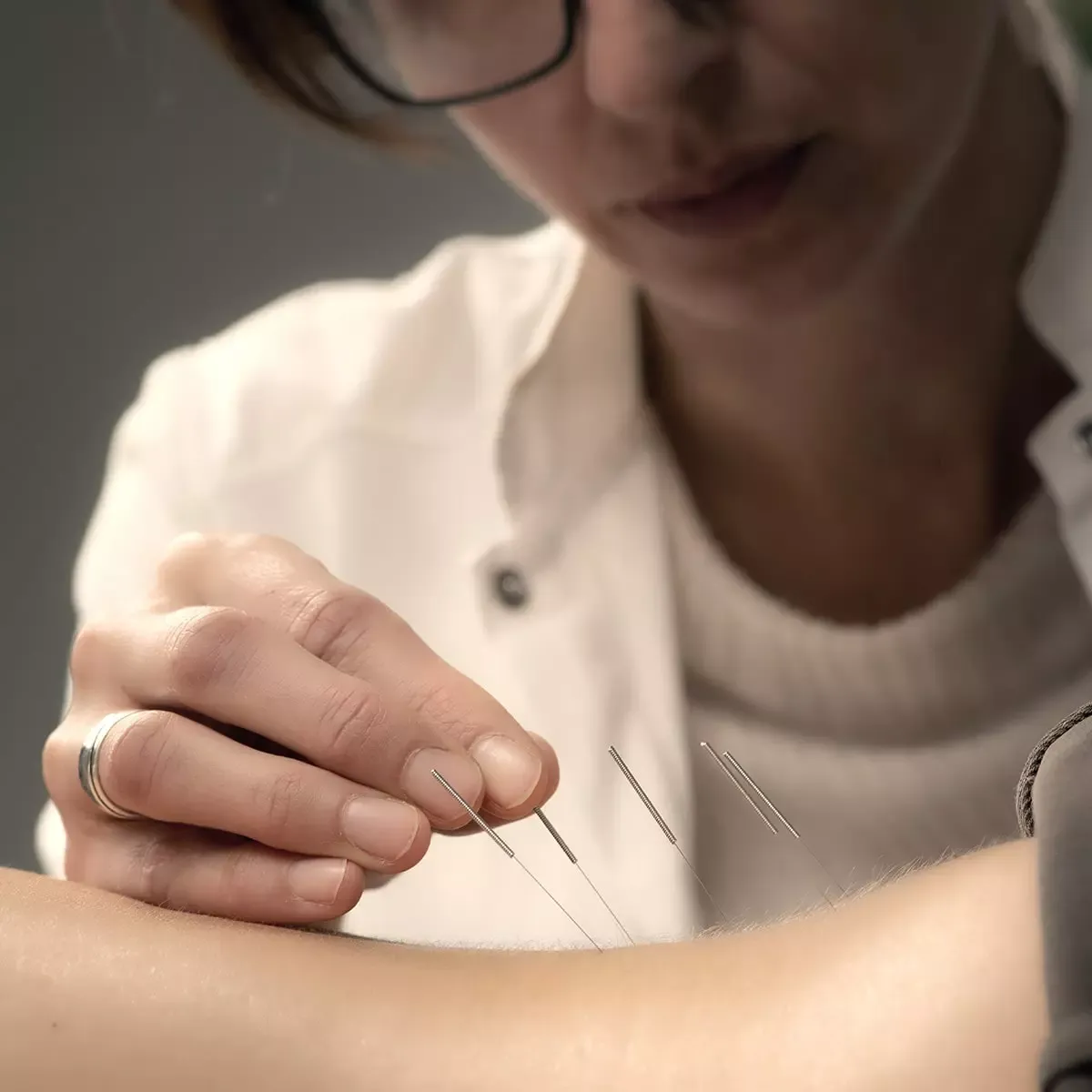
Acupuncture is often used to settle nervous-system load and support sleep when patterns sit with Heart or Liver disharmony. Chronic cases usually need a combined plan: acupuncture with personalised herbs and the lifestyle habits on this page. A physician matches methods after pulse and tongue rather than promising a single-needle fix.

Besides drinking warm milk, what foods should I avoid before bed?

Avoid heavy or hard-to-digest meals within about three hours of bed, late caffeine and other stimulants if you are sensitive, alcohol close to sleep, and very spicy or heaty late snacks that keep the mind active. Warm milk with tryptophan can sit as a gentle evening habit for some people; it does not replace pattern care when insomnia keeps returning.

What if my work schedule prevents me from sleeping before 11:00 PM?

If shift work or fixed obligations keep you awake through the Liver and Gallbladder hours (11pm to 3am), protect the sleep window you do have: dark, cool, quiet rest, hydration, limited alcohol, and regular TCM review when metabolic heat or rhythm load stacks. Clinic care can support an altered schedule; it cannot move the meridian clock alone.

References

Selected sources

  1. National Center for Complementary and Integrative Health. Traditional Chinese medicine: What you need to know. 2019. https://www.nccih.nih.gov/health/traditional-chinese-medicine-what-you-need-to-know/
  2. World Health Organization. Traditional, complementary and integrative medicine. https://www.who.int/health-topics/traditional-complementary-and-integrative-medicine
  3. Ministry of Health Singapore. TCM practitioners (Healthcare Professional Portal). https://hpp.moh.gov.sg/tcm-practitioners/
  4. International Agency for Research on Cancer / WHO. Night shift work (IARC Monographs). Night-time shift work classified as probably carcinogenic to humans (Group 2A) via circadian disruption. https://www.iarc.who.int/news-events/iarc-monographs-volume-124-night-shift-work/
  5. Consensus from sleep medicine bodies (including the American Academy of Sleep Medicine / Sleep Research Society): most adults need about 7 to 9 hours of sleep per night for health.

Next step

Ready for a sleep pattern read?

Bring when you fall asleep, when you wake, dream quality, shift hours, stimulants, and any GP or sleep notes. We will name the pattern in plain language and decide what belongs in your plan.

Hours
Most clinics daily 11:00 AM – 8:00 PM
Care
Physician-led consultation