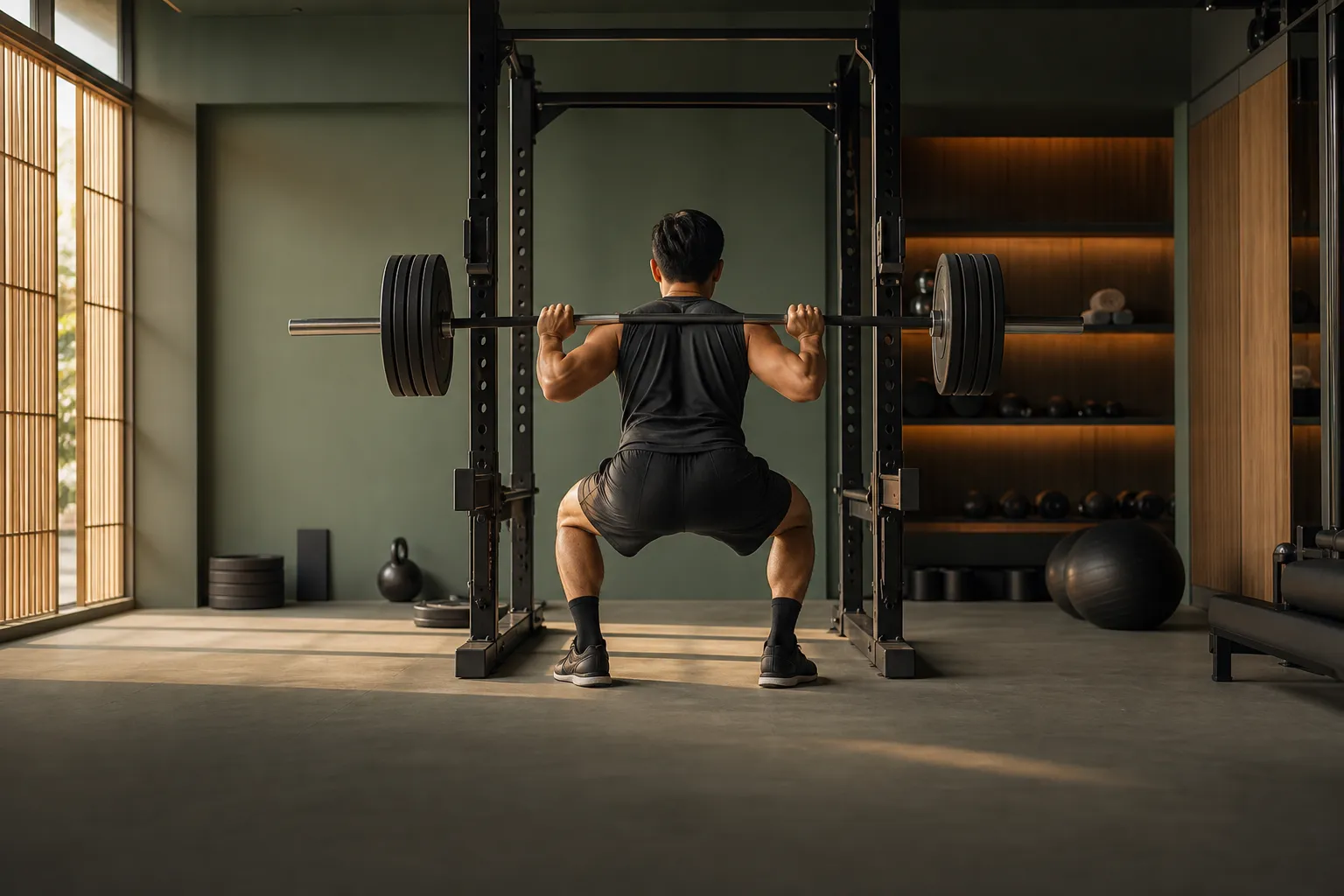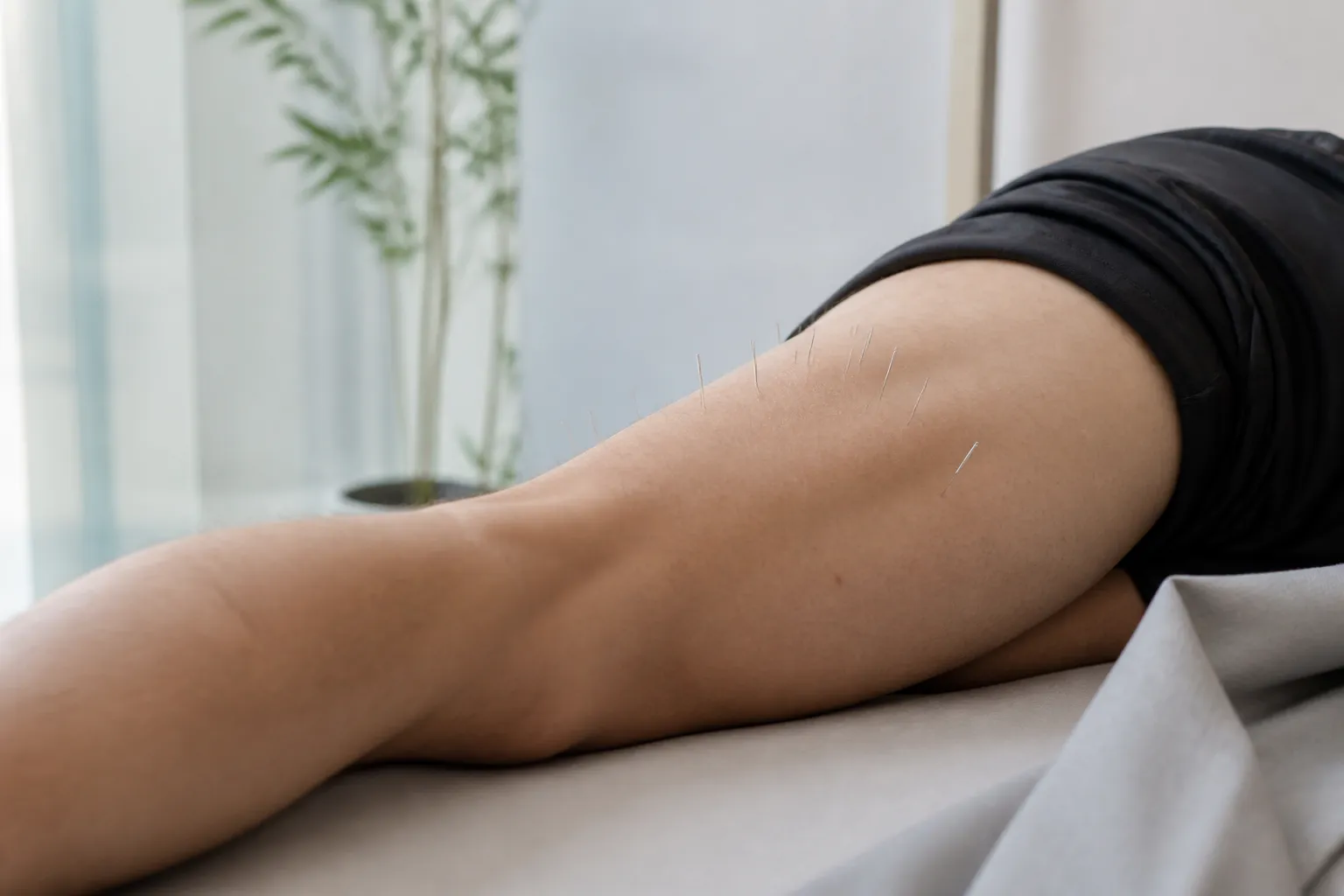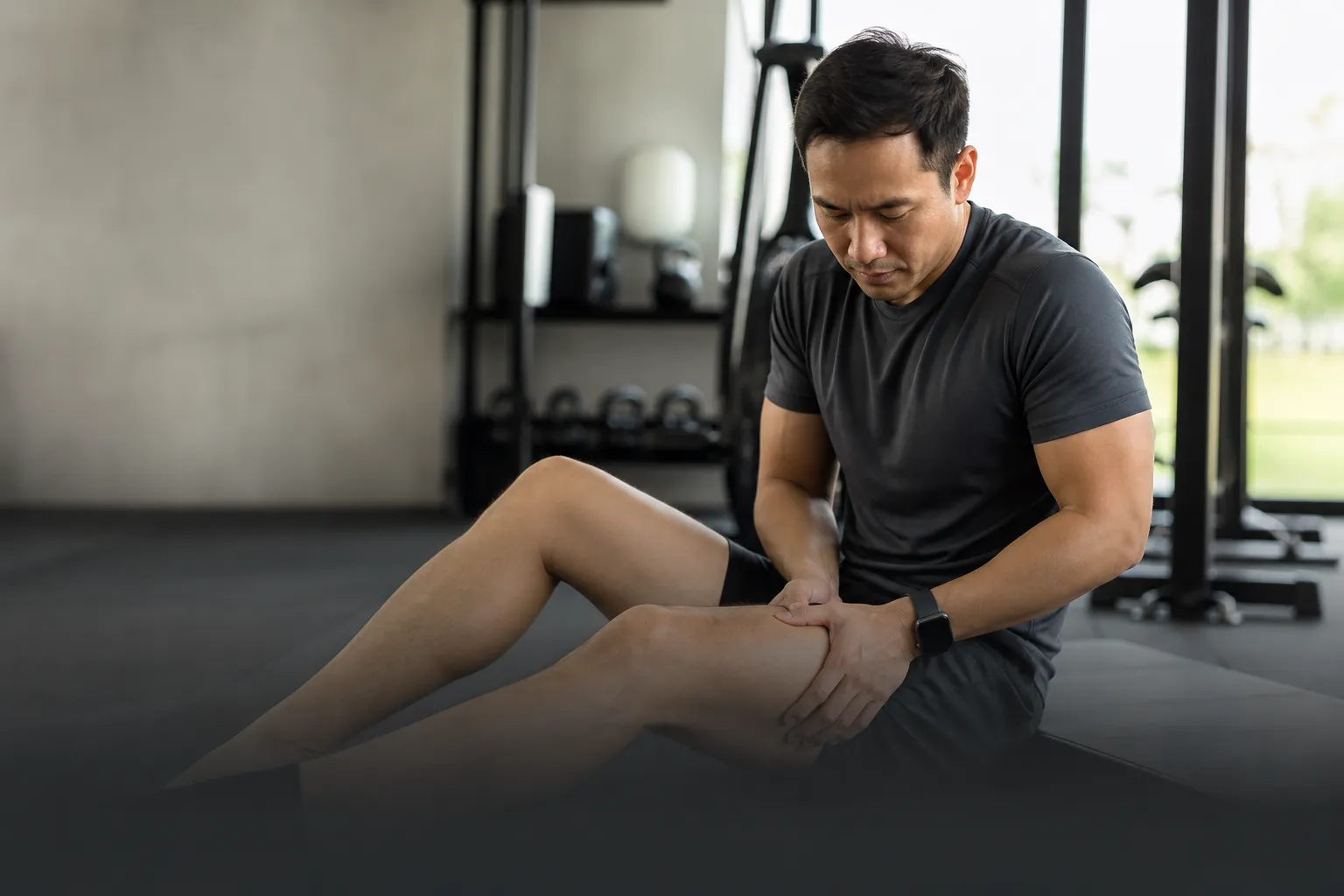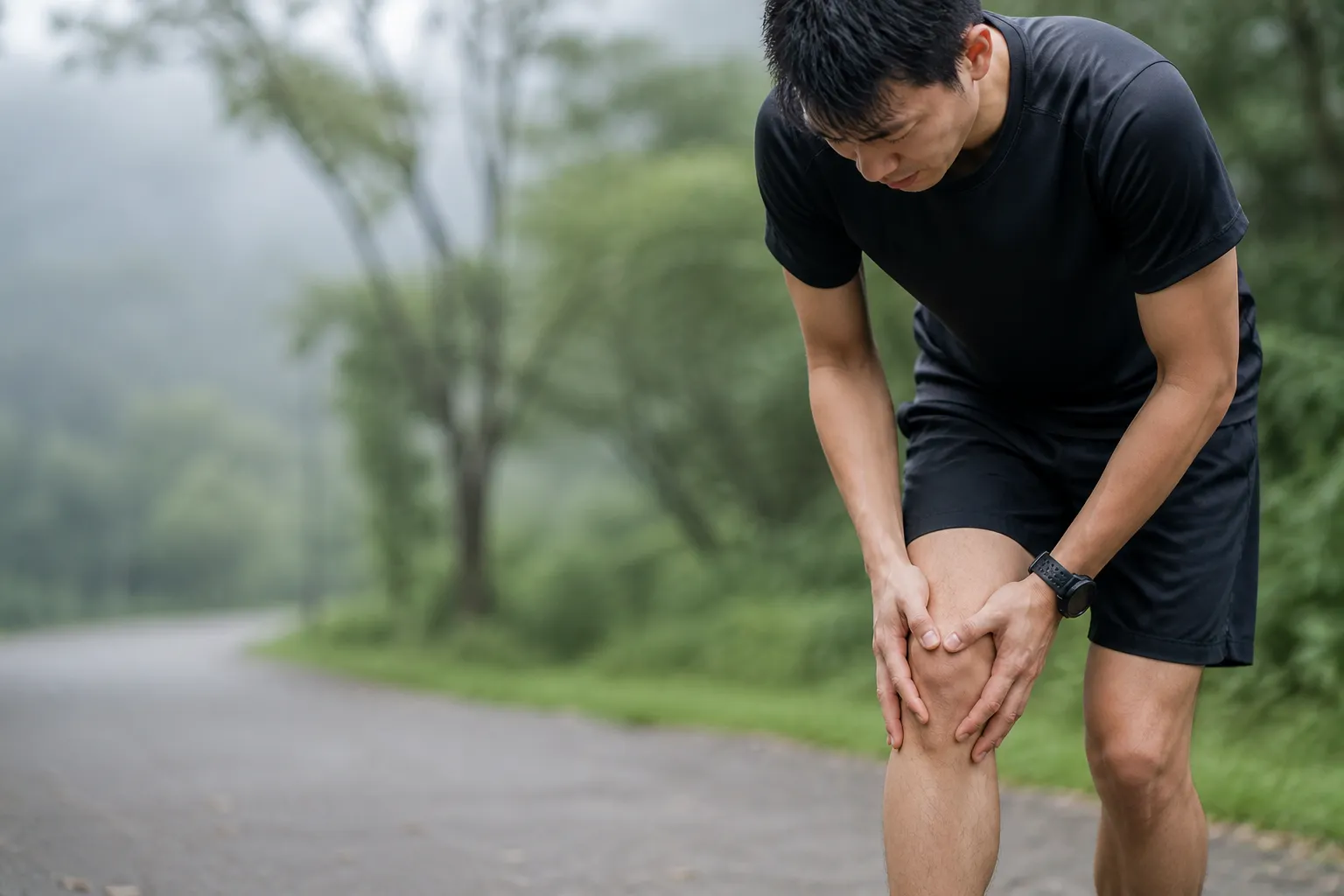
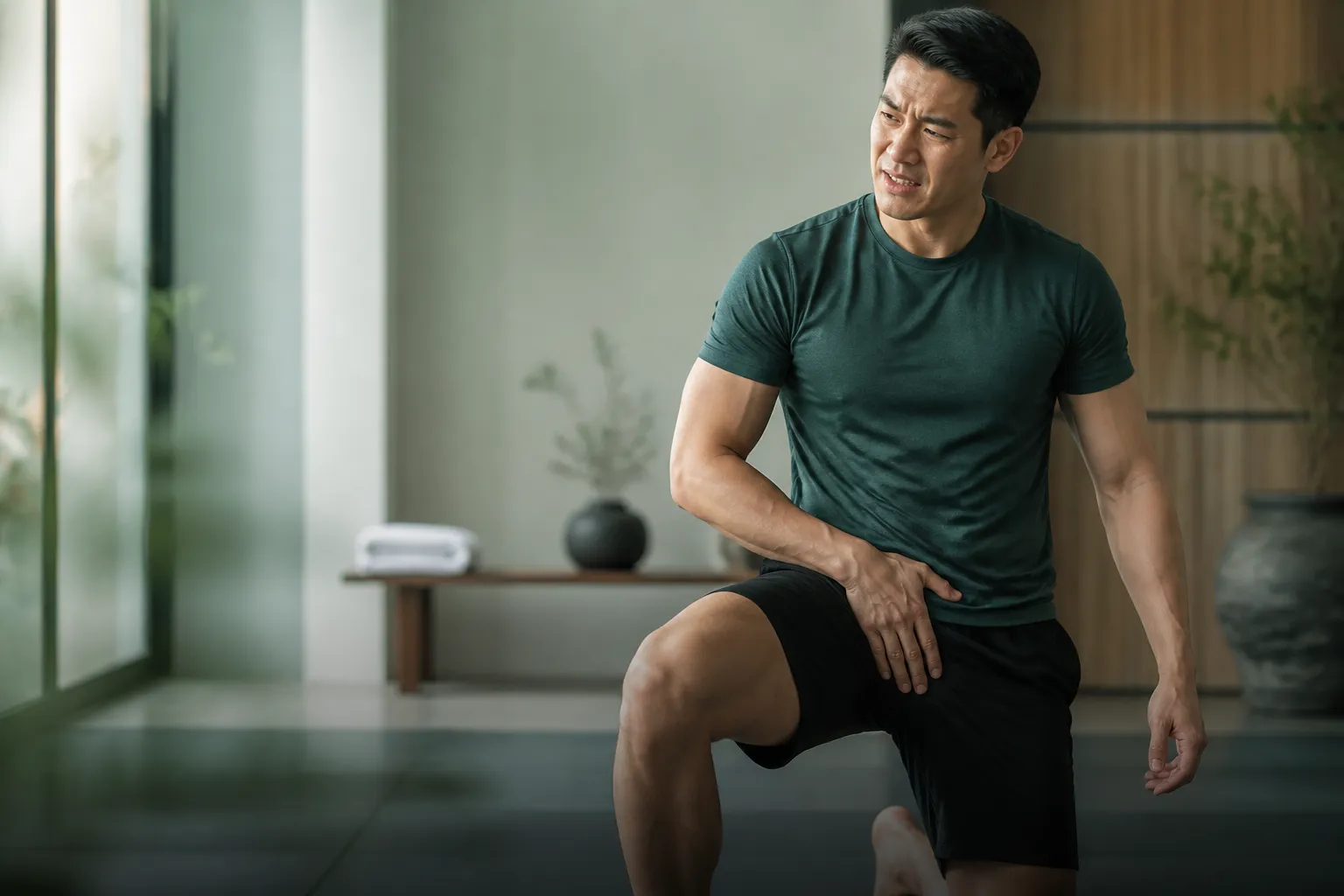
Athlete mid-training pause under load, showing sports performance need

Insights · Pain & Injuries

Zang-Fu organs and sports performance

Five Zang systems each gate a different performance job. When one lags, breath, muscle build, tendon ease, or knee load often shows it first.

In brief

In TCM, the Zang-Fu are functional organ systems, not a one-to-one Western anatomy map. Heart and Lungs gate stamina and recovery between sessions. Spleen transforms food into muscle and Blood. Liver stores Blood for tendons and eyes. Kidneys warm the lumbar line and bones under impact. When a system lags, athletes often meet breathlessness, thin training blocks, weak muscle build, stiffness or recurrent sprain, or back-and-knee strain. Pattern care and Sports Enhancement sit beside programming; urgent or Pain & Injury care owns acute trauma and red flags.

01 · Organ map

Zang-Fu systems that gate performance

In TCM the Zang-Fu are functional organ systems that store and transform Qi and Blood. They are not a one-to-one Western anatomy chart. For athletes, five Zang systems usually matter most: Heart, Lungs, Spleen, Liver, and Kidney. Each gates a different sports job when Qi and Blood lag under load.

Five Zang systems and sports jobs
Organ Performance job Example sports
HeartBlood, vessels, mind activity. Stamina, endurance, training output Marathon, swimming
LungsRespiration and fluid passages. Continuous effort, calendar continuity Long-distance running, cycling
SpleenDigestion, muscle, Blood hold. Muscle build, strength, motility Weightlifting, bodybuilding
LiverBlood store, tendons, eyes. Joint stability, range, visual clarity Archery, shooting sports
KidneyGrowth, bone, organ warmth. Lumbar and knee resilience under impact Football, basketball

02 · Singapore

Heat, AC, and weekend load

Evening gym blocks after cold offices, humid outdoor runs, iced drinks after sessions, and late hawker plates all stack on the same Zang systems that gate stamina, muscle build, and the lumbar-knee line.

  • Iced post-run drinks and raw-cold snacks after hot outdoor work can tax Spleen Yang when digestion already feels heavy under training load.
  • AC recovery after humid East Coast or park sessions often leaves Wei Qi thin: athletes catch more short illnesses that break the training calendar.
  • Weekend-warrior stairs, basketball, and football after a desk week light up Kidney and Liver lines when lumbar ease and tendon resilience already lag.

03 · Heart

Heart: Blood, mind, and endurance

Heart · vessels · spirit

The Heart governs Blood and vessels, steadies mind activity for faster reaction, and manages emotion. When this system lags, stamina and overall training output fall first.

1. When the system lags

Shortness of breath with effort and tiredness that arrives sooner than usual after sessions that used to feel manageable.

2. How it shows in sport

Endurance drops and the next block feels under-powered. Marathon runners and swimmers often notice thin stamina under sustained effort first.

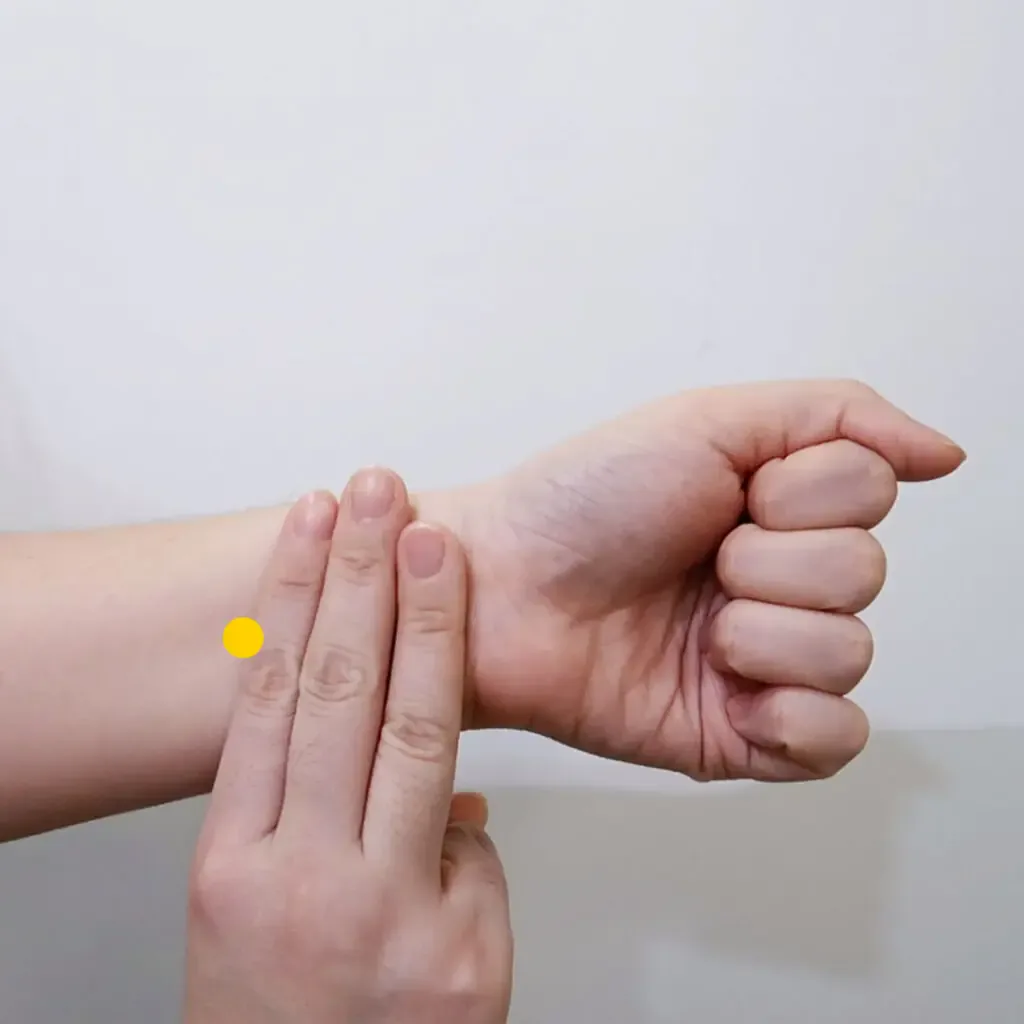
Three fingers on the inner forearm locating Nei Guan PC6 between two tendons

Acupoint · 内关

Press Nei Guan (PC6)

Two cun above the inner wrist crease, between two tendons. Firm rotate-press for one to two minutes to support Heart-system calm and vessel comfort beside training.

Stop if pain sharpens. Self-press does not replace urgent care for chest red flags.

Press Nei Guan

04 · Lungs

Lungs: breath, fluids, and continuity

Lungs · Wei Qi · fluids

The Lungs govern respiration and help regulate water passages and body-fluid circulation. When Lung Qi is thin, continuous effort and the training calendar both suffer.

1. When the system lags

Low stamina and energy reserve, frequent short illnesses that break the week, and shortness of breath easily aggravated by physical activity.

2. How it shows in sport

Long-distance running and cycling lose continuity when breath will not hold and recovery between sessions stays thin.

3. Abdominal breathing · inhale

Inhale through the nose for 3–5 seconds while the abdomen expands outward. Keep the breath deep, long, and slow.

4. Abdominal breathing · hold and exhale

Hold for about 1 second, then exhale through the mouth for 3–5 seconds as the abdomen softens inward. Aim for about 15 seconds per full cycle; practise 5–15 minutes when breath feels shallow.

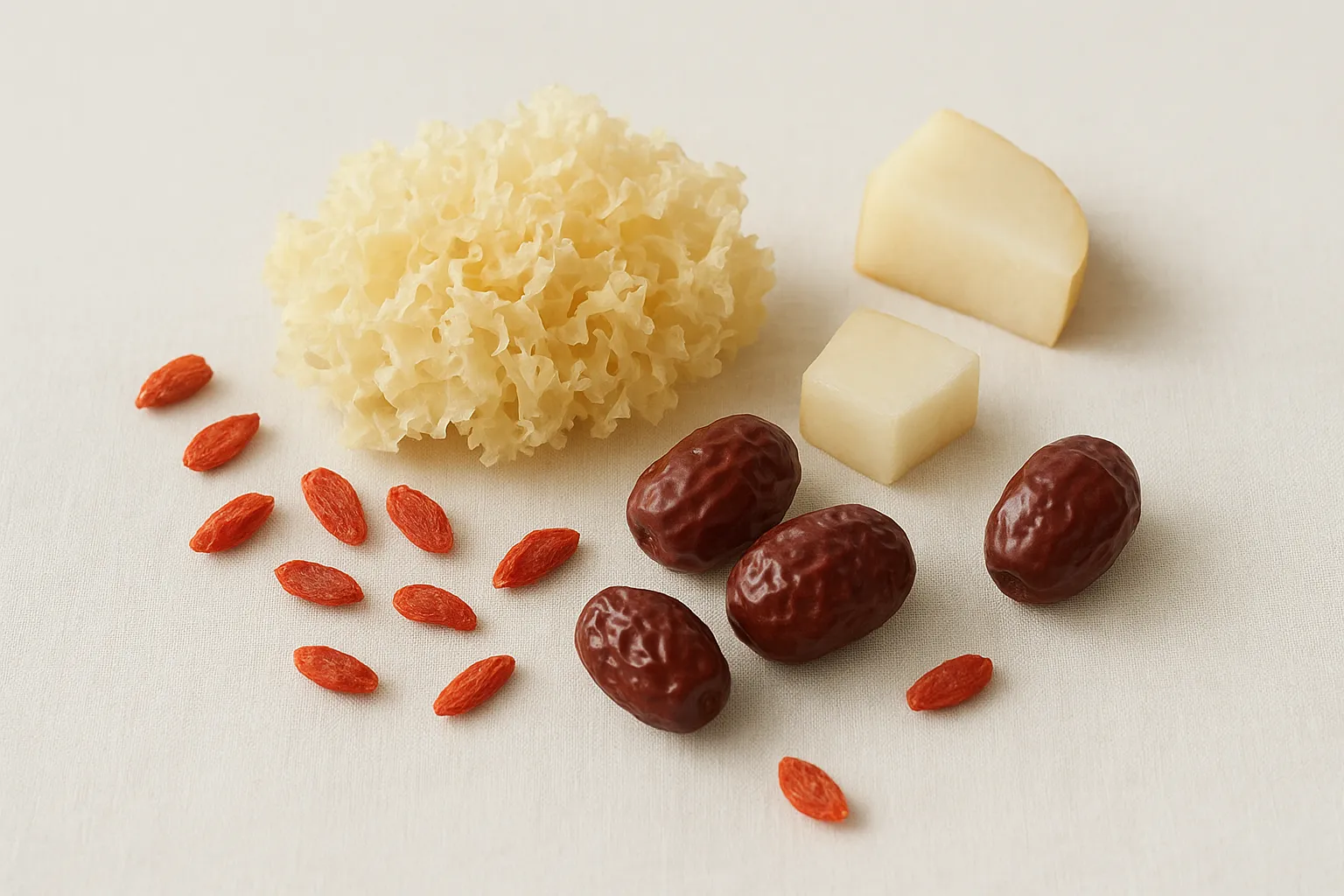
Dried snow fungus, pear, goji, and red dates for soup at PULSE TCM

Soup · white foods

Snow fungus soup with pears

White foods such as pear and snow fungus (white fungus) enter and nourish the Lung system. A moistening kitchen pot sits beside humid outdoor training when dryness or thin Wei Qi fits.

Cooling and moistening. Ease off if you feel cold easily or stools loosen.

Make the snow fungus soup

05 · Spleen

Spleen: digestion, muscle, and strength

Spleen · Stomach · muscles

The Spleen governs digestion and absorption of nutrients, supports muscle growth, and helps hold Blood so bruising stays rare. Strength sports feel the gap when transformation lags.

  • Prefer cooked, warm foods. Cold and raw meals can deplete Yang Qi, the body’s driving force for transformation under training load.

1. When the system lags

Muscle mass is hard to build, limbs feel weak, and bruises appear easily even when the programme looks correct on paper.

2. How it shows in sport

Weightlifting and bodybuilding stall as hypertrophy slows and limbs feel heavy or under-fuelled after meals.

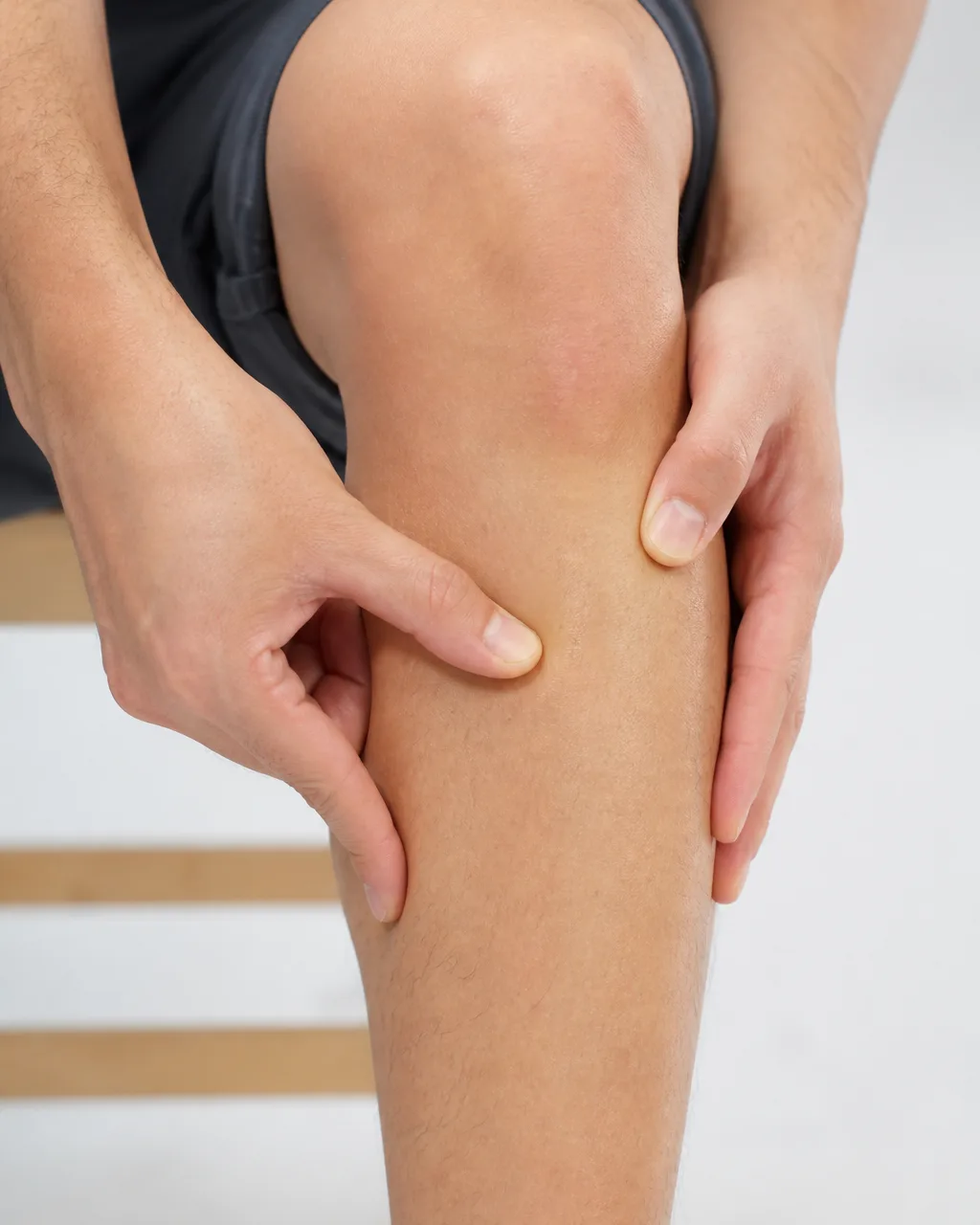
Hands measuring four finger-widths below the kneecap to locate Zu San Li ST36

Acupoint · 足三里

Press Zu San Li (ST36)

Three cun below the outer kneecap on the anterolateral shin. Rotate-press for one to two minutes to support Spleen-Stomach function under training load.

Stop if pain sharpens. Soft pressure only if a physician agrees in pregnancy.

Press Zu San Li

06 · Liver

Liver: Blood, tendons, and clarity

Liver · tendons · eyes

The Liver stores Blood, governs ligaments and tendons at the joints, and supports eye clarity. Movement quality and skeletal stability suffer when free coursing of Qi lags.

  • Add goji berries (Gou Qi Zi) when the Liver-Blood story fits and digestion tolerates them.

1. When the system lags

Muscle stiffness, spasm, limited range, weak tendons, recurrent sprain risk, or blurry dry eyes after load.

2. How it shows in sport

Archery and shooting sports light up shaky aim, dry eyes, or guarded joint range. Any sport that needs stable tendons feels Liver lag as recurrent sprain or stiffness.

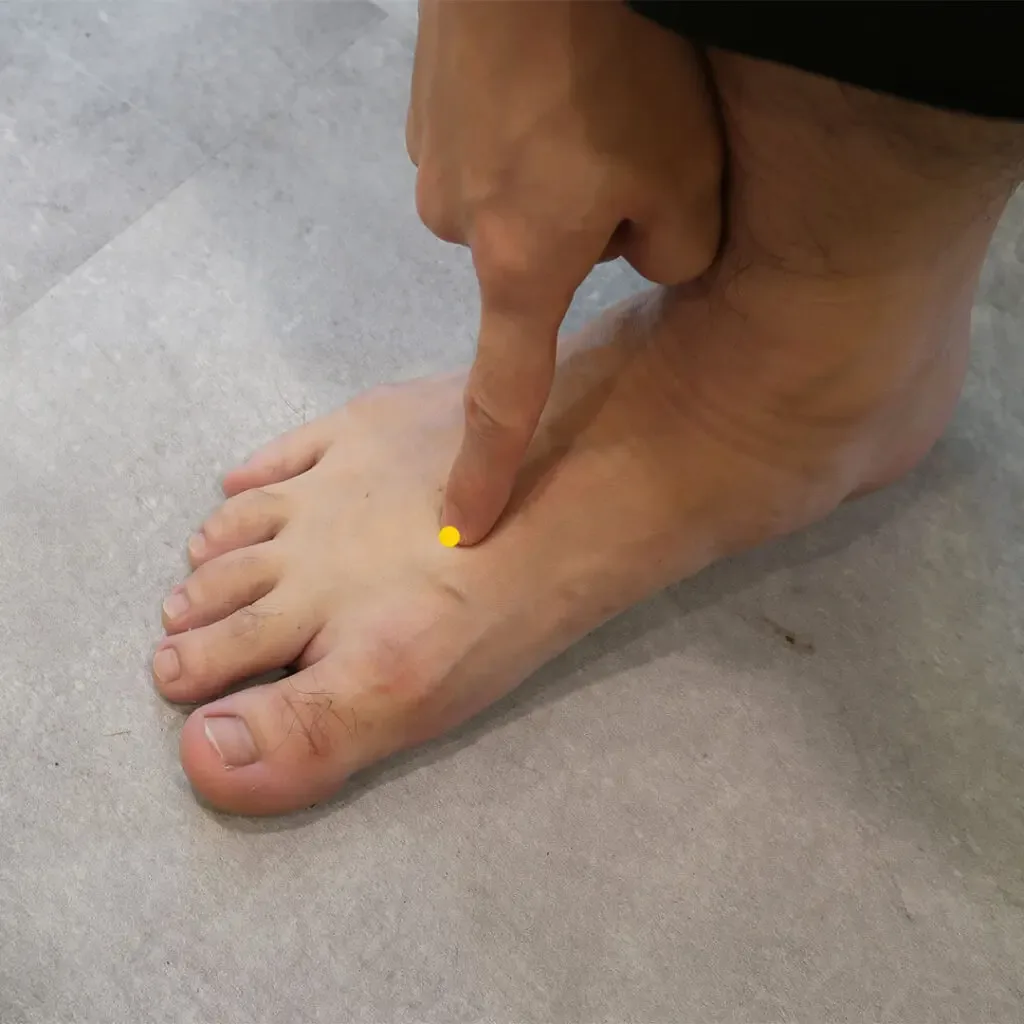
Teaching still locating Tai Chong LV3 on the top of the foot

Acupoint · 太冲

Press Tai Chong (LV3)

On the top of the foot, in the hollow before the first and second metatarsal junction. Rotate-press both feet for one to two minutes when tendons feel tight or mood binds with training stress.

Stop if pain sharpens. Self-press does not replace care for acute sprain.

Press Tai Chong

07 · Kidney

Kidney: bone, warmth, and impact load

Kidney · Jing · bones

The Kidneys govern growth and development, nourish bone, and warm the internal organs. Impact sports light up the lumbar-knee line when Kidney Qi or Jing runs thin.

  • Eat black foods such as black sesame, black bean, and black chicken when the Kidney story fits. In TCM, black foods enter and nourish the Kidney. Chinese yam (Shan Yao) supports the middle burner beside that work.

1. When the system lags

Weakness, soreness, or ache in the lower back and knees, with joint pain that cuts training output.

2. How it shows in sport

Football and basketball raise lumbar and knee strain under cutting and impact when Kidney warmth and bone support lag.

Index finger pressing Yong Quan KD1 on the sole for acupressure

Acupoint · 涌泉

Press Yong Quan (KD1)

On the sole, in the depression in the upper third when the toes flex. Firm rotate-press for one to two minutes daily to support Kidney regulation under impact load.

Stop if pain sharpens. Self-press does not replace urgent care for acute knee or lumbar trauma.

Next step

When organ lag stalls the next block

If breath, muscle build, tendon ease, or the lumbar-knee line keeps limiting training, a physician can name the Zang-Fu pattern and decide whether Sports Enhancement belongs beside your plan. Acute sprain, fracture, or chest red flags belong with urgent or Pain & Injury care.

Dr Sim Beng Joo

Clinically reviewed

Reviewed by Sim Beng Joo

Advisor (Science & Strategy) / Consultant Physician · TCMPB T1303003A

MOH-licensed TCM physician and biomedical scientist, with clinical work in digestion, pain, sleep or fatigue, and soft-tissue patterns that shape training recovery.

View full profile

Educational information based on clinical experience and TCM principles. Not a substitute for personalised consultation, sports medicine, physiotherapy, or urgent care. Pathological signs and sport examples here are guides only. Speak with your physician before herbs, strong dietary shifts, or new self-care in pregnancy or with a chronic condition. Seek urgent care for sudden chest pain, severe breathlessness, inability to bear weight, a deformed joint, or numbness that spreads. TCM complements training; it does not replace it or guarantee competition outcomes.

FAQs

Questions, answered

Common questions on Zang-Fu systems for athletes, organ-linked training limits, home presses, Sports Enhancement versus injury care, and booking in Singapore.

What are Zang-Fu organs in TCM for athletes?

Zang-Fu names paired organ systems that store and transform Qi and Blood. For training, the five Zang that matter most are Heart, Lungs, Spleen, Liver, and Kidney. Each gates a different performance job: stamina and mind, breath and Wei Qi, muscle build, tendons and eyes, or lumbar and bone warmth. The map is functional. It is not a Western anatomy chart.

How does the Heart affect sports performance?

The Heart governs Blood and vessels and steadies mind activity. When the Heart system lags, athletes often tire sooner than usual and feel short of breath with effort. Stamina and overall training output drop. Endurance sports such as marathon running and swimming often show this first.

How do the Lungs affect stamina and training continuity?

The Lungs govern respiration and help move body fluids. Weak Lung Qi can leave stamina thin and Wei Qi low, so colds interrupt the calendar. Continuous long-distance work suffers when breath and recovery between sessions will not hold.

How does the Spleen affect muscle strength?

The Spleen transforms food into usable Qi and Blood and supports muscle growth. When it lags, muscle mass is hard to build, limbs feel weak, and bruising comes easily. Strength sports such as weightlifting and bodybuilding often feel the gap.

How does the Liver affect tendons, joints, and vision in sport?

The Liver stores Blood and governs ligaments and tendons at the joints. It also supports eye clarity. Imbalance can show as stiffness, spasm, limited range, recurrent sprain, or blurry dry eyes. Precision sports that need stable aim, such as archery and shooting, often feel Liver lag.

How do the Kidneys affect back and knee load in sport?

The Kidneys govern growth, bone, and warmth for the internal organs. When Kidney Qi or Jing lags, the lumbar line and knees ache under load, and joint pain cuts training output. Impact sports such as football and basketball often light up that line.

Can I self-press acupoints for sports support?

Short daily presses of Nei Guan (PC6), Zu San Li (ST36), Tai Chong (LV3), or Yong Quan (KD1) can sit beside training when the matching organ story fits. Use firm, comfortable pressure for one to two minutes. Stop if pain sharpens. Self-press does not replace diagnosis, progressive overload, or urgent care for trauma.

When should I book Sports Enhancement vs Pain & Injury care?

Book Sports Enhancement when plateau, thin stamina, rebuild timing, or organ-pattern support beside training is the main story. Use Pain & Injury or urgent care for acute sprain, fracture, chest red flags, or numbness that spreads. Tell us which picture fits so we route the visit correctly.

Where can I book TCM sports support in Singapore?

Book a Sports Enhancement consult at PULSE TCM clinics islandwide. Ask for the programme when organ-pattern stamina, muscle build, tendon ease, or lumbar-knee load beside training is the main story. Bring recent training notes and where effort stalls.

References

Selected sources

  1. National Center for Complementary and Integrative Health. Traditional Chinese medicine: What you need to know. 2019. https://www.nccih.nih.gov/health/traditional-chinese-medicine-what-you-need-to-know/
  2. Ministry of Health Singapore. TCM practitioners (Healthcare Professional Portal). https://hpp.moh.gov.sg/tcm-practitioners/
  3. World Health Organization. Traditional, complementary and integrative medicine. https://www.who.int/health-topics/traditional-complementary-and-integrative-medicine
  4. Original article author: Physician Charlotte.

Next step

Bring training notes and where load stalls

Tell us which system feels weak under effort: breath, muscle build, tendons, or the lumbar-knee line. We will name the pattern in plain language and decide whether Sports Enhancement belongs beside your plan.

Hours
Most clinics daily 11:00 AM – 8:00 PM
Care
Physician-led consultation