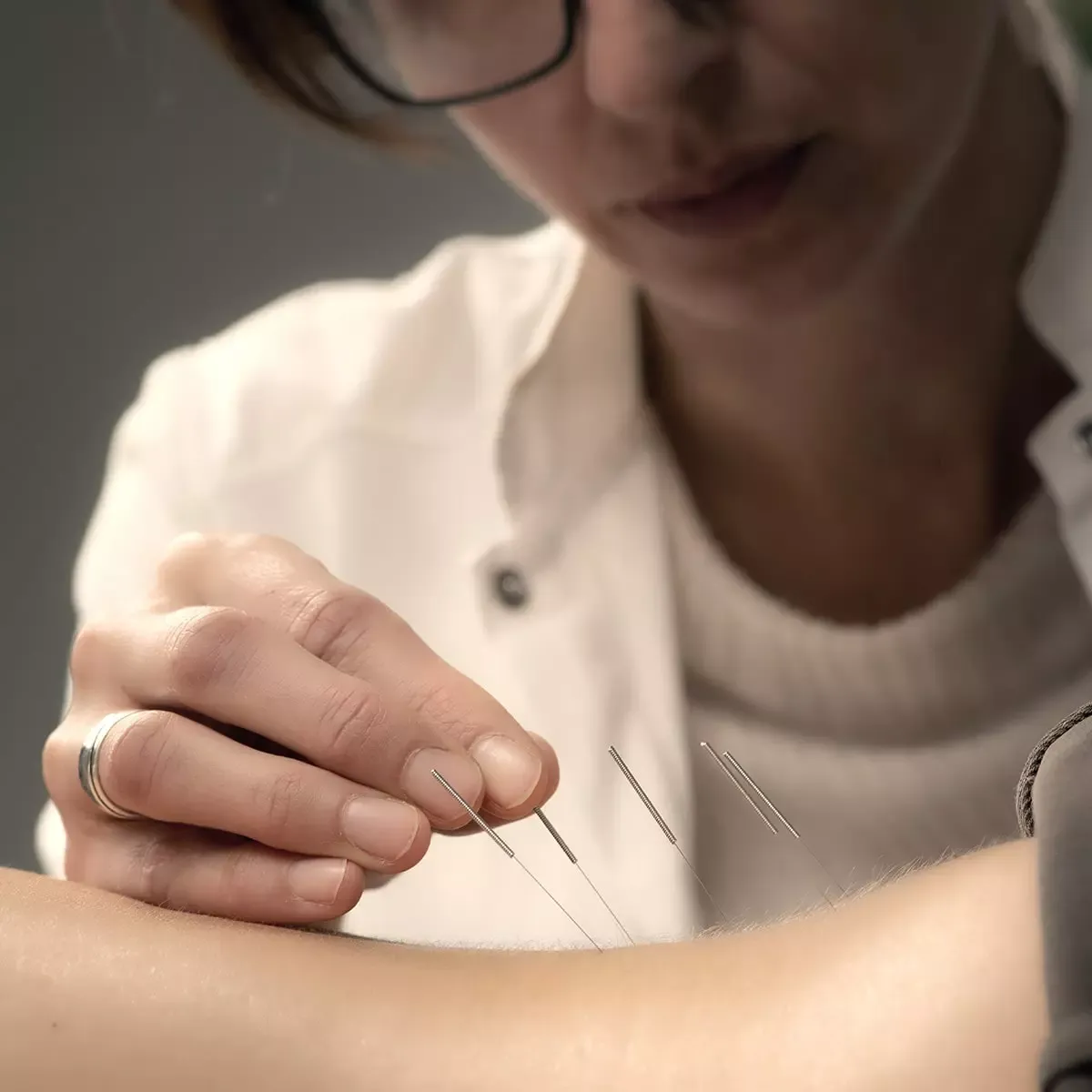

Physician gently assessing the abdomen during an integrative IBS consult at PULSE

Insights · General Health

3-in-1 approach to managing IBS

Food triggers and stress often feed each other. Dietetics, psychology, and TCM work on the same gut-brain loop so care stays personal, not one restrictive diet alone.

In brief

IBS is a chronic gut-brain condition of cramping, bloating, constipation, and/or diarrhoea. A 3-in-1 plan pairs a dietitian for supervised low FODMAP work, a psychologist for CBT and stress coping, and a TCM physician for Liver-Spleen-Kidney pattern reads on IBS-D or IBS-C. Home supports include stress and Spleen acupressure, coix winter-melon rib soup for damp pictures, and biota seed porridge when stools run dry. Red-flag signs need urgent Western care first.

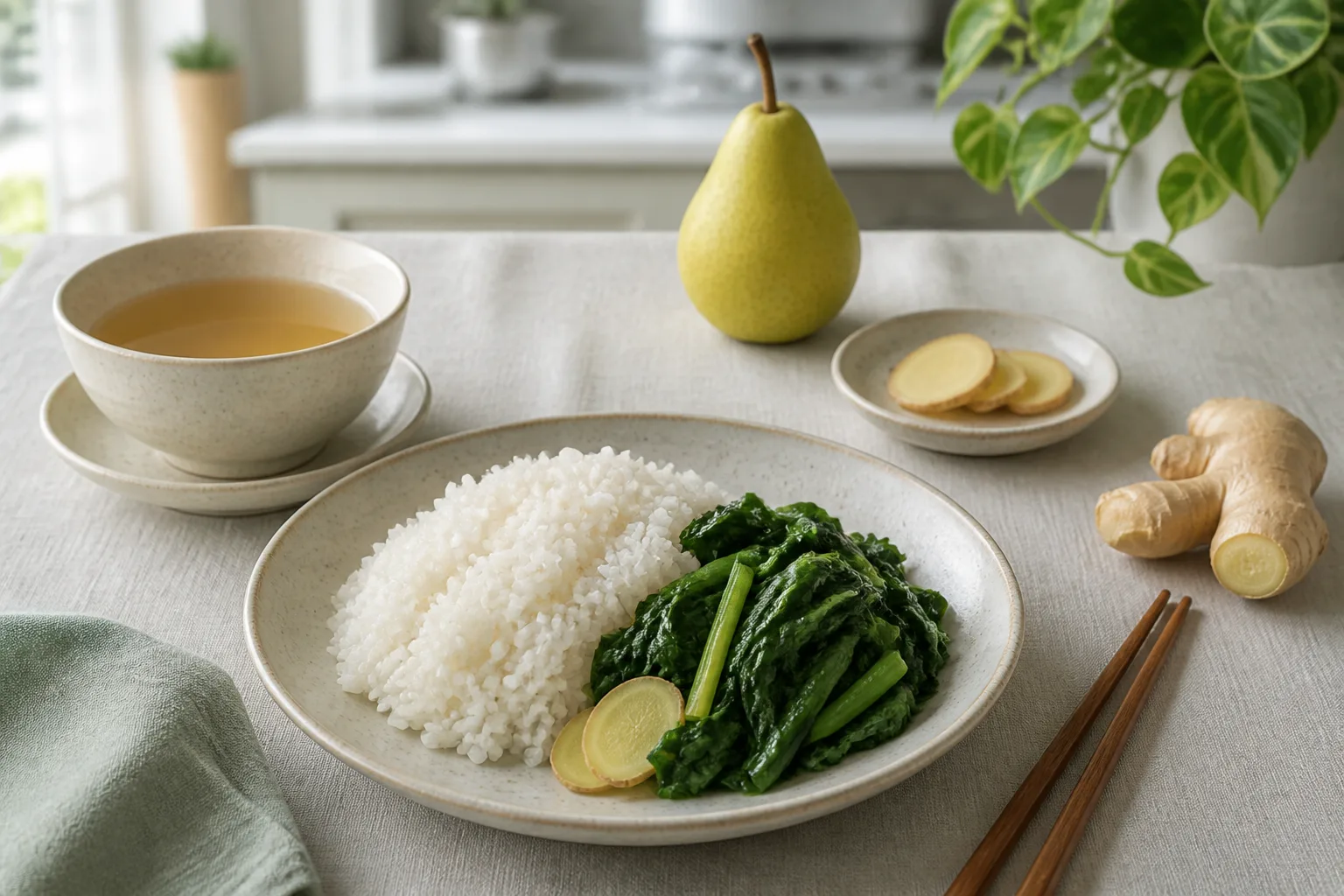
Warm broth, rice, greens, and ginger on a calm kitchen plate for guided IBS nutrition

01 · Nutrition

Low FODMAP only with guidance

Dietetics · personalised reintroduction

FODMAPs are carbohydrates that ferment poorly in the gut and can drive IBS flares. A low FODMAP plan restricts high-FODMAP foods for a short window, then reintroduces them to find your personal triggers.

Unguided restriction is easy to get wrong. High-FODMAP foods also carry fibre, vitamins, and minerals. Cutting them without a replacement plan can leave gaps, unwanted weight loss, and anxiety around eating. A registered dietitian who specialises in IBS keeps the trial safe and usable. At PULSE, book Medical Nutrition Therapy. For bloating triggers in more depth, see Beat the bloat.

02 · DIY risks

Why unsupervised low FODMAP can backfire

Three common harms sit behind DIY restriction. Work with a dietitian before you cut whole food groups for weeks.

1. Nutrient deficiencies

Many high-FODMAP foods supply fibre, vitamins, and minerals. Long restriction without planned swaps can leave gaps that hurt energy, stool form, and overall health.

2. Unwanted weight loss

A narrow plate can shrink intake fast. That is especially risky if you are already underweight or have a history of disordered eating.

3. Disordered eating patterns

Strict rules can raise food anxiety and rigid eating habits. Personalised reintroduction under dietetic care reduces that load.

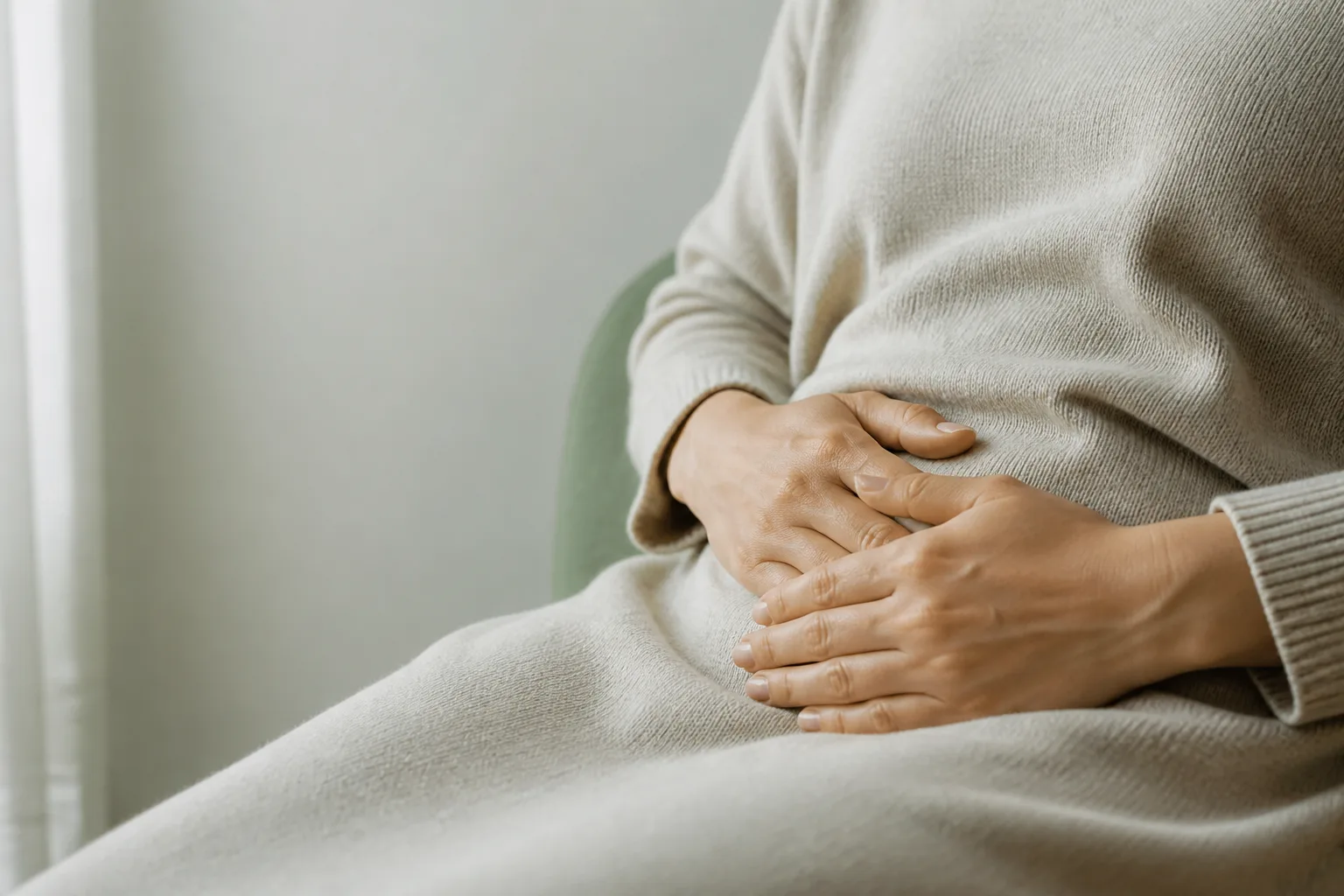
Adult resting a hand on the abdomen during a quiet breathing pause for gut-brain calm

03 · Mental health

The gut-brain loop needs care

Psychology · CBT · stress coping

IBS links closely to stress, anxiety, and depression. Psychiatric comorbidity among sufferers is often reported around 40–60%. A 2016 Singapore study found IBS prevalence around 20.9%.

Pain that arrives without warning, urgent toilet trips, bloating, and wind can disrupt sleep, meetings, and meals. Left untreated, distress worsens flares and quality of life. Cognitive-behavioural therapy (CBT) and related psychotherapy teach coping for anxiety and stress that sit on the same loop as gut symptoms. Severe cases may need medication plus therapy.

04 · Psychotherapy

How therapy supports IBS care

Therapy maps triggers, builds coping, and supports the habits that keep flares quieter.

1. Support and trigger mapping

A safe space to name shame and fear of urgency, then map stress, anxiety, sleep loss, or poor diet adherence that repeatedly precede flares.

2. Coping and lifestyle change

Relaxation, deep breathing, and mindful meditation sit beside steadier diet, movement, and sleep habits that cut symptom load over time.

3. Communication and self-esteem

Clearer talks with dietitians, physicians, family, and workplaces, plus less shame about symptoms and a more workable relationship with the body.

4. Trauma load and overall mood

When earlier trauma still drives gut hypervigilance, therapy can reduce that background charge. Better mood and sleep often settle the same gut-brain loop that keeps IBS noisy.

Psychology next step

Want help with the stress side of IBS?

Book a psychology consult when anxiety, low mood, or flare fear keep feeding gut symptoms. Bring how stress shows up before toilet urgency or pain.

05 · TCM diagnosis

ABCDs, then a live pattern read

Liver · Spleen · Kidney

IBS shows as abdominal pain, bloating, constipation, and diarrhoea, often with wind, fatigue, low mood, or stress. IBS-D means loose watery stools at least a quarter of the time. IBS-C means hard or lumpy stools at least a quarter of the time.

TCM places these pictures under yu zheng (郁证), abdominal pain (腹痛), diarrhoea (泄泻), and constipation (便秘). Classical roles differ from biomedical organs: Liver regulates emotion, Spleen governs digestion and nutrient uptake, and Kidney governs bowel and urinary function. Stress, worry, and an irregular plate disturb that axis. Diarrhoea often tracks a weakened Spleen that lets damp gather.

The wider indigestion and constipation map sits on the common digestive issues Insight. This page keeps the integrative care model and the IBS-D / IBS-C syndrome tables.

IBS-D patterns by stool, abdomen, tongue, and next step
Pattern Stool and abdomen Other signs Tongue May help
Spleen qi deficiency Loose watery stool with undigested food remnants; bloatedness. Fatigue, reduced appetite, pale complexion. Prominent teeth markings at the sides. Coix soup when damp heaviness leads; ST36 and SP6 soft press.
Spleen and Kidney yang deficiency Loose watery stool with undigested food; morning abdominal pain; cold belly feel. Fatigue, cold hands and feet, lower-back and knee soreness. Plump pale tongue with teeth markings. Warming meals; ease strong cooling soups; book for a yang read.
Colon dampness heat Sticky, greasy, fetid stool; sudden intense pain; incomplete emptying. Burning at the anus, dark urine, hot flushes, dry throat. Dark red tongue with thick yellow coat. Physician-led herbs and points; do not force cold DIY pots.
Liver depression with Spleen deficiency Loose watery stool that worsens with emotion; belly distension and pain that eases after stool. Easily stressed, rib tightness, shortness of breath, reduced appetite, wind. Dark lines at the sides with teeth markings. Yin Tang, Bai Hui, Tai Chong; LR3, HT7, SP6, SP9 set; psychology when stress leads.
IBS-C patterns by stool, abdomen, tongue, and next step
Pattern Stool and abdomen Other signs Tongue May help
Spleen and Kidney deficiency Weak defecation drive; abdominal pain that eases with pressing. Fatigue, reduced appetite, lower-back and knee soreness, pale complexion. Plump pale tongue with teeth markings. Steady meals; ST36 and ST25 soft press; book for a deficiency read.
Dryness and heat in the intestine Dry, hard, small stool; left lower abdominal mass feel. Dry throat, bad breath, flushed face, hot temper, dark urine. Dark red tongue with thick dry yellow coat. Biota porridge; constipation press sets; ease strong cooling soups.
Liver qi stagnation Impeded defecation; bloating and pain that worsen with stress. Irritable, frequent sighing, headaches, irregular menses, shortness of breath, wind. Red tongue with dark lines and teeth markings. Tai Chong and stress set; psychology when emotion leads the stool swing.

TCM next step

Ready for an IBS pattern read?

Bring stool form, meal timing, stress load, and any dietitian or GP notes. We will name the lead pattern in plain language and decide what belongs beside dietetics and psychology.

06 · Home support

Points and kitchen pots between visits

Yin Tang · Bai Hui · LR3 · SP6 · ST36 · ST25

Soft self-press settles stress and supports Spleen transport. Kitchen pots match damp diarrhoea pictures or dry constipation. They support a named pattern; they do not replace a consult.

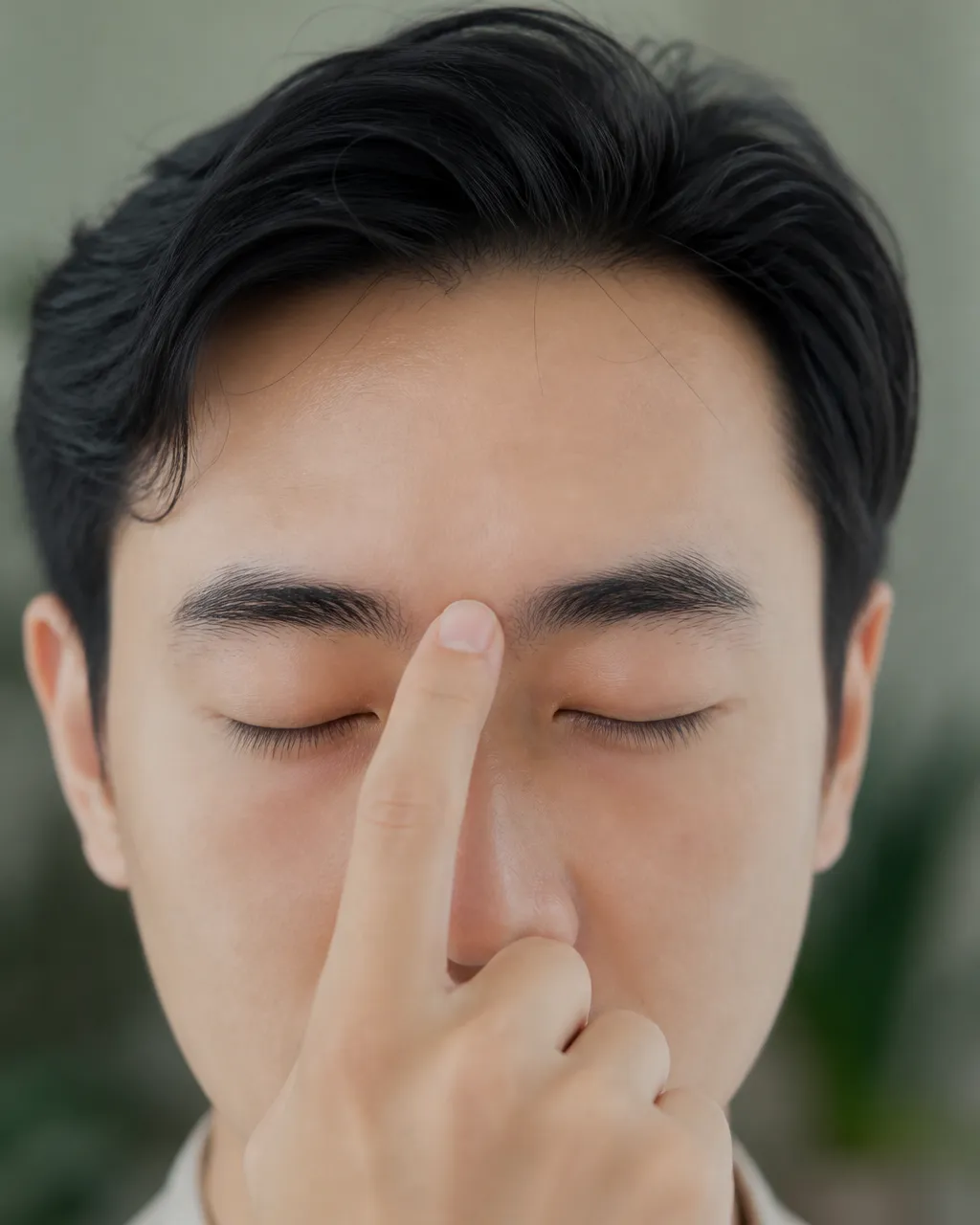
Finger locating Yin Tang EX-HN3 between the eyebrows

Acupoint · stress

Yin Tang (印堂, EX-HN3)

Midline between the eyebrows. Soft hold, then gentle upward strokes. Settles racing thoughts that ride with gut urgency.

Soft pressure only; stop if the brow feels tender.

Locate Yin Tang
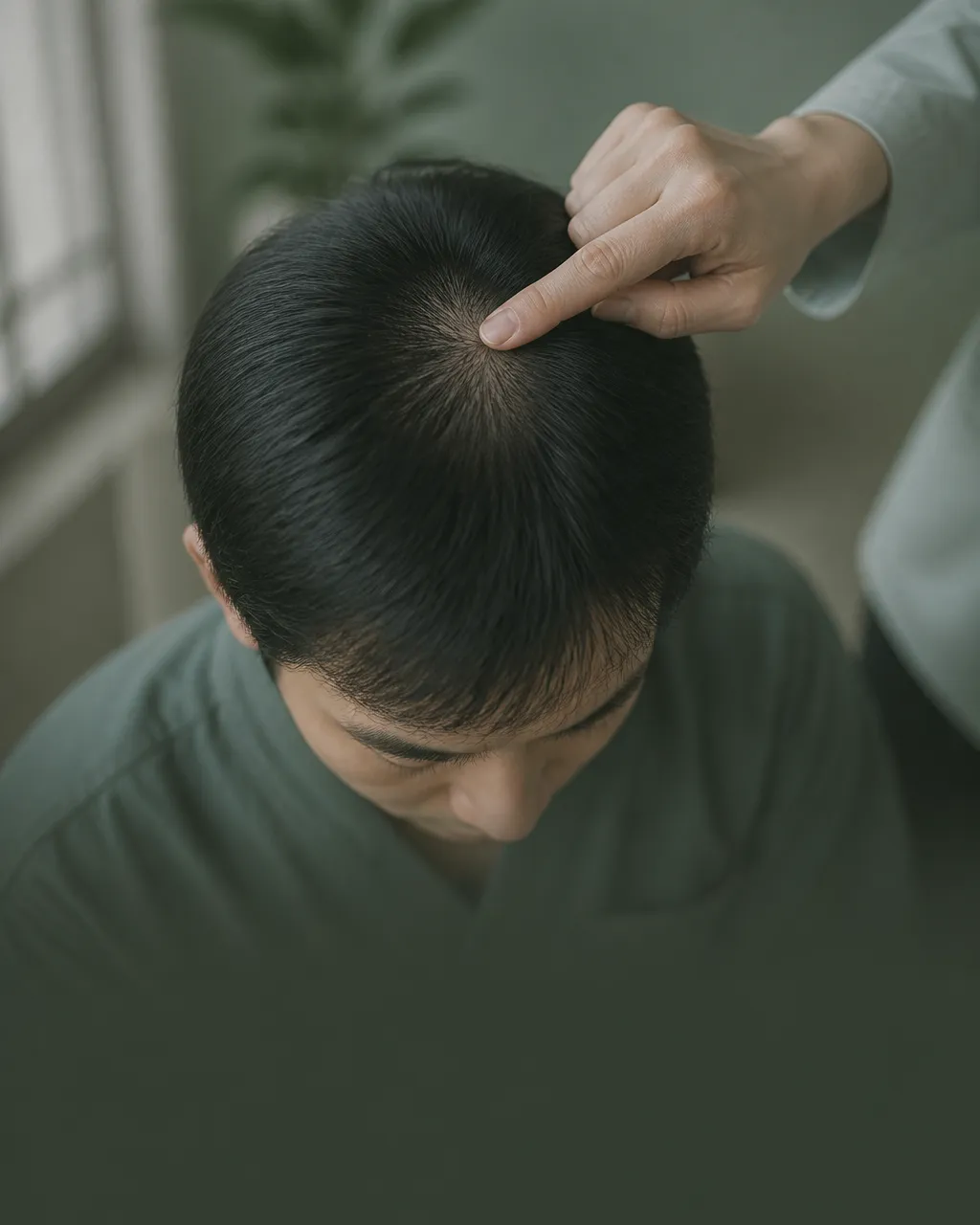
Finger locating Bai Hui GV20 at the crown of the head

Acupoint · stress

Bai Hui (百会, GV20)

Crown centre where ear tip to ear tip meets the midline. Light fingertip circles when the head feels tight and sleep is thin.

Gentle circles; do not dig into the scalp.

Locate Bai Hui
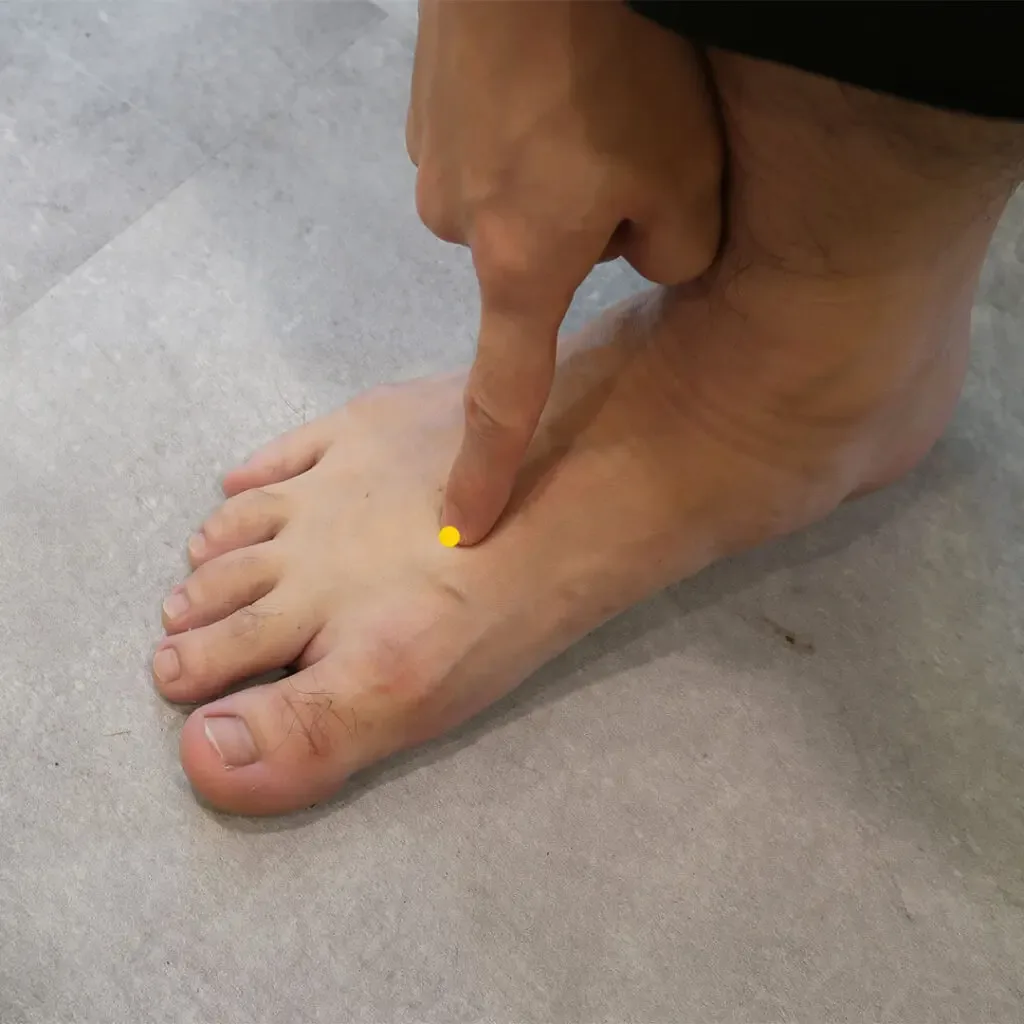
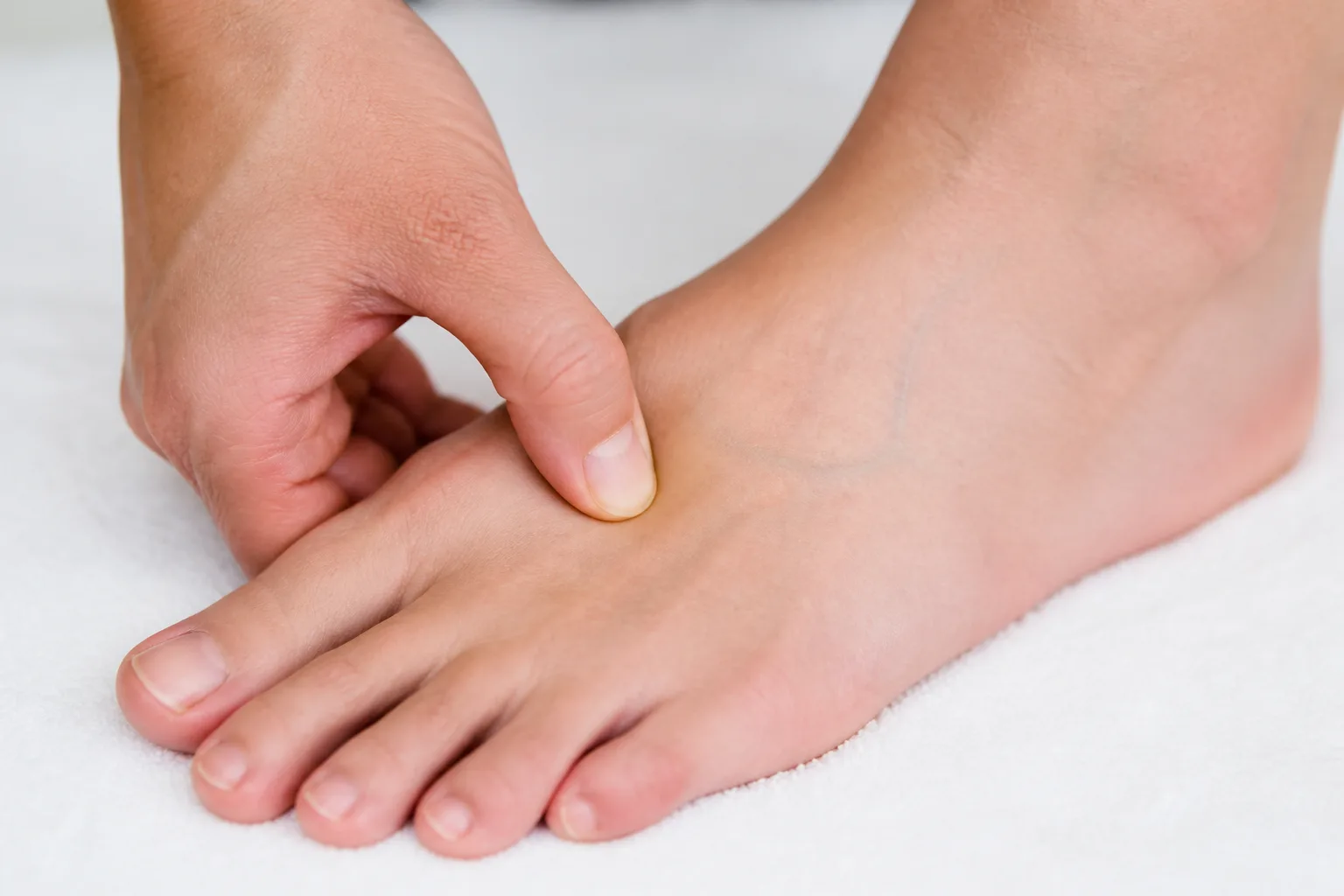
Thumb pressing Tai Chong LR3 on the top of the foot

Acupoint · stress

Tai Chong (太冲, LR3)

On the top of the foot, between the first and second metatarsal bones. Circle each foot when stress binds Liver qi into the gut.

Soft circles about one minute each side.

Locate Tai Chong
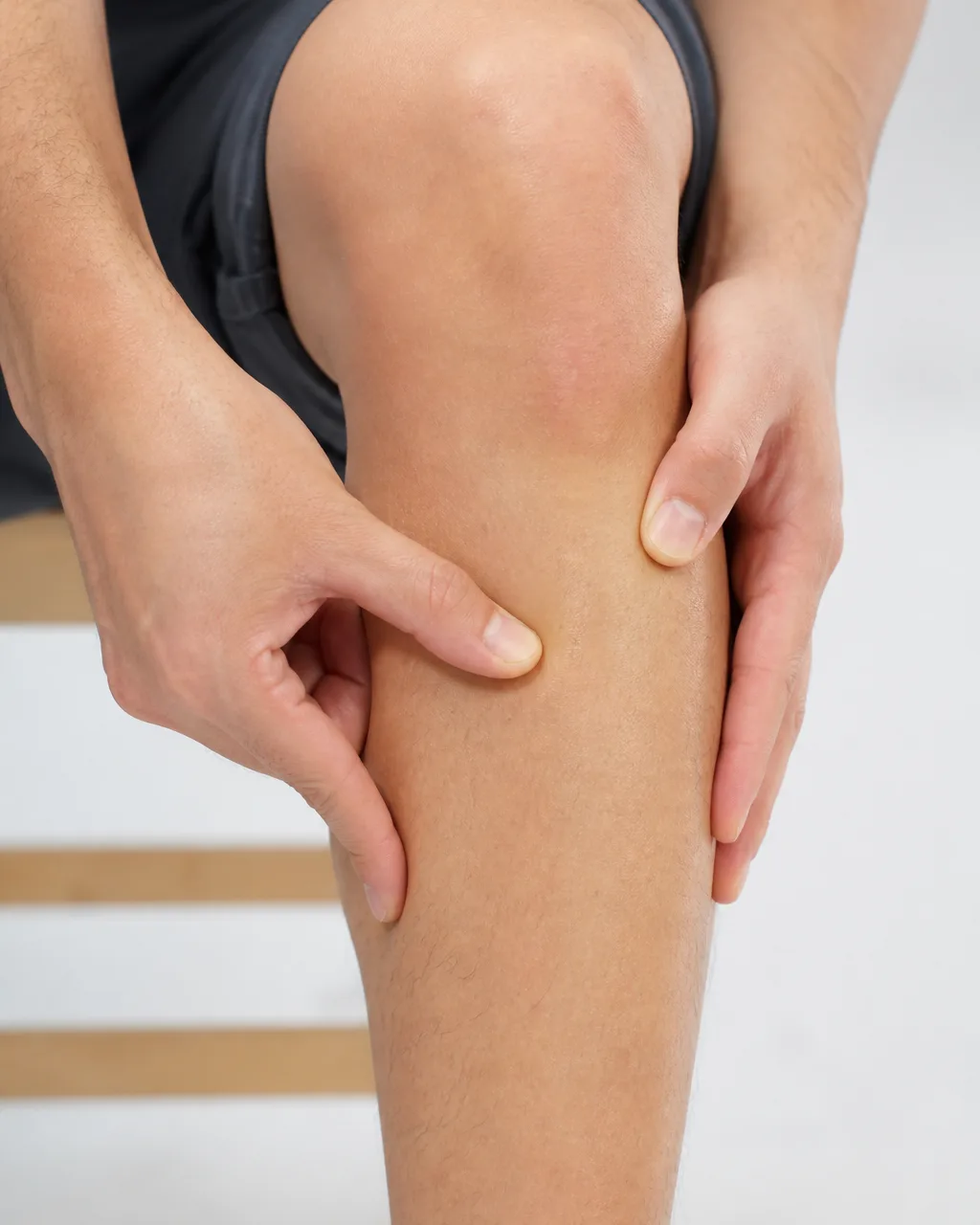
Finger locating Zu San Li ST36 below the outer knee

Acupoint · Spleen

Zu San Li (足三里, ST36)

Outer shin, about four finger-widths below the knee beside the tibial crest. Classic support for appetite and post-meal heaviness.

Soft pressure; skip over acute shin pain.

Locate Zu San Li
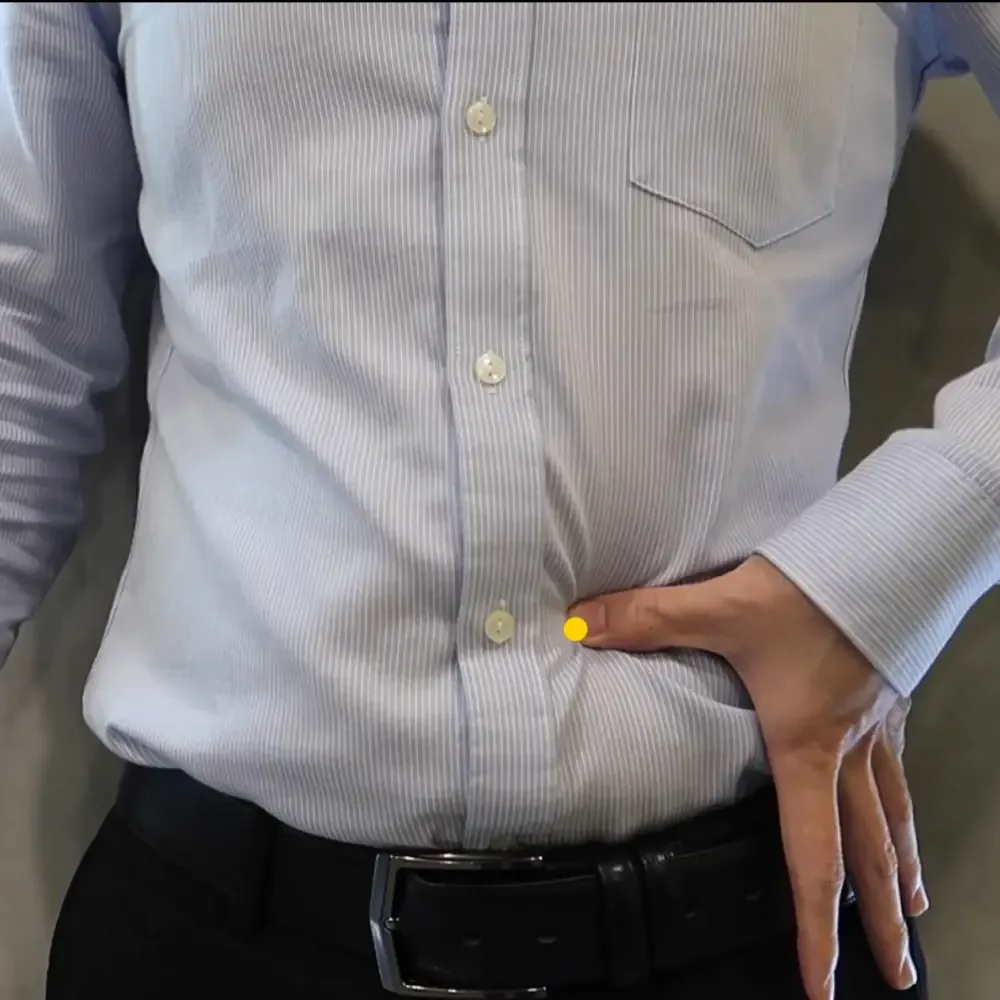
Hand locating Tian Shu ST25 beside the navel

Acupoint · bowel

Tian Shu (天枢, ST25)

Abdomen, level with the navel, about two finger-widths each side. Soft bilateral circles for bowel rhythm.

Skip strong belly work over acute pain.

Locate Tian Shu
Thumb pressing Tai Chong LR3 on the top of the foot

Acupoint · IBS swings

Press LR3, HT7, SP6, and SP9

Four-point routine for stress-linked swings and damp diarrhoea pictures. Includes San Yin Jiao (SP6) with a pregnancy caution.

Skip strong SP6 pressure in pregnancy unless advised.

Press the IBS set
Bowl of coix seed and winter melon pork rib soup for damp digestive support

07 · Kitchen

Soup for damp IBS-D, porridge for dry IBS-C

Coix soup · biota porridge

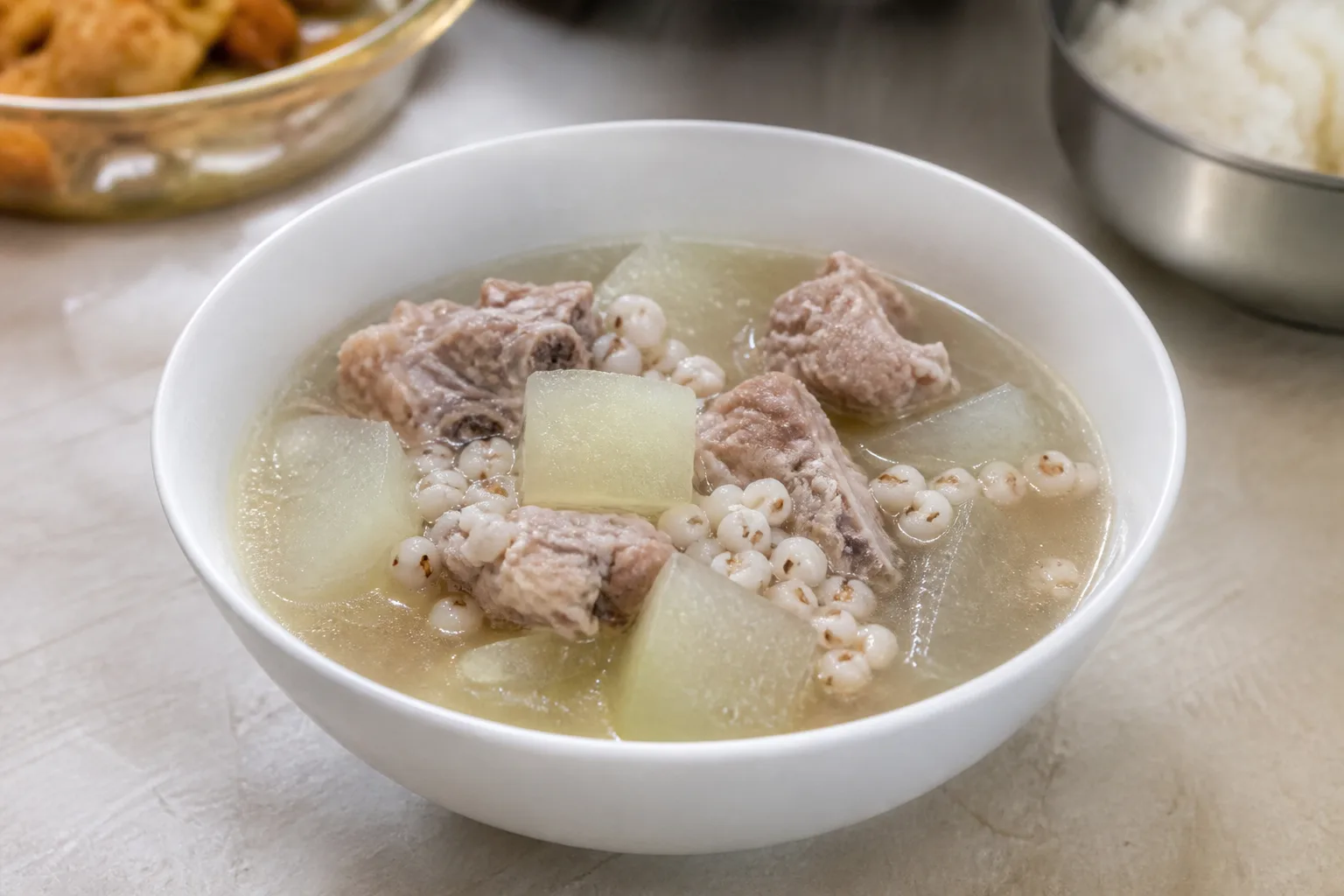
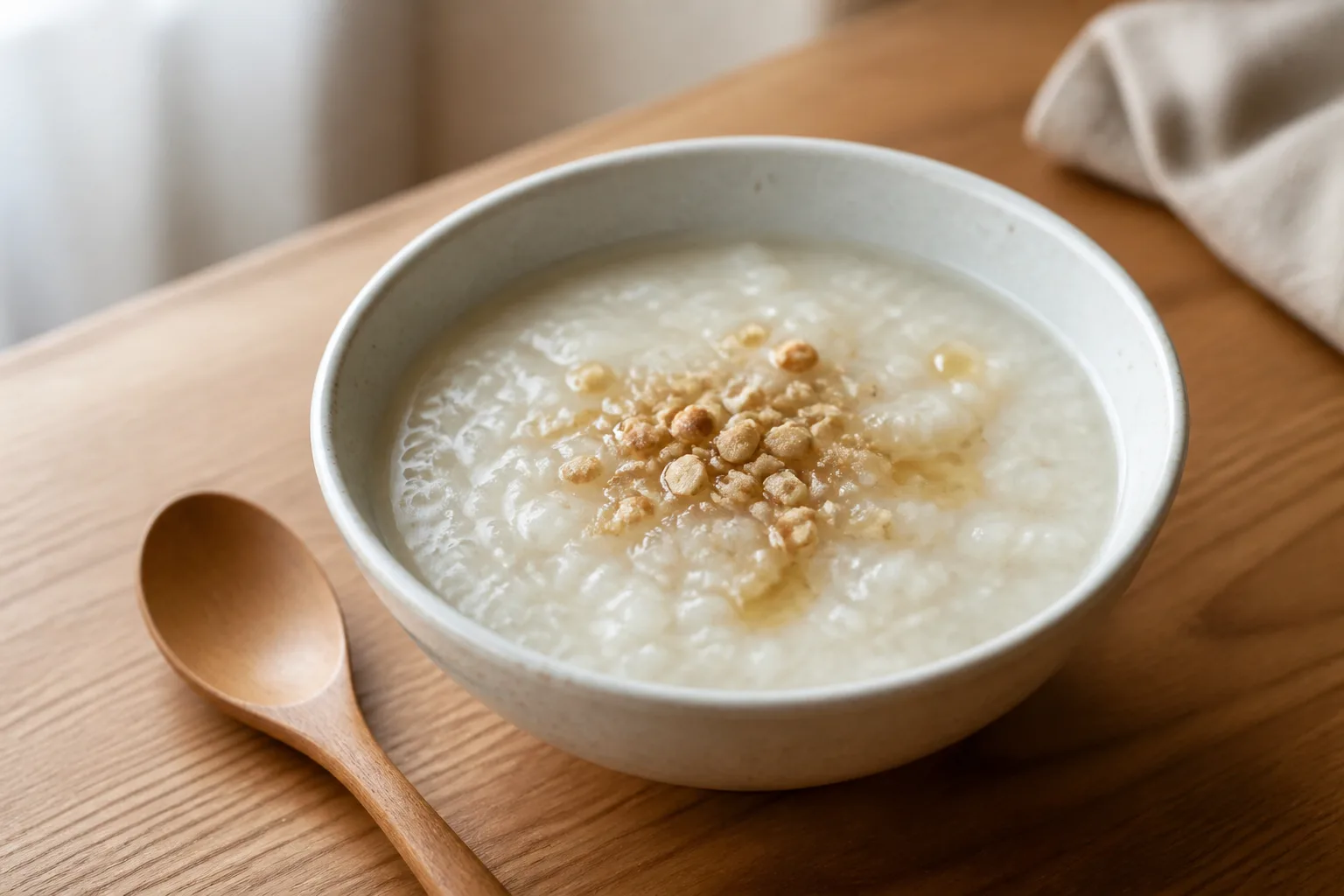
Coix with winter melon and ribs suits humid Singapore weather when Spleen damp leads. Biota seed porridge moistens when stools turn dry and sleep is unsettled.

Bowl of coix seed and winter melon pork rib soup

Soup · damp IBS-D

Coix winter melon rib soup

Coix 10 g, white hyacinth bean 10 g, chen pi 5 g, winter melon 500 g, pork ribs 500 g, and ginger. Supports Spleen and drains damp.

Ease off if stools already run loose.

Make the coix soup
Bowl of biota seed rice porridge with honey

Porridge · dry IBS-C

Biota seed porridge

Crush 10 g biota seeds into white rice and water. Optional honey after cooking. Moistens dry stools when sleep is thin.

Ease off if stools loosen.

Make the biota porridge

08 · Habits

Self-care habits for a quieter gut

Small rhythm changes often sit beside dietetics, therapy, and clinic care.

1. Smaller, regular meals

Avoid overeating. Steady timing beats large irregular plates that overwhelm Spleen transport.

2. Ease dairy, cold, raw, and fried loads

These foods often add damp or chill when the gut is already reactive. Personal triggers still need a dietitian read.

3. Protect sleep and work boundaries

Late nights and unbroken work stress feed the Liver-Spleen loop that shows as IBS swings.

4. Yoga, meditation, or a brief down-shift

Any reliable calm practice reduces the same stress charge that worsens pain and urgency.

5. Regular toilet timing

A consistent morning or post-meal window trains bowel rhythm without forcing or delaying when the urge arrives.

09 · Clinic care

Acupuncture, herbs, and when to seek urgent care

Acupuncture · herbs · dietary therapy

After a pattern read, clinic care may combine acupuncture and Chinese herbs to settle stress-linked Liver constraint and strengthen Spleen transport. Food nature guidance matches the same picture.

  • Acupuncture: points follow IBS-D or IBS-C pattern, including stress and Spleen sets. Acupuncture at PULSE.
  • Chinese herbal medicine: formulas may move qi, clear damp-heat, warm yang, or moisten dryness. They are personal, not one fixed IBS mix.
  • Dietary therapy: meal rhythm and food nature sit beside dietitian-led FODMAP work. Dietary therapy.
  • Red flags: rectal bleeding, fever, unexplained weight loss, persistent severe pain, or a family history of colon cancer, coeliac disease, or inflammatory bowel disease need urgent Western care first.
Dr Sim Beng Joo

Clinically reviewed

Reviewed by Sim Beng Joo

Advisor (Science & Strategy) / Consultant Physician · TCMPB T1303003A

MOH-licensed TCM physician and biomedical scientist, with clinical work in gastrointestinal syndromes, pain, sleep or fatigue, and constitution patterns that show as bloating, irregular stools, or IBS-type swings.

View full profile

Educational information based on clinical experience and TCM principles. Not a substitute for personalised consultation, medical care, dietetic advice, or psychotherapy. Speak with your physician before starting herbs or new self-care in pregnancy or with a chronic condition. Seek urgent care for rectal bleeding, fever, unexplained weight loss, persistent severe pain, or a family history of colon cancer, coeliac disease, or inflammatory bowel disease.

FAQs

IBS questions

Common questions before you change food, start therapy, or book a first visit for gut-brain symptoms.

What is a 3-in-1 approach to managing IBS?

Dietitian, psychologist, and TCM physician work the same gut-brain loop. Food triggers are personalised under supervision, stress and coping are addressed with psychotherapy such as CBT, and TCM names Liver, Spleen, and Kidney patterns for IBS-D or IBS-C before matching acupuncture, herbs, and kitchen support.

Should I try a low FODMAP diet for IBS alone?

No. Unguided restriction can lead to nutrient deficiencies, unwanted weight loss, and disordered eating patterns, and it is easy to mislabel high- versus low-FODMAP foods. Work with a registered dietitian who specialises in IBS before cutting groups of foods for a long stretch.

How can psychotherapy help IBS?

Psychological distress is common with IBS and can worsen flares. CBT and related therapy can identify stress triggers, teach coping such as breathing and mindfulness, support diet adherence, and improve sleep, self-esteem, and communication with care teams. Severe cases may need medication plus therapy.

How does TCM diagnose IBS?

TCM starts from the ABCDs of abdominal pain, bloating, constipation, and diarrhoea, then reads stool form, bowel pattern, and accompanying signs. Frames sit under yu zheng, abdominal pain, diarrhoea, and constipation, with Liver governing emotion, Spleen governing digestion, and Kidney governing bowel and urinary function in classical terms.

What are common TCM patterns for IBS-D and IBS-C?

IBS-D often maps to Spleen qi deficiency, Spleen-Kidney yang deficiency, colon damp-heat, or Liver depression with Spleen deficiency. IBS-C often maps to Spleen-Kidney deficiency, intestinal dryness heat, or Liver qi stagnation. Mixed stools are common; pulse and tongue still decide the lead pattern.

Which acupressure points help IBS stress and Spleen load?

For stress and anxiety, Yin Tang (EX-HN3), Bai Hui (GV20), and Tai Chong (LR3) are a short home set. For Spleen support, San Yin Jiao (SP6), Zu San Li (ST36), and Tian Shu (ST25) are often used. Soft circles only; skip strong SP6 pressure in pregnancy unless advised.

What kitchen foods support IBS-D or IBS-C?

Coix, white hyacinth bean, chen pi, winter melon, and pork ribs make a Singapore-climate soup that supports Spleen and drains damp when heaviness leads. For dry, difficult stools, crush 10 g biota seeds into rice porridge, with optional honey after cooking. Kitchen pots support a named pattern; they are not a cure claim.

When should I see a doctor for IBS-type symptoms?

Book TCM or allied care when flares keep returning, limit work or sleep, or do not settle with simple habit changes. Seek urgent Western care for rectal bleeding, fever, unexplained weight loss, persistent severe pain, or a family history of colon cancer, coeliac disease, or inflammatory bowel disease.

References

Selected sources

  1. Siah KTH, Wong RK, Chan YH, Ho KY, Gwee KA. Prevalence of irritable bowel syndrome in Singapore and its association with dietary, lifestyle, and environmental factors. Journal of Neurogastroenterology and Motility. 2016;22(4):670-676. (20.9% Rome III IBS in the study sample.) https://pubmed.ncbi.nlm.nih.gov/26951047/
  2. Ford AC, Lacy BE, Harris LA, Quigley EMM, Moayyedi P. Effect of antidepressants and psychological therapies in irritable bowel syndrome: an updated systematic review and meta-analysis. American Journal of Gastroenterology. 2019;114(1):21-39. https://pubmed.ncbi.nlm.nih.gov/30177784/
  3. National Center for Complementary and Integrative Health. Traditional Chinese medicine: What you need to know. 2019. https://www.nccih.nih.gov/health/traditional-chinese-medicine-what-you-need-to-know/
  4. Ministry of Health Singapore. TCM practitioners (Healthcare Professional Portal). https://hpp.moh.gov.sg/tcm-practitioners/
  5. World Health Organization. Traditional, complementary and integrative medicine. https://www.who.int/health-topics/traditional-complementary-and-integrative-medicine
  6. Original article author: Dr Jaswyn Chin (clinical psychologist).

Next step

Ready for an integrative IBS plan?

Bring stool form, meal timing, stress load, any dietitian or GP notes, and how long flares have lasted. We will name the TCM pattern in plain language and decide what belongs beside dietetics and psychology.

Hours
Most clinics daily 11:00 AM – 8:00 PM
Care
Physician-led consultation